Register for HCSI's first webinar on June 10th at 10am EDT! Join board members Tom Matthews and Baker Perry for an intercontinental conversation on high-altitude weather stations with leading climate scientists from Asia, Africa, and South America.
https://t.co/dGbY4uOSdX
The male pheasants are shown below in photos taken by HCSI science advisory board member Dr. Mary Hubbard. The males' striking metallic-colored plumage distinguishes them from the lighter females.
Species highlight! The Himalayan Monal is the national bird of Nepal, native to oak conifer forests in the Himalayas. The Monal is able to survive extremely low temperatures by continuing to forage for food even when there are feet of snow.
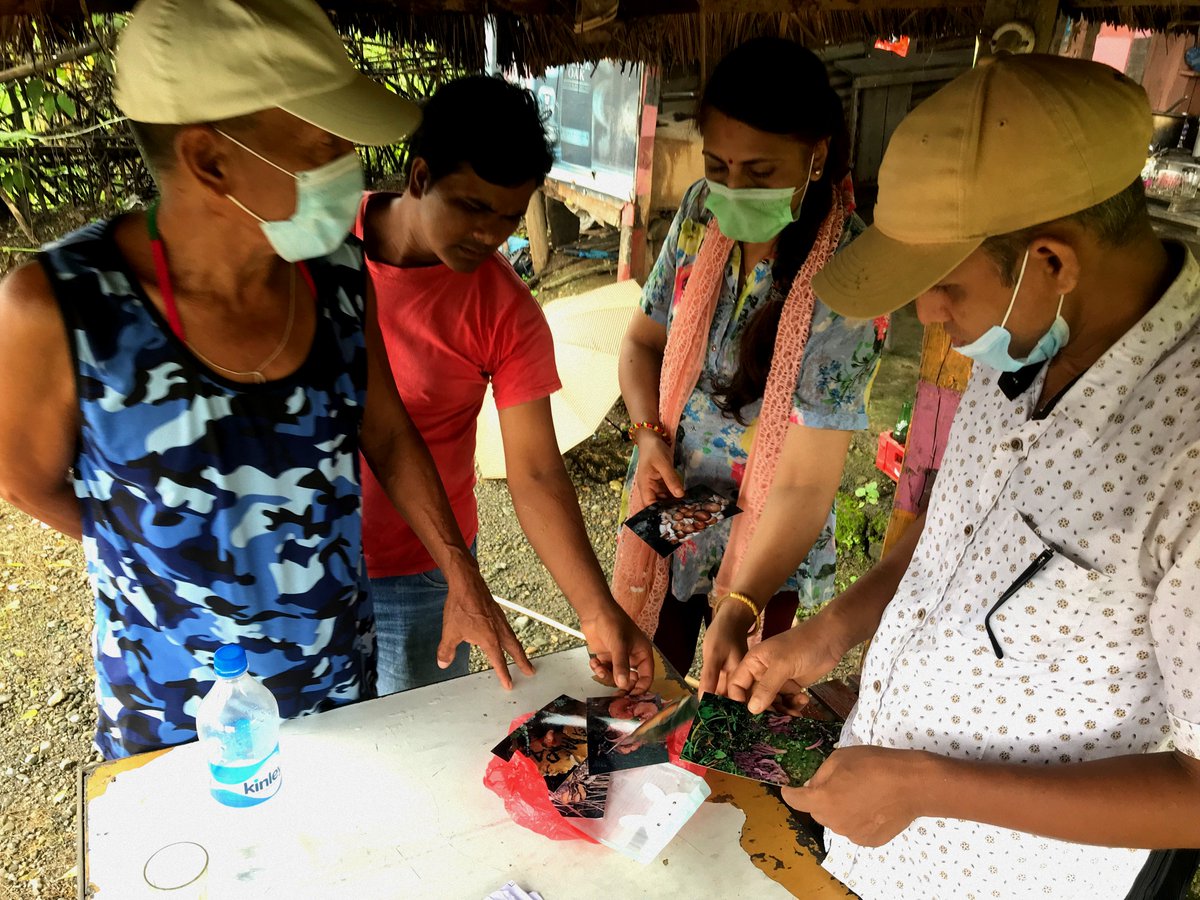
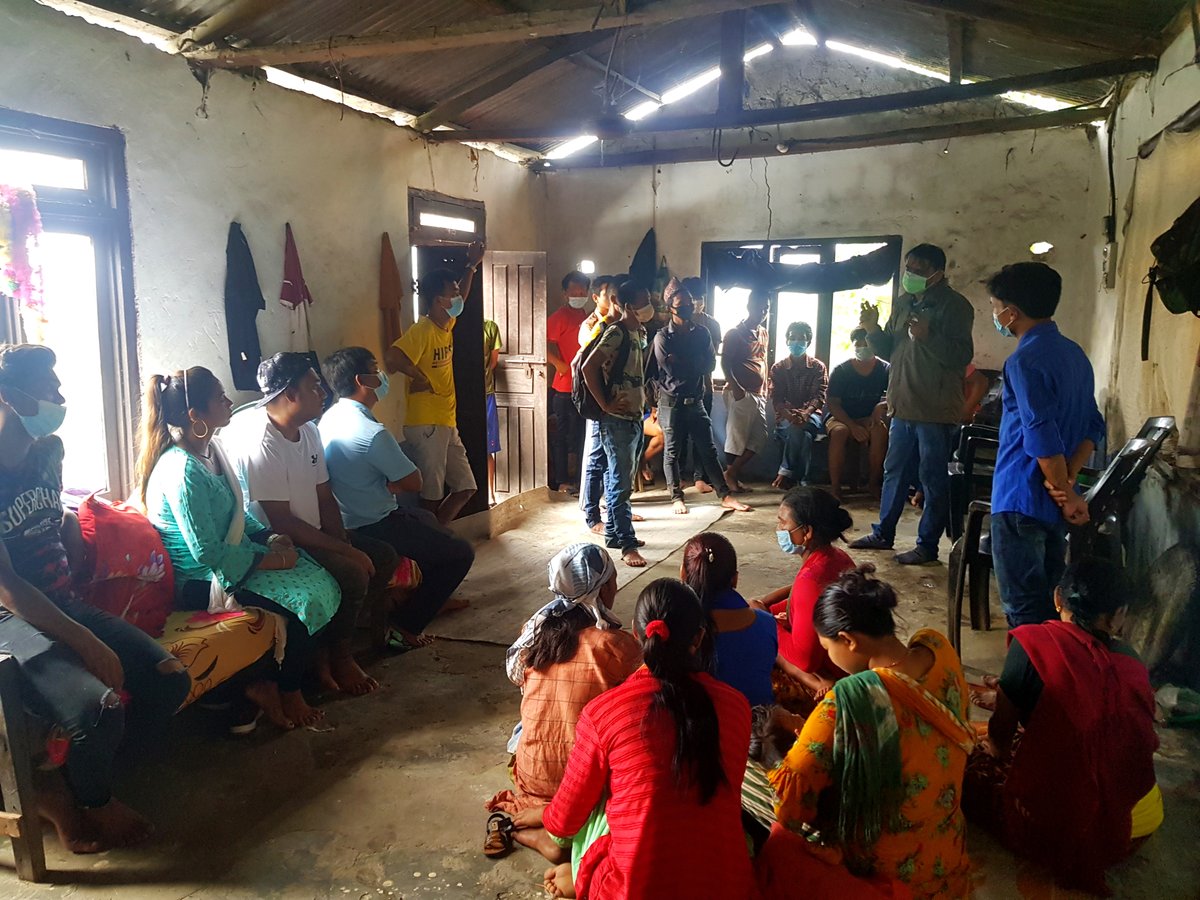
While in the Chepang community, Shiva was able to educate the other community members on how to safely differentiate between visibly similar mushrooms.
This month, HCSI Science Advisory Board member, Shiva Devkota, met with the family of 8 victims of natural mushroom poisoning. The family members had mistaken the toxic mushroom Amanita virosa for the edible Amanita chepangiana.
The recent IPCC AR6 Report explains how the impact of our global emissions is "locked in." In the Himalayas, glaciers are rapidly melting and receding. They are guaranteed to continue melting for several decades, even if all emissions are stopped today. We must act swiftly.
HCSI is fortunate enough to have Dr. Casassa as our last panelist for the webinar. The webinar is tomorrow and you do not want to miss it! Register here: https://t.co/dGbY4v6t5v
HCSI’s second panelist for the webinar is Dr. Clark! You don’t want to miss out on his insightful and informative contributions. Register here: https://t.co/dGbY4uOSdX
Meet HCSI’s first panelist! We are grateful that he is joining us and look forward to hearing about his important work operating weather stations in the Khumbu alongside HCSI’s Dr. Perry and Dr. Matthews. Don’t forget to register for the webinar here: https://t.co/dGbY4uOSdX
Together, they braved extreme conditions to install the world’s highest weather stations on the icy slopes of Mt. Everest for the @NatGeo and @ROLEX Perpetual Planet Expedition. The stations have provided unrivaled data on the jet stream to climate scientists around the globe.
Leading next week’s webinar are HCSI’s board members @TkrMatthews86 and @BakerPerry1, two of the world’s leading climate scientists!
Link to register: https://t.co/dGbY4uOSdX
True to our dual mission to advance science and economic opportunities, HCSI will work to help build the Khumbu’s economy back up by including employment and training in every project that it carries out. Read the full article below!
https://t.co/NmHadccxkx
With the intent to capitalize off the high tourism in the area, KC Krishna opened up his Thawa Lodge & Bakery Cafe. When the pandemic hit, Krishna, like so many others, were buried in a mountain of debt.
https://t.co/NmHadccxkx
With an economy that has transformed from an agro-pastoral one into one based on tourism, COVID-19 has hit the Mt. Everest region harder than ever.
https://t.co/NmHadccxkx
Although HCSI does not work in the lowlands where the rhinos roam, this increase in population is extremely promising for the country of Nepal as a whole. Read more about the positive impacts of a growing rhino population and why they became endangered in this BBC article.
Things are looking up for the rhinos of Nepal! Previously one of the most endangered species in Asia, the rhino population has grown from under a hundred to over 750. The work put in by the Nepalese government to conserve these beautiful creatures has paid off.
The weather station will collect data on temperature, wind speed, and snowfall in the drought stricken region, helping scientists better understand how climate change is affecting areas that rely on the Andes for water. Check out Nat Geo's article on their huge accomplishment!