"Overall, more severe penalties and higher likelihood of investigation emerged as the 'main drivers' of scrupulousness – particularly among experienced researchers."
Compliance "more important than education" on research ethics https://t.co/PguSbbeIXI via @timeshighered
The likelihood of investigation and the severity of punishment have most influence on whether experienced academics take a chance on dodgy research. @JohnRoss49 reports
https://t.co/EZS3qQiC9M
Just published (open access): Students’ views about the purpose of higher education: a comparative analysis of six European countries - by @achalagupta@SazanaJayadeva@AbrahamsJJ & @_rachel_brooks https://t.co/yOnJMFSWSA
Pandemic productivity in academia: using ecological momentary assessment to explore the impact of COVID-19 on research productivity https://t.co/47WuNjx6hS
How to exercise agency in the ‘third space’? Exploring Chinese mainland students’ experiences at a Hong Kong institution’s branch campus
https://t.co/UlHHDz1fCJ
With us now in #Pride month, it is a good time to reshare @j_glazzard and I's article: Including LGBTQ+ early career higher education staff: learning from the policy and practice for supporting LGBTQ+ students https://t.co/kuVYJwl8Z9
#lgbtqiaourmonth#HigherEd#LGBTQ
Finally a note of hope for 2022 :) :Beyond publish or perish – Exploring the multi-faceted benefits of academic writing. Writing for thinking : « In many cases, writing was not simply about avoiding ‘perishing’, but was instead about actively flourishing »https://t.co/DJI7euHTb8
A new study in Higher Education Research & Development explores how research impact is understood and evaluated in complex contexts, highlighting the challenges of defining and measuring “impact” across different stakeholders and settings.
Read it here: https://t.co/oZvV54WVLM
What type of environment is more likely to lead to academic research misconduct? New research indicates differences across ECRs vs Professors
@AcademicJobs@HERDJournal@UTS_Business
https://t.co/i4n0E4BJzE
https://t.co/mzK86yqJV3
I'm pleased to share our published article in Higher Education Research & Development examining how research attitude and supervisory leadership influence student teachers' perceived research competencies in Nigeria, with research intention as a mediator.
https://t.co/j67CjnUusj
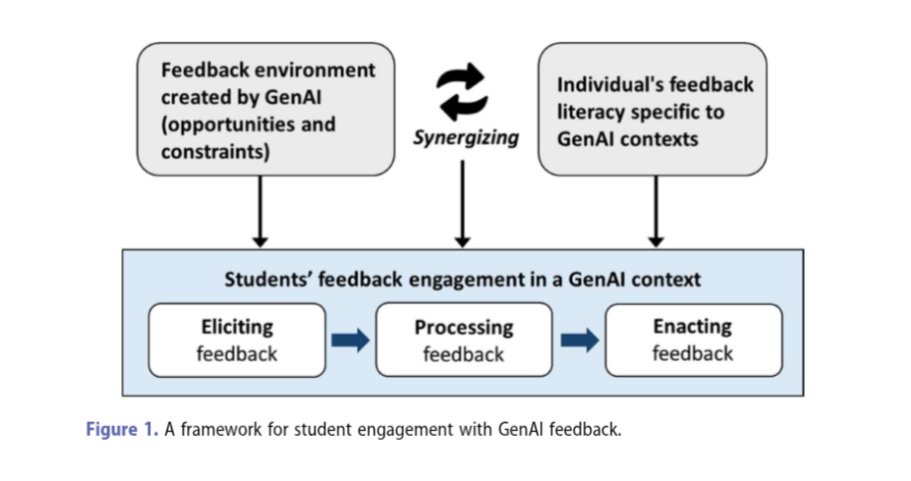
#edtech "to utilise the affordances of GenAI, students need to learn how to write specific prompts against assessment criteria to make their requests responsive to their #feedback needs.Teachers should provide guidance and training on engineering prompts"
https://t.co/g7llMDKkjI
What do University academics think drives misconduct by their peers? This study examines what US, European and Australian academics believe to be the answer. Deterrence is just one part of their response ... @HERDJournal@UTSMarketing@UTSEngage
https://t.co/mzK86yqJV3
Power x prejudice: risk-based assessment on the vulnerability of female Chinese international students in Australia
Adrian Hale & Dennis Lam
https://t.co/yuo6xpZ3ZZ
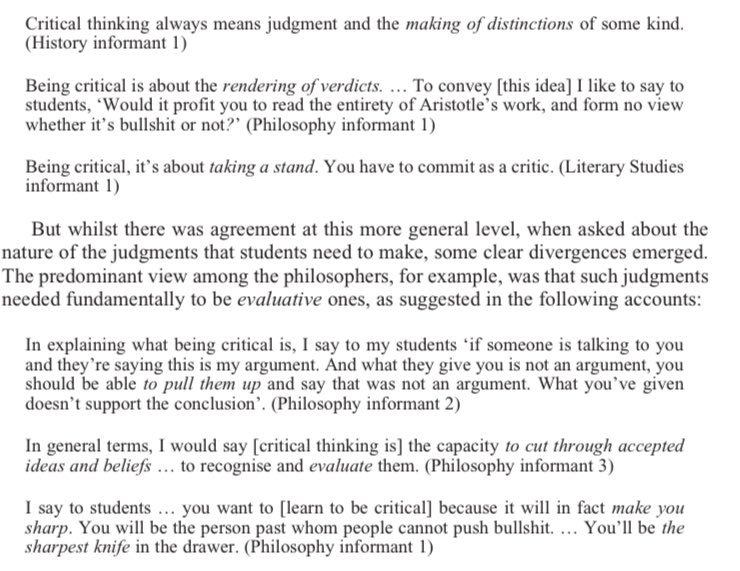
“In their attempts to give an account of what critical thinking means, a key theme to emerge from the interview discussions was that it always somehow involved the ‘making of judgments’.”