ASHG is excited to announce Charles Lee as the new Editor-in-Chief of @HGGAdvances! He brings exceptional scientific leadership, editorial expertise, and a deep commitment to advancing human genetics and genomics.
Join us in congratulating Dr. Lee!
https://t.co/nBBCVkI5jn
Meet HGG Advances (@HGGAdvances) author and researcher Holly A.F. Stessman, PhD. Learn about their experience of publishing in HGG Advances and their research: https://t.co/cbYduJISAF #ASHG
.@HGGAdvances sat with Adelaide Tovar, PhD, in the latest "Inside HGG Advances" to discuss her paper, “Using a modular massively parallel reporter assay to discover context-dependent regulatory activity in type 2 diabetes-linked noncoding regions.“➡️ https://t.co/qa6Bdx1rp0 #ASHG
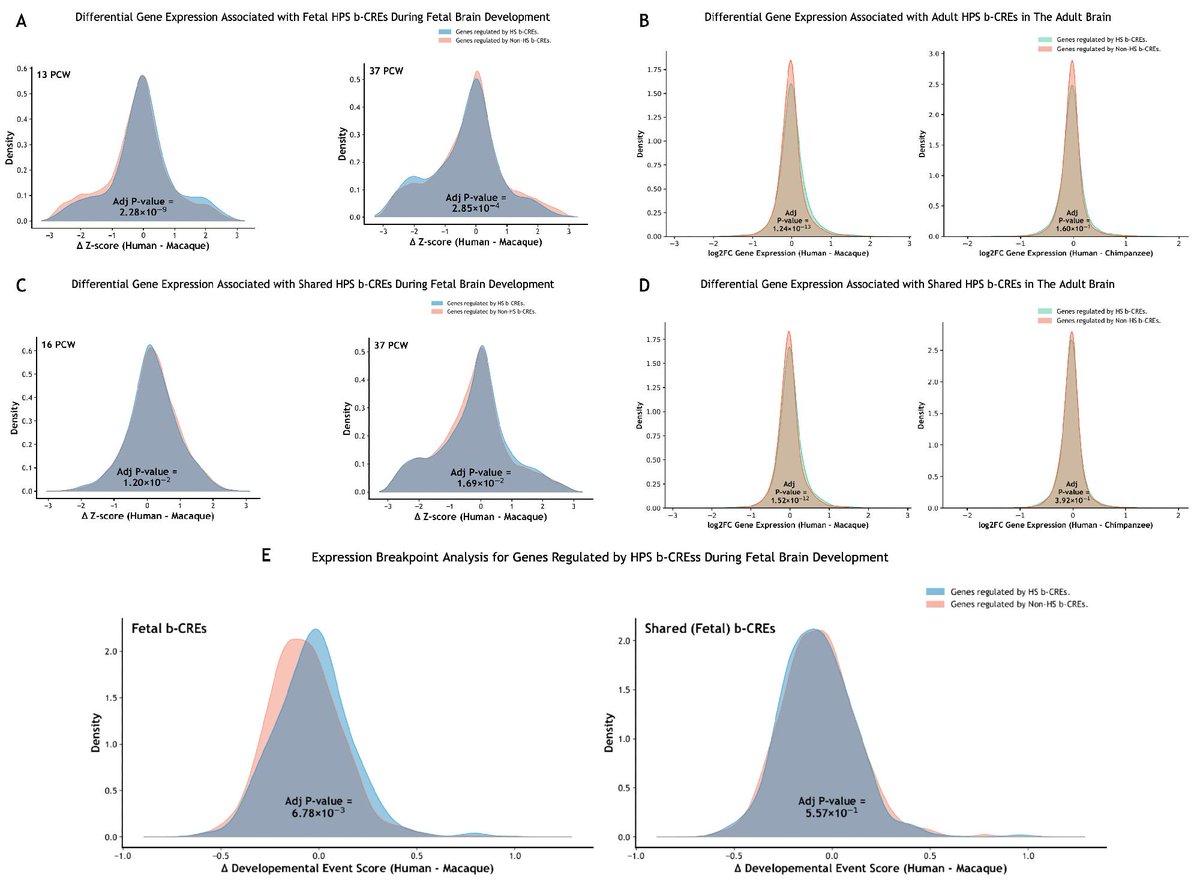
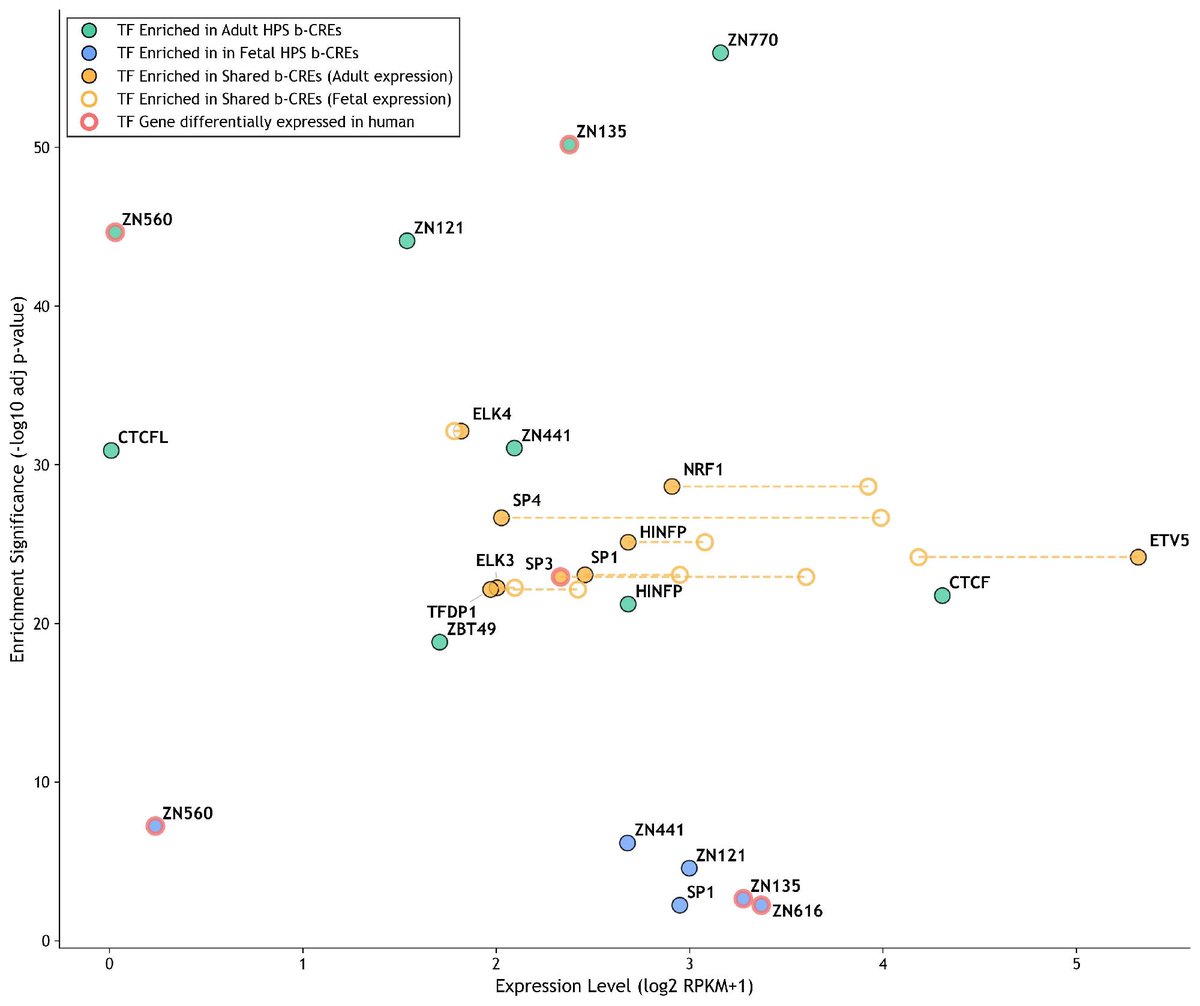
Using 243 primate whole genomes, @HGGAdvances' latest article identifies over 8K brain-active elements that show human-specific positive selection, shape gene expression differences, & are enriched for neuropsychiatric disorders: https://t.co/rBaskpBh57 #ASHG#HumanGenetics
🧬New from Chen et al!
📄Functional genomic analysis reveals HAVCR1 as the key regulator of 5q33.3 locus linked to hyperlipidemia
👉 https://t.co/4fKpJQqKOR
2 dates. 2 expert sessions. 1 smart move—register for both!
May 27: Industry Pathways in Genetics and Genomic Science (co-hosted w/ @eshgsociety)
June 10: RNUopathies: A New Frontier in Genetics (Journal Club w/ @HGGAdvances)
👉 Join us: https://t.co/0986yxT7UM #ASHG
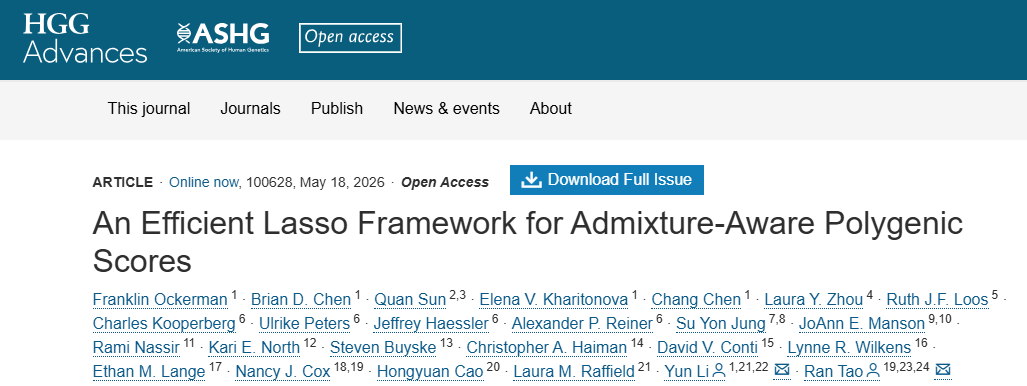
Polygenic scores often underperform in individuals with recent genetic admixture, limiting their clinical & research utility. @HGGAdvances latest article presents HAUDI—a scalable method leveraging local ancestry information to improve prediction accuracy: https://t.co/eqYkATWsGQ
🧬New from Touissi & Vallender!
📄Positive selection on brain cis-regulatory elements in the human lineage drives gene expression divergence and susceptibility to neuropsychiatric disorders
👉 https://t.co/3m1j5lfJU7
🧬New from Mansoorshahi et al!
📄Rare Type 1 Collagen Variants in Early-Onset Bicuspid Aortic Valve Disease: Clinical and Genetic Overlap with Ehlers-Danlos Syndrome and Osteogenesis Imperfecta
👉 https://t.co/mOjByLsWoJ
Genome sequencing (GS) is changing rare disease diagnosis. In a study of 10,000+ patients from Brazil, authors of @HGGAdvances latest article show that GS has strong potential to shorten the diagnostic journey—especially for underrepresented populations: https://t.co/fgTQxckQDc
🧬 New from Nkrumah et al!
📄Burden of heterozygote carriers for autosomal recessive conditions in the Middle East: A study of 14,392 genomes
👉 https://t.co/obNd6RP6UQ
.@HGGAdvances sat with @lokhee7, in the latest "Inside HGGA" to discuss his recently published paper, “Loss-of-Function Variants in MARK2 Cause Neurodevelopmental Disorder.”➡️ https://t.co/84tilI6vJI #ASHG#GeneticsDiscoveries#HumanGenetics
.@HGGAdvances' latest article introduces CCAFE, a new method to derive case and control allele frequencies when they are missing from GWAS summary statistics—thus expanding the utility and reusability of genomic data: https://t.co/a6nYybq4FT #ASHG#HumanGenetics
🧬New from Houge & colleagues!
📄Biallelic loss-of-function variants in DSCAM cause a neurodevelopmental syndrome with nystagmus and retinal dysfunction
👉 https://t.co/S1YRIEvJV7
🧬 New from Jiang et al!
📄Functional and Computational Interrogation of the Juvenile Idiopathic #Arthritis Risk Loci Identifies Candidate Risk-Driving SNPs and Target Genes in CD4+ T Cells
👉 https://t.co/UpiPajh2td
🧬 New from Zafar et al!
📄Molecular dynamics simulations of intrinsically disordered protein regions enable biophysical interpretation of variant effect predictors
👉 https://t.co/EdF8AyOKmm