That's right, ladies and gentlemen! Click on the link and join me on another exciting mapping journey with #ggplot2 and #rayshader in R 🚀
🔗https://t.co/Rnt32dijXN
⚠️If you like the content hit 👍🏼 and subscribe buttons!
Mangroves:
✅ protect against coastal erosion,
✅ help with flood control,
✅ act as carbon sinks,
✅ and support biodiversity and fisheries.
This International Day for the Conservation of the #Mangrove Ecosystem, learn about their importance through this @TheWCS infographic👇
Second Edition of the Practical Handbook of Remote Sensing is now available, combining theory & practicals, it's a book for anyone wanting to learn about changes in local environment, or globally, using #RemoteSensing & #satellite data. https://t.co/dKaQw3PIJq #EarthObservation
The ecologically unique and globally important Mediterranean basin has broken another temperature anomaly record and risks becoming a Dead Sea. With no direct connections to the Arctic, it is a trapped body of water at the mercy of #ClimateBreakdown
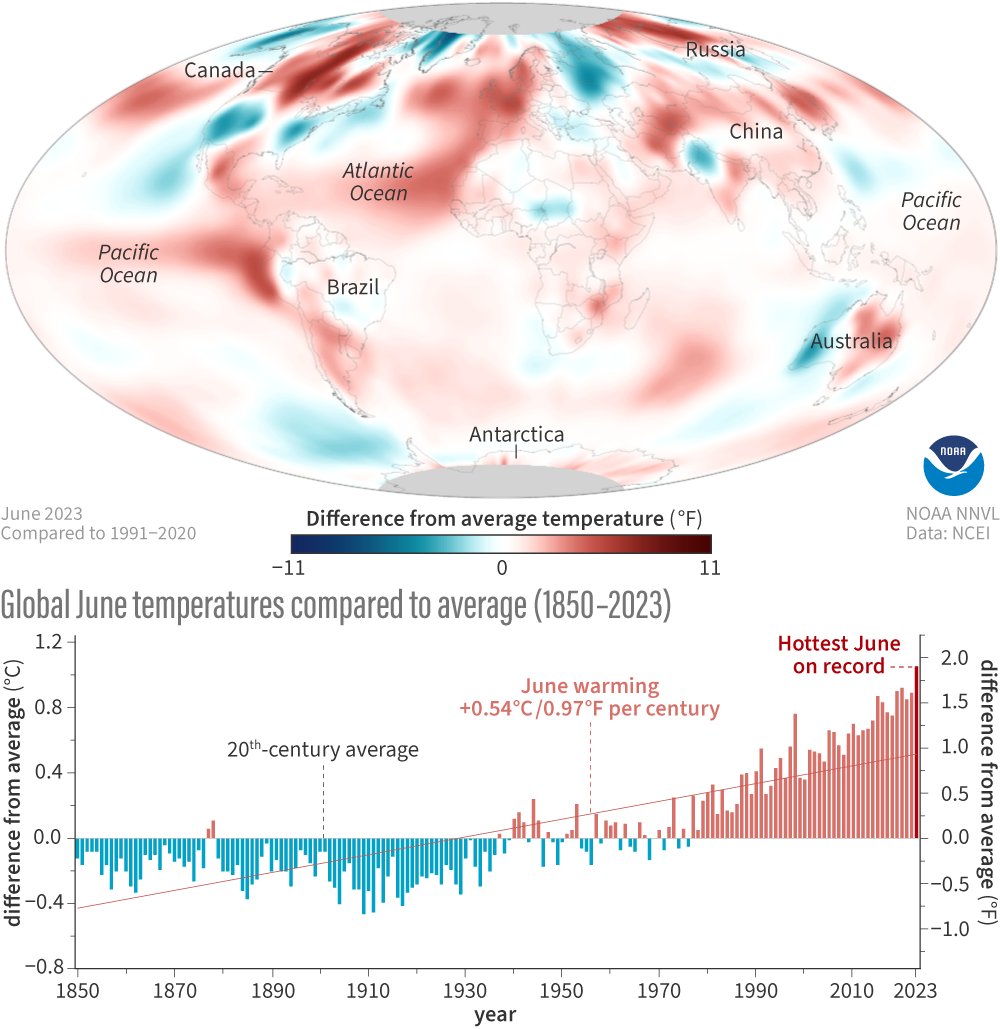
June 2023 was the hottest June on record dating back to 1850. It also marked the third straight month of record ocean heat, and was the 47th consecutive June and the 532nd consecutive month with temperatures above the 20th-century average. https://t.co/qogtRW4e6a
As recently reported by @CopernicusEMS, these are the current active fires as seen in the EFFIS Current Situation Viewer tool.
The Copernicus EMS service also reports that there is still an extreme danger of fires in large areas of Central and Southern #Italy🇮🇹
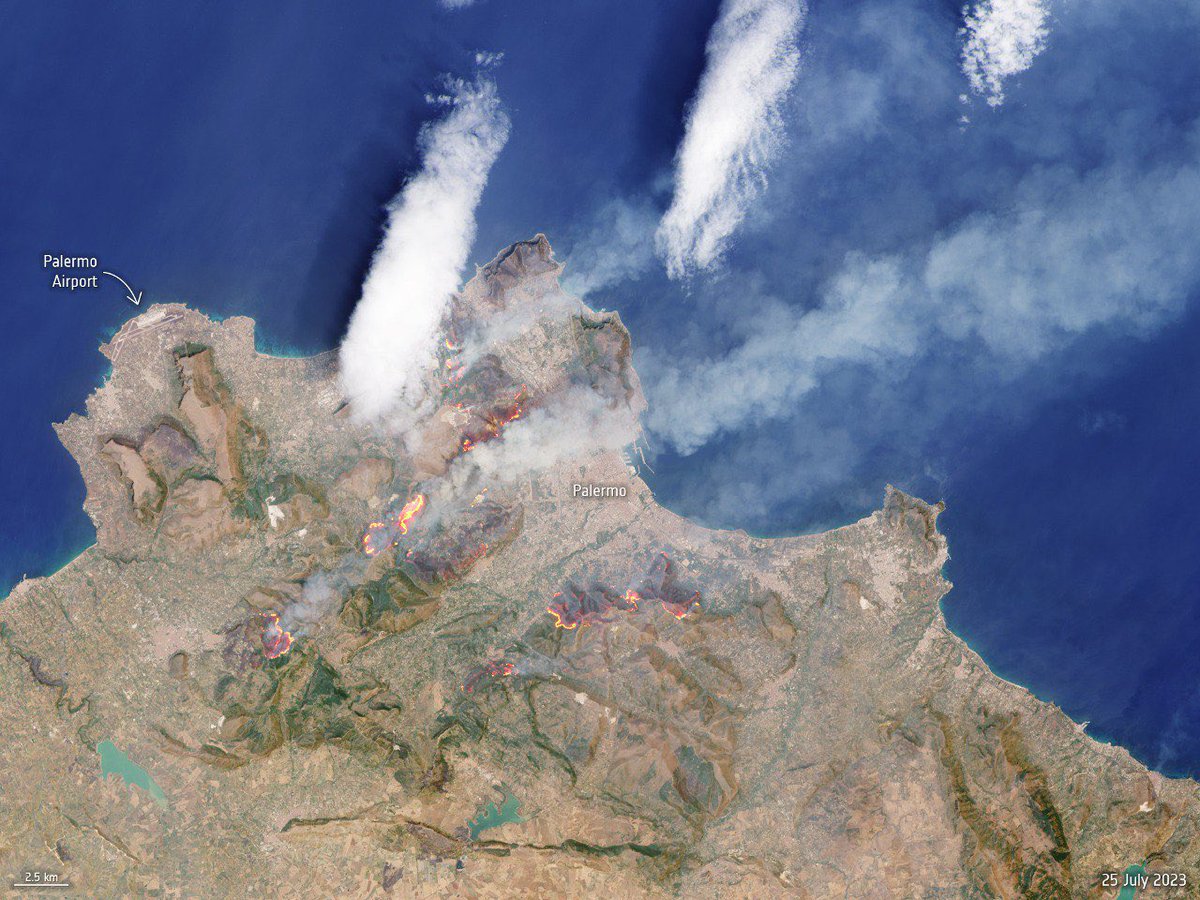
Wildfires around the city of #Palermo as seen in this Landsat-8 image from 25 July.
To highlight the fire fronts, we overlaid the SWIR signal - the image also include topography info.
@vigilidelfuoco reported that more than 2 000 firefighters are battling the fires in Sicily.
It looks like Europe has also just set a new heat record for the month of July.
The heat in Southern Europe and North Africa on top of the extraordinary overnight temperatures really is astonishing.
BREAKING: Palermo in Sicily has just obliterated its all-time heat record by over 2°C. The previous record was +44.8°C in August 1999.
The observatory has weather data dating back to 1791. This is a very significant record to fall by such an enormous margin.
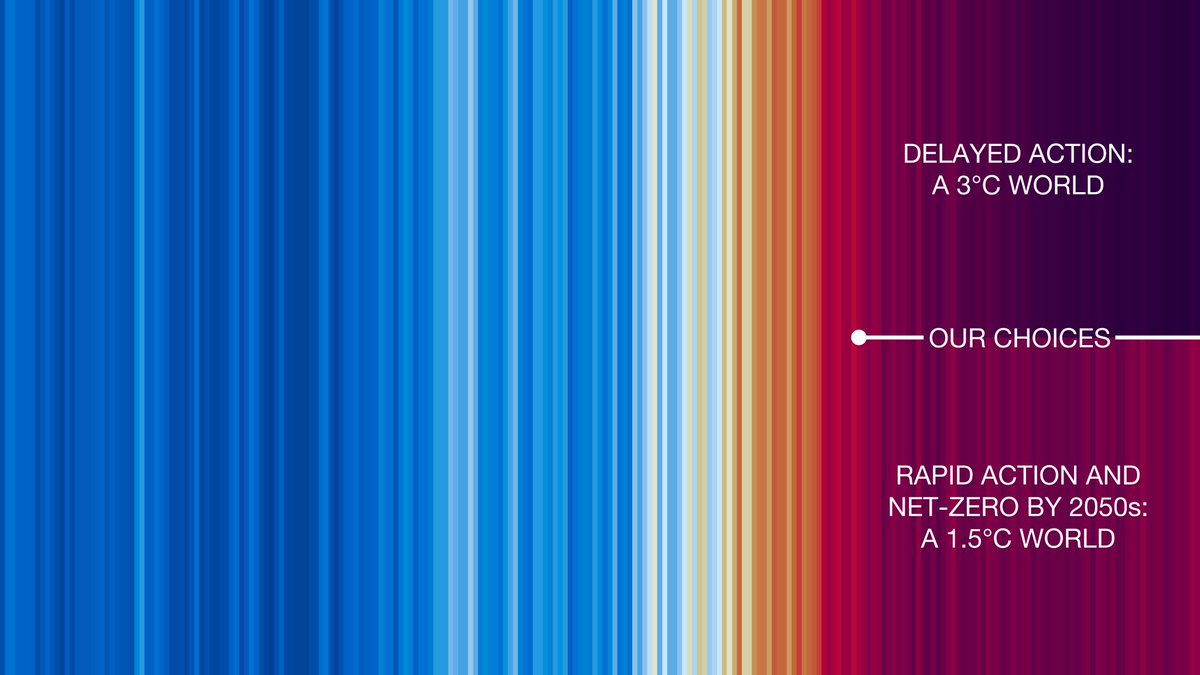
1. Global warming will continue until we reach net-zero.
2. The climate consequences will keep getting worse until we reach net-zero.
3. After reaching net-zero we will have to live and suffer in a warmer world for generations.
Do we act now or delay further?
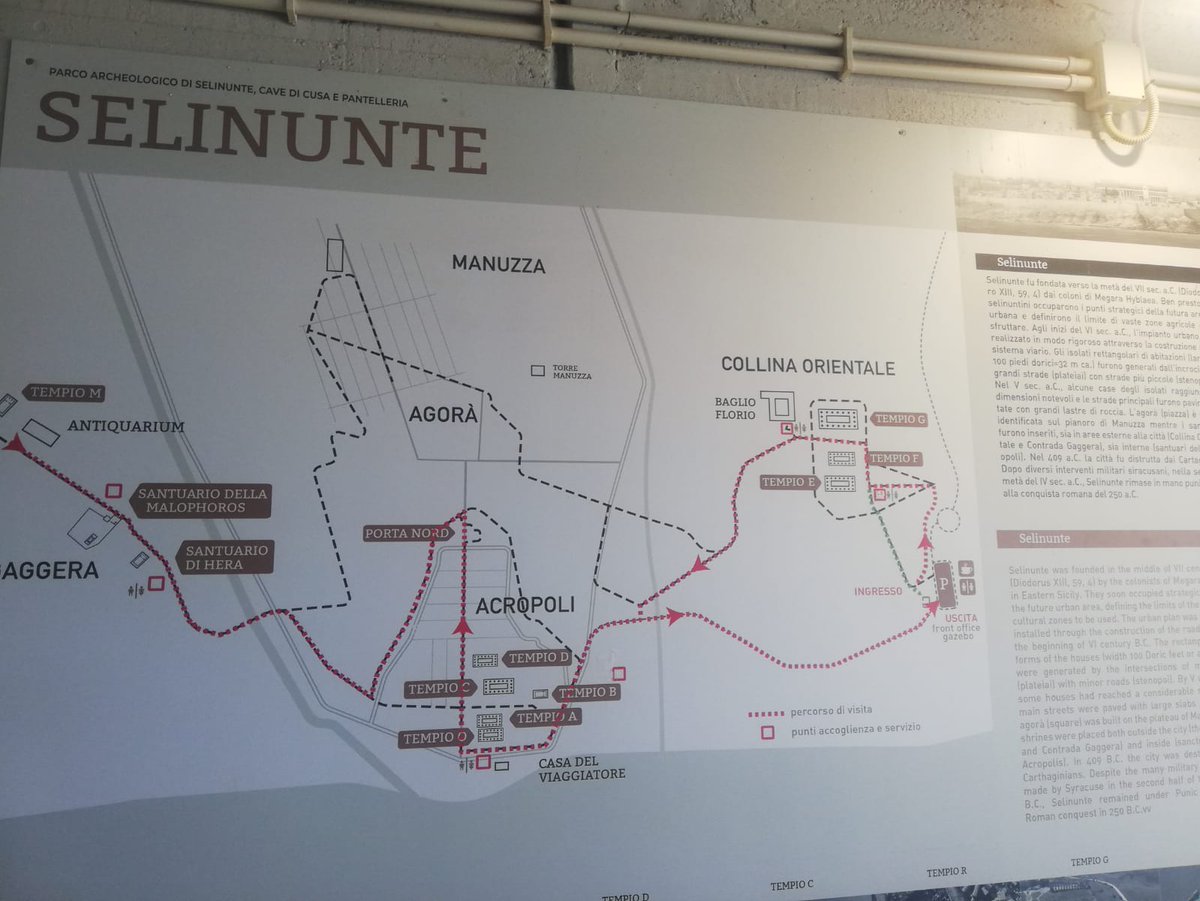
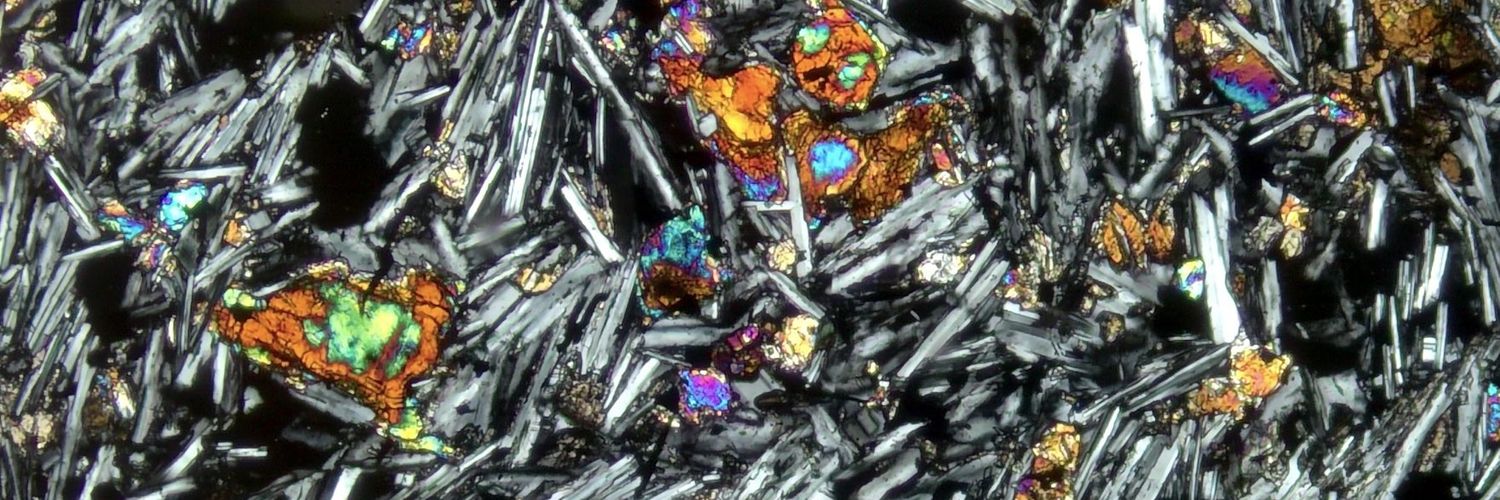
Some images of #INQUARoma2023 post-congress fieldtrip 9 in #Sicily. Thanks to all the participants and to Antonio Caruso and Claudia Cosentino for leading it!
The North Atlantic is in uncharted territory.
The entire ocean basin is a record-smashing 1.5°C above normal, as millions of square miles of ocean experience strong to severe marine heatwaves.
Off the coast of Canada, ocean temperatures are up to 9°C (16°F) above average!
These record-warm temperatures are already having devastating impacts on marine ecosystems. In Florida, water temperatures have soared as high as 98°F (36.7°C), with coral bleaching ongoing and expected to rapidly ramp up throughout the Gulf of Mexico and Caribbean in the coming weeks.
Record-warm ocean temperatures in the Atlantic will also fuel potentially stronger hurricanes and a more active hurricane season. More heat in the ocean equals more energy, increasing the upper limit of hurricane strength and thus exponentially increasing the damage potential of storms.
For example, a 110 mph Category 2 hurricane has over 2x the damage potential of a 100 mph Category 2 storm.
With over a month until water temperatures typically peak, the North Atlantic is just 0.1°C away from tying the all-time record for its highest ocean temperature (set last year), which it will inevitably break in the coming days.
Global sea ice extent remains at a historic low for this time of year due to unusually small ice cover at both poles (but especially the Antarctic)...
More visuals (including ice volume) at https://t.co/ecHYax1cql
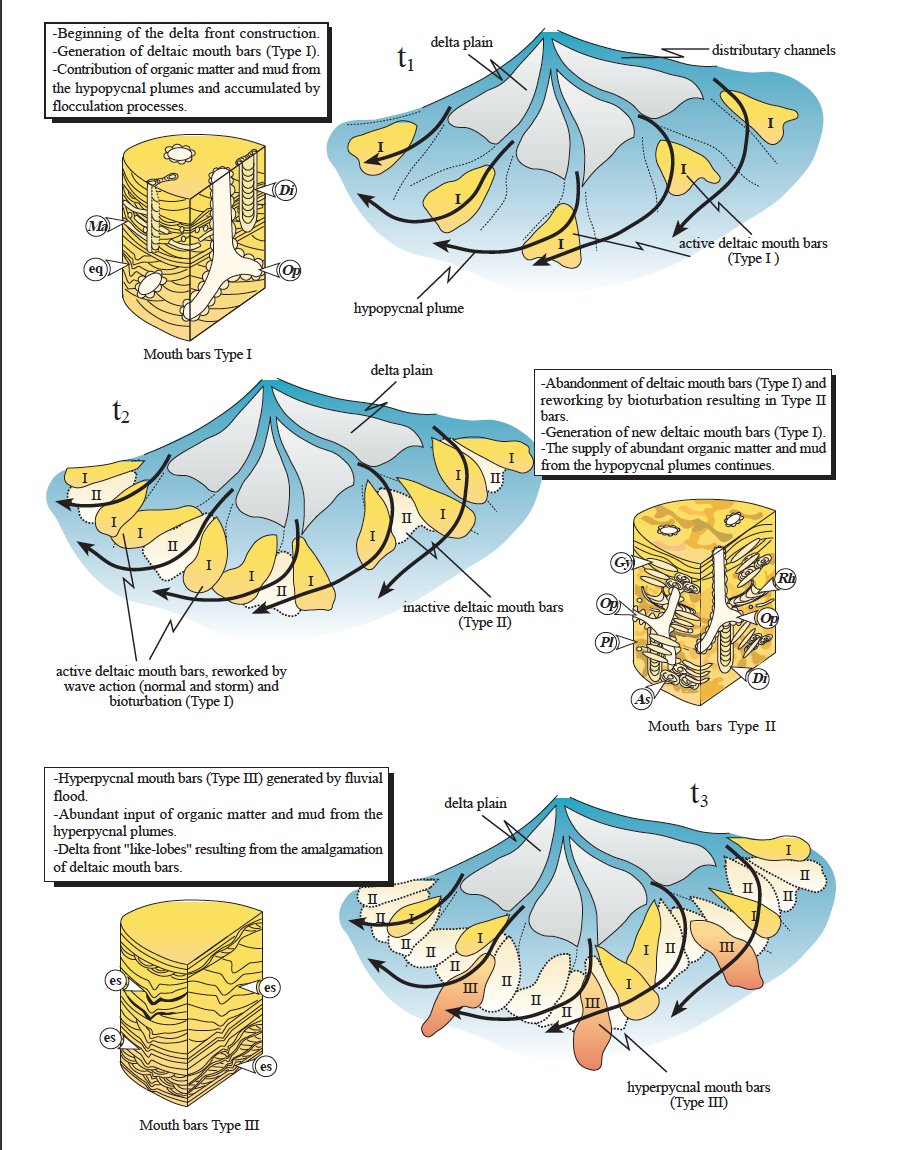
Read about delta mouth bars in 'Sedimentological and ichnological characterization of delta front mouth bars in a river-dominated delta (Upper Cretaceous) from the La Anita Formation, Austral Basin, Argentina'
Available at: https://t.co/GmZEEiysee
I've never heard of Allison Pearson before as I don't read the Telegraph. Is she an idiot or am I missing something?
#ClimateEmergency https://t.co/TnOCHqoudW
There are different types of means.
But what is the difference between them?
An introduction to the arithmetic, geometric, and harmonic mean with code.
1️⃣ The well-known Arithmetic Mean
Calculated as the sum of the values divided by the total number of values.
- We use it when the data has the same unit.
- Outliers can heavily influence this mean.
2️⃣ Geometric Mean
Calculated as the N-th root of the product of all values.
(N is the number of values)
- More appropriate for dependent values, percentages, fractions, or widely-ranging data.
- Does not accept negative or zero values.
3️⃣ Harmonic Mean
Calculated as the number of values N divided by the sum of the reciprocal of the values.
- Appropriate to calculate the average rate (speed, frequency).
- Does not take rates with a negative or zero value.
_____
That's it for today.
I hope you've found this Tweet helpful.
Like/Retweet for support and follow @levikul09 for more Data Science content.
Thanks ���
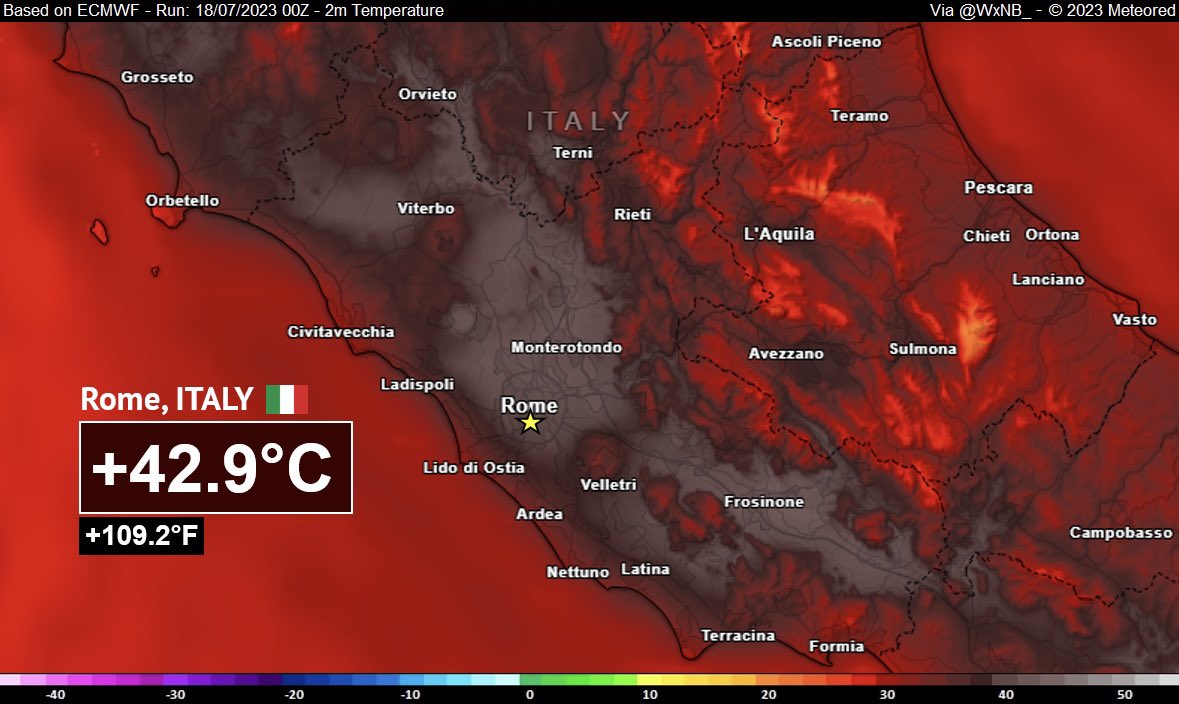
BREAKING: Rome, Italy just experienced its highest temperature in recorded history with 42.9°C (109.2°F). This beats the previous record from 2022 by 2 full degrees Celsius.
That is a huge margin.