Nearly 90% of ischemic heart disease deaths in 2023 in the U.S. were attributable to modifiable risk factors, led by high systolic BP, dietary risks and high LDL-C, according to data from the Global Burden of Disease Study 2023.
Learn more: https://t.co/eOPONJSfBT #cvPrev
Yes, Dr. Faezah, the issue can certainly be related to expectations. I believe feeling ineffective is the result of a combination of individual factors (perfectionism, poor coping skills, personal stress), academic pressures (intense environment, the need to excel in exams, publish, and stand out), organizational factors (competitive culture, limited support), and environmental factors (high societal expectations). While the specific risk and protective factors for various burnout profiles are not yet well described, I plan to explore this further by correlating these burnout profiles with common mood disorders in a subsequent study to better understand their impact on healthcare professionals.
A new study from Pakistan found that 2/3 of medical and nursing students suffer from at least one dimension of burnout, with 16.9% of medical and 6.7% of nursing students meeting criteria for burnout. Most students (32%) felt ineffective, meaning a lack of personal belief in achieving goals. Burnout rates increase as training progresses. #MedicalEducation #Burnout #StudentWellbeing #MentalHealth #NursingStudents #MedStudents #Pakistan #HealthcareTraining #medicine #PLOSONE @AKUGlobal@AdilHaiderMD@nadaqureshi https://t.co/GoFvM6QnuG
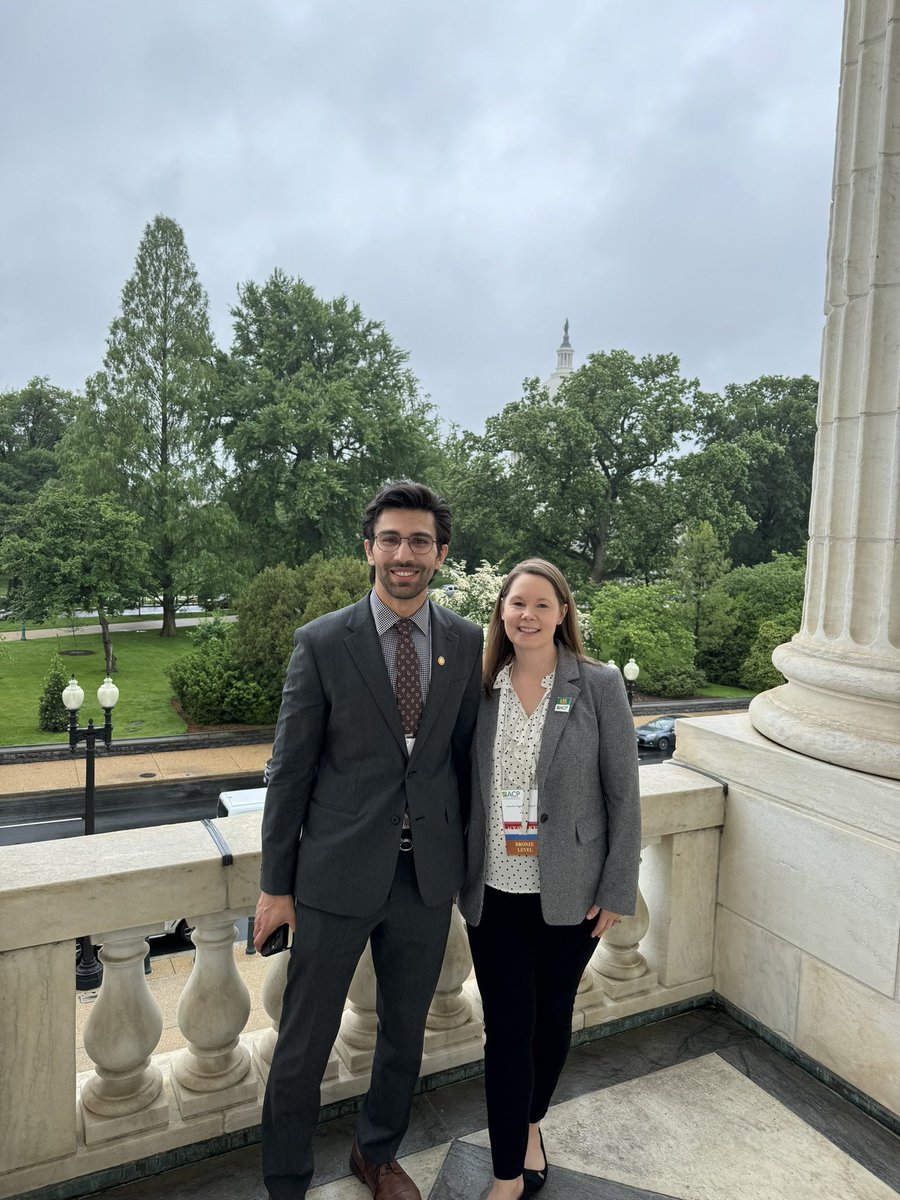
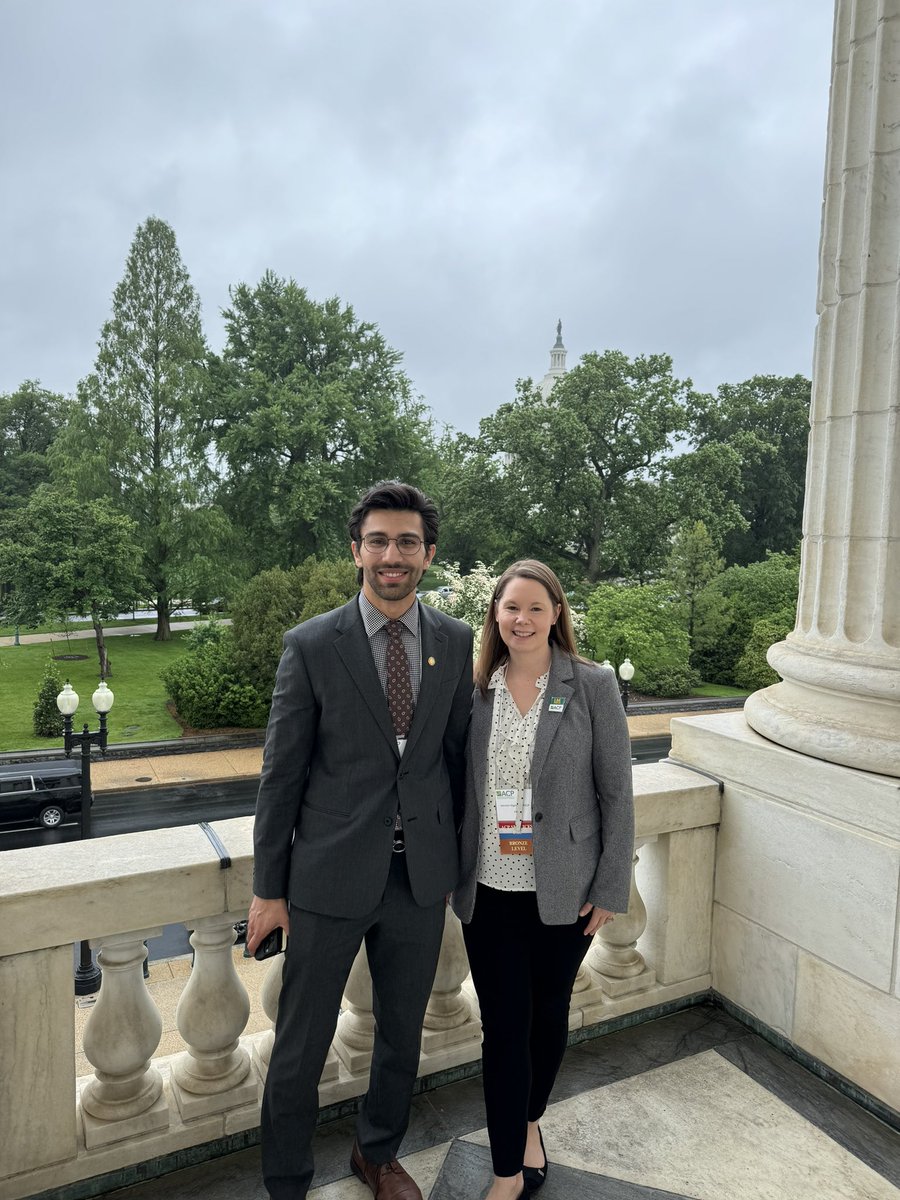
Thank you @RepGuthrie for meeting with internal medicine physicians from Kentucky who were in D.C. advocating for patients and physicians during the American College of Physicians Leadership Day at Capitol Hill! @ACPIMPhysicians#ACPLD
You've pointed out an important issue, and we tried to address this in our discussion as well. While a 3 mm Hg reduction may not seem significant, large observational studies have shown that even a 2 mm Hg reduction in blood pressure can lead to a 10% lower stroke rate and a 7% reduction in ischemic heart disease and vascular mortality. Additionally, the reported difference of <3 mm Hg is only a weighted mean difference and shouldn’t be used to gauge the overall efficacy of renal denervation. Yet it is important to identify which patients benefit most from this technology, as not all patients, such as older individuals, diabetics, or those with CKD, may have the same benefit.
Randomized Trials of Renal Denervation for Uncontrolled Hypertension: An Updated Meta‐Analysis | Journal of the American Heart Association https://t.co/7GGl6iYICO
Really comprehensive meta-analysis of renal denervation trials...modest effects on BP and pill burden.
Randomized Trials of Renal Denervation for Uncontrolled Hypertension: An Updated Meta‐Analysis | Journal of the American Heart Association https://t.co/9sfEyg7uqB
Thank you to Senator McConnell’s office for meeting with representatives from the Kentucky Chapter of the American College of Physicians during ACP Leadership Day 2024. #ACPLD#ACPIMPhysicians@LeaderMcConnell