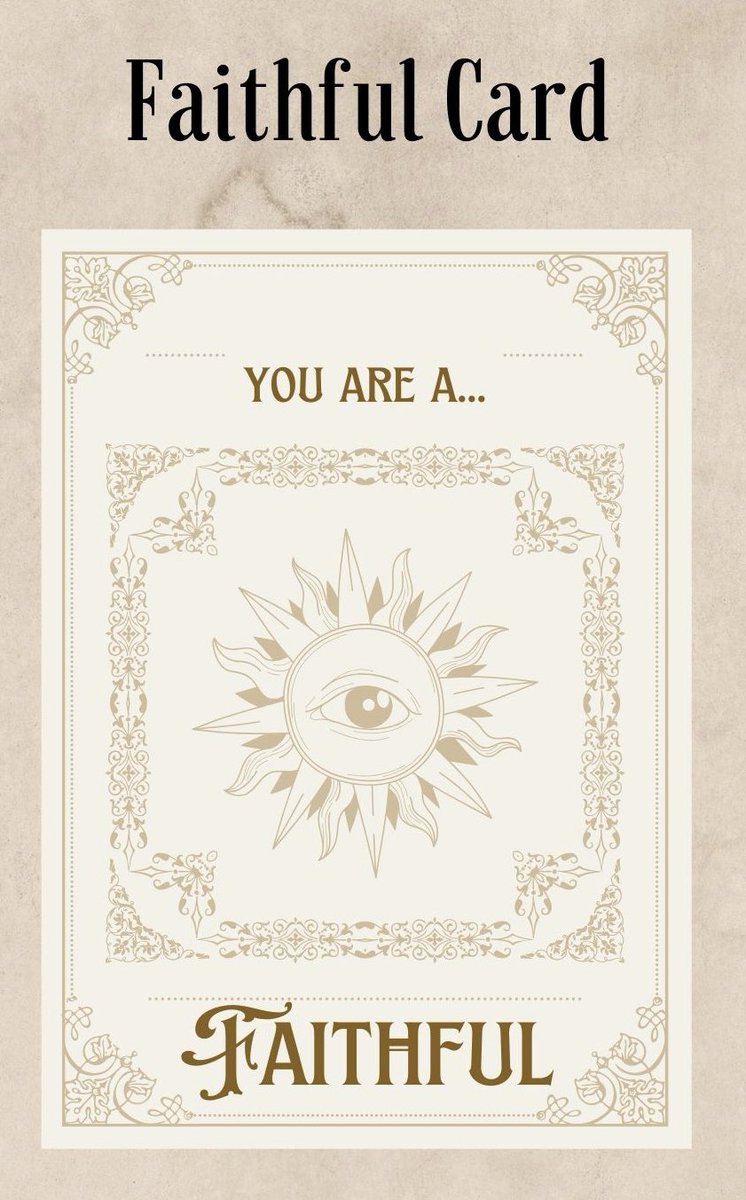
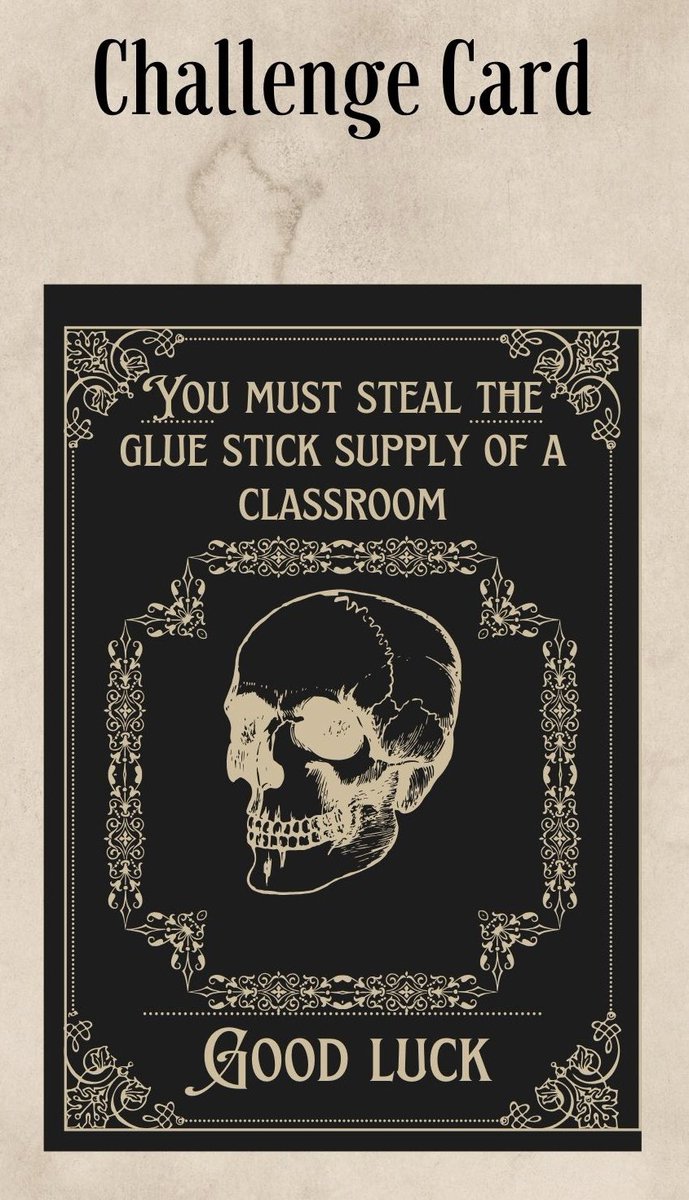
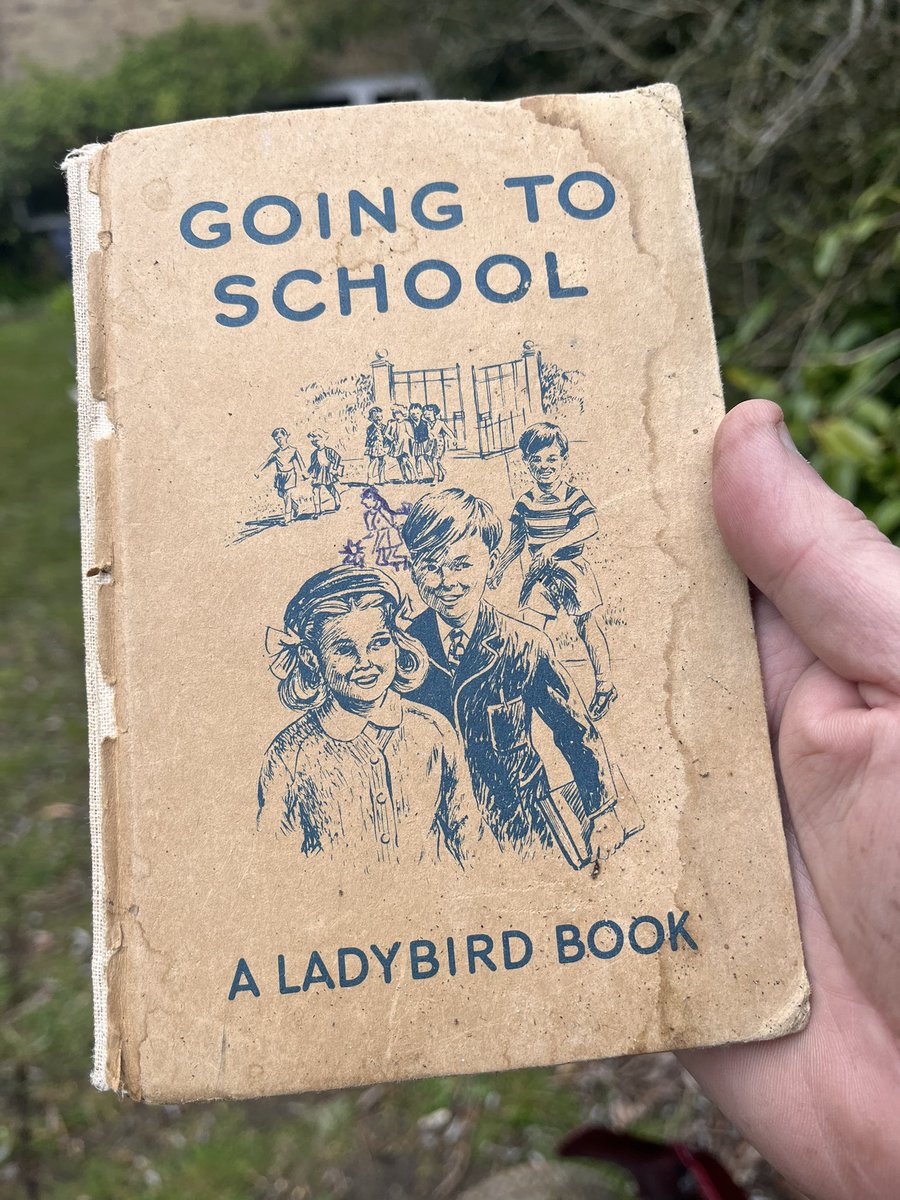
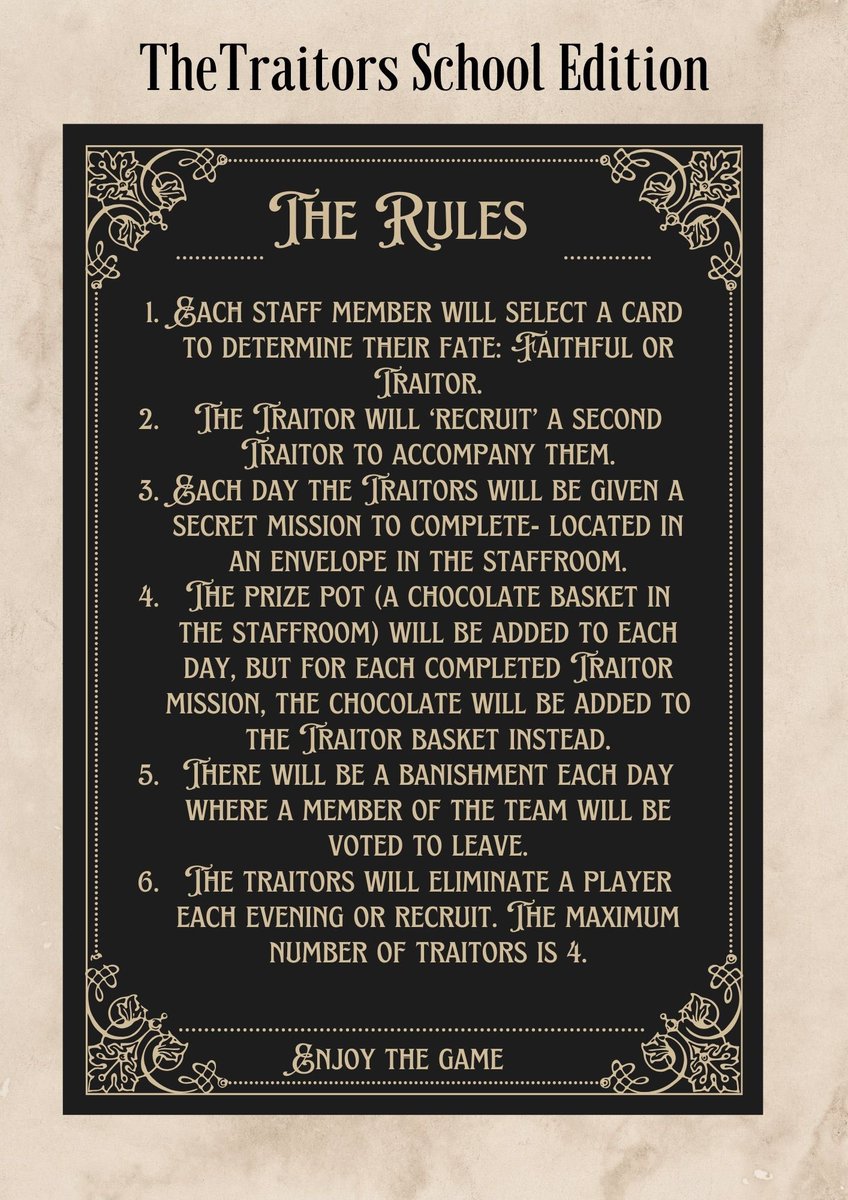
With all the excitement of @TheTraitorsUK final tonight I’ve decided to make a ‘School Edition’
Next week, my staff will discover their fate: a Faithful 💌 or a Traitor ☠️
The Traitors will aim to complete secret missions without being detected.
This could be fun!
Ring out those bells tonight!
This week's Festive Favourite is Little Donkey.
Composed by songwriter Eric Boswell, it hit the charts for Gracie Fields and the Beverley Sisters, in 1959, and for Nina & Frederick, in 1960.
Young children have sung it in nativities ever since!
This week's Old School Assembly Hymn is one which we've actually shared before. However, it seems timely to share it again.
"Cross Over the Road" was inspired by the Parable of the Good Samaritan. It's about kindness, compassion...humanity.
Take note, Home Secretary.
Take note.
2/2
Secondly, it just doesn't need centralised policies which mandate, for example, the layout of desks in classrooms.
Some seem to be forgetting that teachers are intelligent, creative, innovative...qualified.
Some seem to be forgetting that school communities are unique.
In recent days, I've been sad to read about some significant cases of what can only be described as the erosion of autonomy in education.
Firstly, this fine profession does not need the content of initial teacher training programmes to be approved by the Schools Minister.
1/2
Can anyone help anon?
Are there any headteachers out there who are considering leaving their job? If so, what alternative career paths would you consider pursuing?
🤥 EdTech marketing is a bit obsessed with buzzy concepts.
'Transform your teaching' or 'Revolutionise learning'
But it's the little things that help. Asking, listening, Immersive Reader, clicker pens for teachers...
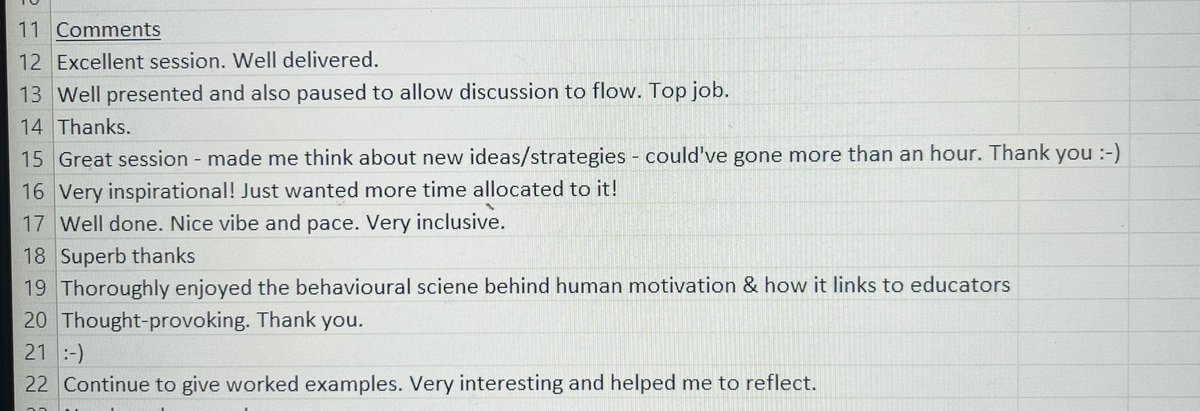
Looking forward to speaking about this and more next week!
🧵 Things that are frequently badged as being super right or wrong that don’t always translate to primary (esp mixed age classes)& especially ks1 & eyfs.
1. Rows
2. Group work
3. Differentiation
4. Prescriptive lesson structures
5. Booklets
6. Centralised planning