A Chinese developer just explained the shift from Loop Engineering to Graph Engineering better than anyone.
most people are still building agents the way that's about to be obsolete.
> why single-agent loops break and go "goal blind"
> the 4 parts of a graph: nodes, edges, state, policy
> 3 topologies that run everything: diamond, supervisor, pipeline
> Anthropic's 5 official workflow patterns
the punchline: it's not how many agents you run. it's the determinism you build with verifiers, code fallbacks, and reality anchors.
I broke the same architecture down with Kimi K3. Full A-Z guide below.
@KagutaMuseveni Mu7eveni and family become so happy, By saying, Goood rituals, we have got more years in power now. Yani mnatoa sadaka kutoka kwa family zetu???
We shall never forget our children. May their souls rest in eternal peace!🥲
Don't waste 2 years learning to build LLMs like Claude & ChatGPT.
MIT dropped a 3 hour course on building LLMs from scratch for free.
Training → Architecture → Scale. It covers everything about LLMs.
• 00:00 - training an LLM
• 1:20:46 - LLM architecture from scratch
• 2:34:56 - scaling laws for LLMs
Anthropic pays $750,000/year to AI engineers in 2026 who master this exact knowledge.
Bookmark this & skip Netflix. Give it 4 hours today. Then read the article below.
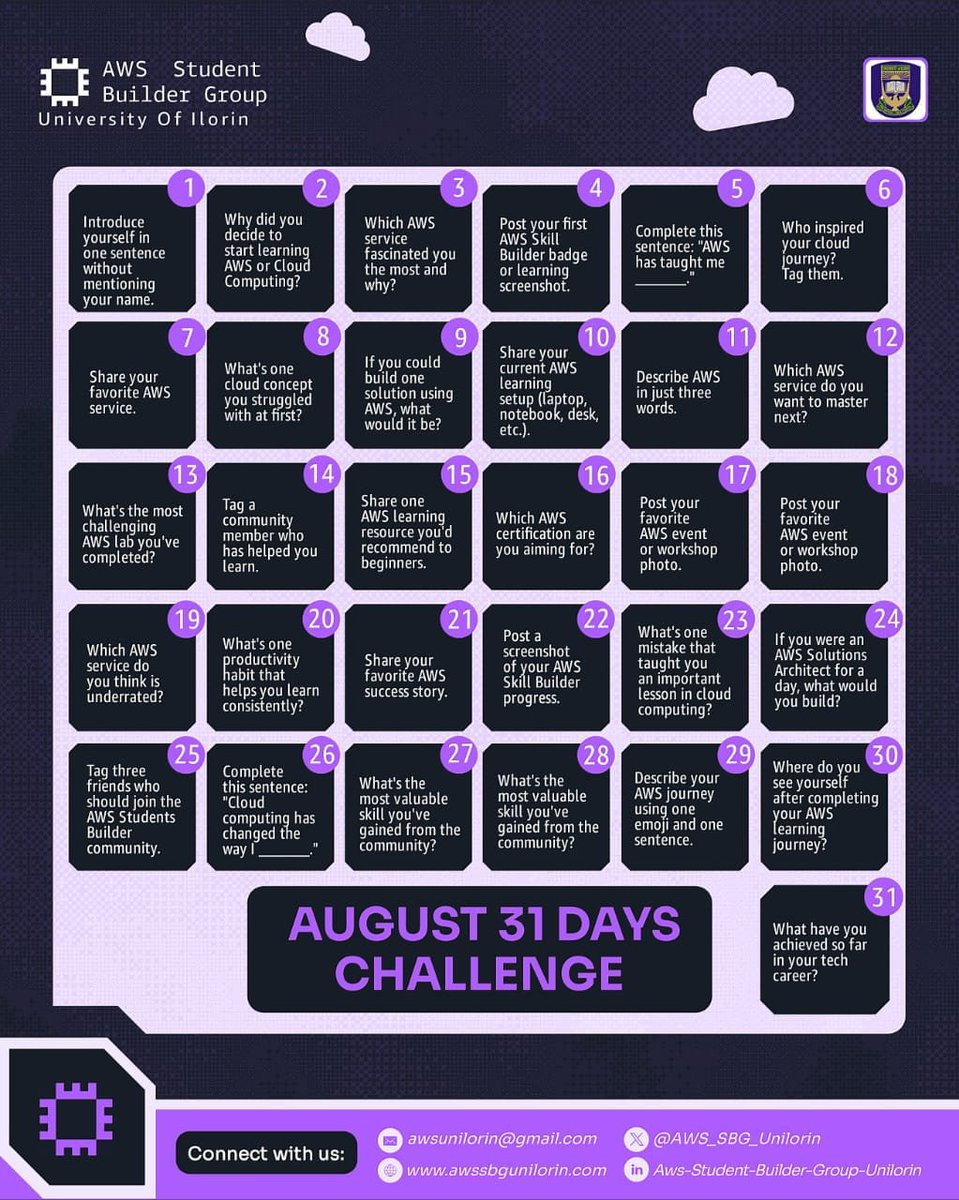
Day 1: Innovative unilorite deploying on cloud
Day 2: just a simple question that i asked "why Cloud"
Day 3: AWS Lambda, why? stands out as a uniquely fascinating cloud service, primarily because it delivers serverless computing, event-driven scaling, and a pay-per-use model
@RealManziWilly Today I realized that Banyrwandas sadly think they have the monopoly of what could be called nilo face. @RealManziWilly for lack of argument to perpetrate your atrocities, you decide to lie. I had such respect for you.
A Stanford professor just gave a public lecture on exactly how GPT, Claude, and LLaMA are built under the hood
no insider access required
just the clearest breakdown of modern LLM architecture I've seen
this lecture reveals the framework professors are paid up to $750K a year to teach
the gap between "I use ChatGPT" and "I understand how it works" is smaller than most people think
the most complete public breakdown of modern LLM architecture I've seen this year
10 GitHub repos that will level up your AI Agent skills (SAVE THIS)🔖
1. Hands-On Large Language Models
Complete code notebooks from basics to advanced fine-tuning.
🔗 https://t.co/YKYUlUNhr6
2. AI Agents for Beginners
A free 11-part intro course to build your first agents.
🔗 https://t.co/ebBwODOkZa
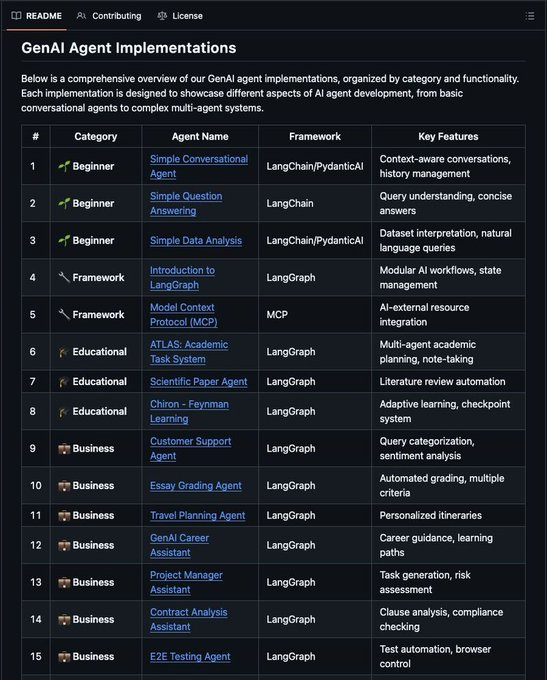
3. GenAI Agents
Tutorials and code for building generative AI agents.
🔗 https://t.co/4Mg2GeyYIe
4. Made with ML
Learn to design, build, and deploy real ML apps.
🔗 https://t.co/cyB1JbQiNV
5. Prompt Engineering Guide
Learn to write powerful and effective prompts.
🔗 https://t.co/3yGHjdprrt
6. Hands-On AI Engineering
Practical LLM-powered apps and agent examples.
🔗 https://t.co/Xsill4EYdG
7. Awesome Generative AI Guide
Curated hub for genAI research and tools.
🔗 https://t.co/9nNN74EVvu
8. Designing Machine Learning Systems
Summaries and resources from the popular ML systems book.
🔗 https://t.co/teoyuGvKND
9. ML for Beginners (Microsoft)
Free beginner-friendly ML curriculum.
🔗 https://t.co/bvoG8mjEFT
10. LLM Course
Roadmaps and hands-on notebooks to build LLM apps.
🔗 https://t.co/soHfhieIDI
I'm curating 50+ AI Agent resources on my profile worth checking out 👋
𝗘𝘃𝗲𝗿𝘆 𝗺𝗮𝗷𝗼𝗿 𝗔𝗜 𝗰𝗼𝗱𝗶𝗻𝗴 𝘁𝗼𝗼𝗹 𝗷𝘂𝘀𝘁 𝘀𝘁𝗮𝗻𝗱𝗮𝗿𝗱𝗶𝘇𝗲𝗱 𝗼𝗻 𝗼𝗻𝗲 𝗶𝗱𝗲𝗮.
Not a model.
Not an agent framework.
Not a vector database.
A markdown file.
𝗦𝗞𝗜𝗟𝗟.𝗺𝗱
Anthropic introduced it in late 2025.
Now OpenAI, Google, Microsoft, Cursor, JetBrains, and 10+ other AI coding platforms support the same format.
Different companies.
Different models.
Different ecosystems.
But they all agreed on this.
That should tell you something.
━━━━━━━━━━━━━━━━━━━
Most teams are building AI coding systems the wrong way.
They dump everything into:
→ CLAUDE.md
→ .cursorrules
→ AGENTS.md
→ giant prompt files
Code standards.
Deployment guides.
Security rules.
Architecture notes.
Testing workflows.
Migration steps.
All loaded. Every session.
Even when the task only needs 5% of it.
The result:
• bloated context windows
• slower reasoning
• unnecessary token usage
• weaker retrieval
• confused agents
As repos grow, AI performance actually gets worse.
Not because the models are bad.
Because the context architecture is bad.
━━━━━━━━━━━━━━━━━━━
𝗦𝗞𝗜𝗟𝗟.𝗺𝗱 fixes this with one idea:
𝗣𝗿𝗼𝗴𝗿𝗲𝘀𝘀𝗶𝘃𝗲 𝗱𝗶𝘀𝗰𝗹𝗼𝘀𝘂𝗿𝗲.
The agent doesn’t load everything upfront.
It discovers capabilities only when relevant.
Flow looks like this:
→ Step 1:
Read only skill names + descriptions
(~30–50 tokens)
→ Step 2:
If a skill matches the task, load the full SKILL.md body
→ Step 3:
Only then load scripts, references, or assets on demand
Meaning:
Your agent can have 500 skills available…
without stuffing 500 workflows into context.
That changes everything.
━━━━━━━━━━━━━━━━━━━
Most people think SKILL.md is:
“a better prompt file.”
Wrong.
It’s actually:
𝗮 𝗿𝗼𝘂𝘁𝗶𝗻𝗴 𝘀𝘆𝘀𝘁𝗲𝗺 𝗳𝗼𝗿 𝗮𝗴𝗲𝗻𝘁 𝗲𝘅𝗽𝗲𝗿𝘁𝗶𝘀𝗲.
The description field is the router.
Bad description:
“PR review skill”
Good description:
“Reviews pull requests for bugs, security issues, architecture violations, and code quality regressions. Use when reviewing code changes before merge.”
One gets triggered.
One gets ignored.
The future of agent performance may depend more on routing quality than model intelligence.
━━━━━━━━━━━━━━━━━━━
𝗧𝗵𝗲 𝗺𝗼𝘀𝘁 𝗶𝗺𝗽𝗼𝗿𝘁𝗮𝗻𝘁 𝗽𝗮𝗿𝘁:
Skills are portable.
That’s the real breakthrough.
For the first time:
A team’s operational knowledge becomes:
→ version controlled
→ reusable
→ composable
→ agent-readable
→ transferable across tools
Think about that carefully.
For decades, engineering knowledge lived in:
• Slack threads
• Notion docs
• senior engineers’ heads
• random wiki pages nobody updates
Now it can live as executable expertise.
“How we debug production incidents here”
“How we safely deploy on Fridays”
“How we review security-sensitive PRs”
“How we migrate databases without downtime”
All transformed into modular capabilities agents can inherit instantly.
━━━━━━━━━━━━━━━━━━━
𝗧𝗵𝗶𝘀 𝗮𝗹𝘀𝗼 𝗰𝗹𝗮𝗿𝗶𝗳𝗶𝗲𝘀 𝘁𝗵𝗲 𝗿𝗼𝗹𝗲 𝗼𝗳 𝗲𝘃𝗲𝗿𝘆 𝗽𝗶𝗲𝗰𝗲 𝗶𝗻 𝗮𝗴𝗲𝗻𝘁 𝗮𝗿𝗰𝗵𝗶𝘁𝗲𝗰𝘁𝘂𝗿𝗲:
→ Configs (CLAUDE.md, cursorrules)
= always-on rules
→ Skills
= on-demand expertise
→ MCP
= external systems + tools
→ Memory
= persistent learning across sessions
Most people mix these together.
The best teams separate them cleanly.
That’s when agents start feeling less like chatbots…
and more like real software systems.
━━━━━━━━━━━━━━━━━━━
The most fascinating part?
Competing AI companies almost never standardize this quickly.
Yet everyone aligned around SKILL.md within months.
Because they all discovered the same thing:
The bottleneck is no longer just model intelligence.
It’s context architecture.
The winners in the agent era won’t just have smarter models.
They’ll have better systems for:
• routing knowledge
• loading expertise
• structuring memory
• orchestrating workflows
SKILL.md may look like a tiny markdown file.
But it’s quietly becoming the USB-C of AI agents.