Hey guys, Kevin, CEO of GLITCH here. Been trying to figure out when and how to express this, but now I think is the right time:
To the fans - Thank you, deeply. You are the reason we got here. I know it can get noisy online sometimes, but the real-world reality is that you are some of the most genuine, kind people we have ever had the privilege of meeting. We saw every cosplay, every discussion circle, every sticker shared outside the theatres. That is what this is all about.
To every person at/with GLITCH - I never doubted you for a single second. You are all so incredibly talented, and I am so proud that the impact of your work is now being felt on a world stage.
To the industry - Animation and cinema is art. Art is human expression. Digital Circus was a deeply personal story created to express complex feelings. Please let that be the signal you take from all of this.
To everyone - Keep making things and keep sharing your work. We found all our creators through the internet.
Now, here’s Pomni with her signature dance move.
@homestuck_anon Definitely took some time to understand. It felt unsatisfying, but the point is that they didn't give caliborn what he wanted and instead got to live peacefully, that's the real win.
@GooseworxMusic
This'll get buried in 0s flat, but I was possessed by my enjoyment of the show long enough to get over my lurking safety.
Thanks for making this, really.
This show made me feel so seen. And, I don't know you, but I adore what I saw of you and your team!
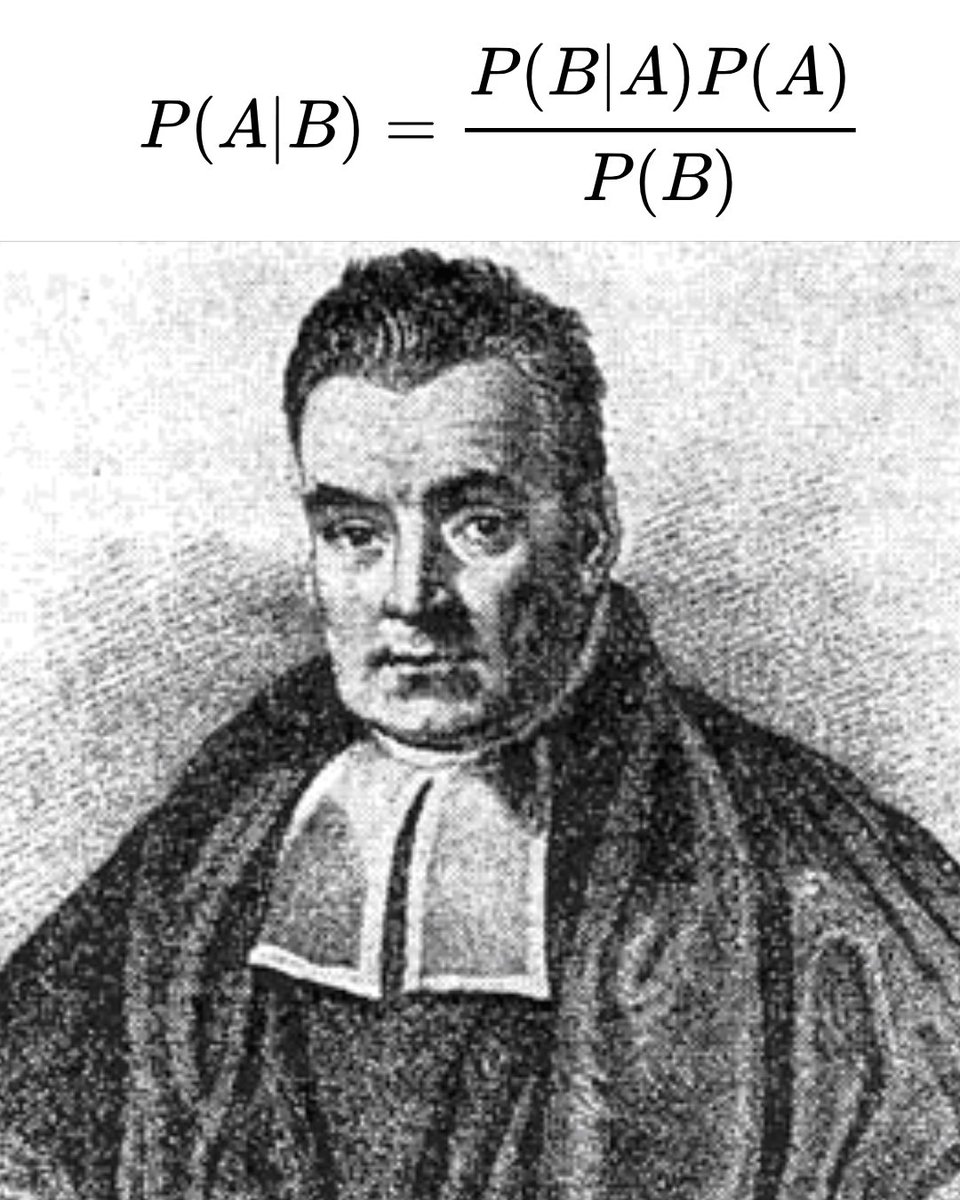
Bayes’ theorem is probably the single most important thing any rational person can learn.
So many of our debates and disagreements that we shout about are because we don’t understand Bayes’ theorem or how human rationality often works.
Bayes’ theorem is named after the 18th-century Thomas Bayes, and essentially it’s a formula that asks: when you are presented with all of the evidence for something, how much should you believe it?
Bayes’ theorem teaches us that our beliefs are not fixed; they are probabilities. Our beliefs change as we weigh new evidence against our assumptions, or our priors. In other words, we all carry certain ideas about how the world works, and new evidence can challenge them.
For example, somebody might believe that smoking is safe, that stress causes mouth ulcers, or that human activity is unrelated to climate change. These are their priors, their starting points. They can be formed by our culture, our biases, or even incomplete information.
Now imagine a new study comes along that challenges one of your priors. A single study might not carry enough weight to overturn your existing beliefs. But as studies accumulate, eventually the scales may tip. At some point, your prior will become less and less plausible.
Bayes’ theorem argues that being rational is not about black and white. It’s not even about true or false. It’s about what is most reasonable based on the best available evidence. But for this to work, we need to be presented with as much high-quality data as possible. Without evidence—without belief-forming data—we are left only with our priors and biases. And those aren’t all that rational.