A devastating M7.4 earthquake in Colombia. A stark reminder of the importance of seismic design, resilient infrastructure and understanding local ground response. Relieved my friend and colleague is safe, but deeply saddened by the lives lost. Thinking of everyone affected. 🇨🇴
At least 111 people were killed after a powerful earthquake struck western Colombia, toppling buildings across several cities, damaging hospitals and infrastructure and trapping people beneath the rubble in what authorities called the country's strongest earthquake of the century. Follow our live coverage: https://t.co/eY4ktBnSAL
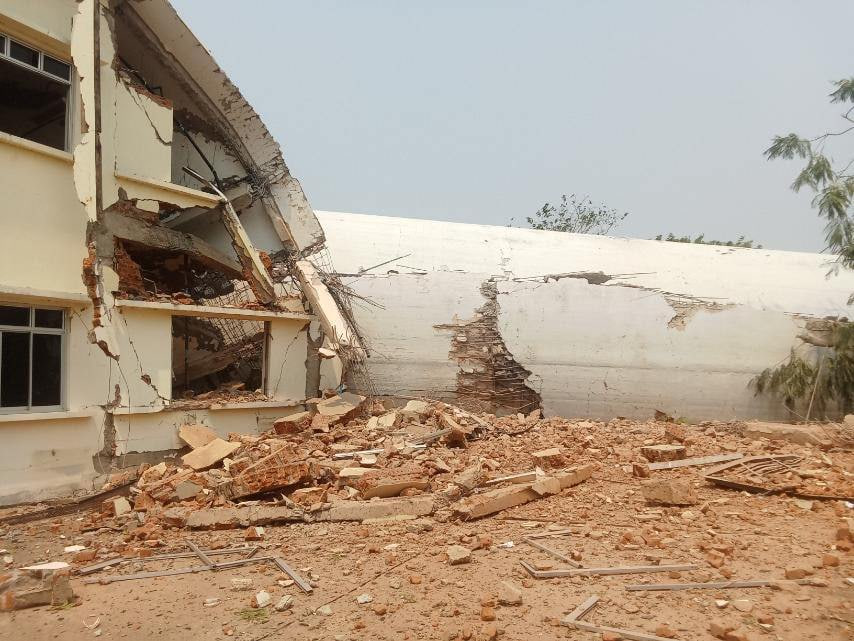
The air traffic control tower at Naypyidaw International Airport in Myanmar collapsed following the M7.7 earthquake, resulting in five fatalities. The runway and airport also sustained significant damage, disrupting operations.
My heartfelt sympathies to the people of Myanmar. The M7.7 quake near Mandalay on 3/28/25, along the Sagaing Fault, caused intense ground shaking (MMI IX), liquefaction, and landslides. As an engineer who worked on a bridge there, I stand with this nation in sorrow and solidarity
@manmmdrzam کار وحشتناک خودم: همکارهای ژاپنی رو دعوت کرده بودم خانهمون، یادم رفته بود که در سنت ژاپن تعارف دومین چای یعنی میهمانی تمام شده و بفرمایید بیرون! بعد نیمساعت چای دوم رو دادیم و همه ناگهانی خداحافظی کردند!
Dynamic analysis and seismic design of network tied-arch bridges pose unique challenges. With large arch ribs and diagonal hangers, these bridges efficiently support significant loads, including seismic forces.
This video is fascinating. The driver of a car in #Taiwan gets warning of an #earthquake and takes appropriate action, stopping in a rockfall shelter. And what a good job they did, as rockfalls inundated the road.
Early warning systems save lives, so long as you have a plan.
The seismic resilience exhibited by both the bridge and its components in the face of a substantial earthquake sets a benchmark in engineering practice.
The earthquake that occurred in Japan with a magnitude of 9.1 was on March 11, 2011. This devastating event, also known as the Great East Japan Earthquake or the 2011 Tohoku earthquake, caused widespread damage and triggered a massive tsunami that led to a nuclear disaster at the Fukushima Daiichi Nuclear Power Plant.
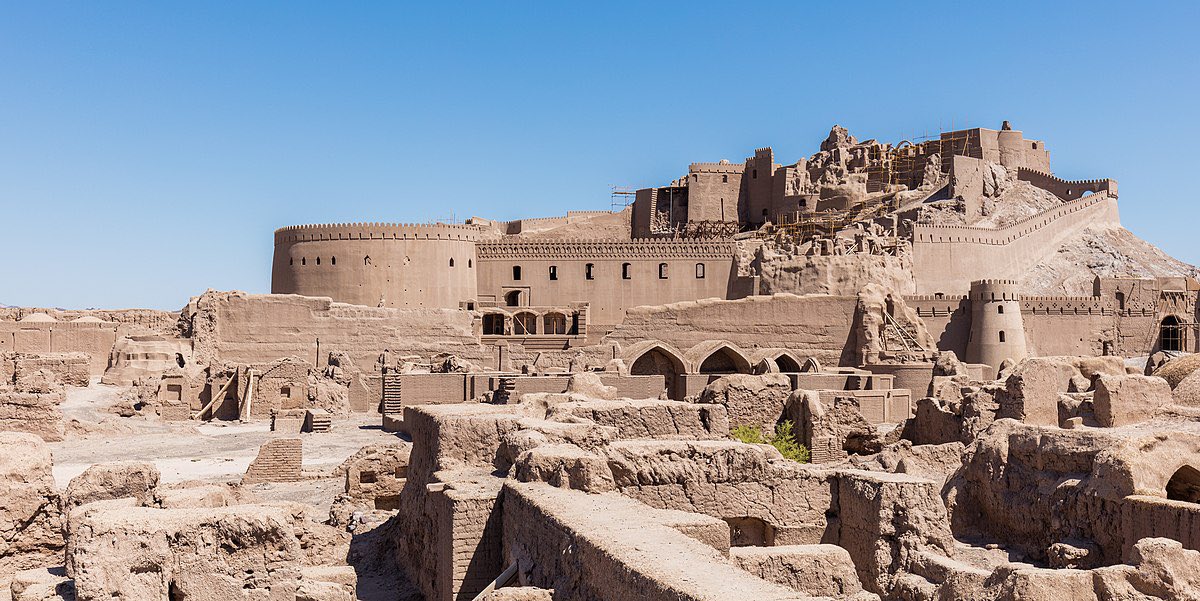
Among the structures significantly affected was the Bam Citadel, a UNESCO World Heritage site with roots dating back to at least the Achaemenid Empire (sixth to fourth centuries BC).
January 26 marks the remembrance of the Bam earthquake, 1/26/2003. Occurring at 5:26 am and impacting Kerman in southern Iran, this devastating earthquake, registering a moment magnitude of 6.6, resulted in the death toll of 34,000+.
Photo courtesy: Ata Taherkenareh
The impact of the earthquake was compounded by the prevalent use of mud brick as the primary construction material in this historic city.
CNN Coverage (Graphic content): https://t.co/vEeKUUwamg
Video courtesy: Brendan (@brendan6174)
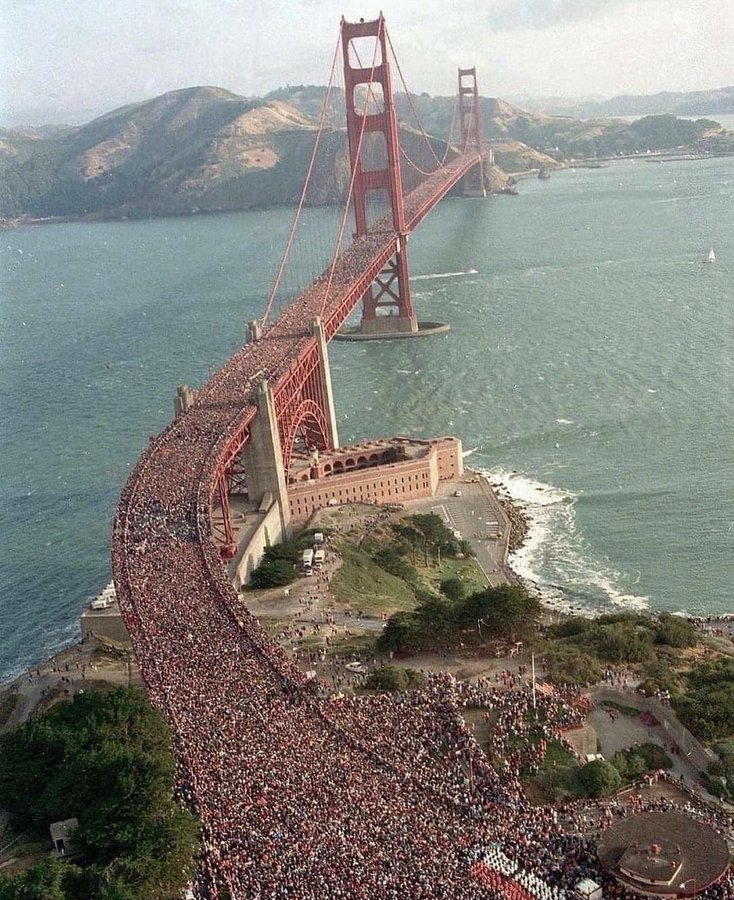
The 50th anniversary of the opening of the Golden Gate Bridge in 1987.
Initially, planners anticipated a gathering of around 80,000 people.
However, the turnout greatly exceeded expectations, with an estimated 800,000 individuals attending the event.
The burden of people walking caused the normally curved roadbed to flatten.
SF resident Winston Montgomery depicted the situation by writing, "The Golden Gate Bridge, bearing all its 419,000 tons, creaked and oscillated like a frail wooden slab over a chasm."
People who were scared and feeling seasick ended up being sick on their own shoes.
As per Montgomery's account, to alleviate the pressure on the bridge, individuals started tossing bicycles and strollers off the structure.