Journalist | Project Evaluation Manager | HR & PR Consultancy | Digital Marketing & Media Communication Consultancy | IT Consultancy | Personal Branding
Leo nimemkaribisha nchini Dada yangu, Rais wa Jamhuri ya Namibia, Mheshimiwa Dkt. Netumbo Nandi-Ndaitwah, aliyefika nchini kwa ziara ya kitaifa, ikiwa ni ziara yake ya pili baada ya ziara aliyofanya Mei 2025. Kwake, Tanzania ni nyumbani, kwani aliishi hapa mwaka 1980 hadi 1986, akishiriki harakati za kupigania uhuru wa Namibia.
Licha ya ukubwa wa historia yetu, ushirikiano wetu wa kiuchumi ni mdogo. Kwa msingi huo tumekubaliana kukuza ushirikiano katika maeneo ya kimkakati ikiwemo biashara na uwekezaji, uchumi wa buluu, usalama wa chakula, ulinzi, usafiri wa anga, pamoja na nishati, mafuta na gesi. Kwa kuanza, nchi zetu zimesaini hati nne za makubaliano ya ushirikiano, hivyo ninawasihi wafanyabiashara kutoka pande zote kuchangamkia fursa hizo.
Aidha, ninatoa rai kwa watendaji wa nchi zetu katika ngazi zote kuhakikisha yote tuliyokubaliana leo, na wakati wa ziara iliyopita, yanatekelezwa kwa wakati ili kuchagiza maendeleo ya nchi zetu na ustawi wa wananchi wote.
@kibiki001@SuluhuSamia From the perspective of development economics and international relations, President Samia’s visit to Russia reflects the growing importance of economic diplomacy as a strategic tool for national development in the twenty-first century.
Beyond Diplomacy: President Samia’s Russia Visit and Tanzania’s Quest for Economic Transformation
By Hamis Shimye
In an era characterized by globalization and intensifying economic competition, a nation’s prosperity is no longer determined solely by the abundance of its natural resources or the size of its geographical territory. Rather, it increasingly depends on its ability to establish and leverage strategic partnerships that promote trade, investment, technological advancement, and human capital development. Within this evolving global economic landscape, diplomacy has transcended its traditional political function and emerged as a critical instrument for advancing national development and economic transformation.
It is within this context that the June 2026 state visit by the President of the United Republic of Tanzania, Her Excellency Dr. Samia Suluhu Hassan, to the Russian Federation assumes particular significance. The visit forms part of Tanzania’s broader economic diplomacy agenda, which seeks to diversify international partnerships, attract foreign direct investment, expand export markets, and strengthen the country’s position within an increasingly interconnected global economy.
The visit took place at a time when the international economic order is undergoing profound transformation, driven by technological innovation, shifts in global value chains, evolving geopolitical dynamics, and the emergence of new centers of economic influence beyond traditional Western economies. In such an environment, countries that successfully harness strategic international partnerships are better positioned to secure sustainable growth, enhance competitiveness, and expand opportunities for their citizens.
Furthermore, the visit carries considerable historical and strategic importance. It represents one of the most significant engagements between Tanzania and Russia since the historic visit of Tanzania’s founding President, Mwalimu Julius Kambarage Nyerere, in 1969. As such, it should not be viewed merely as a diplomatic event of short-term significance, but rather as part of a broader effort to establish a renewed framework for economic, technological, educational, and commercial cooperation capable of generating long-term benefits for both nations.
Trade Expansion and Market Diversification
One of the most immediate opportunities arising from President Samia’s visit lies in the expansion of trade relations between Tanzania and Russia. While bilateral trade has grown steadily in recent years, it remains significantly below its potential when measured against the size of the Russian market and Tanzania’s export capacity.
For Tanzania, Russia presents a valuable market for agricultural commodities such as coffee, tea, cashew nuts, cotton, spices, horticultural products, and fisheries. Expanding access to this market would not only increase export earnings but also support rural incomes, agricultural productivity, and foreign exchange generation. In an increasingly uncertain global trading environment, diversifying export destinations has become a strategic necessity rather than a policy option.
Investment and Industrial Development
The visit also offers prospects for attracting new investment into key sectors of the Tanzanian economy, including energy, mining, manufacturing, infrastructure, and agro-processing. Russia possesses considerable expertise in industrial development, engineering, energy production, and mineral extraction, all of which align with Tanzania’s long-term development priorities.
Foreign direct investment plays a critical role in economic transformation because it brings more than capital. It facilitates technology transfer, enhances productivity, creates employment opportunities, strengthens local value chains, and contributes to the development of domestic industries. If effectively managed, expanded Tanzania–Russia investment cooperation
Recently, Secretary General of Tanzania's ruling party Chama Cha Mapinduzi (CCM) Asha-Rose Migiro visited China. In a discussion with CGTN on Global South development, she emphasized profound historical friendship and close cooperative relationship between CCM and the Communist Party of China (CPC), and shared her observations on China's modernization process, noting that China's successful experience offers valuable insights for African nations.
Full interview: https://t.co/EJpSNRtbfh
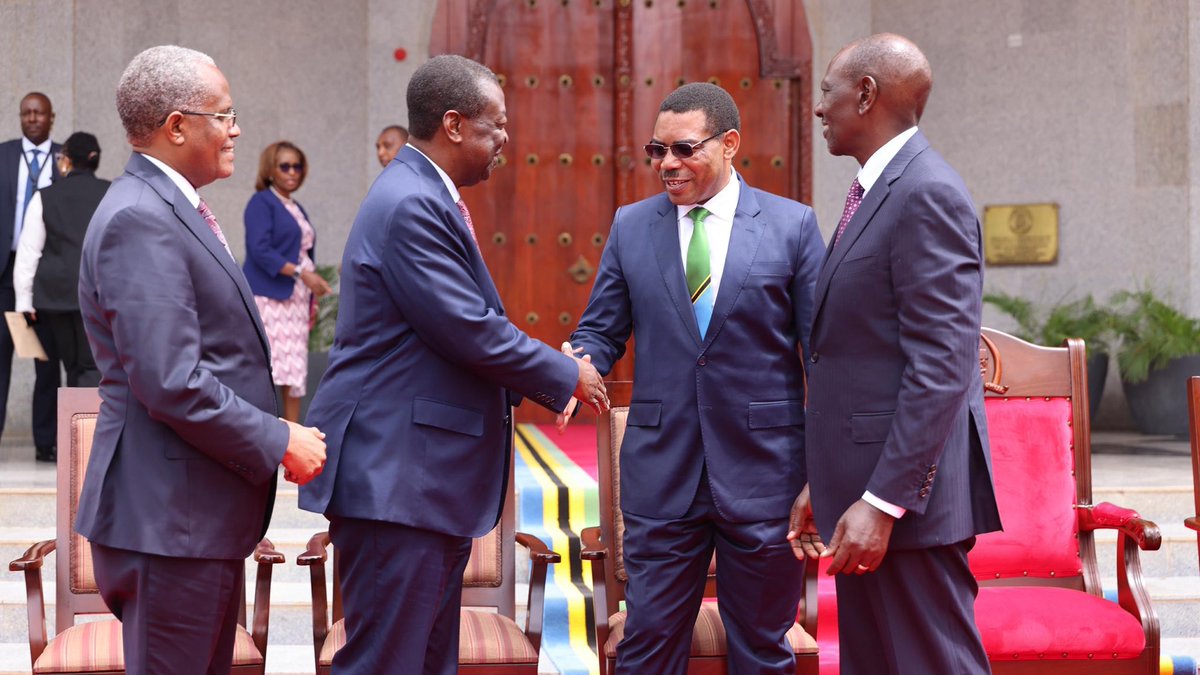
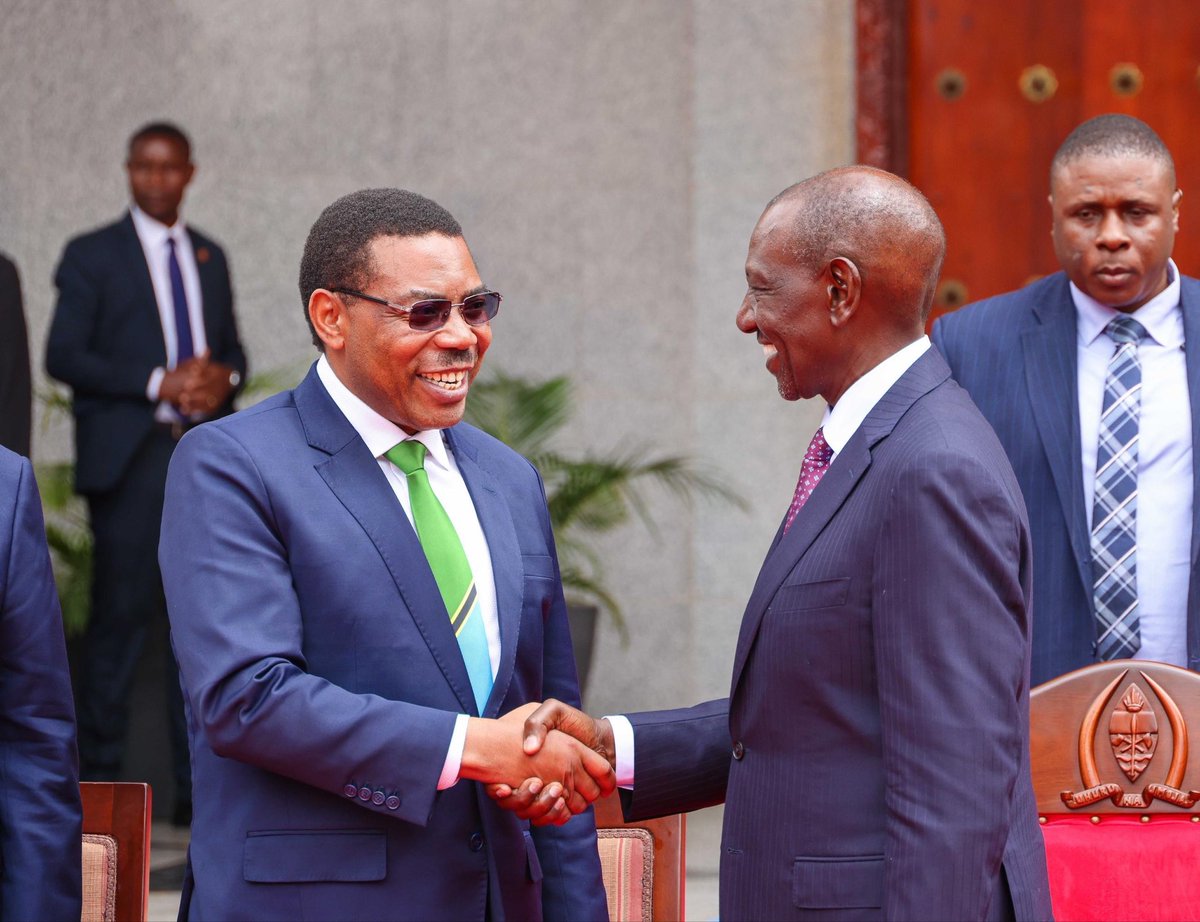
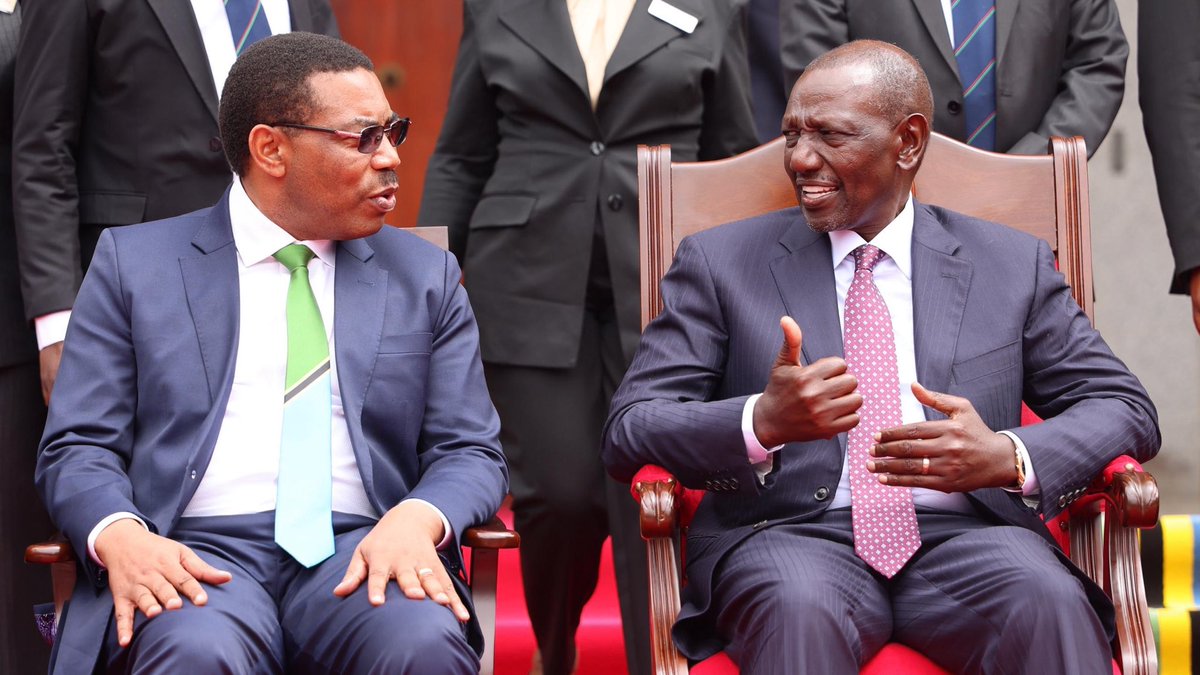
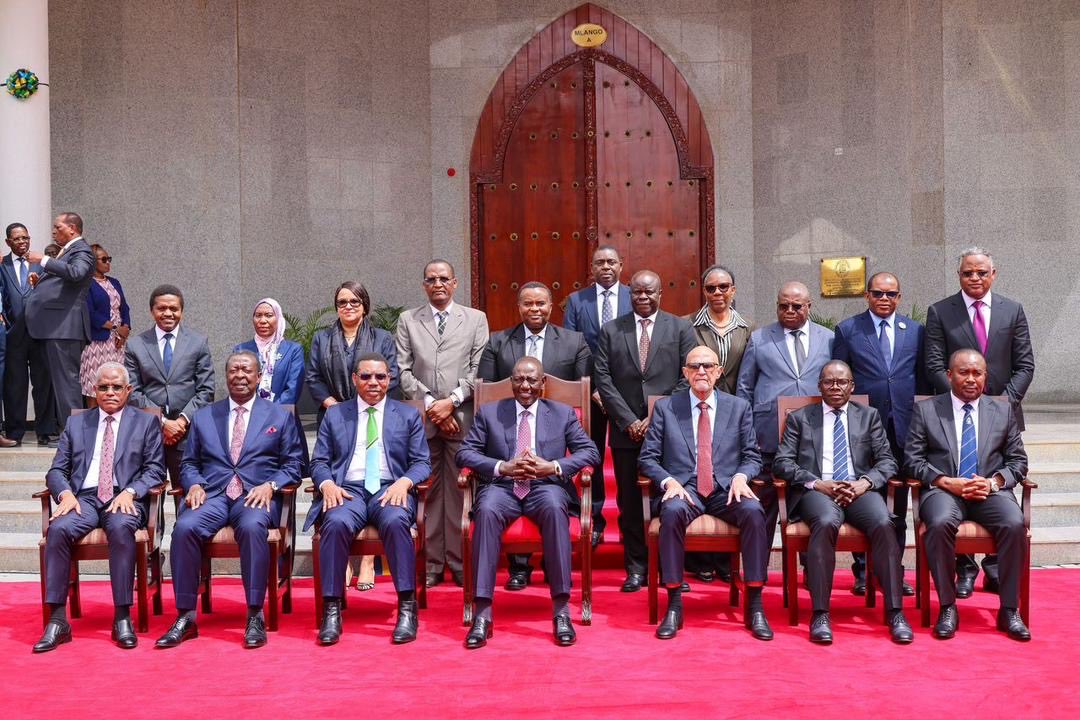
Umekuwa wakati wenye tija na manufaa makubwa kwa nchi zetu mbili wakati wa ziara yako nchini, Mheshimiwa Rais wa Jamhuri ya Kenya, Dkt. William Samoei Ruto.
Hotuba zenu Ikulu, Dar es Salaam, yako pamoja na ya Mheshimiwa Rais wa Jamhuri ya Muungano wa Tanzania, Dkt. Samia Suluhu Hassan, Mei 4, 2026, pamoja na mazungumzo yaliyofanyika katika Kituo cha Mikutano cha Kimataifa cha Julius Nyerere (JNICC), zimeonesha dhamira ya dhati ya kuimarisha ushirikiano wa kihistoria kati ya Tanzania na Kenya, sambamba na kuendeleza maono ya waasisi wetu, Hayati Mwalimu Julius Kambarage Nyerere na Hayati Mzee Jomo Kenyatta.
Aidha, hotuba yako mbele ya Bunge imeakisi kwa dhahiri msimamo wa uongozi unaoamini katika mshikamano wa bara la Afrika na umuhimu wa ushirikiano wa kikanda kama nguzo ya kujenga uchumi imara na kujitegemea.
Kama ilivyoelezwa na Mheshimiwa Rais, Dkt. Samia Suluhu Hassan, Serikali ya Jamhuri ya Muungano wa Tanzania inaendelea kuthamini na kuunga mkono juhudi hizi kwa lengo la kuimarisha uhusiano wa kindugu na kukuza ustawi wa wananchi wa nchi zetu mbili pamoja na ukanda mzima wa Afrika Mashariki.
Karibu sana, na karibu tena Tanzania, Mheshimiwa Rais Dkt. William Samoei Ruto.
#TajiriLakihaya
Jana tulikua tunakumbushana tu ili tuwe Sawa!
Sasa VIJANA Naomba tujadili issue kamili- najua wengi mnaogopa kujadili hii mada Kwa kuogopa matusi na hata usipate support yoyote… Ila lazima tulijadili hili Kwa maslahi mapana ya Sisi vijana na kizazi chetu cha kesho…
Kuzidi kufunguliwa kwa Betting Companies kila uchao na hata hii ya juzi ilioleta kelele humu si hatua ya maendeleo,
ni kengele ya hatari kwa kizazi chetu vijana.
Kamari haitujengei vijana uwezo, haitupi ujuzi, wala haitengenezi thamani kwenye uchumi.
Inauza ndoto ya ushindi wa haraka, lakini ukweli wake ni mzunguko wa hasara, madeni, utegemezi na kuvunjika kwa maisha.
Tunaambiwa ni ‘AJIRA’, lakini ni ajira ya aina gani inayotegemea watu wengi kupoteza pesa zao ili wachache wanufaike?
Huu si uchumi jumuishi,ni mfumo unaonufaisha kampuni huku ukiwaacha vijana wakizama kwenye hasara.
Na ndio maana kampuni za kamari kila siku zinaongezeka lakini vijana BADO tupo kwenye umasikini ule ule Miaka nenda Miaka Rudi💔
Athari zake zipo wazi; Madeni yanayokua kimya kimya,Msongo wa mawazo na hata uraibu wa kamari, Kupotea kwa muda na nguvu ambazo zingetumika kujenga maisha,Kupungua kwa tija kwa vijana waliopaswa kuwa nguvu kazi ya taifa nk.
Serikali haiwezi kusema inajali vijana huku ikiendeleza mazingira yanayowasukuma kwenye utegemezi wa BAHATI badala ya juhudi na ubunifu.
Hii si sera ya maendeleo, ni kuruhusu kizazi kipotee polepole.
Vijana tuamke. Hakuna ‘shortcut’ ya mafanikio kwenye kamari.
Waliopo juu ni wachache wanaotumika kama matangazo,lakini maelfu wako chini wakipoteza.
KAMARI sio ajira, ni mtego unaowalenga vijana moja kwa moja.
Tunauziwa ndoto za ushindi wa haraka, lakini uhalisia ni madeni, utegemezi, msongo wa mawazo na kupoteza kabisa mwelekeo wa maisha.
Serikali haiwezi kwa mkono mmoja kuzungumzia kuwawezesha vijana, halafu kwa mkono mwingine kufungua milango ya kamari inayowapumbaza na kuwavuta kwenye utegemezi wa bahati.
Hii si sera ya maendeleo,ni kulea utegemezi.
Vijana tuamke. Hakuna utajiri wa mkato kwenye kamari!
waliowanufaika ni wachache sana, na wengi wanabaki na hasara, maumivu na muda uliopotea.
Taifa haliwezi kujengwa kwa tiketi za bahati nasibu. Tunahitaji ajira halisi, elimu bora na fursa za uzalishaji,sio kamari.
Tunahitaji uwekezaji kwenye elimu ya vitendo, ujasiriamali, viwanda na teknolojia,not betting.
Taifa haliwezi kujengwa kwa kubeti,linajengwa kwa kuzalisha💯💯
Serikali ifikirie upya,hatuwezi kujenga taifa kwa kuwapa vijana ndoto za mkato zisizo na kesho💯💯
Serikali haipaswi kulea kizazi kwa bahati nasibu badala ya fursa halisi. Vijana tuamke,hii si njia ya mafanikio💯💯
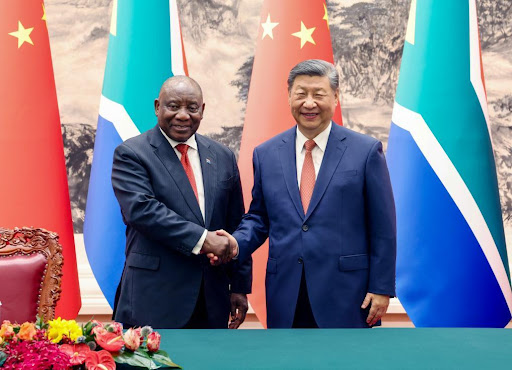
South Africa🇿🇦 becomes first African country to export goods to China🇨🇳 under zero-tariff policy
A new phase in China–Africa trade has begun, with the first shipment of South African apples entering China under a sweeping zero-tariff policy extended to African partners.
China has issued a guideline on Friday requiring to fully ensure #equal treatment for domestic and foreign-invested enterprises in government #procurement according to relevant laws. This was a follow-up to a September notice regarding the implementation of domestic product standards and related policies for government procurement, which was scheduled to enter into force from January 1, 2026. https://t.co/CSHzbEAcF8
The 3rd Beijing Parkour Open kicked off at the iconic Big Air Shougang on May 1. Around 200 domestic athletes gathered to show off their skills in thrilling events like downhill racing, parkour chases, and wall-climbing challenges. The day also featured major fitness competitions for all ages at the South Plaza. Photos: Chen Tao/GT
https://t.co/HyCIUnF17T
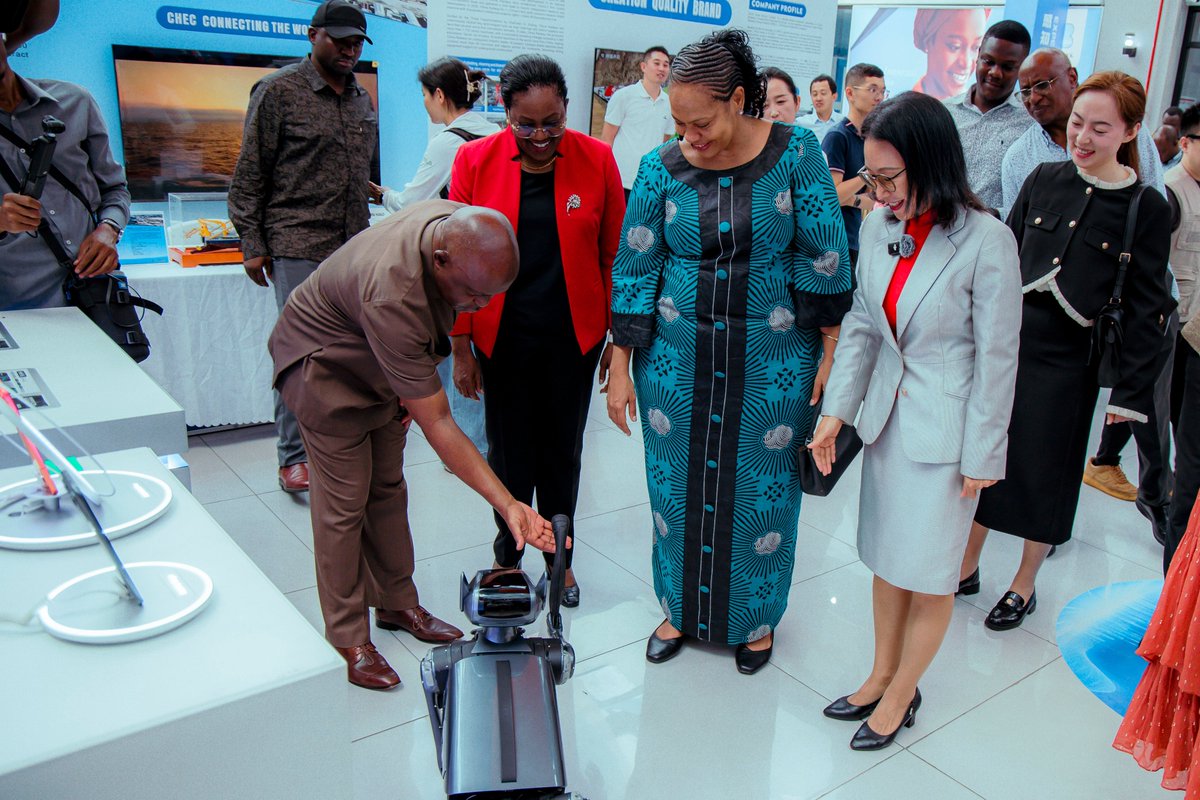
The Opening Ceremony of"Experience China" High-Tech Fair was held today, thank you Hon. Minister Angellah Jasmine Mbelwa Kairuki! We not only touched fascinating robots, but also experienced advanced technologies such as AI smart glasses, large agricultural drones,and household solar power systems. Look forward to more cooperation between China and Tanzania in scientific and technological innovation!
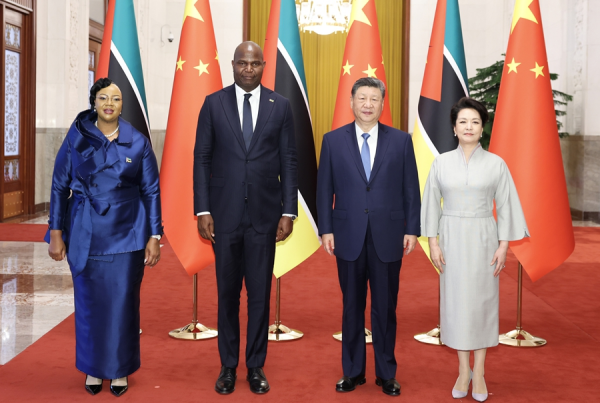
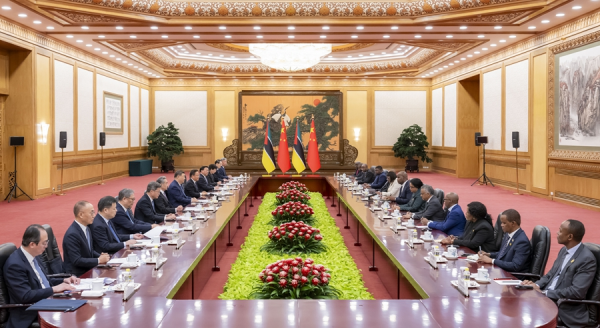
China and Africa, together with other Global South countries, represent a just force in this turbulent and transforming world. As the Middle East conflicts spill over into African countries, China is ready to work with Africa to navigate these challenging times, and jointly promote peace and seek common development. Chinese President H.E. Xi Jinping made the remarks during his talks with President of Mozambique Daniel Chapo in Beijing, calling on upholding principles to promote peace, keeping strategic focus on development and leading by example in mutually beneficial cooperation.
China inaadhimisha Siku yake ya 11 ya Anga za Juu tarehe 24 Aprili, ambayo pia inaashiria miaka 70 tangu kuanzishwa kwa programu ya anga za juu ya China. Miaka 56 iliyopita, China ilifanikiwa kurusha satelaiti yake ya kwanza iliyotengenezwa na binadamu, Dongfanghong-1, na hivyo kuanza safari yake ya uchunguzi wa anga za juu pamoja na kujenga roho ya utafiti wa anga ambayo imeendelezwa kizazi hadi kizazi.
"In general, this commission is based on three main pillars: justice, reconciliation, and reform. If its recommendations are properly implemented, they could serve as a catalyst for significant social and political change in Tanzania....
Quality, Uniqueness, and Lessons from Tanzania’s October 29 Commission
By Hamis Shimye
In an effort to establish truth, justice, and reconciliation following the events of October 29, United the republic of Tanzania appointed a special Commission of Inquiry. The Commission has attracted wide public attention due to its comprehensive recommendations and long-term reform proposals.
Quality of the Commission
First, the Commission demonstrates strong concern for the welfare of victims by recommending free medical treatment and psychological support. This shows that justice is understood not only in legal terms but also in human and social terms.
Second, the Commission adopts a broader approach by addressing the root causes of the problem rather than focusing only on the symptoms. Its proposals for constitutional reform, improvements to the electoral system, and strengthening relations between the police and the community reflect a commitment to building stronger and more sustainable institutions.
In addition, the emphasis on accountability through the establishment of a criminal investigation body reinforces the principle that no one is above the law.
Uniqueness of the Commission
What makes this Commission unique is its integration of traditional and modern governance systems. The proposal to establish a Council of Elders reflects African traditional wisdom, while the Reconciliation Commission and constitutional reforms represent modern governance approaches.
Furthermore, the proposal to achieve a new Constitution by 2028 is significant, as it provides both a clear vision and a specific timeframe for implementation—something that is not common in many commissions.
In addition, the establishment of a Youth Council recognizes the important role of young people in promoting peace, unity, and national development.
Conclusion
In general, this Commission is based on three main pillars: justice, reconciliation, and reform. If its recommendations are properly implemented, they could serve as a catalyst for significant social and political change in Tanzania.
However, successful implementation will require strong political commitment, public participation, and high levels of transparency in order to achieve the intended goals. Viva TANZANIA
Quality, Uniqueness, and Lessons from Tanzania’s October 29 Commission
By Hamis Shimye
In an effort to establish truth, justice, and reconciliation following the events of October 29, United the republic of Tanzania appointed a special Commission of Inquiry. The Commission has attracted wide public attention due to its comprehensive recommendations and long-term reform proposals.
Quality of the Commission
First, the Commission demonstrates strong concern for the welfare of victims by recommending free medical treatment and psychological support. This shows that justice is understood not only in legal terms but also in human and social terms.
Second, the Commission adopts a broader approach by addressing the root causes of the problem rather than focusing only on the symptoms. Its proposals for constitutional reform, improvements to the electoral system, and strengthening relations between the police and the community reflect a commitment to building stronger and more sustainable institutions.
In addition, the emphasis on accountability through the establishment of a criminal investigation body reinforces the principle that no one is above the law.
Uniqueness of the Commission
What makes this Commission unique is its integration of traditional and modern governance systems. The proposal to establish a Council of Elders reflects African traditional wisdom, while the Reconciliation Commission and constitutional reforms represent modern governance approaches.
Furthermore, the proposal to achieve a new Constitution by 2028 is significant, as it provides both a clear vision and a specific timeframe for implementation—something that is not common in many commissions.
In addition, the establishment of a Youth Council recognizes the important role of young people in promoting peace, unity, and national development.
Conclusion
In general, this Commission is based on three main pillars: justice, reconciliation, and reform. If its recommendations are properly implemented, they could serve as a catalyst for significant social and political change in Tanzania.
However, successful implementation will require strong political commitment, public participation, and high levels of transparency in order to achieve the intended goals. Viva TANZANIA
Today, Tanzania takes an important step in the right direction. The release of the Commission of Inquiry's report into the post-election violence is a significant moment, for accountability, for our democracy, and for our healing as a country.
#Tanzania#CommissionOfInquiry #Democracy #Accountability #GoodGovernance
China's GDP grew by 5 percent year-on-year, reaching about 33.42 trillion yuan ($4.9 trillion) in the first quarter of this year, getting off to a good start to the year, according to data released by China's National Bureau of Statistics (NBS) on Thursday.
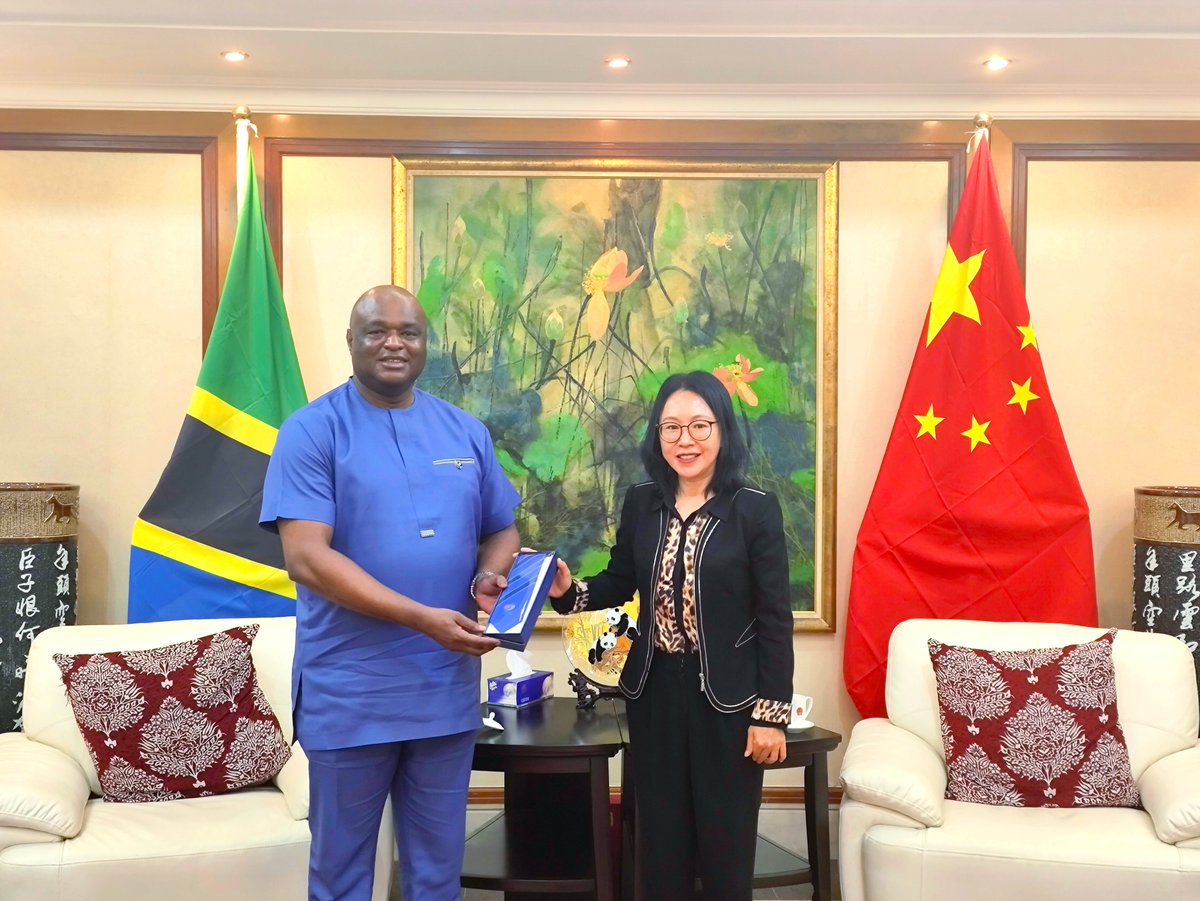
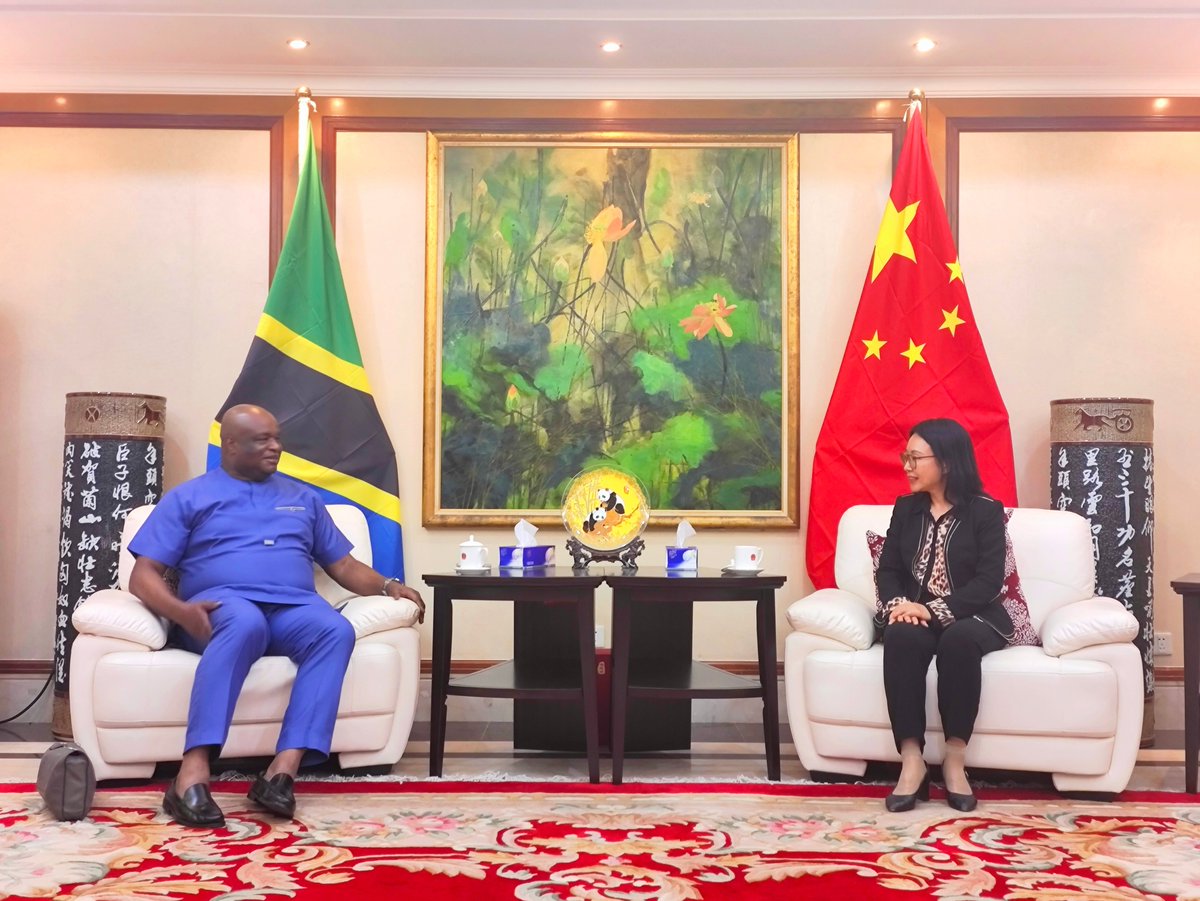
Congrats on your new posting to China, Amb. Dr. Suleiman Haji Suleiman. With our collective efforts, I believe China-Tanzania friendship will grow ever stronger. Wish you enjoy your stay in China!
PRESIDENT SAMIA AND THE POLITICS OF DEMOCRATIC INCLUSION
A statesmanlike gesture that reaffirms dialogue, reconciliation, and the maturity of Tanzania’s democratic culture
By Hamis Shimye
In every democracy, elections test political strength, but dialogue tests political maturity. Samia Suluhu Hassan’s decision to meet presidential candidates from opposition parties who participated in the 2025 General Election, at State House in Dar es Salaam on March 31, 2026, was therefore not merely a routine political engagement. It was a clear and deliberate signal that Tanzania’s democratic future must be built not only through electoral competition, but also through consultation, mutual respect, and inclusive national leadership.
At a time when many democracies across the world are increasingly defined by polarization and mistrust, such an engagement carries deeper meaning. By opening the doors of State House to opposition candidates, President Samia demonstrated that democratic leadership is not measured solely by constitutional authority, but also by the willingness to listen and engage differing political voices within a shared national framework. This was not a display of weakness; it was a demonstration of confidence in both the democratic process and the legitimacy of dialogue as a tool of governance.
The significance of the meeting lies not only in the event itself, but in what it symbolizes for Tanzania’s political trajectory. It reaffirmed a critical principle: political competition may end at the ballot box, but national responsibility must endure beyond it. In healthy democracies, opposition actors are not adversaries of the state, but essential stakeholders in the national conversation. By according them recognition and a platform for engagement, President Samia sent a powerful message that leadership can remain firm in authority while open in spirit.
Reports from the engagement indicate that opposition candidates were given the opportunity to present their views and concerns, while the President responded with clarity and civility. That exchange alone carries political weight. Democracy is not sustained by elections alone; it is sustained by the culture that surrounds power. Where leaders listen, tensions ease. Where institutions engage, suspicion declines. Where political actors are treated with dignity, public confidence is strengthened.
This meeting also reflects the broader philosophy that has come to define President Samia’s leadership—Reconciliation, Resilience, Reforms, and Rebuilding. These four pillars are not merely rhetorical; they increasingly shape the logic of her governance. In this context, engagement with opposition candidates forms part of a wider effort to lower political tensions, restore trust, and rebuild a more inclusive political order. It is in such moments that the 4Rs move from principle to practice.
Beyond symbolism, the meeting carries strategic importance for national stability. Tanzania, like many plural societies, requires more than legal order—it requires political trust. Trust between government and opposition, between institutions and citizens, cannot be declared into existence; it must be cultivated through visible acts of engagement and respect. This initiative contributes meaningfully to that process and reinforces the idea that the nation’s future should be shaped through dialogue rather than entrenched antagonism.
There is also a broader lesson in democratic leadership embedded in this moment. True confidence is not demonstrated by speaking only to supporters, but by creating space for dissent without perceiving it as a threat. It is reflected in composure rather than defensiveness, and in openness rather than exclusion. In that regard, President Samia’s conduct offers a compelling example of political civility and restraint—qualities essential to the growth of any mature democracy.