Some projects catch your attention because of the hype. Others make you curious about what they’re actually building.
@RialoHQ belongs to the second category.
With experienced builders behind it, strong backers like Pantera Capital and @cbventures , and a connection to @Cboe institutional market data, Rialo is working toward something bigger than another blockchain competing for attention.
What interests me most is the idea behind it: making blockchain useful beyond crypto itself, where real-world data, applications, and financial systems can work together naturally.
That’s the kind of ambition worth following. Not because success is guaranteed, but because the problem is real and the team has serious foundations to build on.
I’m staying close to this journey. @RialoHQ has my attention, and I’m curious to see what comes next. 🌱
What if your blockchain application didn’t have to keep asking whether something had changed?
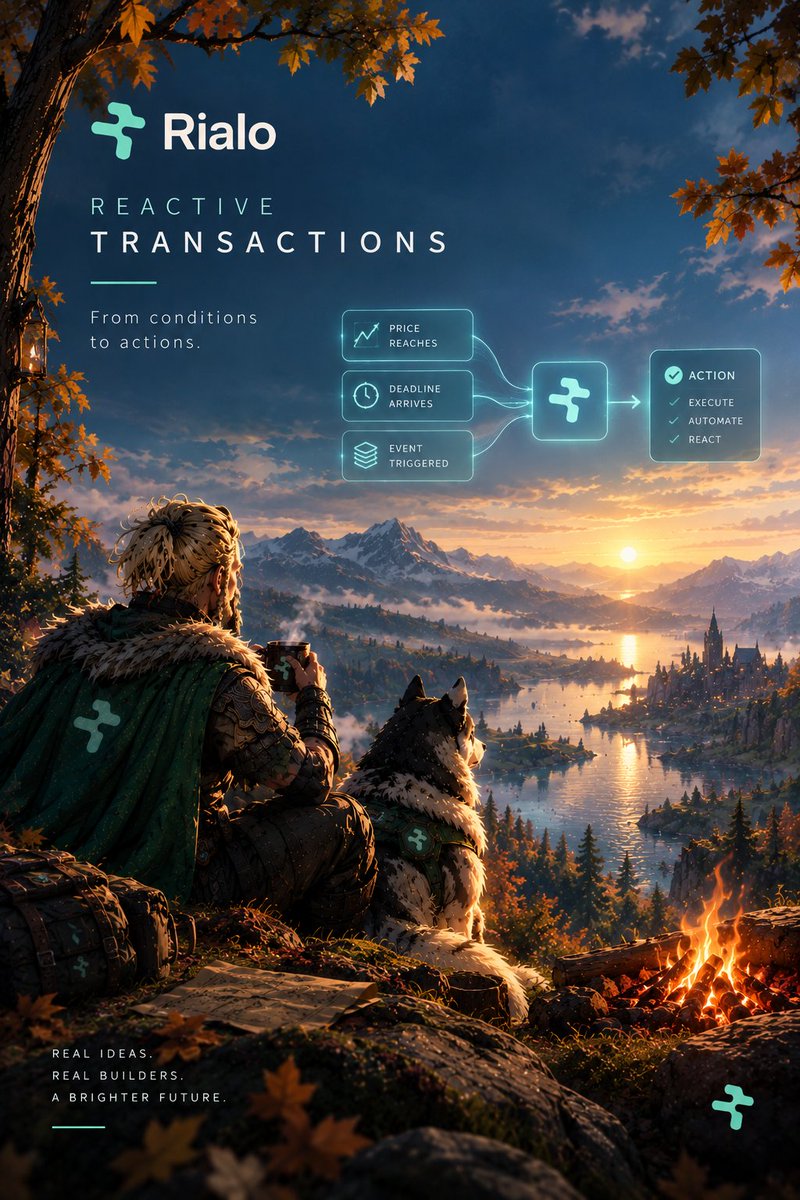
That’s the idea behind @RialoHQ Reactive Transactions.
In many existing setups, developers rely on bots, keepers, or scheduled jobs to monitor conditions and trigger transactions. These extra components add complexity, create more dependencies, and can become points of failure.
Rialo is exploring a different model: making conditional, event-driven execution part of the infrastructure itself.
Imagine a financial application that reacts when a price reaches a threshold, a deadline arrives, or a predefined condition is satisfied without needing a separate bot to keep checking and push every action forward.
The bigger idea isn’t just fewer moving parts. It’s giving developers a new way to design applications that respond to events as part of their native logic.
Less infrastructure to stitch together. More possibilities to build.
That’s what makes Rialo interesting to me. We’re not just asking what blockchains can execute, but how they can respond.
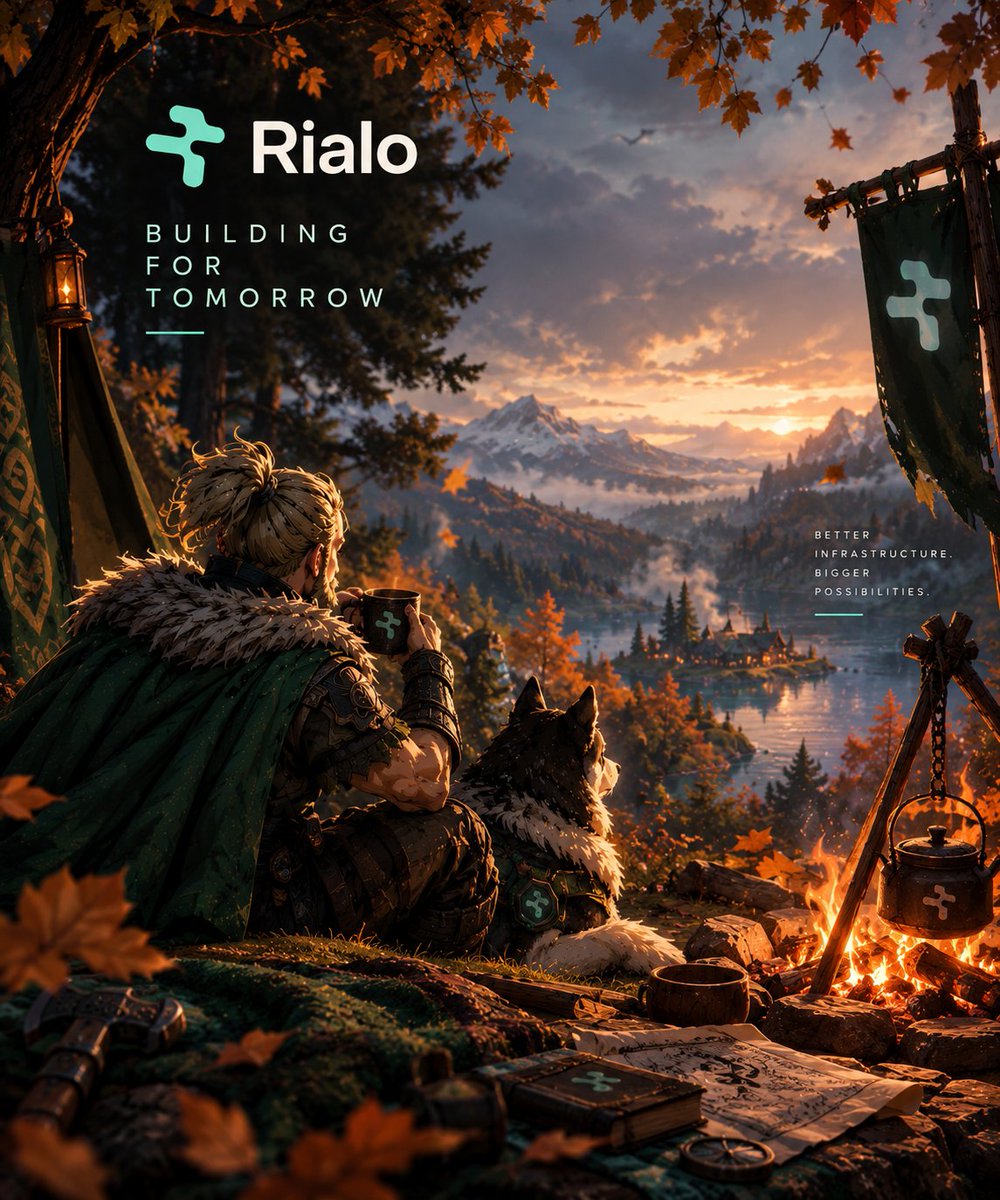
Building for Tomorrow. 🌱
Yesterday’s Builder Hub at @RialoHQ still happened.
Discord had technical issues and the session ended early, but the people who made it in still got to see a working prototype of an on-chain responsive asset management tool with clear safety boundaries and user-controlled rules.
The rest of the planned speakers move to next week.
Even a shorter session keeps the habit going: show the actual build, talk through the hard parts, get feedback from the room.
Happy Monday, @RialoHQ family 💚
A new week means another chance to learn something, share an idea, or take one small step toward something bigger.
That’s what I like about this journey with Rialo.
Real progress doesn’t always come with loud announcements. Sometimes it’s just people showing up, staying curious, and continuing to build.
Hope this week brings you good ideas, meaningful conversations, and a little progress you can be proud of.
Let’s keep building for tomorrow. 🌱
Building for Tomorrow with @RialoHQ 💚
The most important things are often built long before the world realizes how much it needs them.
I believe Web3 is still at that stage. We’ve seen plenty of hype, trends, and promises, but the next chapter will be shaped by the infrastructure that makes new ideas possible.
That’s what keeps me interested in @RialoHQ . It’s not just about building another blockchain. It’s about rethinking what developers should be able to create when the right foundation is in place.
There’s still a long road ahead, and nothing is guaranteed. But every meaningful future starts with people willing to build before the results are obvious.
That’s why I’m here. Not just to watch what comes next, but to be part of building it.
Building for tomorrow means being patient today
History has a way of making major technological changes look obvious after they happen.
When foundational infrastructure first appears, its full potential is rarely visible. The roads are built before the busiest routes emerge. The network comes before the services that make it indispensable. The tools arrive before someone finds a use for them that changes everything.
Blockchain is still going through its own process of discovery.
We don't yet know exactly which applications will define the next decade. We don't know how autonomous financial agents will develop, how much of traditional finance will move onchain, or which infrastructure models will prove most effective.
But we can look at the problems being addressed, the foundations being laid, and the people showing up to build.
That is what keeps me interested in @RialoHQ .
I see a project trying to rethink what blockchain infrastructure should provide, a growing collection of technical capabilities aimed at real-world applications, and a community that continues to experiment and contribute.
There is still a great deal to prove. I think that is worth acknowledging honestly.
Belief in a project shouldn't mean pretending its future is guaranteed. For me, it means seeing a direction worth supporting and being willing to follow the work as it develops.
And I believe Rialo is working toward something that could matter well beyond a single market cycle.
Sometimes, You Really Do Find Something Valuable in the Noise
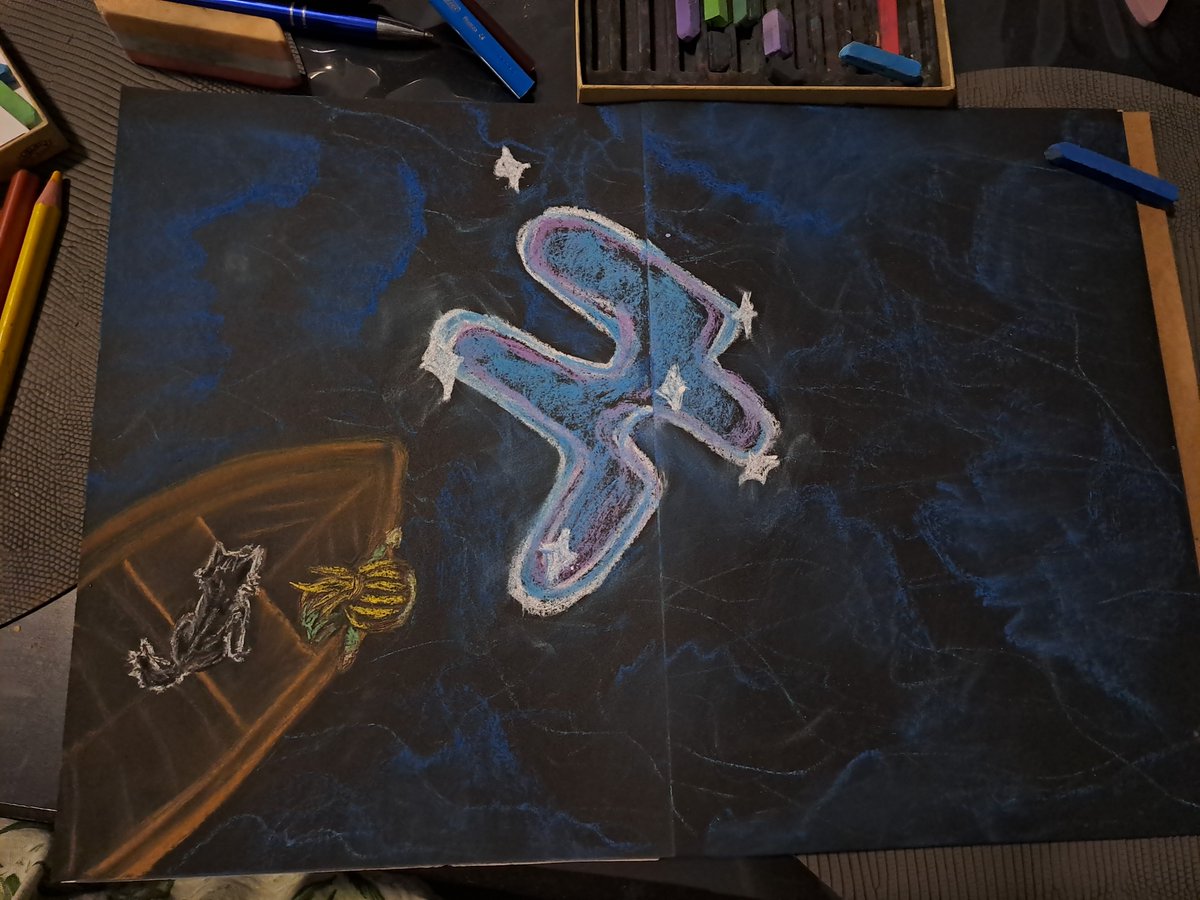
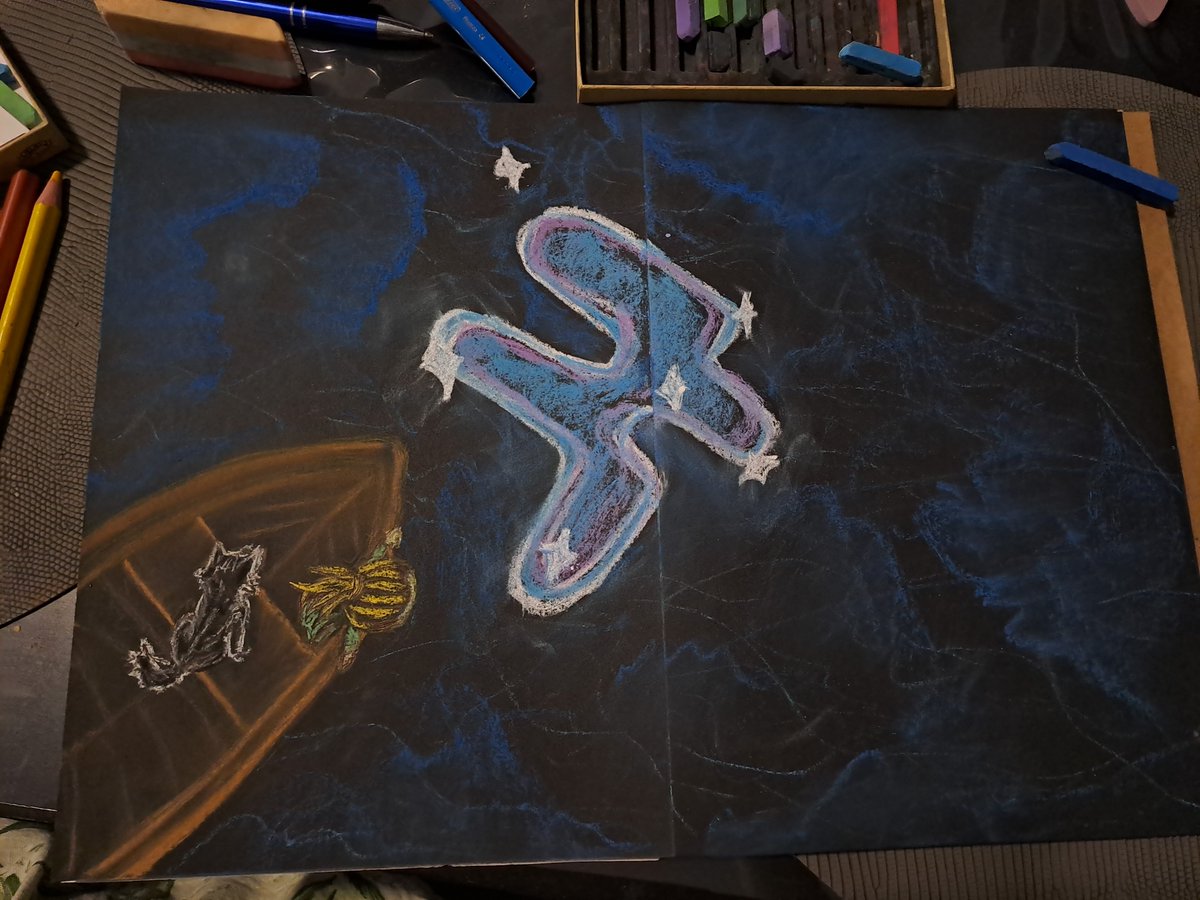
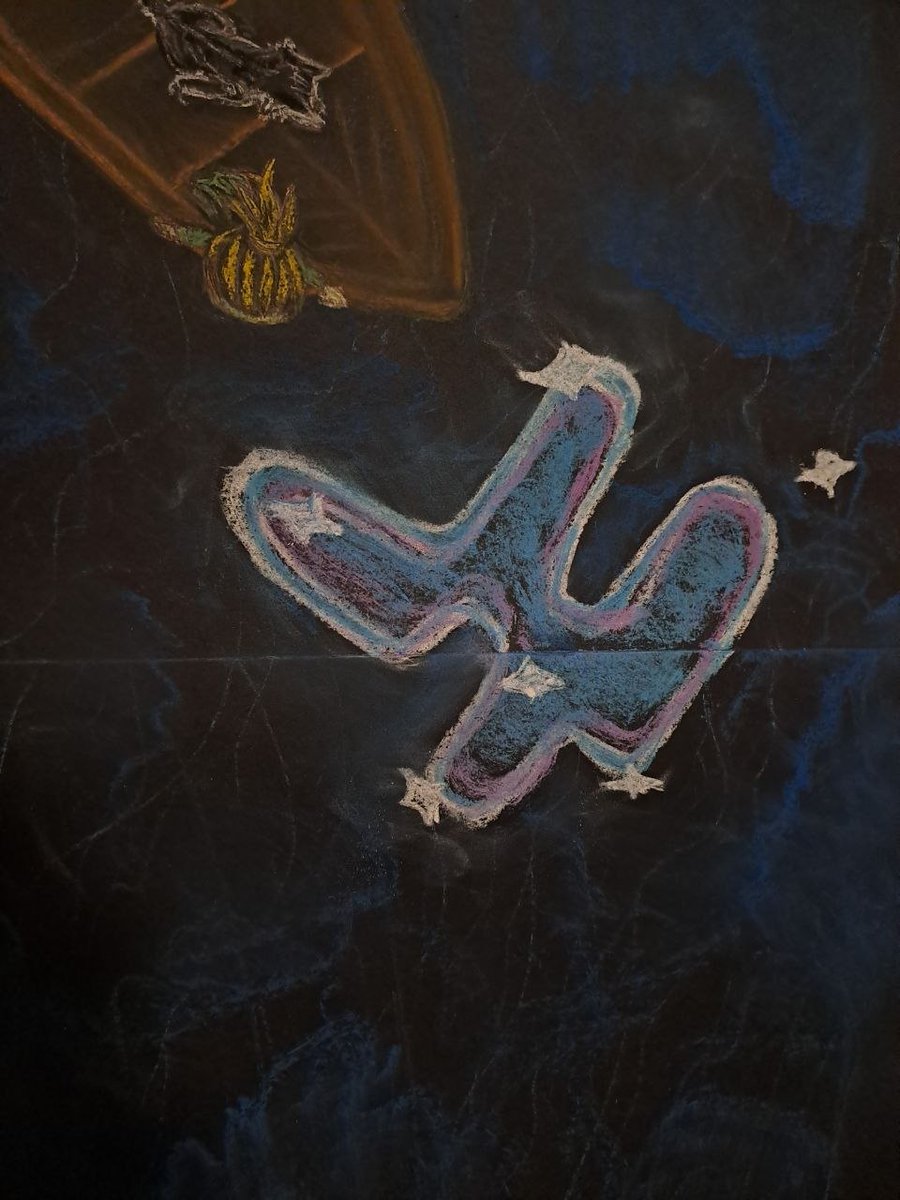
I recently drew a small scene.
My Viking and his dog are swimming through a dark ocean, and somewhere beneath the surface, they discover a pearl.
The longer I looked at the drawing, the more I liked the idea behind it.
Because sometimes, today’s Web3 feels a lot like that ocean.
There is always something happening.
New chains, new tokens, new narratives, new projects, new promises. Every week, something appears that everyone starts talking about, and not long after, the market’s attention moves somewhere else.
There is nothing necessarily wrong with that.
That’s how a young industry grows.
But with so much movement, it becomes harder to find projects that are actually building with the next few years in mind, rather than simply building for the next wave of attention.
And that is exactly why I keep looking at @RialoHQ.
Not because it is another new blockchain.
Quite the opposite.
I think the most interesting part of Rialo begins where the usual blockchain conversation ends.
Because the real question is no longer simply how many transactions a network can process or how many applications can be launched on it.
A much bigger question is:
What kind of infrastructure do we actually want to leave for the next generation of builders?
Over the past few years, Web3 has learned a lot.
We learned how to build permissionless systems, financial protocols, decentralized markets, new forms of ownership, and countless experiments.
But now we are entering a more difficult chapter.
We need to make all of this work with the real world.
Applications need to interact naturally with external data and systems.
Complex financial logic shouldn’t require developers to rebuild the same stack of separate solutions every time.
Autonomous agents need to be able to act independently while still operating inside an environment they can actually trust.
And the infrastructure itself needs to be strong enough for people to want to build something meaningful on top of it.
History has shown us moments like this before.
When railways appeared, their importance wasn’t simply that trains offered a new way to travel.
They changed the ability to connect cities, markets, and people.
When electrical infrastructure emerged, the biggest achievement wasn’t a single light bulb.
It changed the foundation on which entire industries could operate.
The internet also didn’t begin as the world we know today.
It started with infrastructure, protocols, and fairly simple ways of connecting computers.
Then, on top of that foundation, came things that would have been almost impossible to imagine at the beginning.
That is the perspective I like to use when I look at Rialo.
Not as a product that needs to appeal to everyone right now.
But as an attempt to build infrastructure that could remain useful far beyond a single market cycle.
And perhaps that is also why the community around the project matters so much to me.
Because strong infrastructure alone doesn’t guarantee anything.
You need people who come in, experiment, make mistakes, try again, and build something of their own on top of it.
That is something I really appreciate about the way Rialo has grown.
Builder Hub, Shark Tank, community experiments, new ideas, and the sheer number of people who continue to create.
It is gradually becoming more than an audience around a project.
It is becoming an environment.
And great technology often becomes truly powerful when a real environment starts growing around it.
I don’t know what the next year will look like for the market
I don’t know which projects will disappear, which narratives will take over, or where Web3 will ultimately go.
But I do know where I want to keep being.
I’m staying with #Rialo.
And I genuinely believe 2026 could be Rialo’s year.
Not because I’m trying to predict the next hype cycle
But because I like what exists underneath it.
Some projects appear every cycle.
Some projects look great in the moment.
And then there are the rare ones you want to follow for years because you can feel that the people behind them are not building simply for the sake of building.
They are trying to solve something real.
For me, @RialoHQ is one of those projects.
I don’t know how big this pearl will become.
But I know that in the enormous ocean of Web3, I’ve already found something worth holding onto.
And that’s why I’m still swimming forward with it.
Because projects like Rialo, in my opinion, don’t appear every year.
Maybe not even every generation.
Sometimes, truly good infrastructure takes years to build.
And then, one day, the world starts to understand just how important the foundation was that someone had been quietly building all along.
I’m staying with @RialoHQ.
2026 and the years ahead I have a feeling we’re going to remember them. 💚