Please share: Open PhD position
We are hiring a PhD student to work on the biocatalytic depolymerization of new biopolymers. The PhD candidate will be supervised by Lars Jeuken at the Leiden Institute of Chemistry, with myself as co-supervisor.
https://t.co/SXxEY4ifPs
Congratulations to Daniel Rozen (@derozenleiden) on starting his position today as Professor of Microbial Evolution at Institute of Biology Leiden @LeidenBiology@LeidenScience@UniLeidenNews, an exciting milestone and well-deserved recognition.
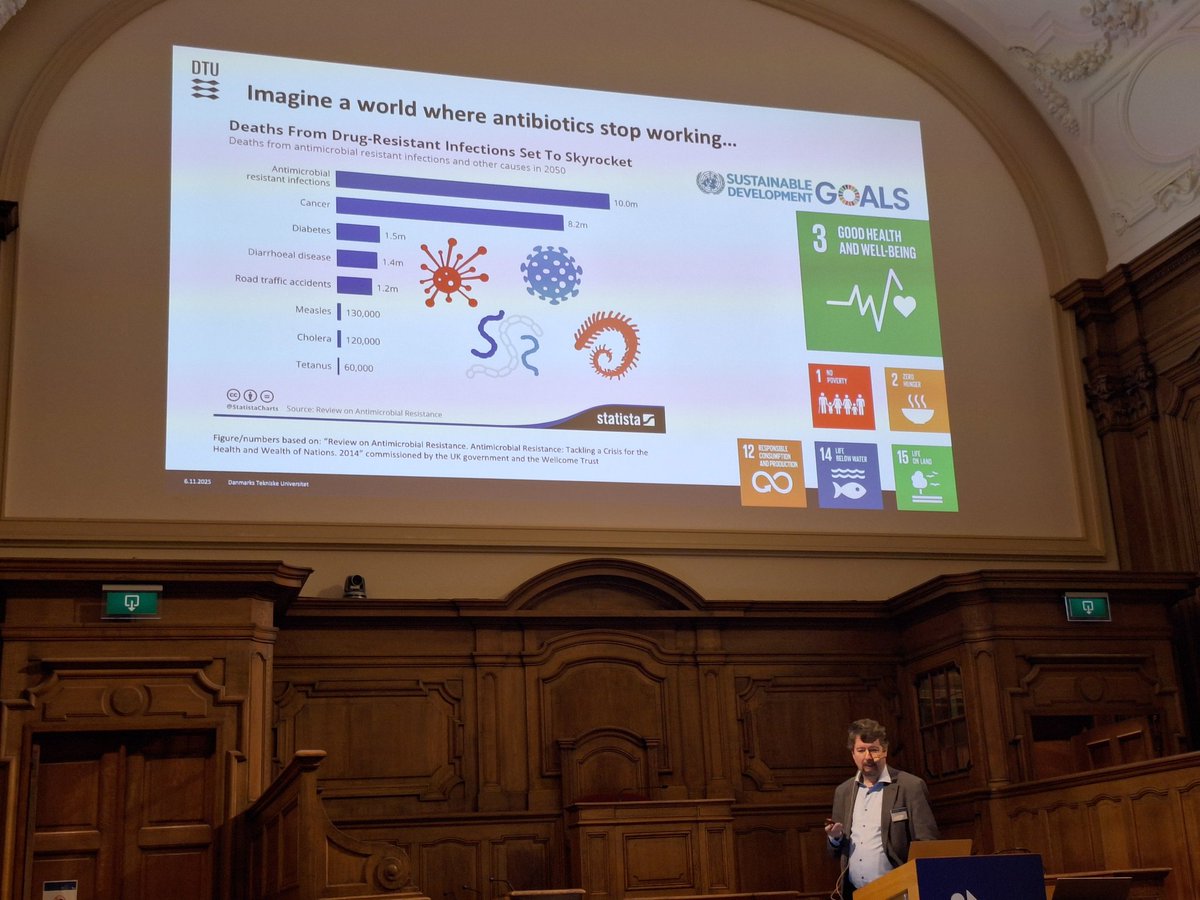
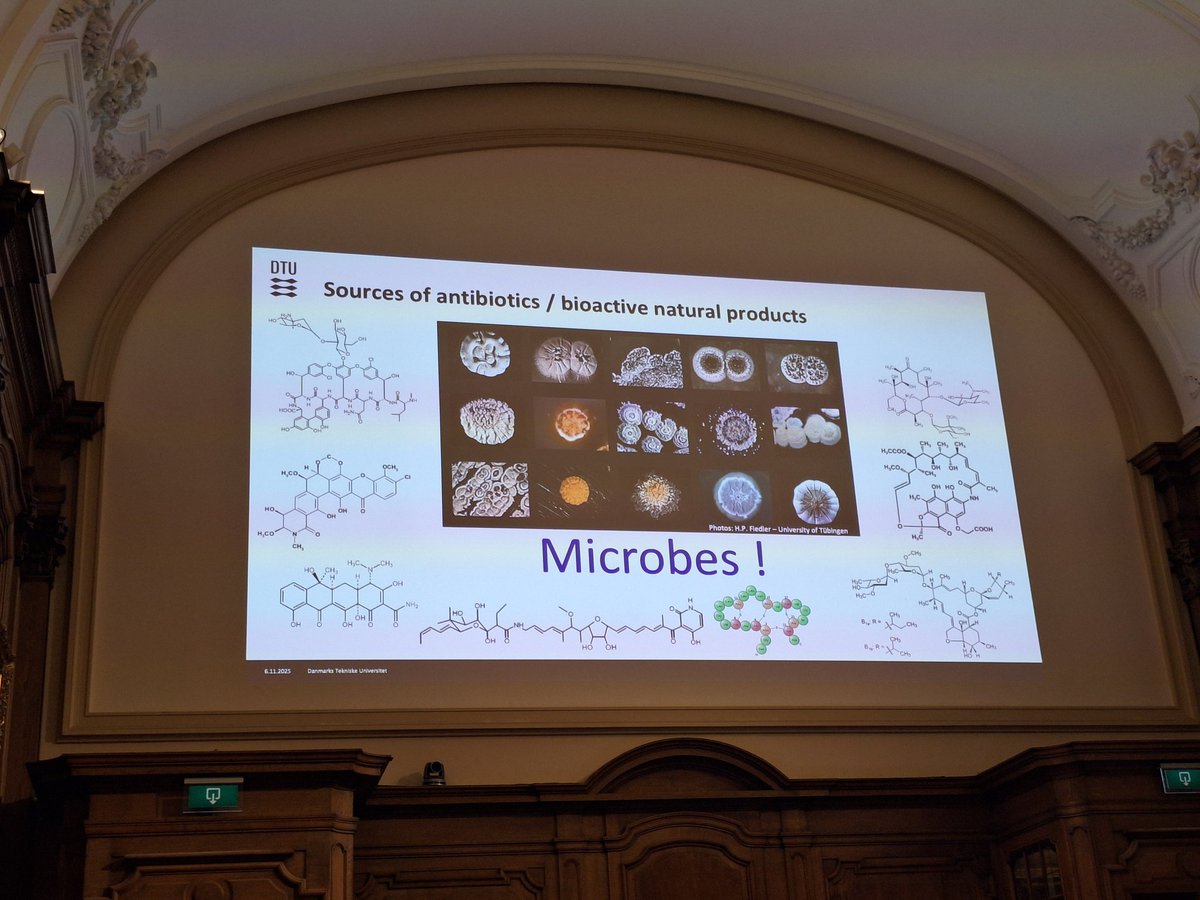
Highly interesting and enthusiasmic contribution by Tilman Weber @VIBTrainConf#Microbes25 on latest developments in innovative computational discovery, molecular characterisation and harnessing of novel #antibiotics of bacterial origin #AMR
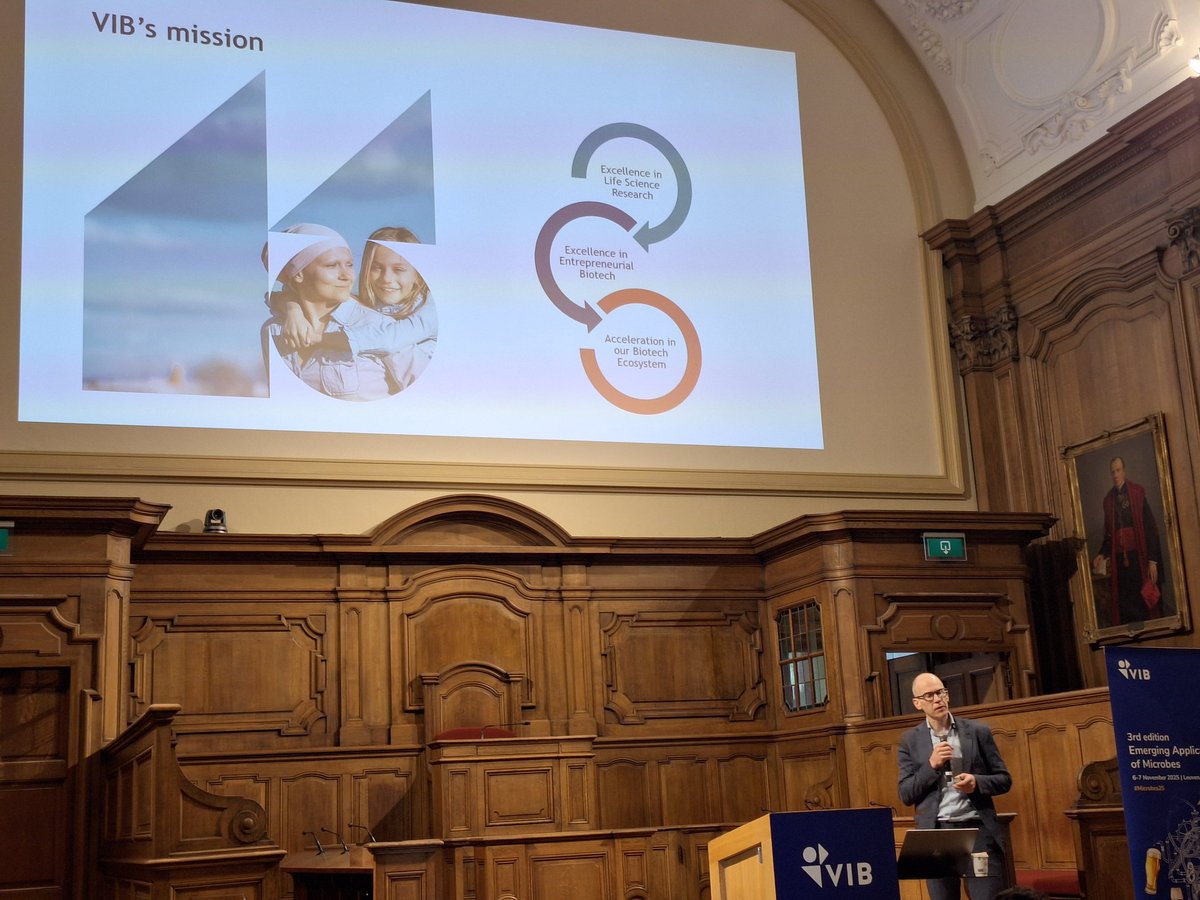
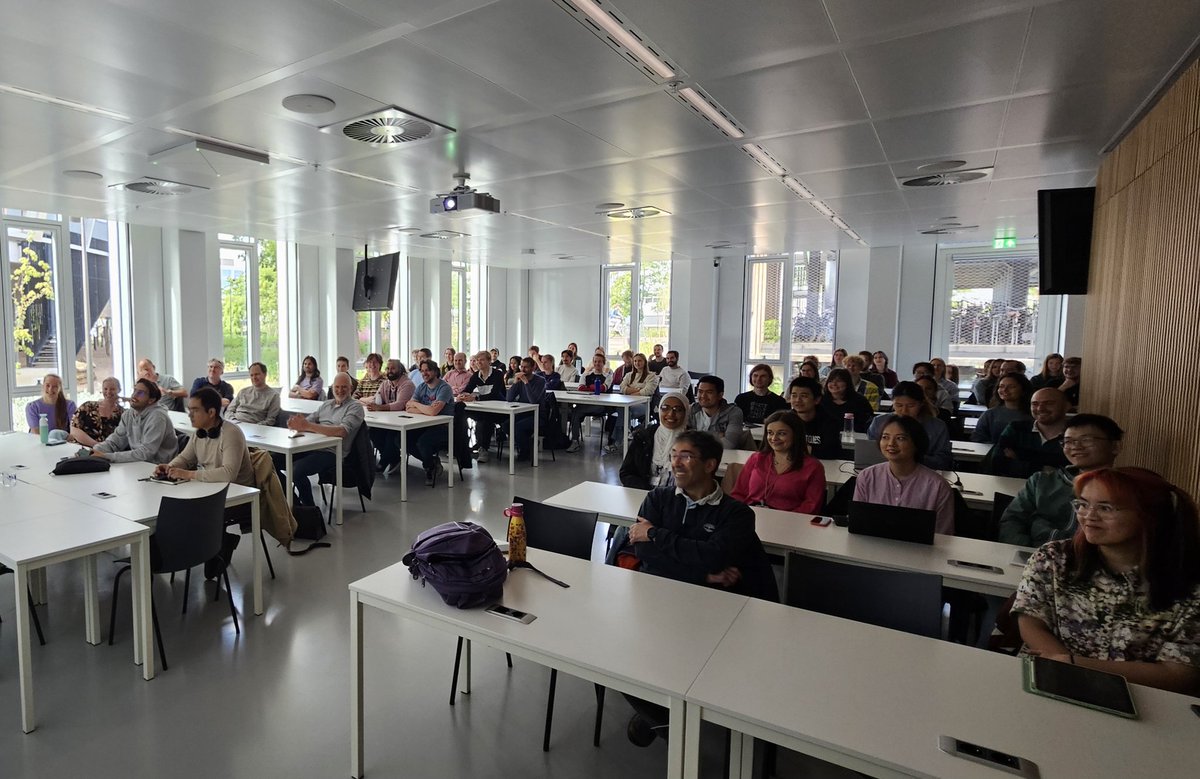
Kick off of @vibtrainconf#Microbes25 by Kevin Verstrepen @verstrepenlab Looking forward to another exciting edition of innovative microbe research, and meeting up with friends and colleagues
There is a yellow worm, called Paralvinella hessleri, that lives near hydrothermal vents in the deep ocean.
Its body weight is about 1% arsenic by mass; a ridiculous concentration. But instead of killing the worm, the worm “neutralizes” it and turns it into a yellow pigment.
Inside the worm’s epithelial cells, arsenic is shuttled into vacuoles by protein transporters. At the same time, hydrogen sulfide (also abundant near hydrothermal vents) diffuses into the cells and binds to intracellular hemoglobin proteins, which carry it into the vacuoles.
There, in the vacuoles, these two toxins react to form orpiment (As₂S₃), a bright, yellow mineral. The orpiment molecules form huge crystals; about 0.8–1.3 μm in diameter, or the size of an E. coli cell.
Orpiment was used to make yellow paint during the Middle Ages and Renaissance. The Italian painter Cennino Cennini, in Florence, wrote about grinding up orpiment to make his yellow paints -- which was super toxic!
When I first read through this paper, I wondered why the worms are bringing in arsenic in the first place. Why not just exclude it from entering into cells? Well, it seems like arsenic sneaks into cells through phosphate transporters, because they look similar, and evolution hasn’t found a way to exclude one but not the other. This also happens in plants, and it's known as "adventitious uptake." Poison sneaks into the organism through a protein that is required for survival! Organisms need phosphate to build DNA, make energy molecules, and so on.
Finally, the authors did a proteomics experiment to figure out which proteins are expressed in these worms. They found 2,379 different proteins in the yellow granules, including a membrane protein that is evolutionarily similar to the Multidrug Resistant-associated Proteins found in microbes. (Microbes use those proteins to pump out antibiotics, for example.) It seems the worms adapted this protein to sit on each vacuoles' membrane and pump arsenic into them. They basically evolved a way to neutralize a poison with a poison.
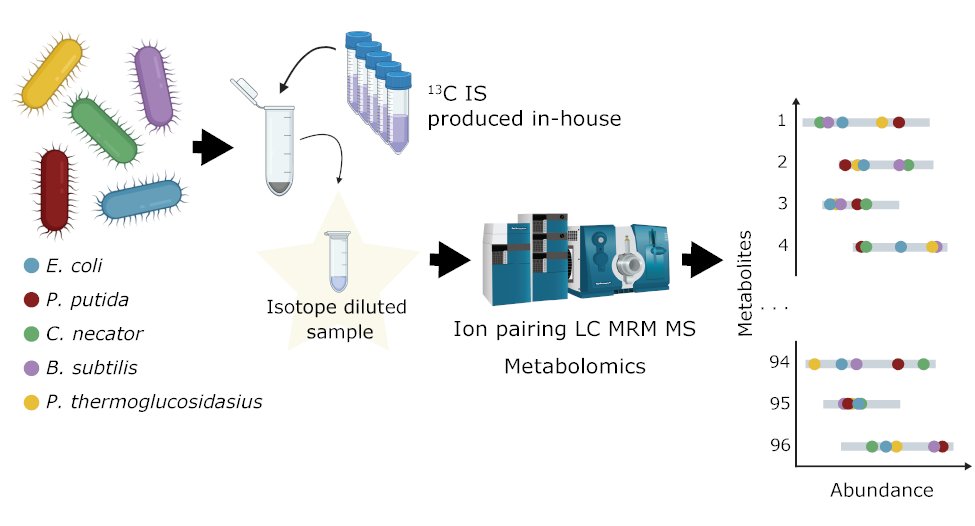
1/ 🚨 New preprint! We've developed a robust IDMS-based LC-MS/MS workflow for high-throughput intracellular metabolomics in diverse bacteria. https://t.co/PxBRrUN1ag
#Metabolomics#MassSpec#SystemsBiology
🇫🇷 #TDF2025
Yesterday, just before the summit of the Tourmalet, Julian Alaphilippe grabbed a cardboard sign from a fan. He tucked it under his jersey to keep warm on the descent. Later, he apologized to the woman. The sign read: “Wout doesn’t know it yet, but we’re getting married!”
Today, the woman was a guest in the paddock, warmly welcomed by both Julian and Wout. This is what cycling is all about! 🤗
Check out this @NatureComms publication and thread 👇 interesting and grand piece of work, largely carried out by @minrui_Ren in the lab of @LennartSchada. Thanks for this nice and inspiring collaboration 🤗 !
Ethylene glycol is widely used as monomer of the plastic PET. It is therefore very relevant as sustainable feedstock for microbial biotechnology. In our new paper in @NatureComms, we characterize efficient enzymes for ethylene glycol oxidation: https://t.co/eAfLt0YdMm
mooi verhaal in de Mare van en over de zojuist overleden criminoloog Wouter Buikhuisen en de rol van @CarelStolker bij zijn eerherstel @UniLeiden.
https://t.co/EwaTEpsynP