@milkywaysoprano@After__History Depending on the legal code. I’d argue there are very real consequences depending on where you do it — but in a broader sense, no one will ever put the USSR on trial, so I think our disagreement is moot
@milkywaysoprano@After__History But I think the particulars of sentencing is getting too into the weeds and is to nation- or state-specific.
In every day language I think you could argue that culpability doesn’t exist without intention; but I don’t think you can argue that’s de jure true for legal codes
@milkywaysoprano@After__History You’re correct that it depends, but that goes the other way, too. Where I live you could be sentenced for 2-4 years for involuntary manslaughter or up to 11 years for voluntary manslaughter.
@milkywaysoprano@After__History Earlier you gave the example of “no intent = no culpability, therefore manslaughter.”
I agree with you that legal codes generally accept multiple levels of culpability. I’m just noting that, if we use legal codes as a bar here, you can be found culpable without intention.
@milkywaysoprano@After__History Irrespective of the particular punishment, every criminal legal code can find someone culpable for a crime without intention, such as manslaughter. How they decide punishment is downstream of legal precedent and legislative action — a different topic altogether.
Out today: Jake Zawlacki comes on the podcast to talk about his translation of Akhmet Baitursynov's Mosquito.
Originally published in 1911, Baitursynov's poetry collection contains his desires and fears for the Kazakh people, polemic verses, and hopes for a yet-to-exist state.
My coworker who gives me feedback on these is trying to get me to do them in Adobe Illustrator. I might learn the whole suite kicking and screaming this way
Around the turn of the 20th century, Akhmet Baitursynov was a poet of a state yet to come.
His work teaching, reforming the Kazakh alphabet, and developing the language's grammar would eventually earn him the title "Teacher of the Nation."
"Just think of it, all these women, the mothers, wives and sisters of saboteurs, terrorists and spies! And the men, the husband or brother of one . . . They all looked perfectly ordinary, like those on a streetcar or a store. Except they all looked tired and baggy-eyed."
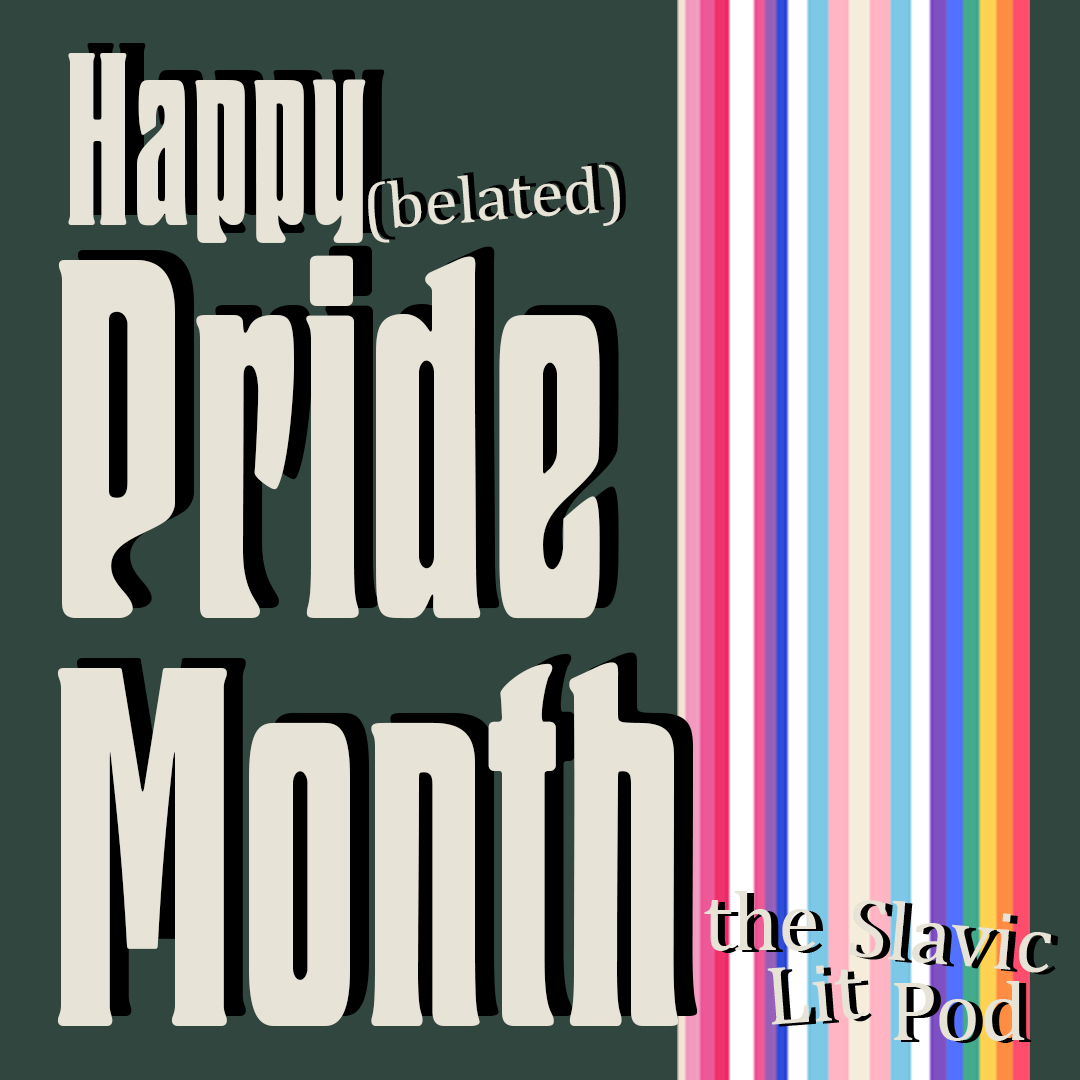
(Ah, a Pride Month post in July…now there’s the Slavic Literature Pod’s trademark speediness)
Pride Month is over; celebrating Pride is not.
I have some further thoughts, but I don't want to subject you to 6 Tweets. Check out https://t.co/yyhbm015ki to read them.
Out today on For Your Consideration: I have some thoughts about John Williams' Butcher's Crossing.
To take a line from Wallace Stegner: "Why...should Western books so often strike us as dealing with a past which has no present?
(cont.)
We're kicking off a double feature about Sasha Sokolov, starting with his first novel, A School for Fools.
Dr. José Vergara returns to help break down the nonlinear stories of student so-and-so as he tries to explain his school, his love interest and his small town.
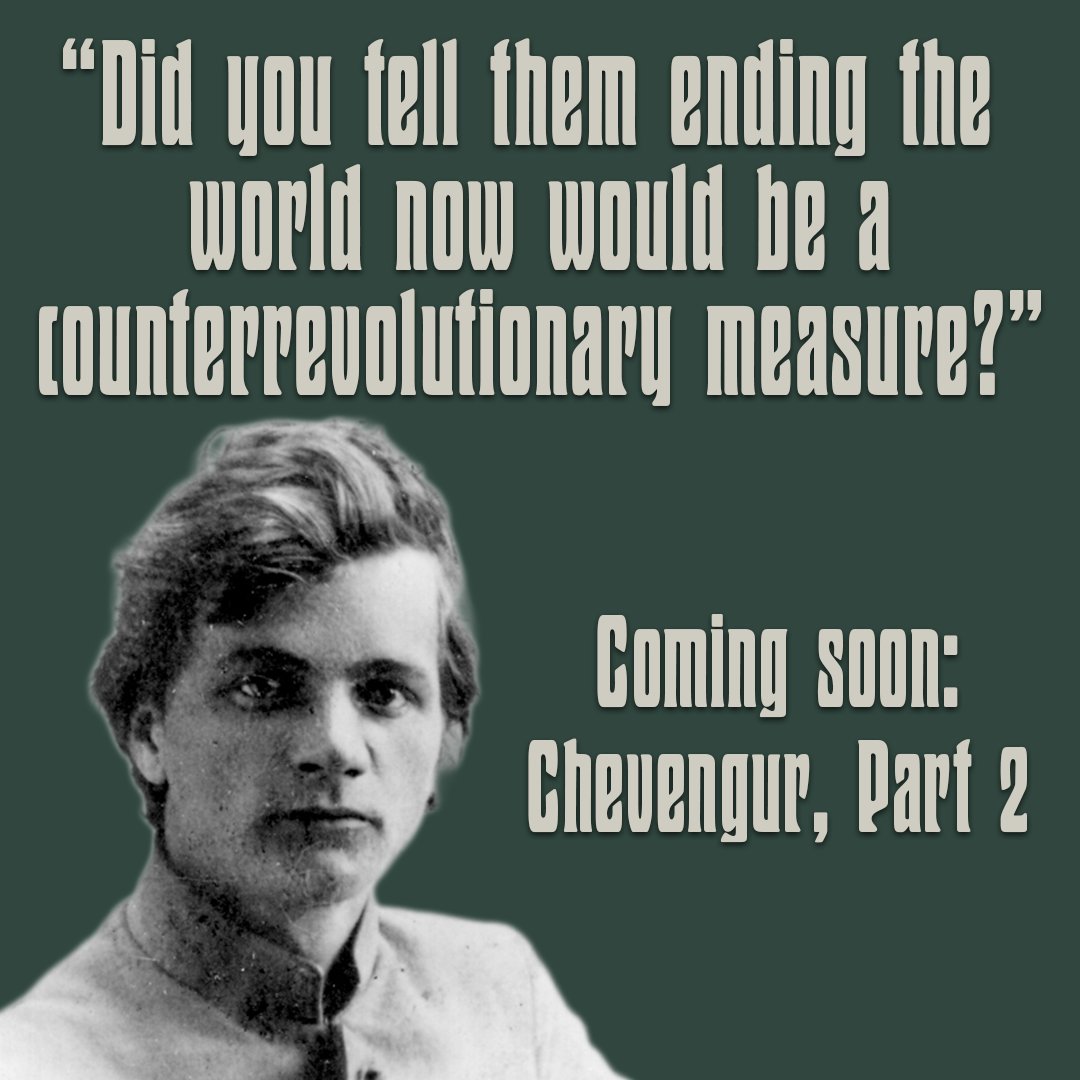
It's been a long time coming...part two of Andrei Platonov's Chevengur, covering chapters 25-43, is out today!
As we finally arrive in the town of Chevengur, nearly 250 pages in, we go from picaresque romp to the dirty work of actually building the Soviet state.
Chevengur, part 2, coming soon to a theater near you...
When I was editing this episode, I realize it felt a little half-baked and didn't want to do Andrei Platonov that disservice. We're going to take another crack at it and bring you something better next Friday.
It's finally here...and it's a real big fish. Oleksandr Dovzhenko's "Zvenihora" (1928) is an ambitious silent film masterpiece, spanning a thousand years of Ukrainian history from Varangian Invasion to new Soviet reality.
It's finally here...and it's a real big fish. Oleksandr Dovzhenko's "Zvenihora" (1928) is an ambitious silent film masterpiece, spanning a thousand years of Ukrainian history from Varangian Invasion to new Soviet reality.
The next episode on Dovzhenko's "Zvenyhora" is coming! Working my way through a research rabbithole.
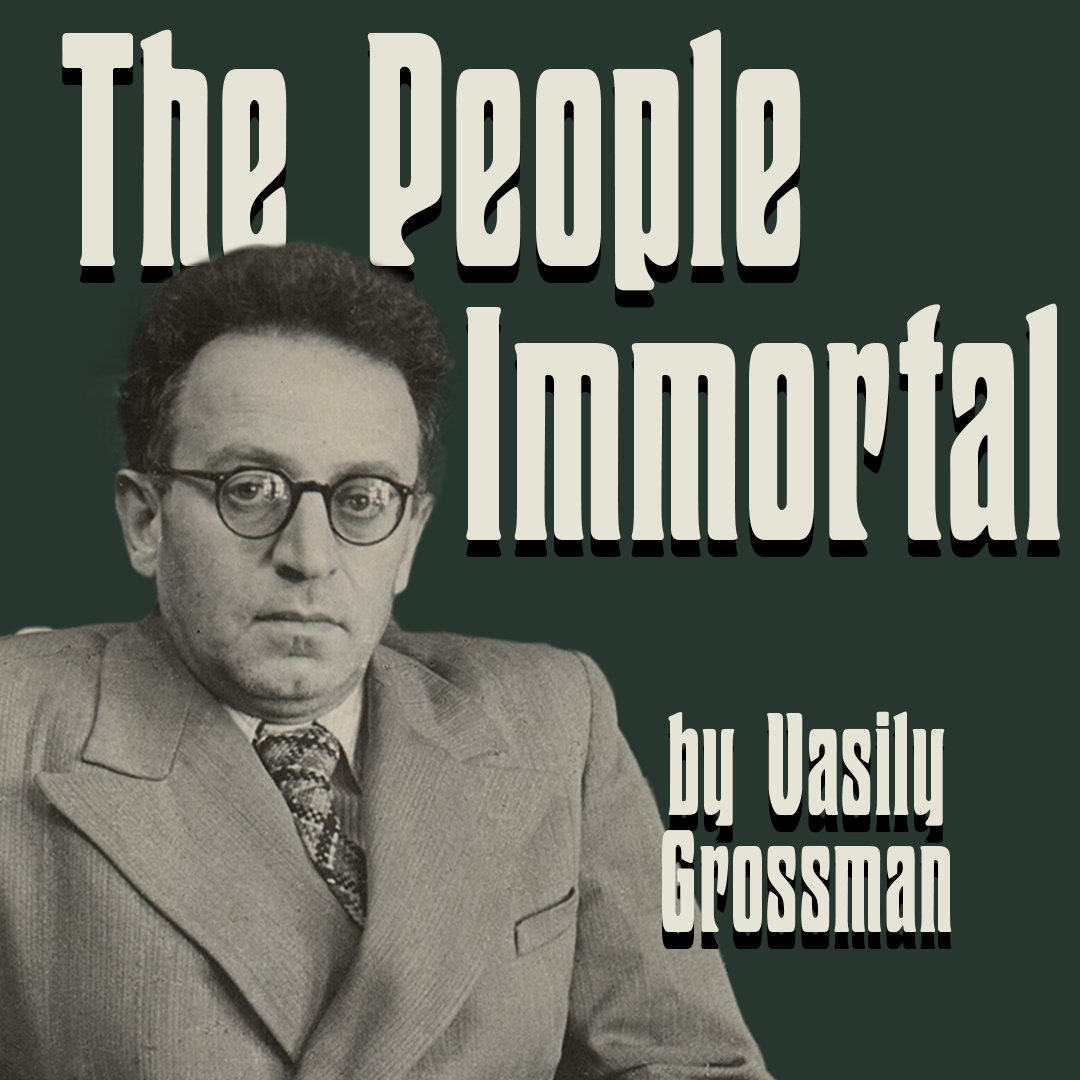
In the meantime, check out an older episode: Vasily Grossman's The People Immortal.
Less mature than his later work, it nonetheless shows his immense commitment to truth.
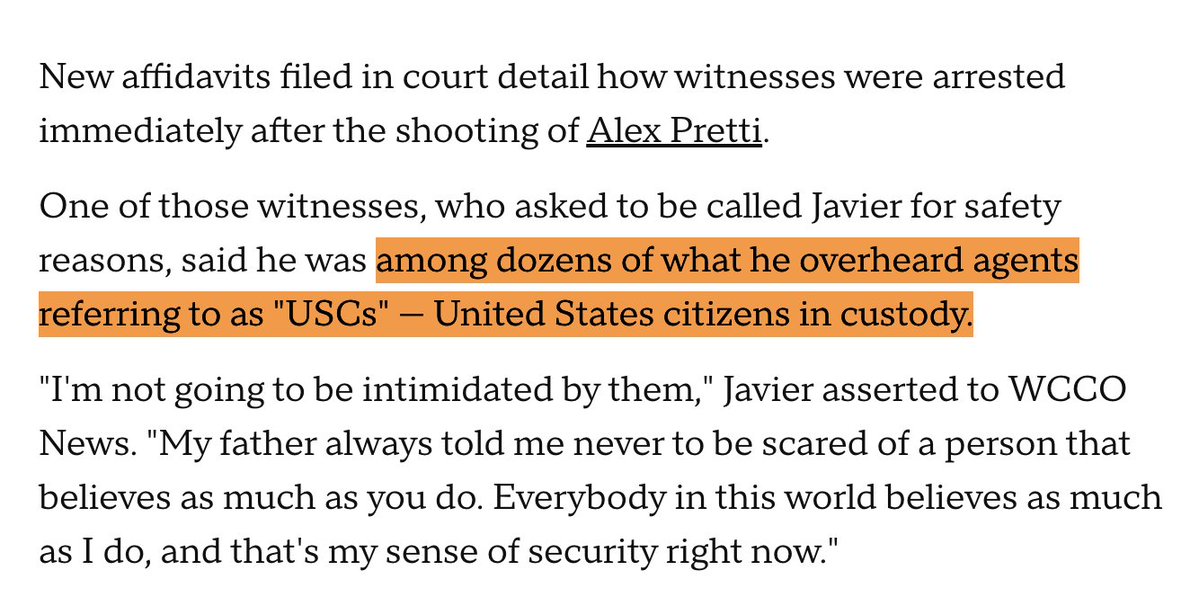
ICE arrested witnesses to Alex Pretti's murder and held them in the ICE Detention facility for hours, according to a terrified witness. Dozens of US citizens were detained. They really don't want you to call them kidnappers. They do not want that. Don't call them that.