Andrej Karpathy (ex-OpenAI, ex-Tesla) just released a prompt that turns Opus 5.5 into a harness that actually finishes the any job.
It's f*cking unreal...
send it to Opus 5.5, and thank me later. Then read the full guide for Opus 5.5 Harness Engineering.
here is a map of the Hermes Agent videos worth watching, sorted by what you want to do with it:
(1) start here
(2) running a business on it
(3) real setups and use cases
(4) skills
(5) teams of agents: Kanban, Bot Mode, cron
(6) by job: marketing, sales, support, research
see thread below
which board should you actually start with?
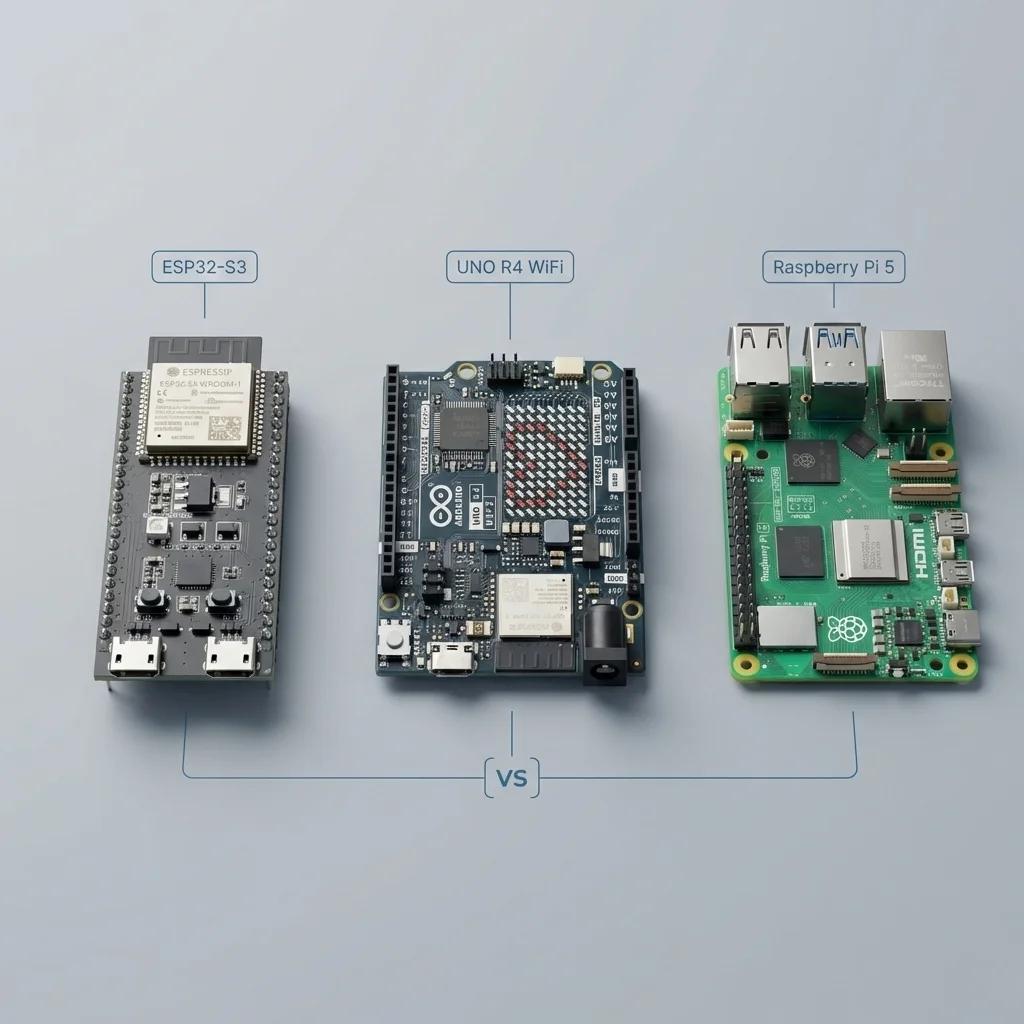
Arduino vs ESP32 vs Raspberry Pi
4 months into robotics as a hobby, here's what i'd tell myself on day one:
1. start with arduino
use it when you're learning:
- motors
- servos
- sensors
- basic circuits
atmega328p, 16 mhz, 2 kb of ram, and 5v logic so most hobby parts plug straight in
when your code runs, nothing interrupts it, and that makes timing easy to reason about
best place to learn the fundamentals without debugging an operating system at the same time
you outgrow it the day you add wifi or a camera
2. move to esp32
use it when you want:
- wifi
- bluetooth
- wireless control
- anything that reports back to your phone
dual core at 240 mhz, 520 kb ram, radios on the chip, around $5 a board
more connectivity and still hands on, so you keep writing the same kind of code
two things that cost me a weekend each:
3.3v logic, so your 5v sensors need a level shifter or they read garbage
and on the original esp32 the adc2 pins stop reading the moment wifi turns on
3. go for raspberry pi
use it when your robot needs:
- computer vision
- ai and ml
- ros 2
- heavy processing
now you're running a computer inside your robot, with all of the upside and all of the cost
linux decides when your code runs, so pwm timing jitters and servos twitch
and pulling the power without a shutdown corrupts the sd card, which i learned twice
also worth knowing, raspberry makes a real microcontroller too, the pico, about $4
so the quick version:
never wired anything before -> arduino
want wifi and the best price -> esp32
need vision or a camera -> raspberry pi
and yes, you can use more than one
arduino -> control
esp32 -> connect
raspberry pi -> compute
that combination is what took me 4 months to understand
the pi is the brain and the microcontroller is the spine, and a real robot wants both
also, if you want to learn robotics engineering for 6 months, read the article below:
Google Brain founder, Andrew Ng:
"100% of my tasks are done by AI agents. Loops and Graphs did it. Prompting is gone."
In 30 minutes he shows how self-improving agents really work, and what makes them possible
Chat → Agents → Loops → Graphs
a loop hands back finished work instead of a draft
a graph decides what gets worked on before anything runs
worth more than any $500 agentic course, and it costs nothing
watch it today
then save the full graph engineering guide below before everyone catches up ↓
Anthropic engineer:
"You don't need better prompts. You need to master Opus 5.5 engineering: so your agent never forgets anything."
In 1 hour he explains what Anthropic does differently, how to build and structure work with agents.
This beats any paid agent course I've seen.
Watch it, then read the article below
We'll be spending a lot more time trying to understand the outputs of language models. A few thoughts, tips & tricks:
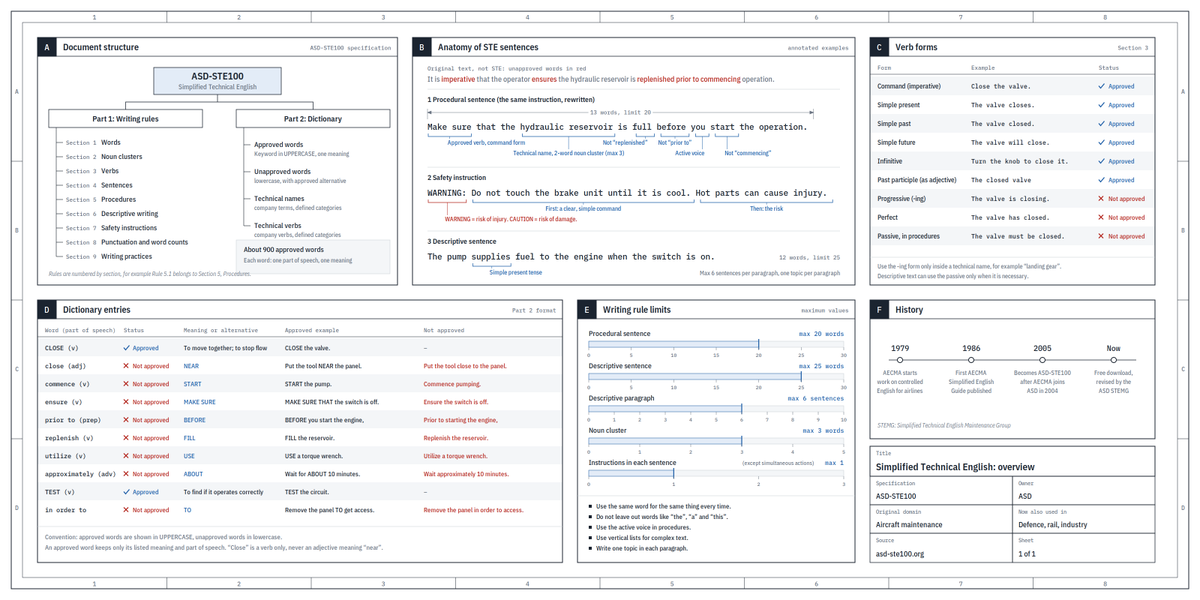
Writing. Something I've had success with: Ask your LLM to explain something in ASD-STE100, it's a controlled language specification originally developed for aerospace maintenance documentation. LLMs well-versed in this language and it comes with heavy constraints on clean writing style that I often find a lot more readable. Sometimes I've tried to soften it a bit e.g. ask for "80% of the way to ASD-STE100" because the spec is quite stringent. But even better:
Diagrams / images. Instead of writing, ask your LLM to create a diagram. These can be a lot easier to process, parse, and understand. But even better:
Web pages. Ask for output "in HTML" to get a beautiful, interactive webpage. LLMs are getting really good at frontend and can create beautiful experiences, animations, etc. But even better:
Explainer videos. The output format I am most bullish on is fully custom / bespoke explainer videos generated on any arbitrary topic. Experiment with things like "Create a 3b1b style video explainer on X. Use my ElevenLabs API key for audio narration". (you'd need an API key for the latter or you can ask your LLM to find you decent free alternatives that use your local compute). This is actually starting to work!
In summary:
- As LLMs get better, they will do more and more of the legwork autonomously, and a lot more of our work will rise up the abstractions into oversight and understanding.
- Luckily, LLMs can help here too because as intelligence and code are increasingly abundant, you can ask for large, custom, discardable software artifacts (e.g. web apps, video explainers) that would have never made sense to create before. Push the boundaries here and you'll be surprised.
One of my friend makes $1.2 million a year as an Anthropic engineer.
I asked him how he learned prompting so well. He sent me a video that was never supposed to get out. Their core team's prompting playbook.
You won’t find anything better about prompting than this 30 minutes video.
I watched it last night. Halfway through, I realized I've been using Claude completely wrong for two years.
Watch it, then read the article below.