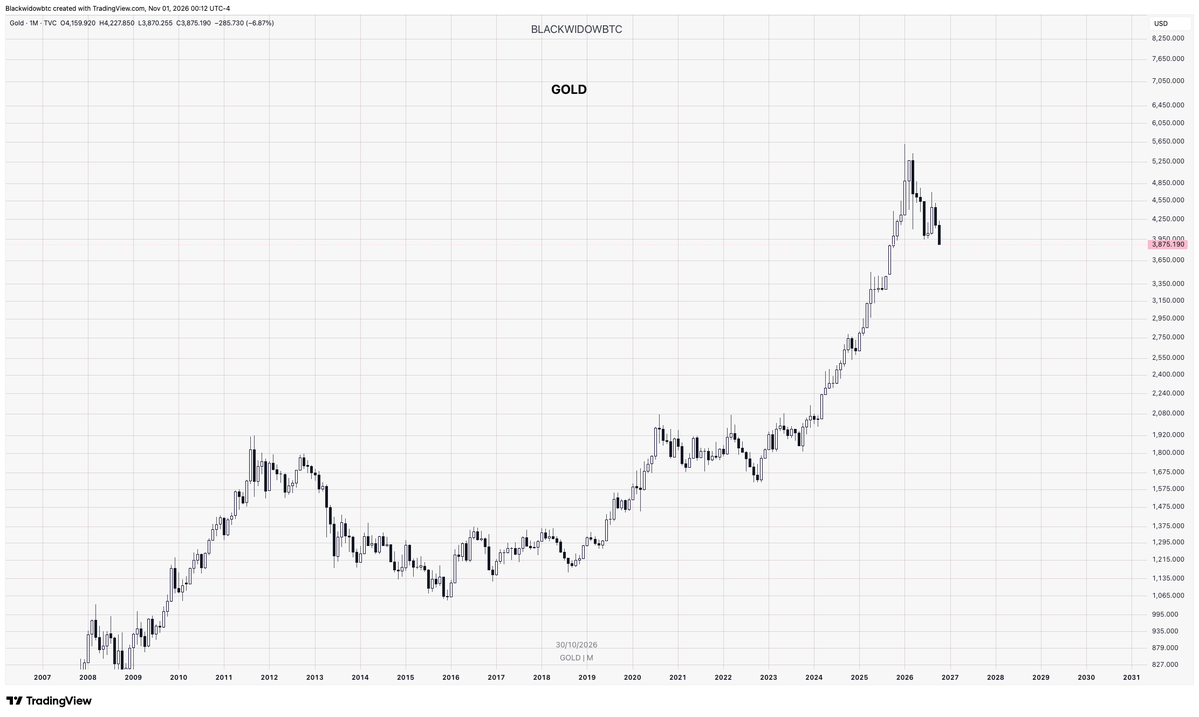
You can’t call that bottom’s in on a falling knife. These things can keep on falling.
You first need to see some certain things happening so you can call bottom:
1. Selling Exhaustion comes first. We may see a selling climax as well, with stocks/indices on extreme dips, but then we have to see them stop making significant lows.
2. We have to successfully retest previous lows with buyers responding more aggressively into buying the dips.
3. Maybe see a Wyckoff spring with price briefly breaking the established support, but with sellers failing to sustain another breakdown.
4. We need to see a base accumulation forming without new lows.
5. Downtrend structure to start breaking with price breaking above previous lower highs.
!! 6. Bullish Volume confirmation is needed. You can’t call bottom with significant selling volume!
7. Price to start trending above the accumulation range.
8. RSI Improves with stock outperforming the market or its benchmark.
9. Price reclaiming important Moving Averages.
10. Broader market confirmation with indices recovering as well, just as institutional buying becoming more evident again.
11. Most important for me, is to see a successful retest on previous breakout level. You see a stock holding its breakout as support, then you’re good to go and call bottom in.
TLDR:
1. Possible bottom :
Selling exhaustion + initial support + bullish divergence.
2. Probable bottom :
Successful retest + accumulation + improving relative strength.
3. Confirmed trend reversal :
Higher low + break above significant swing high + strong volume + sustained upward structure.
You can’t call bottom when :
❌ RSI below 30
❌ MACD bullish crossover alone
❌ A stock falling 70–90%
❌ One large green candle
❌ Bullish divergence alone
❌ Touching historical support
❌ A short-term oversold bounce
Have that in mind. ✍🏻
@cantonmeow You should add a new chapter to your course called “The Horney Index”, teaching students how to read between legs. After all, not every market movement is driven by bulls and bears!
I honestly don’t understand why people assume Jensen would be discussing semiconductor technology, chip development, or business strategy with his new girlfriend. What does this alleged scandal have to do with $NVDA’s fundamentals or stock price?
Investors should focus on what creates or destroys shareholder value: earnings, competitive advantage, AI demand, execution, and long-term growth.
Unless there is a demonstrable impact on NVIDIA’s business, leadership, or corporate governance, this is just gossip.
We are investors, not tabloid readers. Judge the company by its business performance, not its CEO’s personal life. Don’t confuse market gossip with investment research.
@sheslee The election results are taking a toll on people’s physical and mental health. At this rate, OSCR might be one of the biggest unexpected beneficiaries! 😂📈