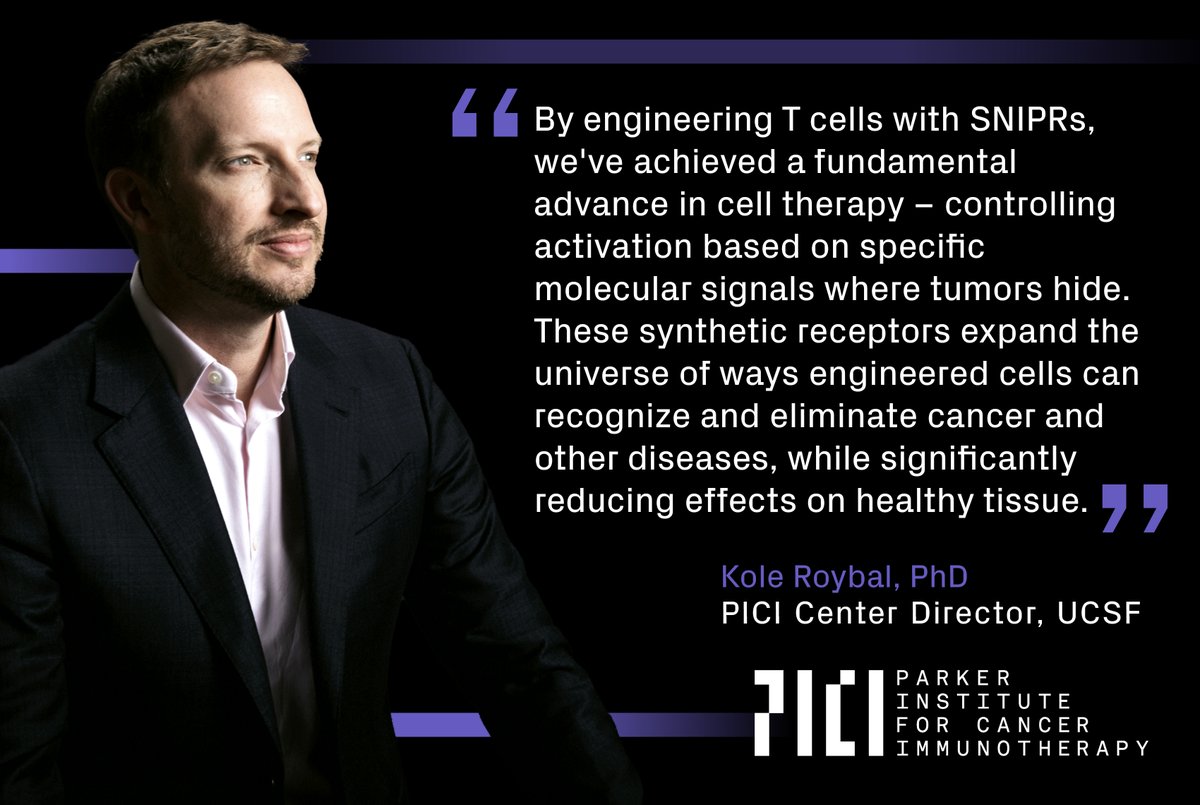
Researchers led by Kole Roybal, PhD, Director of the PICI Center at @UCSF, (@roybal_lab) have developed SNIPR (synthetic intramembrane proteolysis receptor), which enables T cells to detect soluble tumor signals & activate selectively within tumors: https://t.co/pHfB4NxDUP (1/3)
Beta-version of the new VISTA Enhancer Browser, 7 years in the making, with support for developmental stages, different species and variant comparison is finally online. Feedback is welcome! https://t.co/2y5HDCYaKD #enhancers#embryos#evodevo
🎉 We're proud to announce the recipients of this year's Momentum Fellowships! 🎉
These promising investigators are pushing boundaries with work on tumor microenvironment evolution, tumor vasculature analysis, transcription factor degradation, and more.🔬🧬
https://t.co/hON2ANyFVK
extremely excited to share our new story on the impact of JAK inhibition on responses to immune checkpoint blockade in lung cancer patients! 🧬🧑🔬 thread on our main findings 🧵 1/n
https://t.co/tAraClhwS0
30-COLOR DNA-PAINT at 3D sub-15 nm RESOLUTION. We are overly excited to announce the publication of our latest work “Spatial proteomics in neurons at single-protein resolution” in @CellCellPress. Huge collaborative effort led by @EduardUnterauer. 1/9
https://t.co/w9BHydkC6B
Epigenetics Conference Spotlight #1 of 5: Engage with industry leaders at Keystone Symposia: "Epigenetic Mechanisms and Cancer Treatment." Abstract deadlines may have passed, but registration is still open! Check out more 2024 conferences: https://t.co/nda92y8QeV
Today we report in @NatureBiotech an engineered virus-like particle system for in vivo delivery of prime editor protein-RNA complexes. This PE-eVLP platform can support therapeutic prime editing in animal models of genetic disease.
/1
https://t.co/Z3bIKF0Cyg
Excited to share a milestone in our forward genetics developments! Today in @Nature we report massive mutagenesis screening in T cells with base editors, increasing resolution from genes to nucleotides https://t.co/uIp3iGjrJ4
A @MarsonLab story with my dear friend @carlcward
1/10
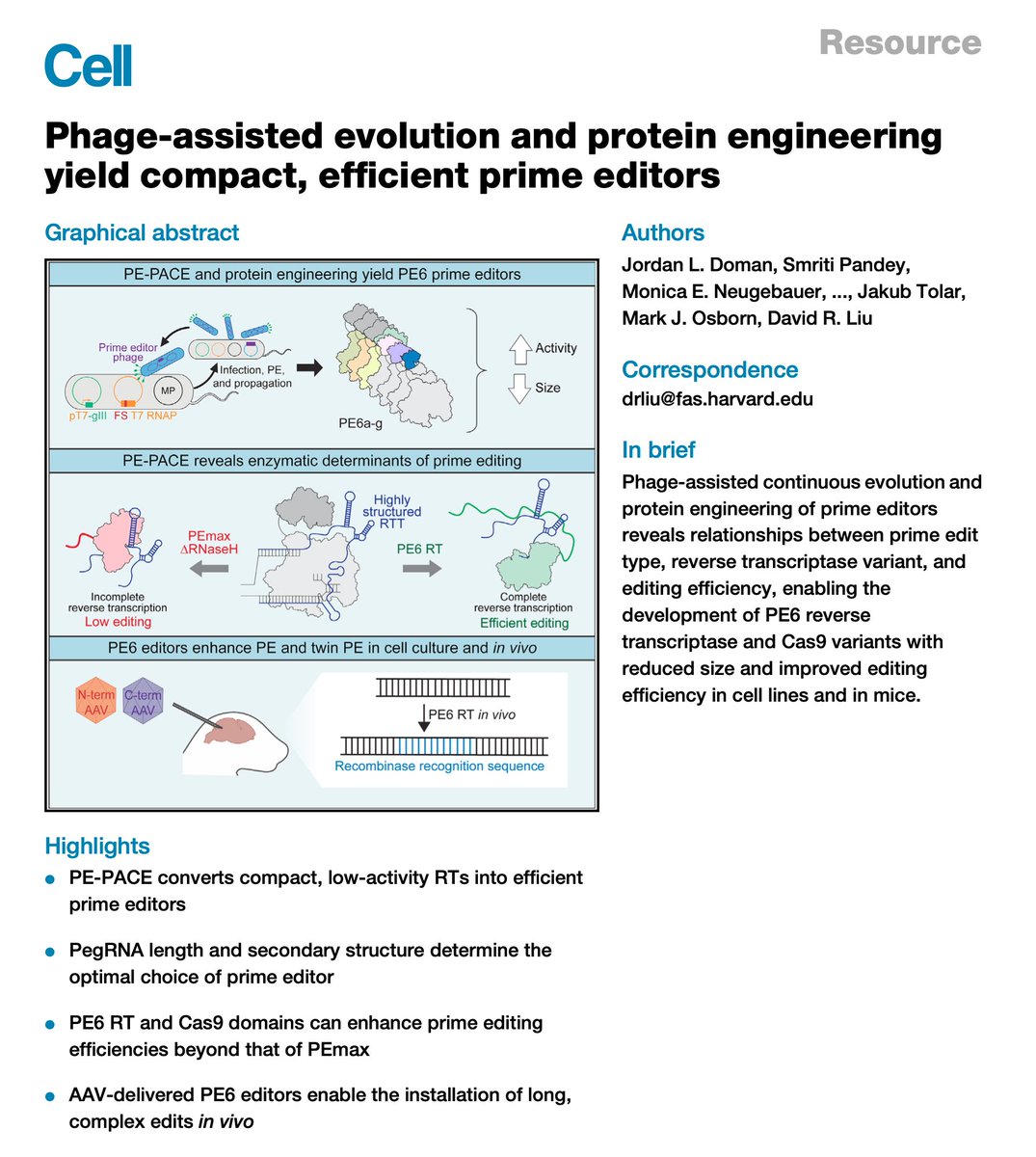
Today we report in @CellCellPress a suite of engineered and PACE-evolved prime editor variants PE6a-g. These new prime editors improve the activity, in vivo deliverability, and in vivo editing efficiency of prime editing.
https://t.co/xdF6j0zn8Y
PDF:https://t.co/iRegR74CKg
(1/15)
HHMI Investigator David Liu (@davidrliu) & his lab have developed new prime editors for gene editing. Their improved technology uses smaller editing molecules, which could make it easier to deliver cells to key parts of the body as new disease treatments. https://t.co/VJgSDDVqq1
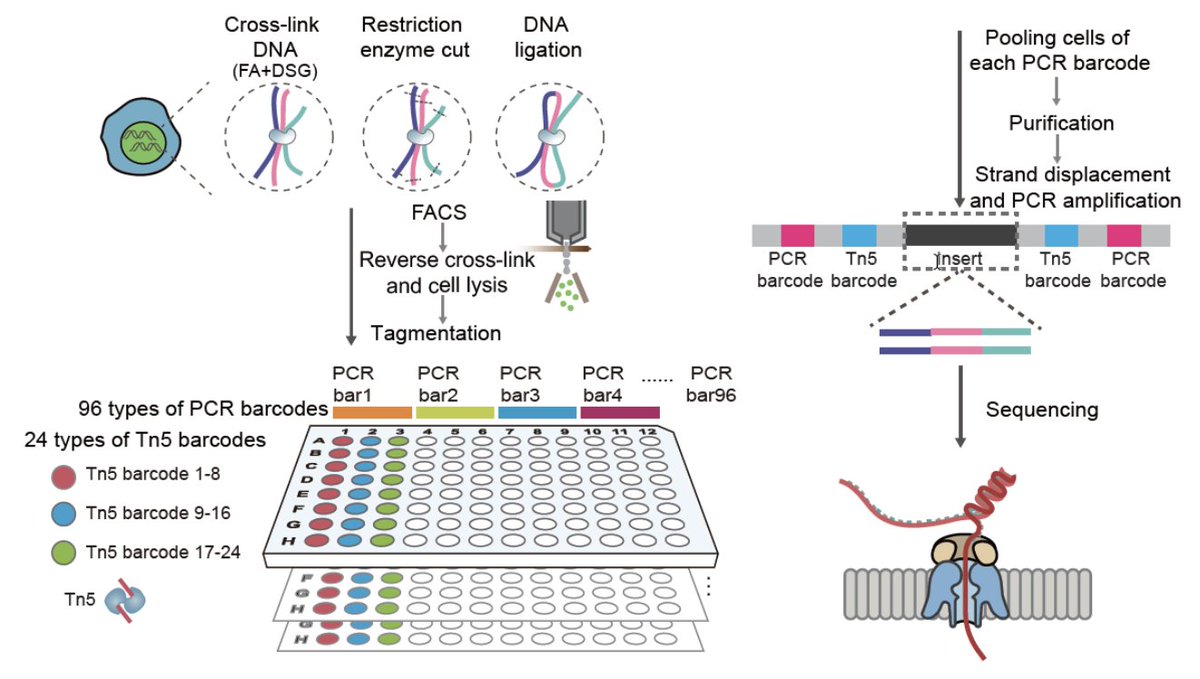
The Tang group presents scNanoHi-C: a single cell Hi-C method based on nanopore long-read sequencing. scNanoHi-C allows researchers to capture high-order chromatin structures and detect genomic variations such as CNVs and SVs. https://t.co/yFnEKB2jic