At least 6 killed till the moment and more than 20 injuries amid an Israeli strike on the parking of Jabal Amel hospital in Tyre. Video from the hospital’s ICU.
Israeli airstrikes hit near Jabel Amel hospital in Tyre, southern Lebanon causing extensive damage to the hospital which is still crowded with people including women and children. There’s widespread damage outside too. The Israeli military has warned it will hit the southern suburbs of Beirut too, sparking a panicked exodus
‘The castle is protected under the Enhanced Protection mechanism of the Hague Convention, one of the highest levels of international protection granted to cultural heritage during armed conflict’ - @GreenSoutherns
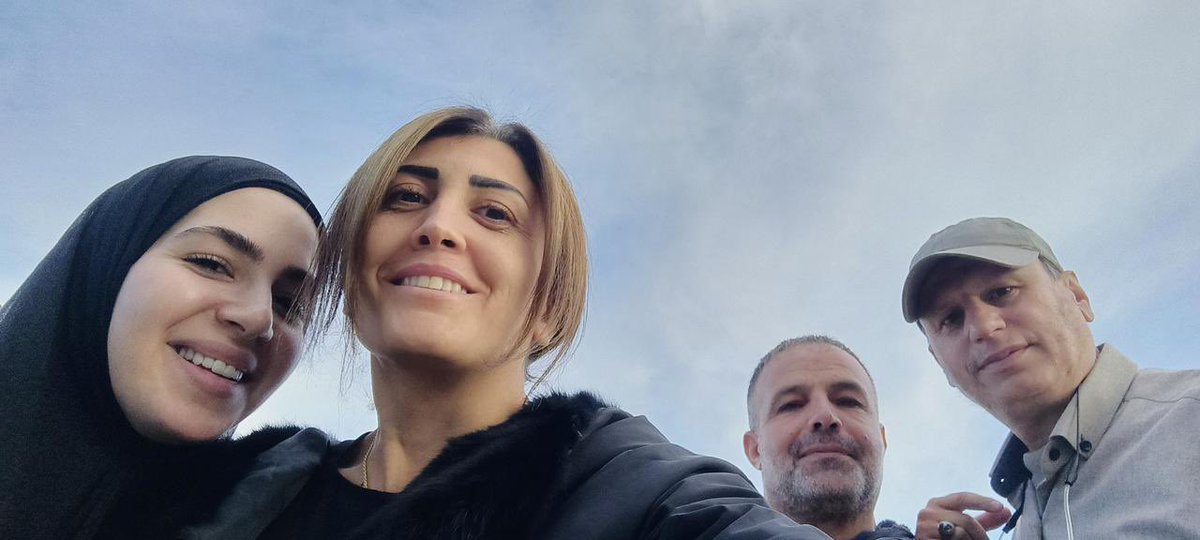
43-year-old reporter Amal Khalil was killed in what has been described as a targeted Israeli air strike against two journalists in Lebanon.
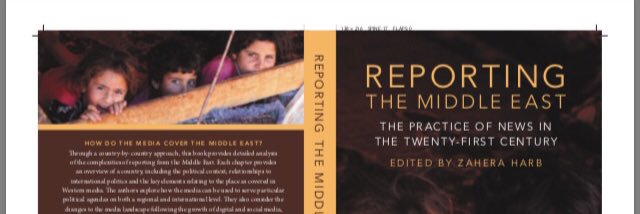
Amal Khalil’s colleague and friend, Dr Zahera Harb, explains what she believes Israel wants from this strike, and why many Lebanese journalists refuse to stop reporting despite the dangers.
Watch MEE Live's full episode on Middle East Eye's YouTube channel.
“The Red Cross was blocked for seven hours and when they reached her after seven hours, she was already dead,” @CPJMENA’s Sara Qudah tells me about the killing of Lebanese journalist Amal Khalil in an Israeli strike. (1/3)
VIDEO | "I received direct threats targeting me on my phone from the Mossad, from the Israelis, and they threatened to kill me. They were literally saying they would sever my head from my shoulders if I didn’t leave south Lebanon."
In an interview recorded before her targeted killing, Lebanese journalist Amal Khalil, from the southern village of Baysariyyeh, reflects on the threats she received while covering Israeli aggression in south Lebanon for Al-Akhbar.
"Before 23 September, I definitely didn’t take precautions and I didn’t pay attention to these threats, because I said if I’m going to do what they want, why would I let the Israeli enemy impose its own narrative on me? It brings journalists onto my land and promotes the narrative it wants, while preventing me from moving freely on my own land."
Amal Khalil, along with her colleague Zeinab Faraj, was deliberately attacked and subsequently killed by Israel yesterday in the southern Lebanese village of Tayri. Zeinab Faraj was severely injured and, as per latest reports, remains in stable condition after undergoing emergency surgery.
حاصرتها اسرائيل ثم قتلتها ثم حاصرتها.
أمال خليل ليست مجرد هدف للاحتلال هددها سابقا. فهي جزء من ذاكرة الجنوب التي يعمل على تدمير قراها وأحياءها وأقلامها.
أمال الشهيدة التي كتبت بدمائها هذه المرة قصة مؤلمة من قصص الجنوب الحزينة التي وثقتها.
Civil Defence crews were finally able to access the site where Leb journalist Amal Khalil was trapped under rubble but only hours later. They retrieved her body. Her newspaper Al Akbar has put out a video tribute. Lebanon’s Minister of Information condemned the incident describing the targeting of journalists as a blatant violation of international humanitarian law and calling for international action.
‘I have, of course, experienced bombs before but I’ve never seen a building fall in front of me’- let that sink in. She’s 13-years-old. Revealing and touching int by @SkyYaldaHakim with Naya who added:’I was lucky to have my dad with me because some kids have lost their parents’ @skyzein
. @AlexCrawfordSky is an extraordinary journalist!
I watched this on @SkyNews & was in awe of her reporting about a desperate father’s search.
She reports from war zones with exceptional courage, authority & empathy… taking us to the gritty heart of the story. She deserves unending praise!
Today, for the third time in my mother's life and for the second in my own life, we lost a home due to it being bombed by the Israeli army.
This home was in a building constructed by my uncle, the Lebanese historian Ahmad Beydoun, after my family was able to return to our ancestral hometown, Bint Jbeil, in the year 2000 when Israel ended its decades-long occupation there, during which they destroyed my mother's childhood home. In 2006, they would destroy both her and my home in Beirut, rendering us both temporarily homeless.
Uncle Ahmad's building was a costly joint effort financed by himself as well as my mother and his other siblings. Each owned an apartment in the building, which also housed medical practices, a baby toys shop (owned and run by my cousin Jamal) and a branch for Bank Audi.
Upon hearing this news, Uncle Ahmad wrote: "in our hearts, this is the least of our losses." We can all only be thankful that our family is unharmed: when I told this story to a distant cousin, she replied that her friend had lost both her mother and father in Israel's bombing of Beirut two days ago, which killed more than 300 civilians in the space of ten minutes.
For reasons that are difficult to understand, the Israeli army posted a video of their crime, which I share here.
"It puts the rest of us in a very scary, dangerous position… We don't know who's going to be next."
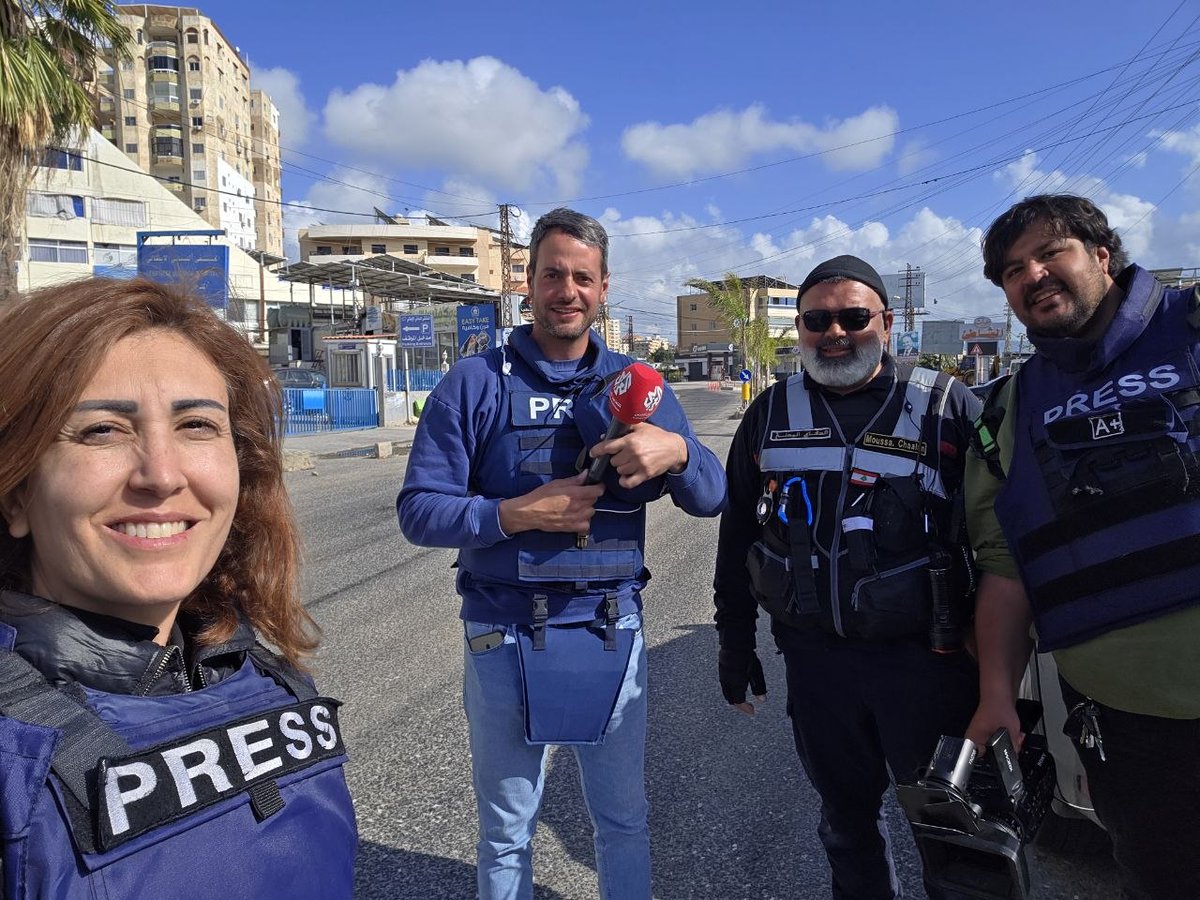
Journalist @OliverGMarsden comments on the killing of three colleagues by Israeli strikes in Lebanon.
Calls to disarm Hezbollah rarely acknowledge Israel’s ongoing aggression. They also overlook the political and material constraints that have long prevented the Lebanese Armed Forces from assuming a defensive role.
Historian Ziad Abu-Rish (@ziadaburish) breaks down these constraints and interrogates the question of sovereignty: https://t.co/sv0fv5vKe6
Ali Shuaib, the legendary dean of war correspondents, a veteran who defined the field, and Fatima Fatouni, the indomitable, fearless war correspondent. Martyrs of the journalists' convoy, struck down by an Israeli attack alongside their fellow cameramen from Al-Manar and Al-Mayadeen. Our hearts are shattered, but we will not be silenced. The truth will be told, no matter the cost. Condolences to the profession of journalism, and to the families and loved ones of the martyrs. To God we belong, and to Him we return.
"This rubble is of my first home. The home where my father also grew up. Where my husband and I said our marriage vows."
What’s happening in Lebanon is a “human rights and humanitarian disaster in the making,” says HRW’s @lamamfakih, whose family home in Beirut was struck amid ongoing hostilities between Israel and Hezbollah.