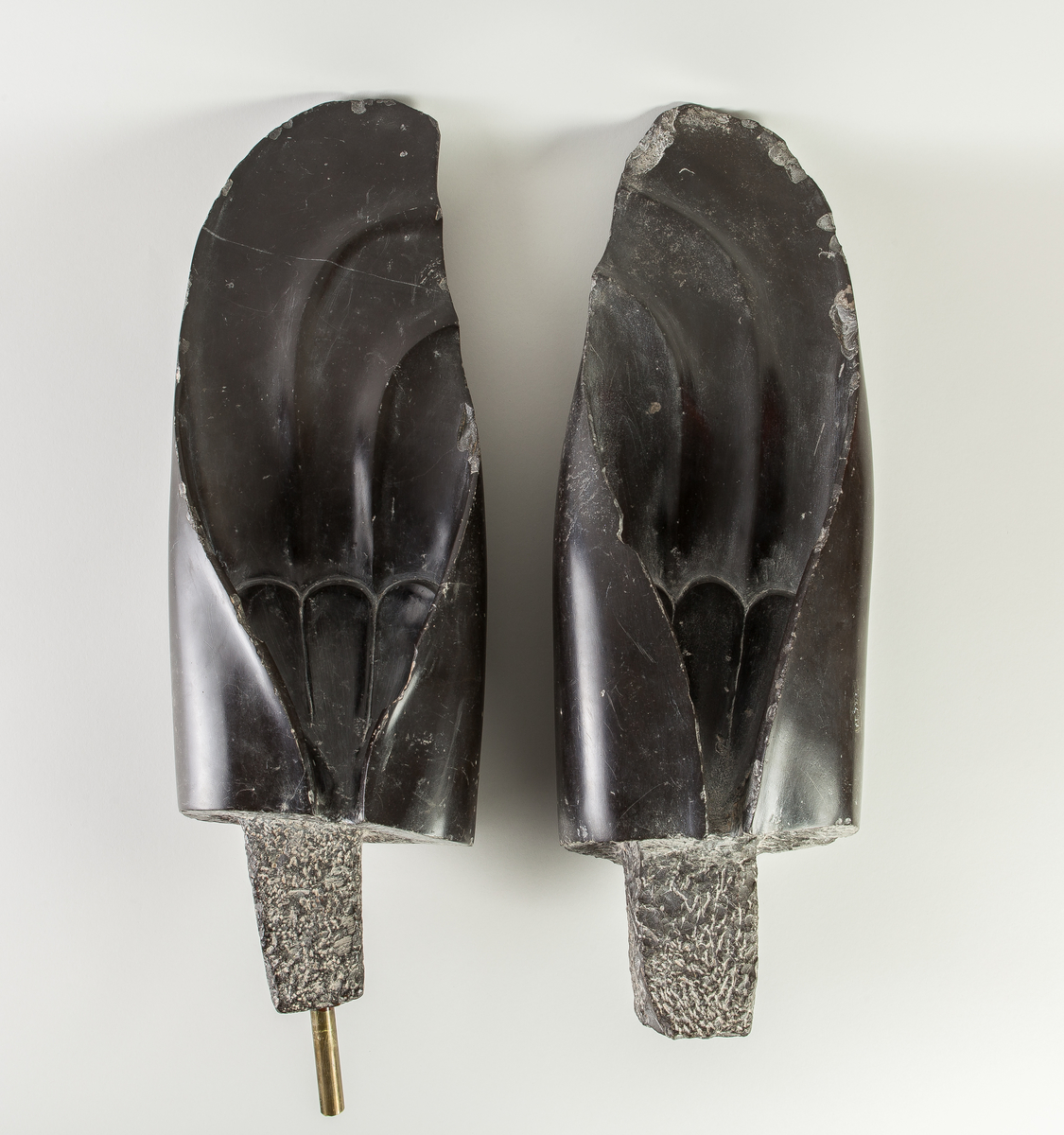
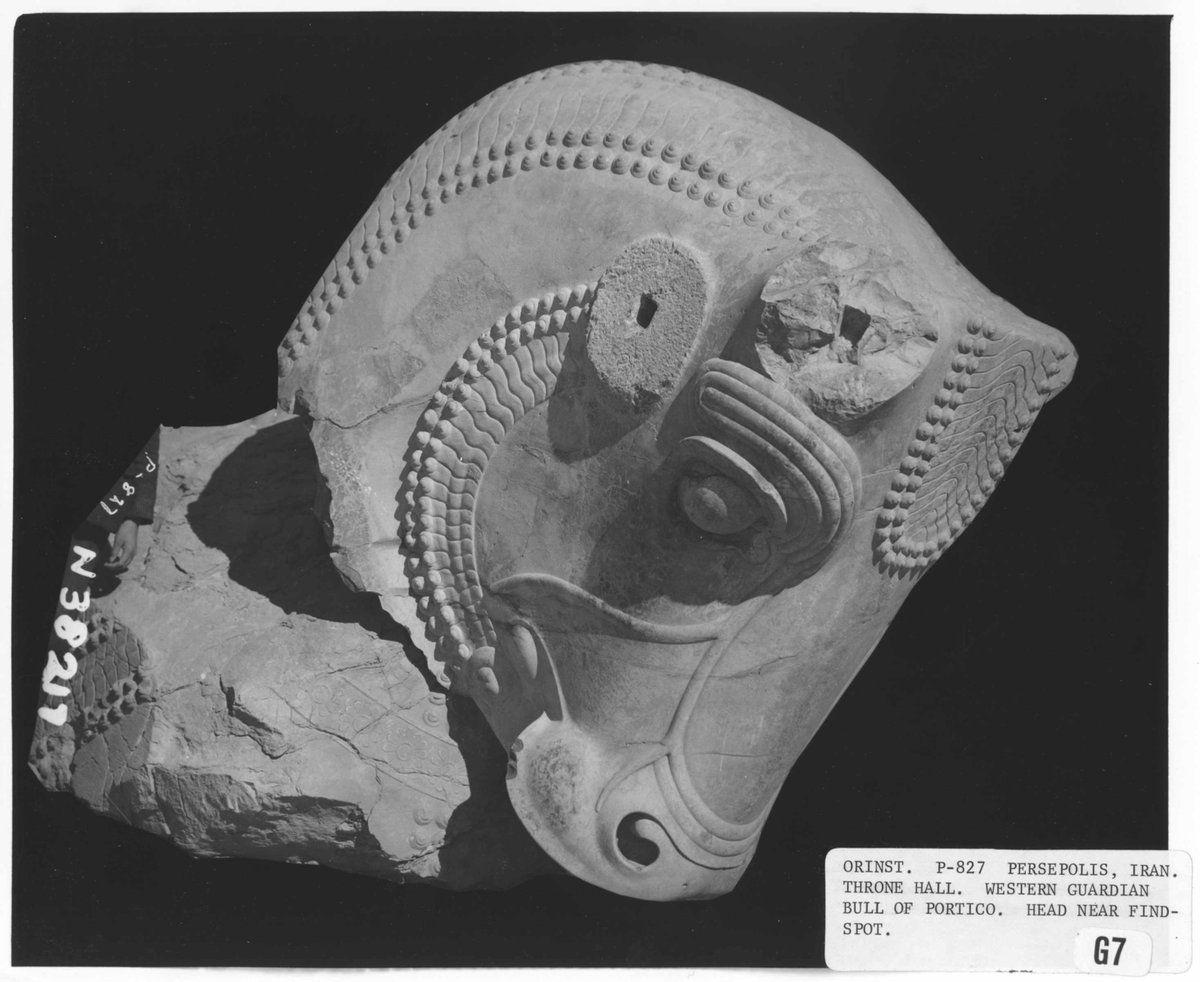
This week we're looking at sculpture in the ISAC Museum! While we often think of sculpture as being from a single piece of stone, as we can see from these bull ears from the site of Persepolis in Iran, that is not necessarily the case. Instead of the bull being carved from a
Hydration breaks last just a total of six minutes during a match, but they stand accused of fundamentally changing the nature of football at the sport's ultimate showpiece.⚽ https://t.co/YnCIFb3QLx
St. Catherine's Monastery Library in Egypt is the oldest library in the world that's been continuously running.
It was built back in the 500s under Emperor Justinian, right at the foot of Mount Sinai, a remote location that's really not easily accessible.
That isolation is exactly what saved it.
While wars, fires, and invasions wiped out pretty much every other big ancient library, this one survived.
The monks were just trying to keep their community going, so they copied books for daily prayers, for teaching the younger monks, and for keeping records.
Year after year, those practical copies piled up.
What started as everyday stuff slowly turned into this incredible collection: early Christian writings, ancient Greek texts, medical books, and languages almost nobody speaks anymore.
One of the craziest moments came in the 1970s when the monks were doing some repairs and found a hidden room stuffed with forgotten manuscripts. They call them the New Finds. A bunch of them were palimpsests, where someone had scraped off the original writing and reused the pages.
Thanks to modern imaging tech, we've been able to read what was underneath: lost texts in Syriac, Arabic, Greek, even some early Christian hymns nobody knew still existed.
It really felt like cracking open a time capsule inside another time capsule.
The place is also home to the Codex Sinaiticus, one of the oldest complete Bibles we have, from the 4th century. Not a copy. The real thing. Finding it basically changed how scholars understood early Christianity.
Think about it: this library has kept going through the rise and fall of empires, through Crusaders marching by, Ottoman rule, world wars, and modern politics.
Just a handful of monks stubbornly keeping the lights on for nearly 1,500 years.
That's why it's special.
(Photo of the Saint Catherine's Monastery, looking down from Mount Sinai by Berthold Werner - Own work, CC BY-SA 3.0, https://t.co/KnRxSzx6jD)
One big problem regarding maps depicting human migrations is the assumed graduality and continuity. Authors depict the movements as slow, gradual, and constant, perhaps imagining people moving only a few kilometers each lifetime, in a gradual expansion that the people of the time likely barely even realised. In such an illustatration (left) it often looks like a blob that grows larger and larger in all directions with Geographic Continuity all the way. This is of course wrong, and not how humans migrated at all.
Investigating settlement archaeology and c14 dating, Its clear that Humans migrated in controlled, conscious bursts, reaching entirely new areas within a single generation. Entire tribes of families set out into consciously chosen basins, valley or plateaus, reaching them within a single lifetime and ignoring the less fertile land on the way. From thereon, they would gradually move out into the less immediatly attractive land, with different tribes breaking off and forming new exclaves as the population grew, repeating the process. These migrations were often massive and happened in the span of a few generations, such as is evident with the Corded Ware migration, which saw its people reach the Baltics, Poland, Denmark, Germany and parts of Russia in just a hundred years, and from thereon, its descendant, the Bell Beakers, reached Brittain, France, Iberia and Italy in a hundred years or even less again in a seperate burst.
(The maps below are illustrative and totally arent based on the Indo European migrations at all)
Soccer has always been defined by free-flowing, unbroken action. But for the World Cup in America, FIFA is using “hydration breaks” to shoehorn in commercials. 🔗 https://t.co/pFuy90orj6