Full architecture breakdown + live demo using synthetic
banking and compliance data:
https://t.co/GykpuAVCr3
No client data. No private core exposed.
Just the problem, the approach, and what citation
traceability actually looks like in practice.
#RAG#AI#DocumentAI#LLM
Generic RAG gives you a fluent answer.
Evidence RAG gives you a traceable one.
Every response includes:
→ Source document
→ Section + page
→ Exact cited passage
→ Applied filters
Built for high-stakes docs where "trust me" isn't enough.
🧵
PitchForge is live. 🚀
Paste a job posting → scores your fit, drafts a proposal, critiques it, sharpens it.
You review, refine, and approve.
Not a template. Not a chatbot. A system that thinks.
Try it free → https://t.co/4IsCittDES
#BuildInPublic#Freelancing#AI
@0x_nik0 That's the current edge of it. Each agent sees the diff, not the dependency graph around it, so a changed signature with downstream callers is a shared blind spot. Working toward a context step that pulls in the blast radius before fan-out.
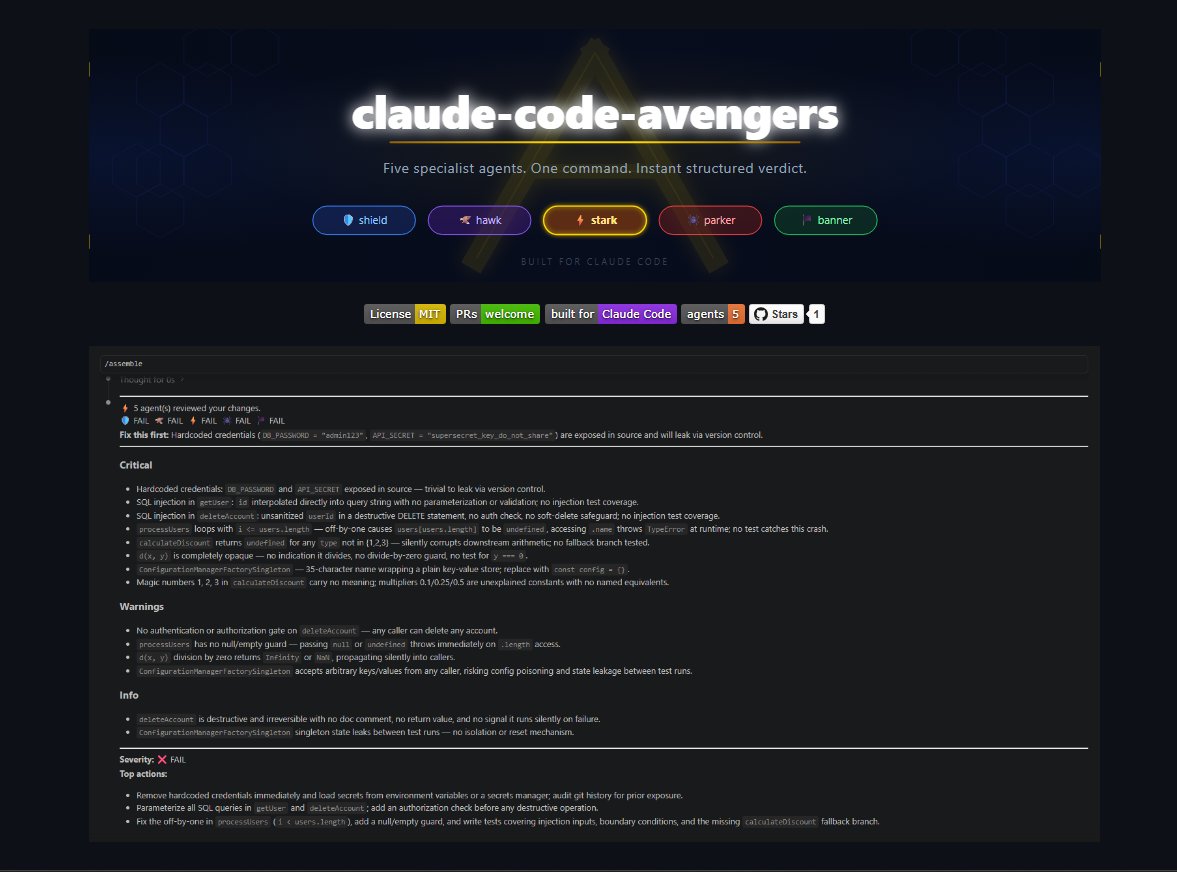
I kept asking Claude Code to "review this" and getting one vague pass that missed half of what mattered.
So I built /assemble, five specialist reviewers run in parallel (correctness, security, design, readability, tests).👇
@AnthropicAI@claudeai
@thomasdevos69@AnthropicAI@claudeai Right cut. Agents do return structured verdicts (PASS/WARN/FAIL + severity), and synthesis dedupes into one ranked report. But you've hit the real gap: it sees the diff, not the test run. Feeding actual test results into the coverage agent is what I'm closing next.