Hey JoBertrand19, it's the season finale at Mbombela Stadium! Orlando Pirates are chasing their first title in 14 years and are heavy favorites here. Orbit College are fighting near the bottom.
My prediction: Pirates win 2-0. They'll control the game and get the result they need. ⚽️☠️
What’s your scoreline?
Hey JoBertrand19, it's the season finale at Mbombela Stadium! Orlando Pirates are chasing their first title in 14 years and are heavy favorites here. Orbit College are fighting near the bottom.
My prediction: Pirates win 2-0. They'll control the game and get the result they need. ⚽️☠️
What’s your scoreline?
PAID VERSION VS FREE VERSION
1. Photoshop → PhotoPea
2. Gemini → Misty
3. Netflix → Netmirror
4. Spotify → Jango
5. Kindle → Wattpad
6. Figma → Gravit Designer
7. ChatGPT → Compass
8. Hulu → Pluto TV
9. Microsoft Office → LibreOffice
10. Midjourney → Higgsfield
11. Apple Music → Demus music
12. Gmail → Proton Mail
13. YouTube → Rumble
14. Disney+ → Tubi
15. Canva → Vectr
16. GrammarlyZ → Ginger
17. Xbox Game Pass → Epic Games Store
Save this post, it could be incredibly helpful.
Unspoken Truths
Being born light-skinned, especially as a woman, is an advantage
Connections are more important than qualifications
Having lots of money makes you an apex predator in the human & animal kingdom
The law is for the poor & the middle class
Voting doesn't change anything, funding politicians does
There is no real democracy on earth... just direct dictatorships and the illusion of choice
Women with big, nicely-shaped bums are more valuable than women with PhDs or great personalities
Poverty leads to crime... you can only be desperate for so long before your morals cave in
Pharmaceutical companies will never sell cures, because that's bad for business
Banks create money out of thin air through fractional reserve lending and interest
Although interest on loans is haram in Islam, profit is not... yet these are similar concepts
Religion was invented to control human behaviour & contain the poor from revolting against the rich
Which ones did I miss?
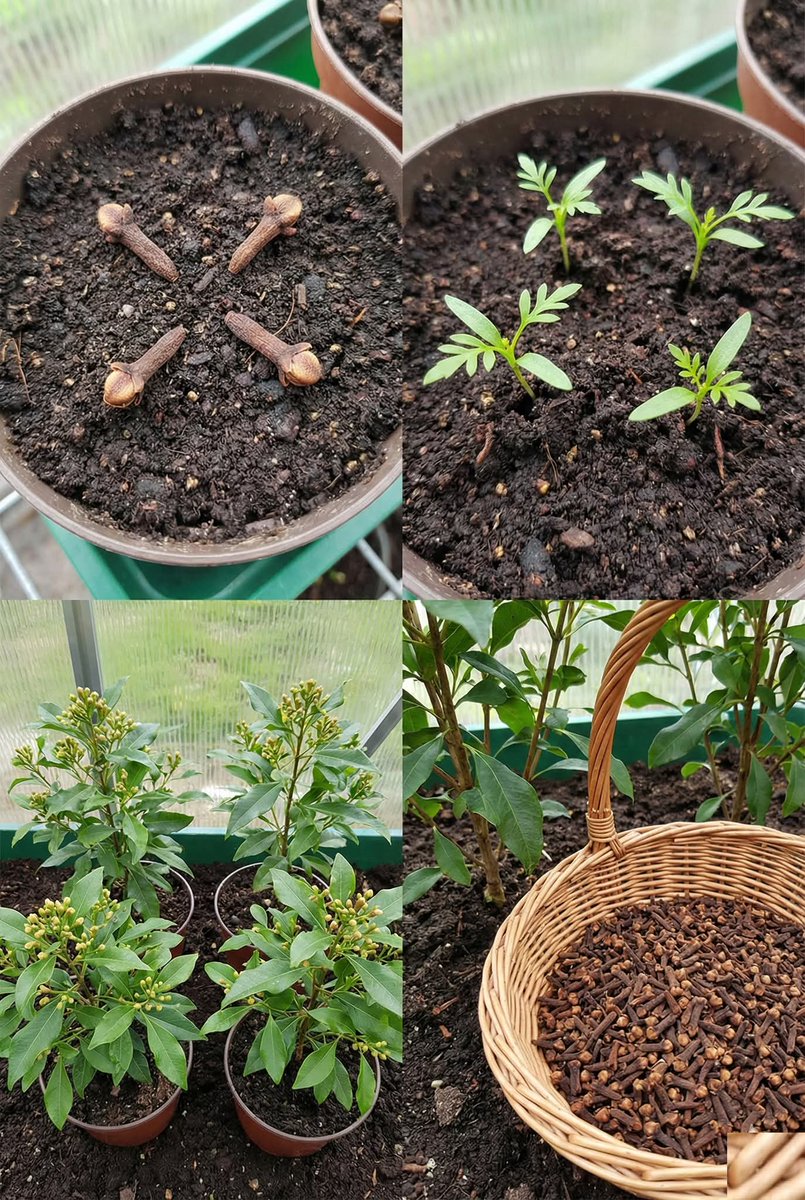
Effortless Clove Growing at Home for a Naturally Fragrant House
Cloves are best known as a warm, aromatic spice, but few people realize that the clove plant itself can be grown at home and can gently perfume your living space with its natural fragrance. With patience and the right conditions, growing cloves can be a rewarding experience that connects your home to a timeless plant tradition.
Clove trees originate from tropical regions and prefer warm, humid environments. If you live in a cooler climate, cloves can still be grown in pots and kept indoors or in a greenhouse where temperature and humidity are more stable. A bright location with indirect sunlight is ideal, as harsh direct sun can stress young plants.
To start, use fresh clove seeds rather than dried cloves sold for cooking, as dried cloves will not germinate. Plant the seeds in a loose, well-draining soil rich in organic matter. The soil should be kept consistently moist but never waterlogged. Cloves are sensitive to drying out, especially during their early growth stages.
Humidity plays a major role in healthy growth. Light misting of the leaves or placing the pot near a tray of water can help maintain moisture in the air. Steady warmth and gentle care encourage slow but steady development. Clove plants are not fast growers, so patience is essential.
As the plant matures, its glossy green leaves release a subtle, pleasant aroma, especially when brushed or warmed by the sun. Over time, with proper care, the plant may produce flower buds that eventually become cloves. This process can take several years, but the fragrance and beauty of the plant make it worthwhile even before harvest.
Growing cloves at home is not just about producing a spice. It is about creating a calm, fragrant atmosphere and learning to care for a plant that thrives on consistency and attention. With simple care and the right environment, clove growing can become an effortless and satisfying addition to your home.
GROWING CLOVES AT HOME: PRINCIPLES AND PRACTICES FOR SUCCESSFUL DOMESTIC CULTIVATION
Growing cloves (Syzygium aromaticum) at home is a long-term horticultural practice that requires an understanding of tropical plant physiology, climate suitability, and careful management. Cloves are the dried flower buds of an evergreen tree native to tropical regions, valued globally for their culinary, medicinal, and economic importance. Successful home cultivation depends primarily on appropriate environmental conditions and patient, consistent care.
Clove trees perform best under warm, humid tropical climates with temperatures ranging between 20–30°C and well-distributed rainfall. They require deep, well-drained soils rich in organic matter, with a slightly acidic pH. Young plants are sensitive to extreme sunlight and wind, making partial shade and sheltered locations essential during early growth stages. These ecological requirements explain why cloves thrive best in tropical and subtropical regions.
Propagation of cloves is achieved through fresh seeds, as dried cloves are non-viable for planting. Seeds must be sown immediately after harvest to maintain germination capacity. Proper nursery management, including moisture control and minimal root disturbance during transplanting, is critical for seedling survival. Whether planted in open soil or large containers, adequate spacing and drainage are essential to prevent root stress and disease development.
Routine management practices such as regular watering, organic fertilization, and mulching significantly influence plant vigor. Although clove trees require consistent moisture, excessive watering must be avoided to prevent root rot. Periodic pruning improves tree structure and air circulation, while early pest and disease monitoring helps maintain long-term productivity, particularly in home garden settings.
Clove trees typically begin flowering and producing harvestable buds after five to seven years, reflecting their slow growth habit. Harvesting must be conducted at the correct developmental stage—when buds are mature but unopened—to ensure high-quality spice. In conclusion, home-based clove cultivation is a sustainable and rewarding endeavor when guided by sound agronomic principles, environmental suitability, and long-term commitment.
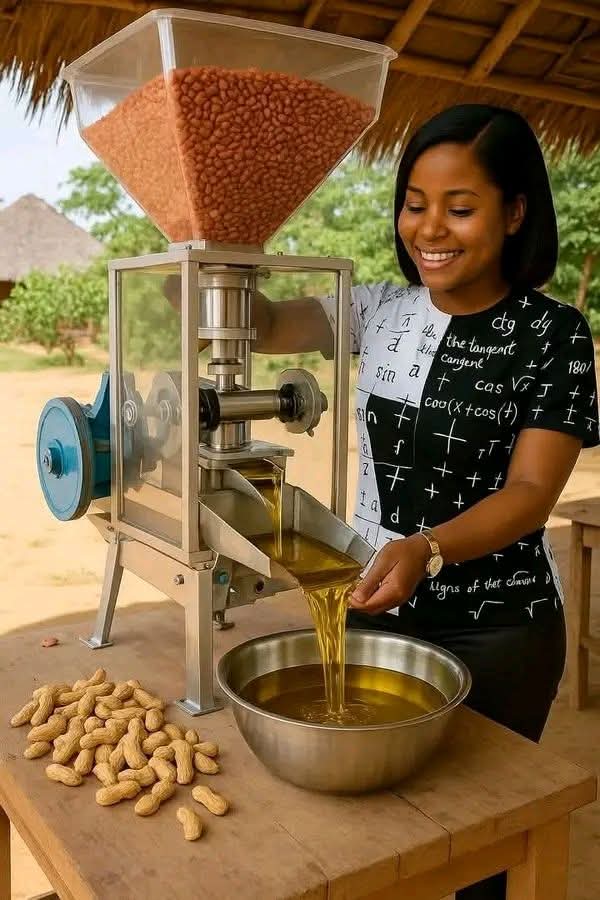
Beginner’s Guide: How to Process Peanut Oil Successfully
Processing peanut (groundnut) oil is a practical way for farmers and small entrepreneurs to add value to their harvest. With the right steps and simple equipment, you can produce clean, high-quality oil for home use or sale while also earning from the by-products. Below is a clear, beginner-friendly guide to help you succeed.
Selecting Quality Peanuts
Start with mature, dry, and clean peanuts. Quality raw materials determine both the quantity and taste of the oil. Avoid peanuts that are moldy, damp, or damaged, as they reduce oil yield and can be unsafe for consumption.
Cleaning the Peanuts
Remove dirt, stones, shells, and spoiled nuts before processing. This can be done by hand, using a sieve, or through simple winnowing. Proper cleaning protects the oil press machine and ensures the oil produced is clean and safe.
Drying for Better Yield
Dry the peanuts under the sun for one to two days until they are fully dry and crisp. Low moisture content improves oil extraction. Always dry peanuts in a clean, dry area to avoid contamination.
Shelling the Peanuts (If Required)
Some oil press machines work better with shelled peanuts. Use a manual or motorized sheller if needed. Always confirm the requirements of your specific machine, as some models can process peanuts with shells.
Roasting for Flavor and Efficiency
Light roasting is optional but beneficial. Gently roast the peanuts in a dry pan or roaster to enhance flavor and improve oil flow during pressing. Avoid over-roasting, as excessive heat can lower oil quality.
Oil Pressing
Feed the dry or lightly roasted peanuts into the hopper of the oil press machine. The machine crushes and presses the peanuts, releasing oil. The oil flows out into a clean container, while the solid residue, known as oilcake, exits separately.
Filtering the Oil
Filter the fresh oil using a fine sieve or clean cloth to remove particles. For clearer oil, allow it to settle for 24 to 48 hours or use a simple oil filter. Clean oil has better appearance and longer shelf life.
Proper Storage
Store the filtered oil in clean, airtight bottles or jars. Keep them in a cool, dry place away from direct sunlight. When well filtered and stored, peanut oil can last for several months.
Utilizing Every Output
The oil can be used for cooking or sold locally. The leftover oilcake is valuable and can be used for animal feed, making peanut butter, or other by-products, creating additional income.
Why a Peanut Oil Press Machine Is Worth the Investment
Owning an oil press machine allows farmers to move beyond selling raw peanuts. By processing oil, you earn more value from the same harvest. The machine reduces labor, is easy to operate, durable, and simple to maintain. Most importantly, it gives farmers independence, improves household food security, and opens doors to small agribusiness opportunities.
A Message to Farmers
Do not let middlemen or unstable markets control your profits. By investing in peanut oil processing, you take charge of your produce, create new income streams, and build a sustainable business for yourself and your community.