It’s Monday! A new week, a new opportunity to prioritize your well-being.
As you step into another busy week, remember that success is not only about getting things done, it’s also about taking care of the person doing them.
Take care of your body.
Take care of your mind.
Give yourself time to rest, recharge, and reset.
Let this Monday be a reminder that your health matters too.
📞 0789 889 106 | 0737 393 802
📧 [email protected]
🌐 https://t.co/GPyCfWPFbK
#Havenihub #MentalHealth #SRHR
This is the kind of innovation young people need-practical, trusted, and continuous support beyond the classroom. Excited to see where Smart Health Project goes👏🏾
#Havenihub#SmartHealthProject
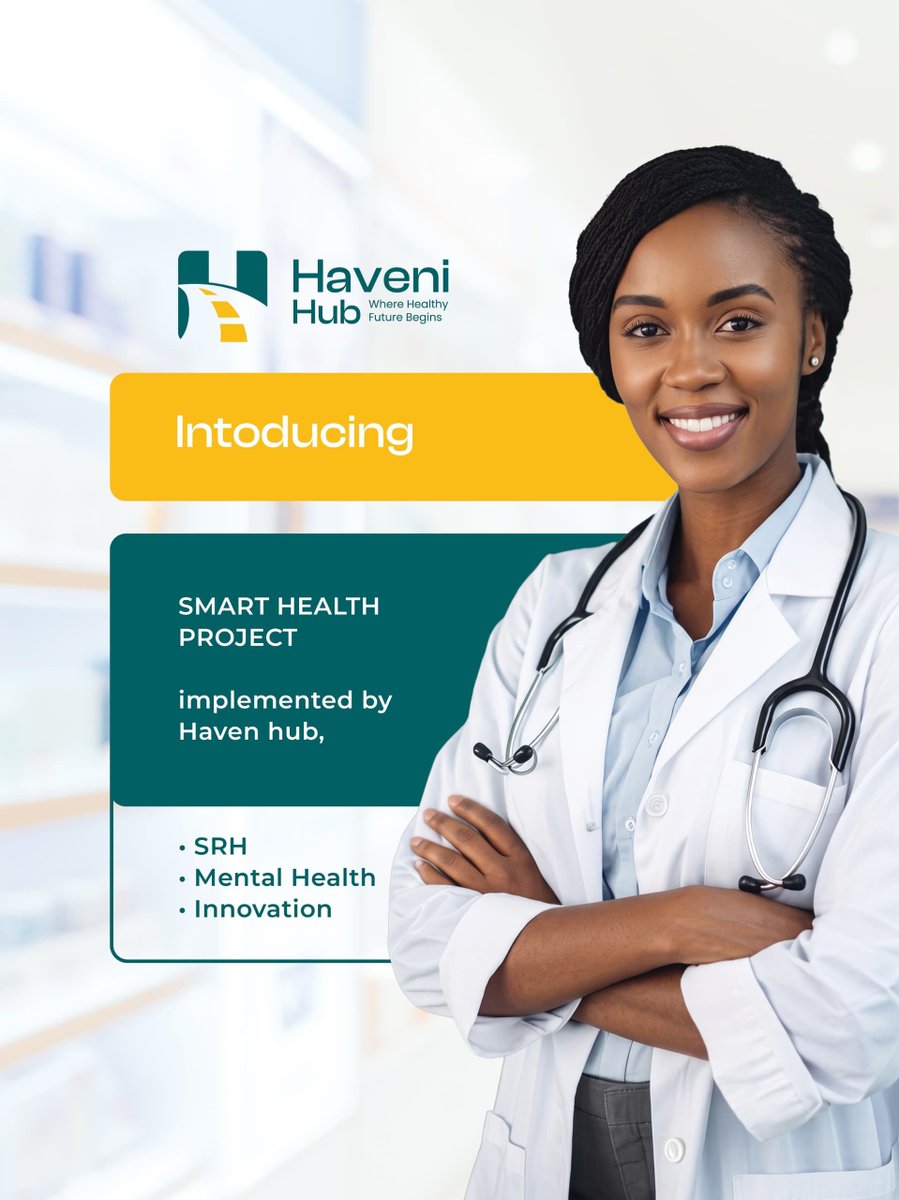
From ideas to impact. 🌱 We’re just getting started with SMART HEALTH PROJECT at HAVENi Hub , working to advance Mental health and ASRH support for young people. More is yet to come—stay tuned.
🚀 #SmartHealthProject#MentalHealth#ASRH#YouthHealth
For many adolescents, the gap is no longer simply access to information, it is access to continuous, practical, and trusted support beyond the moment they receive it.
That’s why we're introducing Smart Health Project.
We are transforming essential health knowledge and age-related life skills into practical, trusted, and accessible support, combining physical and digital solutions to reach young people wherever they are.
Beyond classrooms and health facilities.
Here is our mission, simply: To equip and nurture the next healthy generation.
SMART HEALTH PROJECT
Where Healthy Futures Begin.
#SmartHealthProject #YouthHealth #MentalHealth #SRHR #Rwanda #HealthInnovation #Ubuzima #Rwanda
One thing my journey in healthcare has taught me is that NCDs are not just statistics they affect real people, real families, and real communities.🇷🇼
Through my experience as a student in healthcare and participating in community outreach, I’ve seen how awareness, prevention and early detection can make a real difference. Sometimes, a simple conversation about healthy lifestyles or encouraging someone to seek screening early can be the first step toward saving a life.
My testimony is simple: knowledge can protect a life, but action can save it.
Let’s speak about NCDs. Let’s get checked. Let’s encourage our families and communities to act early. ❤️
I choose to #LeadOnNCDs and #ActOnNCDs.
@RwandaNCDA
#GW4ARwanda
Alcohol remains a major risk factor for NCDs, cancers, and chronic illnesse with no safe level of consumption. Protecting our population, especially youth, requires sustained enforcement and evidence-based alcohol control policies.
📄 Read our full statement below 👇
#BeatNCDs
Presumption of innocence: justice should not become punishment before trial
A legitimate question for the duty bearer is this: Does due process permit an accused person to be publicly named, paraded in handcuffs, photographed, and have the allegations against them publicly listed before they have had a meaningful opportunity to present their side of the story?
This question is not merely about preferred law-enforcement practice; it touches directly on a constitutional guarantee. Article 29(1)(b) of the Constitution of the Republic of Rwanda provides that everyone has the right “to be presumed innocent until proved guilty by a competent Court.”
Constitutionally, therefore, a person who has been accused, arrested or detained does not become a criminal simply because allegations have been made against them. They remain presumed innocent unless and until a competent court establishes their guilt.
If an accused person is expected to wait until appearing before a competent court to present their defence, should a similar degree of restraint not apply to public authorities? Why should allegations be communicated in ways that may create an impression of guilt before the evidence has been examined and tested through the judicial process?
This is where the duty bearer should explain how the public presentation of suspects is reconciled with the presumption of innocence, human dignity, due process and the right to a fair trial. Law enforcement and public accountability are essential. Society must be protected, offences must be investigated, and those against whom sufficient evidence exists should face justice. But these objectives must be pursued within constitutional safeguards. How justice is administered matters just as much as the objective of holding people accountable.
There is also a deeper human and social dimension that deserves attention. Could some of these practices unintentionally create or recycle wounds within individuals, families and communities?
An arrest may last a few days or months, but a photograph, accusation or headline can remain online for years. In the digital age, the consequences of public exposure can outlive the criminal proceedings themselves. Search engines and social media do not necessarily distinguish between someone who was arrested and someone who was ultimately convicted.
This raises an important question; What happens when someone who has already been publicly presented as an alleged offender is subsequently acquitted, or when the charges are dropped?
Can the State fully restore that person’s reputation, employment opportunities, relationships and standing in the community? More importantly, will an acquittal receive the same publicity as the original arrest? The courts may ultimately clear someone, but society may continue remembering the photograph of that individual in handcuffs.
We must also consider the consequences for families, particularly children. What does it mean for a child to repeatedly encounter photographs of a parent publicly displayed as an alleged criminal, only for that parent later to be cleared? The resulting humiliation, anger, mistrust and psychological wounds may extend far beyond the individual who was arrested.
Sometimes, when we encounter adults struggling with anger, mistrust or other forms of difficult behaviour, we concentrate on what they are doing today without asking what they experienced when they were young. Institutions therefore have a responsibility to think not only about administering justice today, but also about the social and psychological consequences their methods may unintentionally carry into tomorrow.
None of this means that suspected offenders should not be arrested, investigated or prosecuted. Where there is evidence, the law must take its course. Nor does the presumption of innocence prevent authorities from informing the public about legitimate investigations.
The fundamental question is one of proportionality and constitutional principle: Can law enforcement remain firm, transparent and effective without turning arrest and accusation into a form of public punishment before a competent court has determined guilt?
Article 29(1)(b) reminds us why that distinction matters. An accusation is not a conviction. An arrest is not proof of guilt. And the presumption of innocence must mean something not only inside the courtroom, but also in how institutions communicate and exercise their authority before judgment.
📹 Credit to @Kigalitoday
🚨Health Spotlight || For decades, scientists searched for a vaccine against malaria. Then came a historic breakthrough.
In 2021, the World Health Organization recommended the RTS,S malaria vaccine for children living in areas with significant malaria transmission. It was the first malaria vaccine to receive this recommendation for children.
The achievement followed decades of research and clinical development, with important trials and studies taking place in African countries. The vaccine does not replace other malaria prevention measures, but it adds another tool to the fight against the disease.
Malaria continues to affect millions of people, particularly in sub-Saharan Africa. Combining vaccination with mosquito nets, testing, effective treatment, and other prevention measures can help protect children and communities.
🔦Health Spotlight celebrates medical breakthroughs that give communities new tools to fight disease.
Did you know that Africa played an important role in the development and evaluation of the first WHO-recommended malaria vaccine?
#HealthSpotlight #Malaria #MalariaVaccine #MedicalInnovation #Africa #GlobalHealth #Rwanda #HealthNetworkMedia #HNM
@RwandaHealth@WHORwanda@nsanzimanasabin@mnls_nke@harerimana_tito@HDIRwanda@RBCRwanda@medsar_rwanda@RPSARwanda@Nsengiymvathier@KarangwaChri@BrianChirombo@MethodeYusufu@OlivisAnes@Cyubahiro_01@aime_bertrand_1@n_gerishomu@JosephRyarasa@RwandaHealthMag@PIH_Rwanda
🚨HNM NEWS | Why Rwanda Is Tightening Alcohol Controls Before Tobacco Restrictions!?
Why Rwanda Is Acting More Urgently on Alcohol Than Tobacco
Rwanda’s Minister of Health, Dr. Sabin Nsanzimana/ @nsanzimanasabin , has explained why the government has moved more urgently to control substandard alcoholic beverages, including those locally known as “Ibyuma,” while tobacco products remain legally available.
Speaking during an online discussion about the government’s campaign against unsafe alcohol, Dr. Sabin said the government’s priorities are guided by public-health data and the scale of the current health risks.
🍺Alcohol remains a major concern
According to the Minister, alcohol consumption remains widespread in Rwanda. He said approximately one in two men and one in five women consume alcohol, with particular concern around beverages containing 40% or more alcohol.
The government has therefore intensified inspections, seizures and destruction of non-compliant alcoholic beverages as part of efforts to prevent serious health consequences.
The urgency follows reports of severe harm linked to substandard alcoholic beverages. The Ministry of Health has reported that around 50 people died and about 100 others suffered blindness, while more than 11,000 people are struggling with alcohol dependence.
🚬What about tobacco?
Dr. Sabin emphasized that tobacco has not been removed from the government’s public-health agenda.
He explained that tobacco use has already declined significantly in Rwanda, from 13% to 7%, following measures introduced to reduce smoking.
His message was that the government is currently prioritizing the issue causing the more immediate and widespread harm, while continuing to address tobacco use.
«“Tobacco also has its time coming,” the Minister said, emphasizing that tobacco remains part of the government's health agenda.»
WHY THIS MATTERS!?
This discussion highlights an important principle in public health: health policies are often prioritized according to the size, urgency and evidence of a particular risk.
The focus on unsafe alcohol does not mean alcohol is the only health concern, nor does it mean tobacco is harmless. Both can cause serious health problems, but the government is currently placing stronger immediate attention on alcohol-related harms.
📢HNM ADVICE
For the public, the message is simple:
Do not consume alcohol of unknown origin or beverages that may be illegally produced or contaminated. Avoid excessive alcohol consumption and seek professional help if alcohol use is becoming difficult to control.
And when it comes to tobacco, a decline in use does not mean the risk has disappeared. Avoiding tobacco remains one of the best ways to protect your health.
Your health is more valuable than a drink or a habit. Make informed choices.
#HealthNetworkMedia #HNM #Rwanda #PublicHealth #AlcoholAwareness #Tobacco #HealthAwareness #Ibyuma #HeheNicyuma #Rwanda
@RwandaHealth@WHORwanda@nsanzimanasabin@mnls_nke@harerimana_tito@HDIRwanda@RBCRwanda@medsar_rwanda@RPSARwanda@Nsengiymvathier@KarangwaChri@BrianChirombo@MethodeYusufu@OlivisAnes@Cyubahiro_01@aime_bertrand_1@n_gerishomu@JosephRyarasa@RwandaHealthMag@PIH_Rwanda
🚨HNM NEWS || 🇷🇼Rwanda Sets 2030 Goal to Eliminate Neglected Tropical Diseases.
Rwanda has introduced a new Strategic Plan for Neglected Tropical Diseases (NTDs) for 2026–2030, with the goal of accelerating efforts to eliminate most NTDs as a public health problem by 2030.
The plan emphasizes stronger disease-specific interventions, integration of NTD services into primary healthcare, stronger health systems, sustainable financing, innovation, and collaboration across different sectors.
What are NTDs?
Neglected Tropical Diseases are a group of diseases that disproportionately affect vulnerable communities and can have serious effects on health, education, livelihoods, and quality of life.
In Rwanda, efforts include addressing conditions such as intestinal worms, schistosomiasis (bilharzia), rabies, snakebite, scabies, podoconiosis, and other neglected conditions.
Why does this matter?
Eliminating these diseases is not only about treatment. Prevention starts in our communities.
Access to safe water, proper sanitation and hygiene, avoiding risky exposure, seeking healthcare early, following recommended preventive measures, and supporting community health initiatives can all contribute to reducing the burden of NTDs. Rwanda has already recorded progress in this area, including the elimination of sleeping sickness as a public-health problem and reductions in intestinal worm infections.
📢 #HNM 's message
NTDs may be “neglected,” but they should never be ignored.
As Rwanda works toward the 2030 elimination targets, every individual, family, community, health professional, institution, and partner has a role to play.
Learn. Prevent. Seek care early. Share reliable health information.
#HealthNetworkMedia #HNM #NTDs #Rwanda #PublicHealth
Source: Rwanda Biomedical Centre (RBC) @RBCRwanda@RwandaHealth@WHORwanda@nsanzimanasabin@mnls_nke@harerimana_tito@HDIRwanda@RBCRwanda@medsar_rwanda@RPSARwanda@Nsengiymvathier@KarangwaChri@BrianChirombo@MethodeYusufu@OlivisAnes@Cyubahiro_01@aime_bertrand_1@n_gerishomu@JosephRyarasa@RwandaHealthMag@PIH_Rwanda
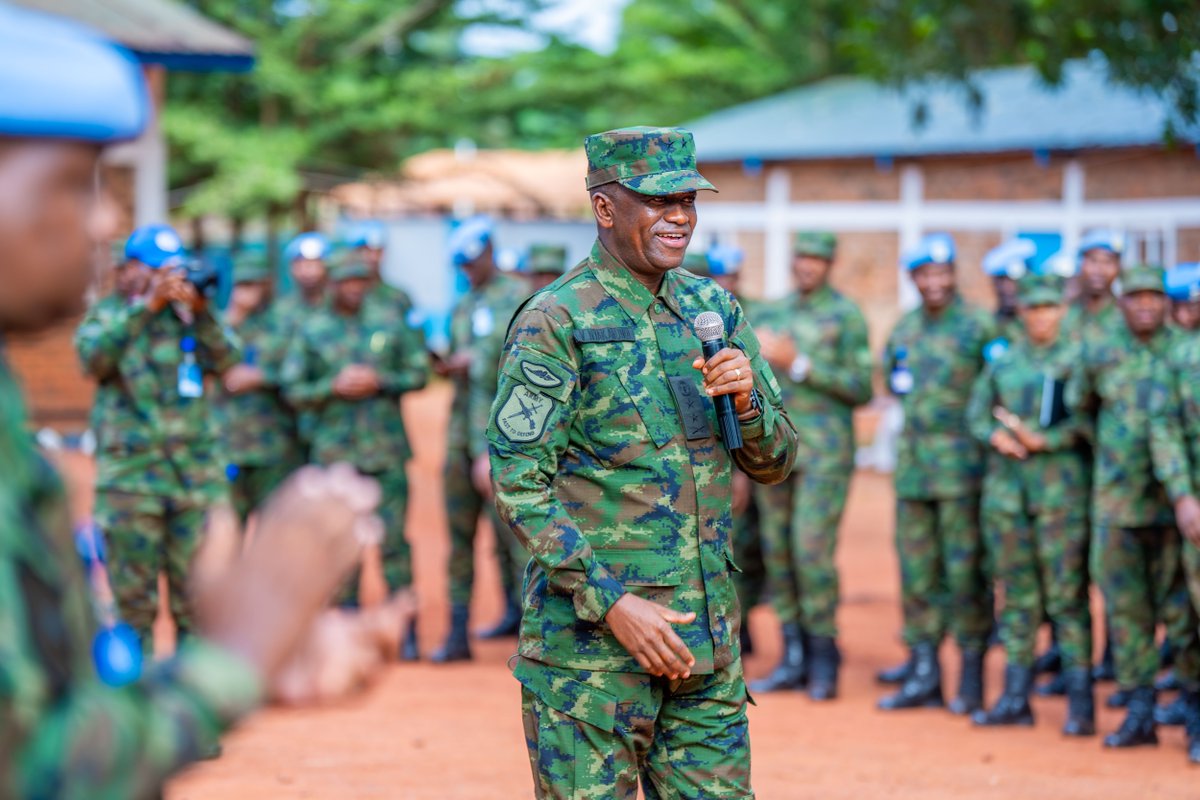
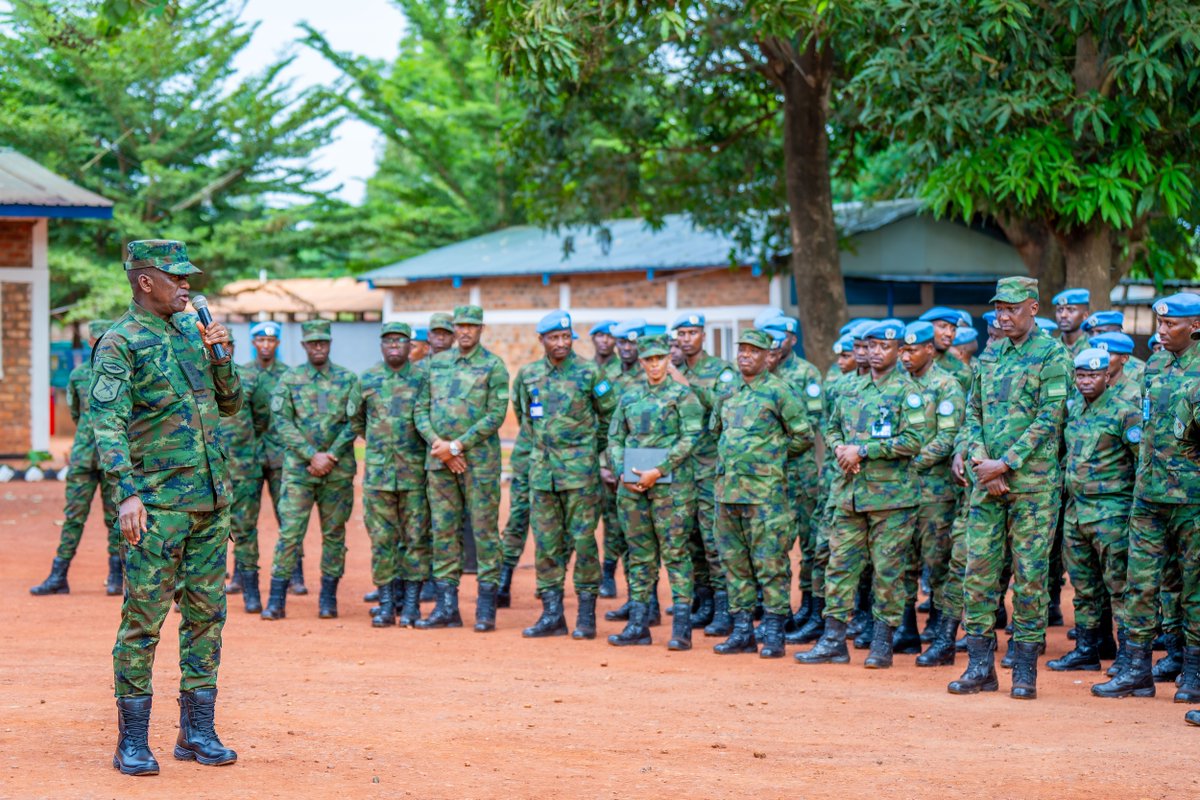
The Rwanda Defence Force (RDF) Army Chief of Staff, Maj Gen Vincent Nyakarundi, today visited the Central African Republic (CAR) to meet Rwandan troops deployed under the United Nations Multidimensional Integrated Stabilization Mission in the Central African Republic (MINUSCA) and Bilateral force.
Accompanied by his delegation, Maj Gen Nyakarundi visited the RWABAT-1 Contingent at Socatel M'Poko Camp in Bangui, where he met with contingent commanders. He commended them for their professionalism, dedication, and outstanding service in carrying out their peacekeeping duties.
He also conveyed a message of appreciation from the Commander-in-Chief and the RDF leadership, thanking all deployed personnel for their commitment to promoting peace and stability.https://t.co/y82kRieJ1t
====================
Umugaba w’Ingabo z'u Rwanda zirwanira ku butaka , Maj Gen Vincent Nyakarundi, kuri uyu munsi yasuye igihugu cya Santarafurika, aho yahuye n’abasirikare b’u Rwanda bari mu butumwa bw’Umuryango w’Abibumbye bwo kugarura amahoro muri icyo gihugu (MINUSCA), ndetse n’abari mu butumwa ku bufatanye bw’ibihugu byombi.
Aherekejwe n’itsinda ayoboye, Maj Gen Nyakarundi yasuye umutwe wa RWABAT-1 ukorera mu kigo cya Socatel M'Poko i Bangui, aho yagiranye ikiganiro n’abayobozi b’uwo mutwe. Yabashimiye ubunyamwuga, ubwitange ndetse n’umurava bagaragaza mu gusohoza neza inshingano zabo zo kubungabunga amahoro.
Yanabagejejeho ubutumwa bw’ishimwe bwaturutse kuri Nyakubahwa Perezida wa Repubulika akaba n'Umugaba w’Ikirenga w’Ingabo z’u Rwanda, abashimira uruhare rwabo mu guharanira amahoro n’umutekano.https://t.co/Z9BhBVpuju