Promising trends for families across the nation, but many continue to feel the lasting effects of widespread unemployment during the pandemic, a rising cost of living, and inadequate government assistance.
#Census#Poverty#ChildTaxCredit
https://t.co/mVr4eD4ADj
Curious about how the state budget is funded, and how those monies are distributed through the government? Join us for a briefing and panel discussion featuring former Gov. David Ige and Beth Giesting, who wrote our Budget Primer, Sun., Feb. 15 at 5 p.m.
https://t.co/kade9juVle
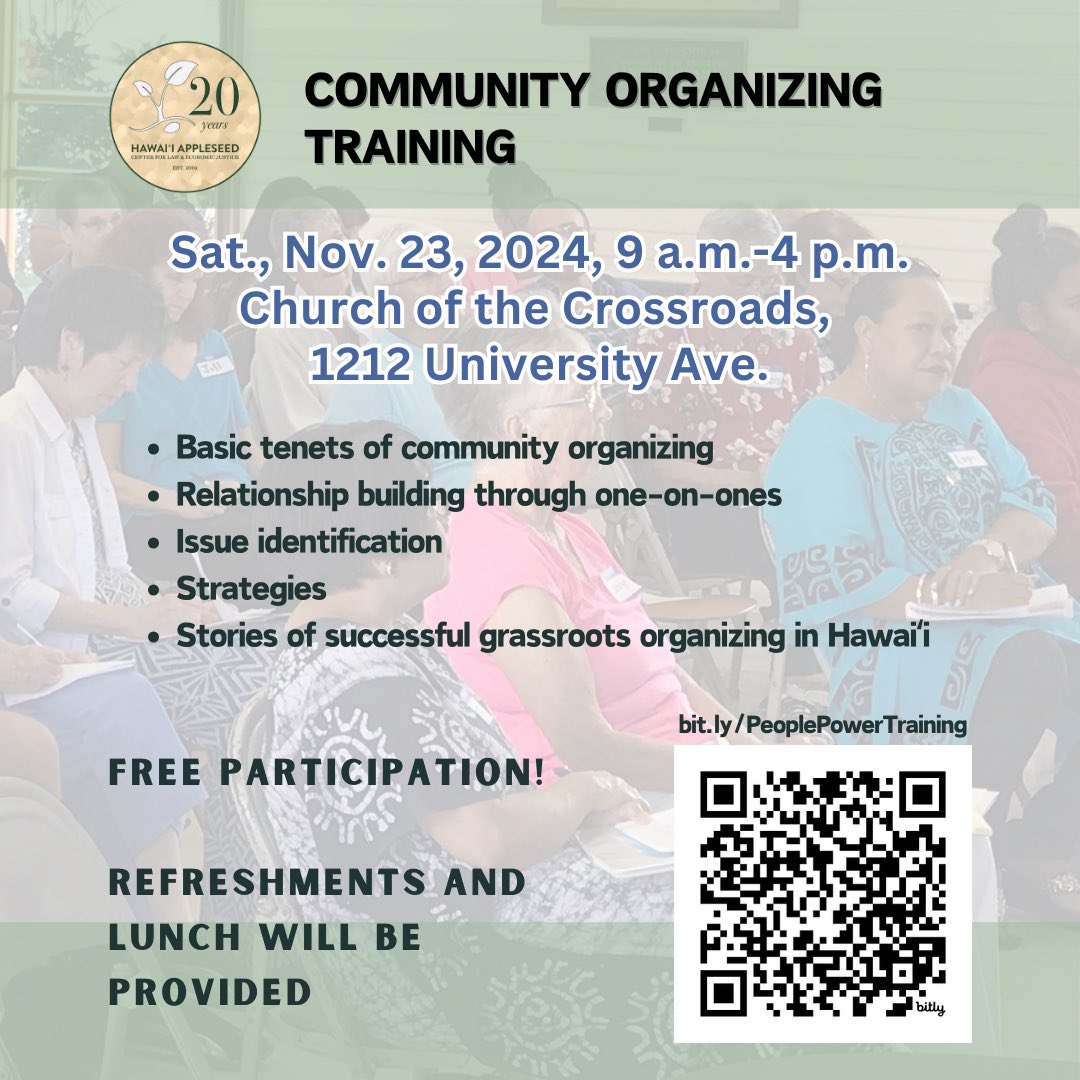
Together with @HawaiiAction, we're looking for community members who are interested in advancing their organizing skills to build power and change the way our communities access food equitably for a training bootcamp.
Learn more and apply at https://t.co/8LX1QrljbC by Sept 13.
Mahalo @CivilBeat for covering one of our signature products: the Budget Primer!
Every biennium, the state plans its spending through a budget. The budget can be very hard to decipher! Our primer is a “major step toward enlightenment,” says the Blog.
https://t.co/Vn7J0tnYD7
Hawaiʻi Appleseed turns 20 years old this year, and the organization is celebrating two decades of advocacy for a Hawaiʻi in which everyone can meet their basic needs while living happy, healthy and creative lives.
https://t.co/v7UjEjuzjJ
"The legislature should be proactive in the 2025 session. The alternative to cutting taxes is to cut services. Research shows that the most productive public investments are in infrastructure and “human capital”—medical care, education and job training."
https://t.co/i8Wz6XQ3XL
The tax contributions of undocumented immigrants in Hawaiʻi could increase to as much as $194.4M if they were given official work authorization. Hawaiʻi’s congressional delegation should join the call to allow work permits for these community members.
https://t.co/sfR8EKtG2q
A new report from @iteptweets lifts up the significant economic contributions undocumented immigrants make to our government through the taxes they pay. The technicality of their work status not only burdens them, but also limits their economic potential.
https://t.co/sfR8EKtG2q
1 in 3 Hawaiʻi households experienced food insecurity last year, underscoring the urgent need for robust policy interventions to ensure that all residents have access to adequate and nutritious food.
#FoodEquity#FoodPolicy#Antihunger
https://t.co/o74yljdGIx
Last minute changes to the bill, made without public scrutiny, will increase its cost by nearly eight-fold, while higher-income households will get a far bigger benefit than those struggling to make ends meet.
#FundOurFuture
https://t.co/1uSYPXd7nc
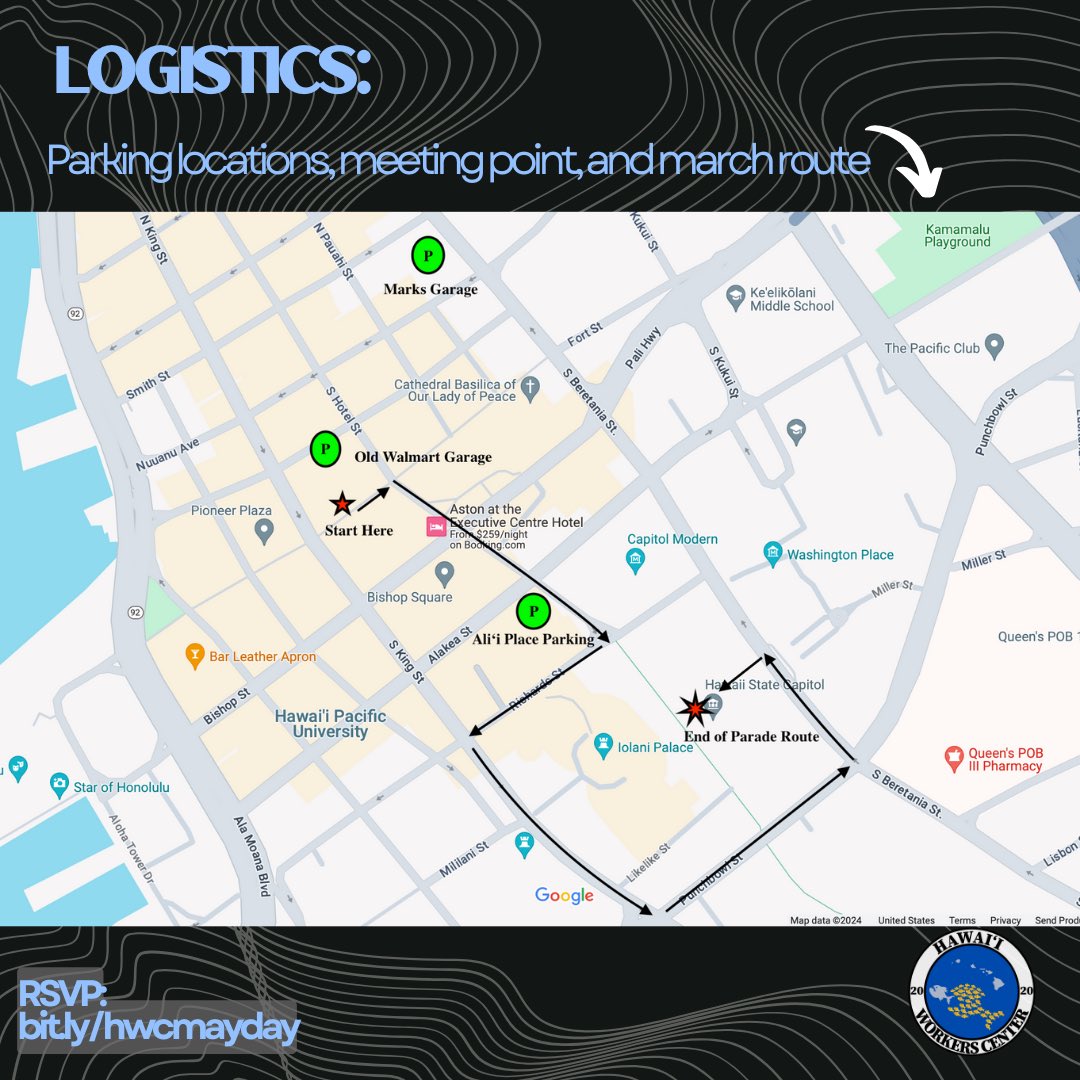
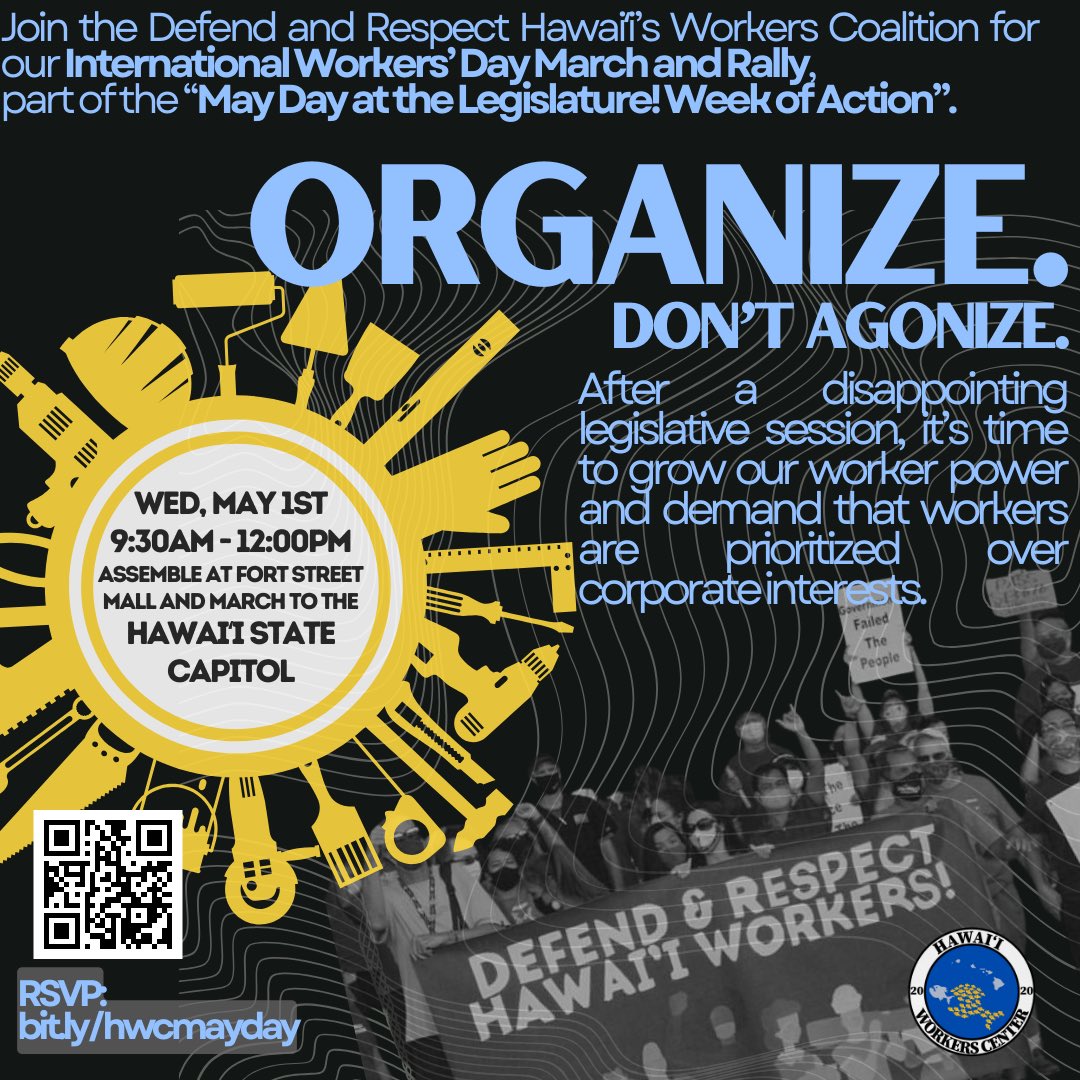
Celebrate International Workers Day with the Defend and Respect Hawaiʻi’s Workers Coalition. Wed., May 1st; gather at 9:30AM at Fort Street Mall, where we will begin our march to the Capitol.
From Palestine to Hawaiʻi, WORKERS OF THE WORLD UNITE.
RSVP: https://t.co/v9mBz6LlGn
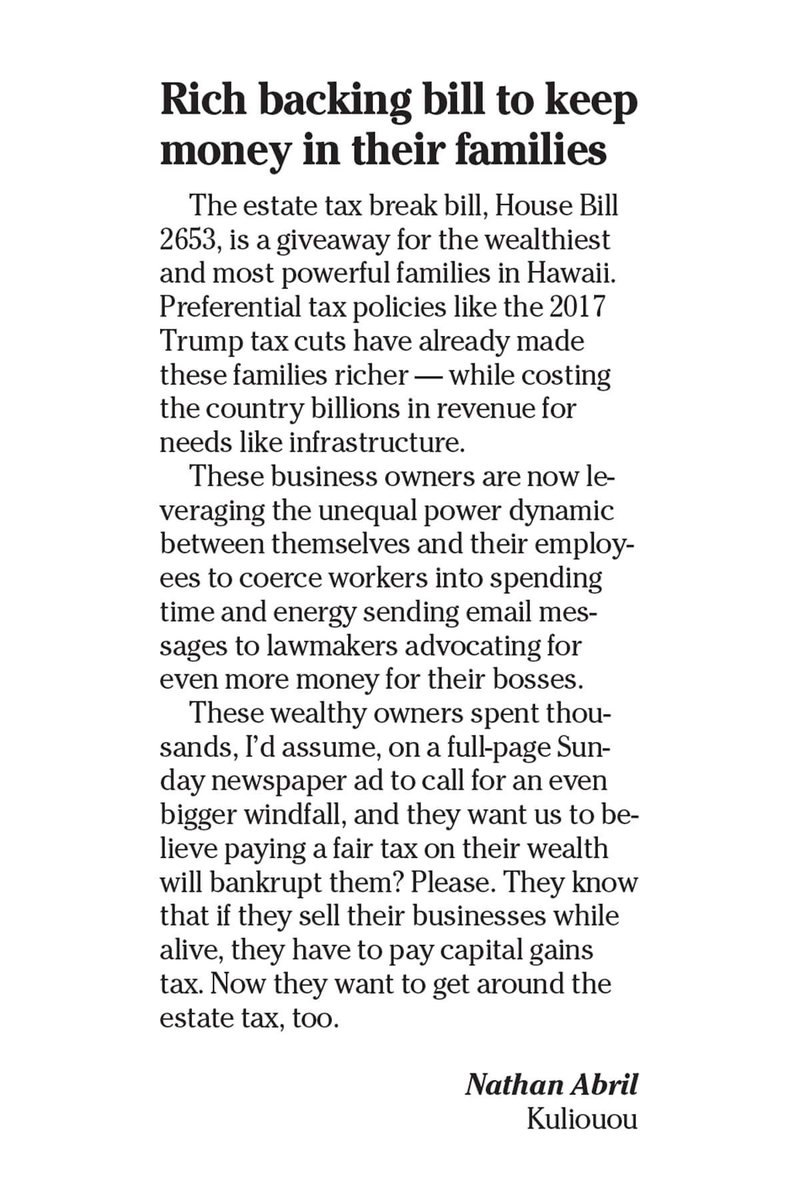
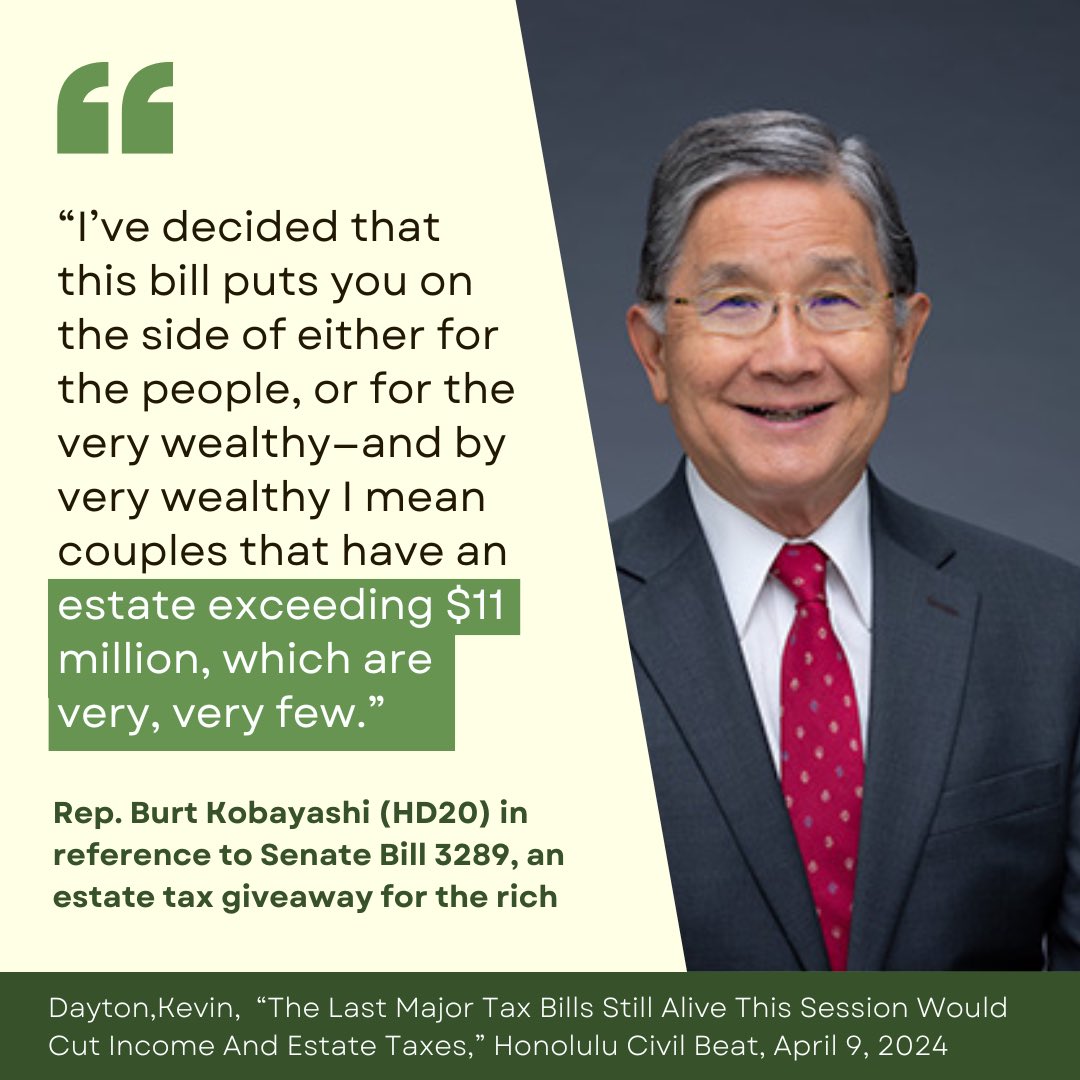
A letter to the editor in today’s Star-Advertiser that nails the issue with the Estate Tax giveaway bill, HB2653.
#FundOurFuture
https://t.co/eEXXt1sfvV
And use the money raised from taxes on the rich to fund Universal Free School Meals, SNAP expansions and other policies that allow Hawai‘i families to be able to afford the cost of healthy food.
Expanding the estate tax exemption—as proposed in HB2653—is the wrong choice for Hawaiʻi and would curb our ability to combat rising income inequality, while depriving our budget of much needed revenue. We should instead raise taxes on the super rich.
https://t.co/pn21QDDKSx
“It is incredibly tone deaf to give huge tax breaks to Hawaiʻi’s wealthiest heirs when the Legislature is facing so many urgent needs in our community, first and foremost the recovery of West Maui.”
“Recent polling shows that 2 in 3 Hawaiʻi voters believe elected officials care more about ʻwealthy donors’ than the ʻneeds of their communities.’ If our legislators pass HB2653, they will have proved those voters right,” writes Kim Coco Iwamoto
https://t.co/NXq5f2sTOf
The measure is scheduled for another floor vote today, but it is not certain that the House will again vote to approve it.
Tell your lawmakers to reject estate tax giveaways for the rich at https://t.co/KOBeGFVOOu
#TaxTheRich#FundOurFuture
For $23 million a year, lawmakers could have given our public school Keiki a leg-up on learning with Universal Free School Meals. Instead, they’re offering a $43 million a year tax cut to the richest 0.2% of households in Hawai‘i. What are we doing here?
“If we want an economy in which Hawai‘i’s working families can make ends meet, we need to align our policy with our values. We missed opportunities to gain ground this year. We cannot afford to walk backwards with estate tax cuts for the wealthy few.”
https://t.co/1FlOnOadfL