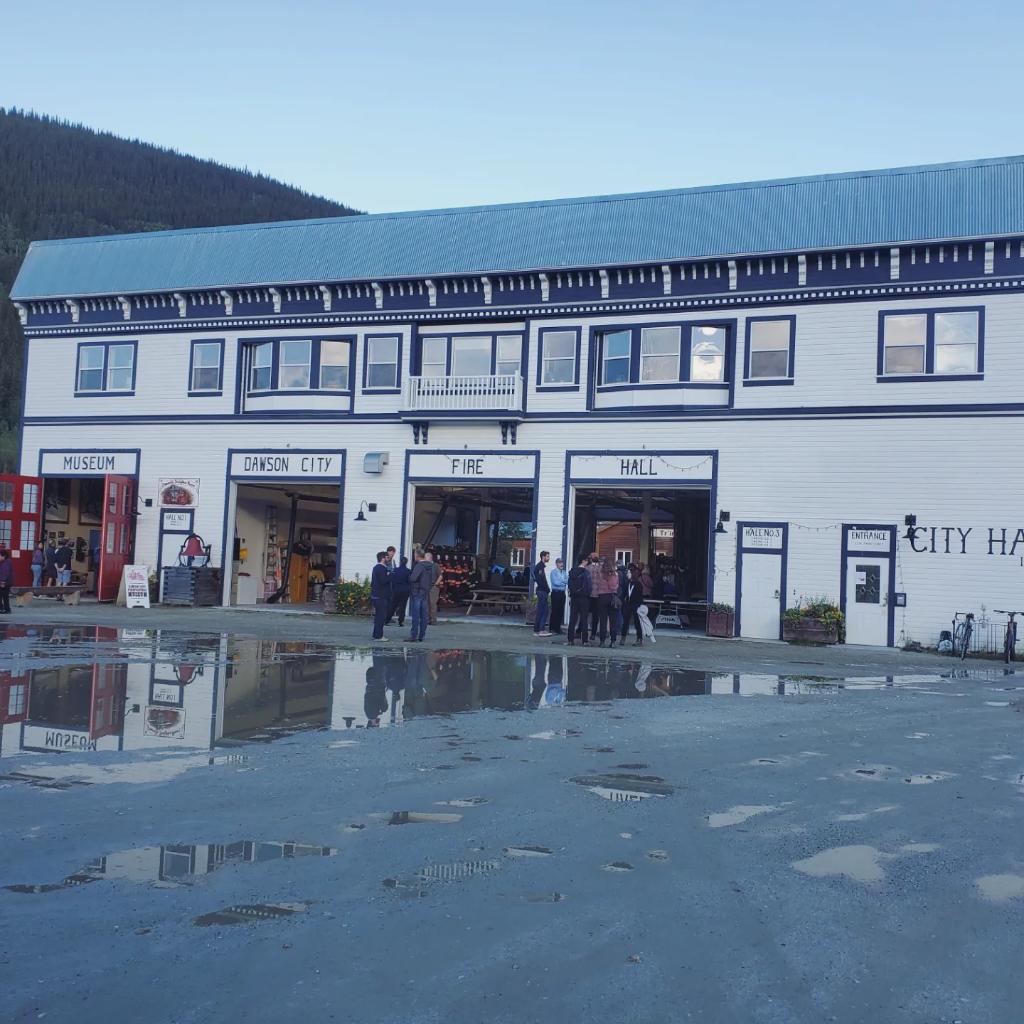
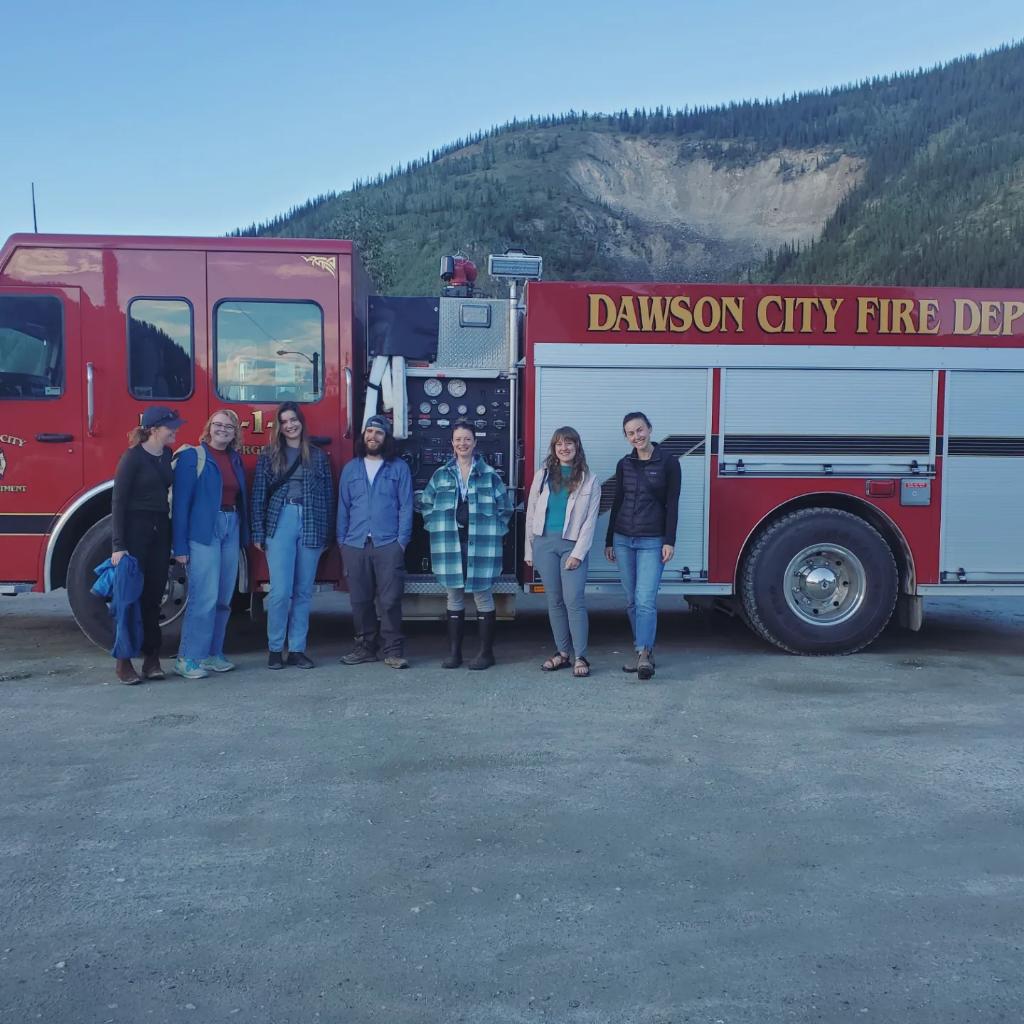
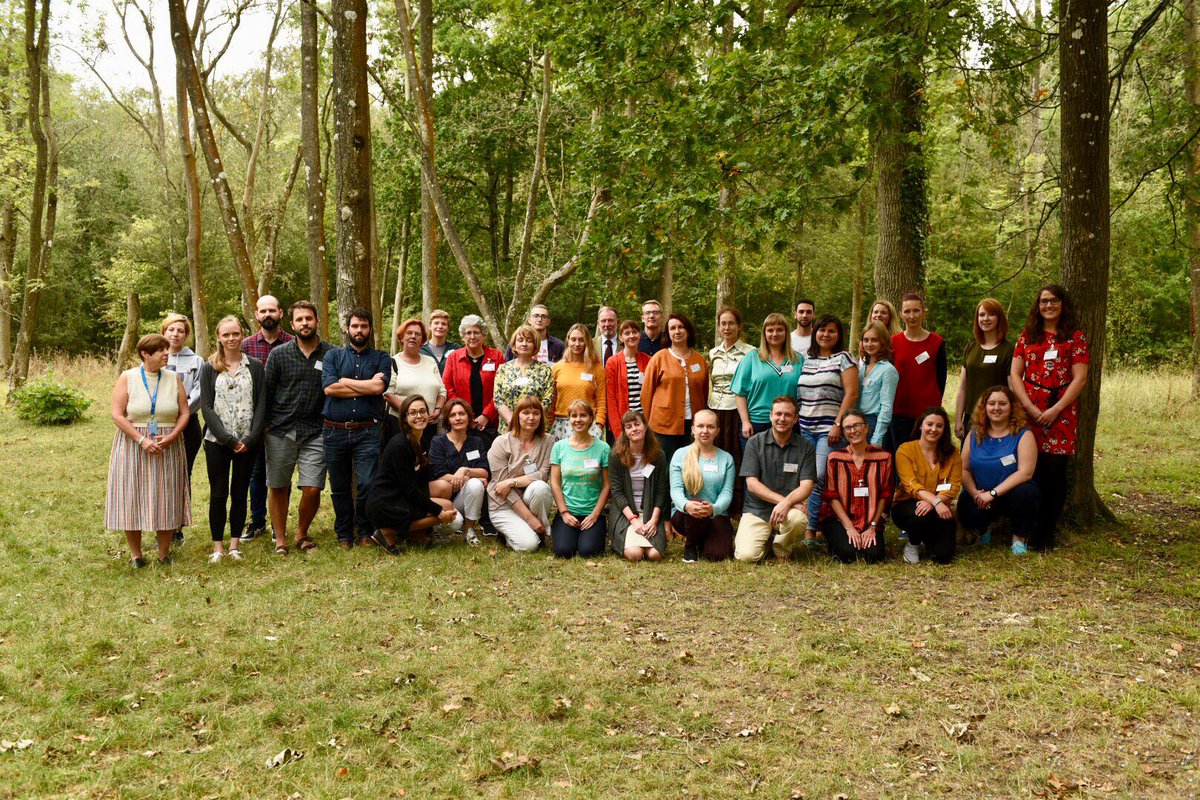
Taking a break from @palaeothaw fieldwork to attend the @cpa_acp meeting in Dawson. Great first day of talks and amazing field trip to the Klondike goldfields.
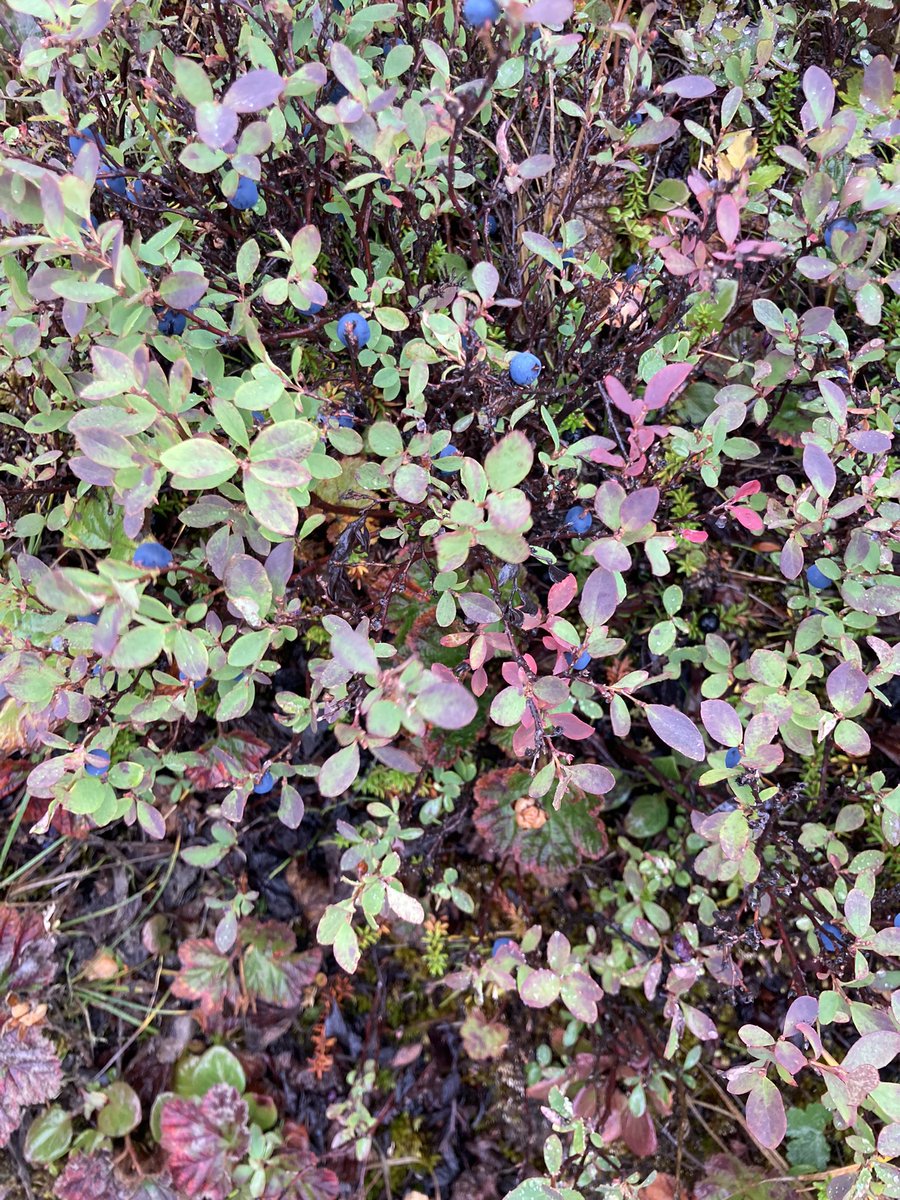
The Arctic is full of edible berries in late Summer such as cranberries, cloudberries, crow berries, blueberries, bear berries. All growing on top of the permafrost active layer. Frozen permafrost is about 20cm below these plants @palaeothaw
We are seeking a talented lecturer for our renowned Department of Archaeology, Classics and Egyptology @LivAncWorlds
Are you outstanding in archaelogical teaching? Find out more and apply here: https://t.co/11Kgi0joPB #job#lecturer#palaeolithic
El Mirón Cave, famous for it's rich Magdalenian deposits, and the 'red lady burial', also contains much older occupation levels. Here we discuss the Middle-Upper Palaeolithic diets & environments of Neanderthals & AMH.
Free for 50 days using this link:
https://t.co/mRlNQJS5Mh
Our new @upnorthproject paper: Deglacial landscapes & the Late Upper Palaeolithic of Switzerland
#stableisotopes#bonecollagen
*Previously ice-covered & ice-free areas have different δ34S & similar δ15N.
*δ34S = linked permafrost thaw & soil processes.
https://t.co/gTh0WibnKq
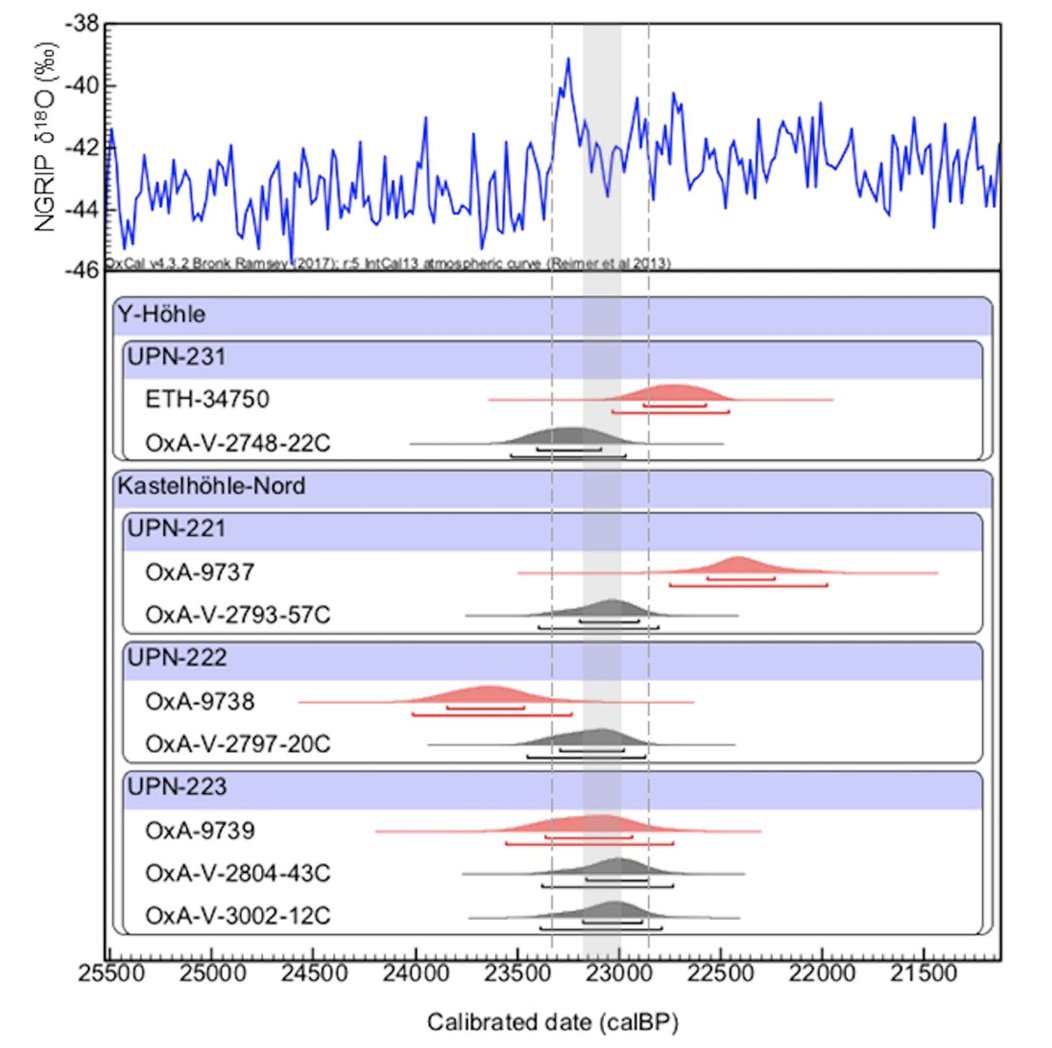
Our new paper "14C chronology & environmental context of Last Glacial Maximum human occupation in Switzerland" https://t.co/QqbLgpv2G3
Human presence less than 50km from maximum ice sheet extent corresponds to GI2 brief warming phase
#stableisotopes#openaccess@UCLarchaeology
Great #INQUADUB19 representation from @UCLArchSci@UCLarchaeology today
@philriris talking about Holocene population decline in South America at 09:15. Posters from @skinner_fm (P-4215 OIS3 fauna in Britain) and @upnorthproject (P-4427 Pleistocene isoscapes) this afternoon