Investigating past & present permafrost thaw via #stableisotopes. Team from @UCLarchaeology @SussexGeog @SEELeeds: Funded by @LeverhulmeTrust PI:@NannonStevens
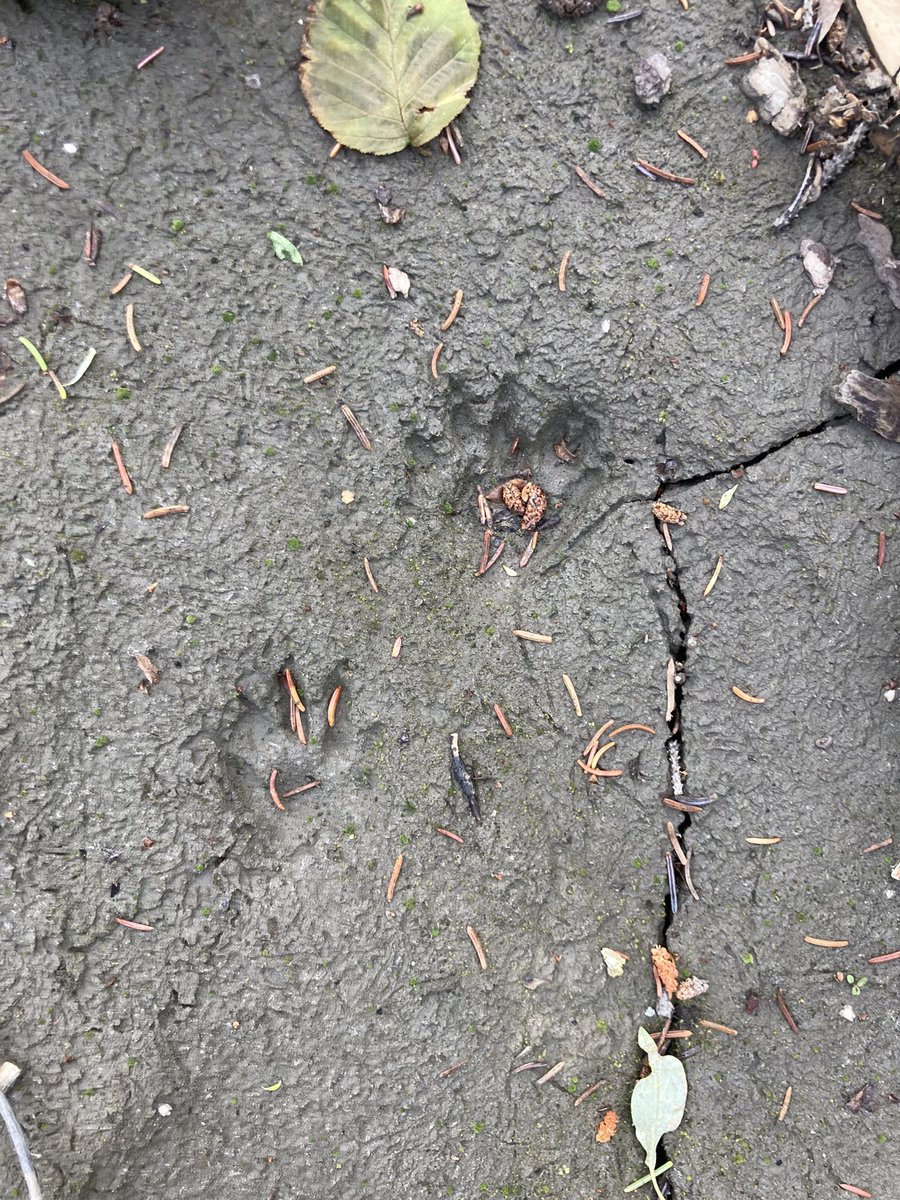
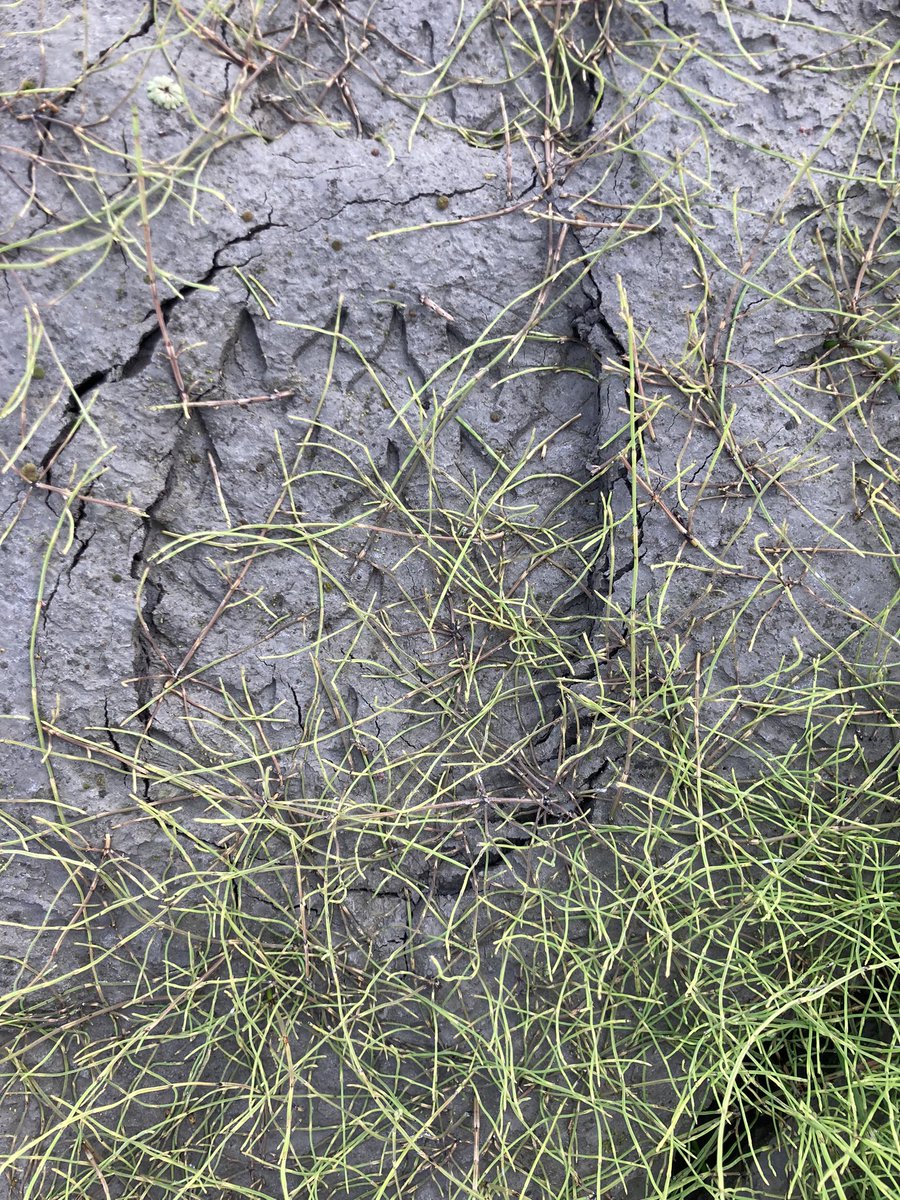
Lots of fresh footprint at our @palaeothaw field sites today: grizzly bear, wolf, beaver &moose, +we spotted a brown bear &beaver today. Great to have our wild life monitor &local guide with us today to keep us safe whilst studying thawing permafrost landscapes @LeverhulmeTrust
Taking a break from @palaeothaw fieldwork to attend the @cpa_acp meeting in Dawson. Great first day of talks and amazing field trip to the Klondike goldfields.
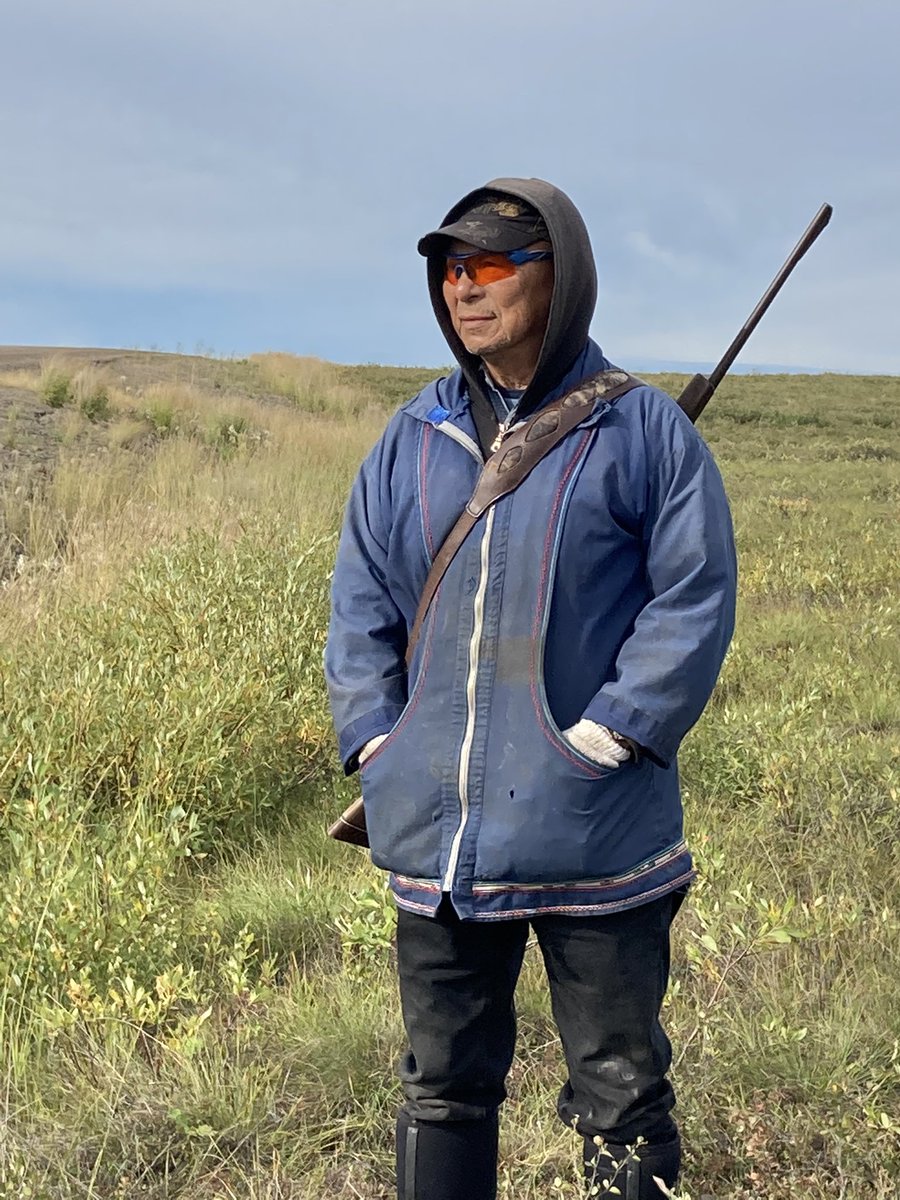
Very happy to have our local guide and wildlife monitor Edwin Amos as part of the @palaeothaw team today especially when we saw a bear on the river banks close to our field site 🐻 I was too focused on the bear to take a photo!
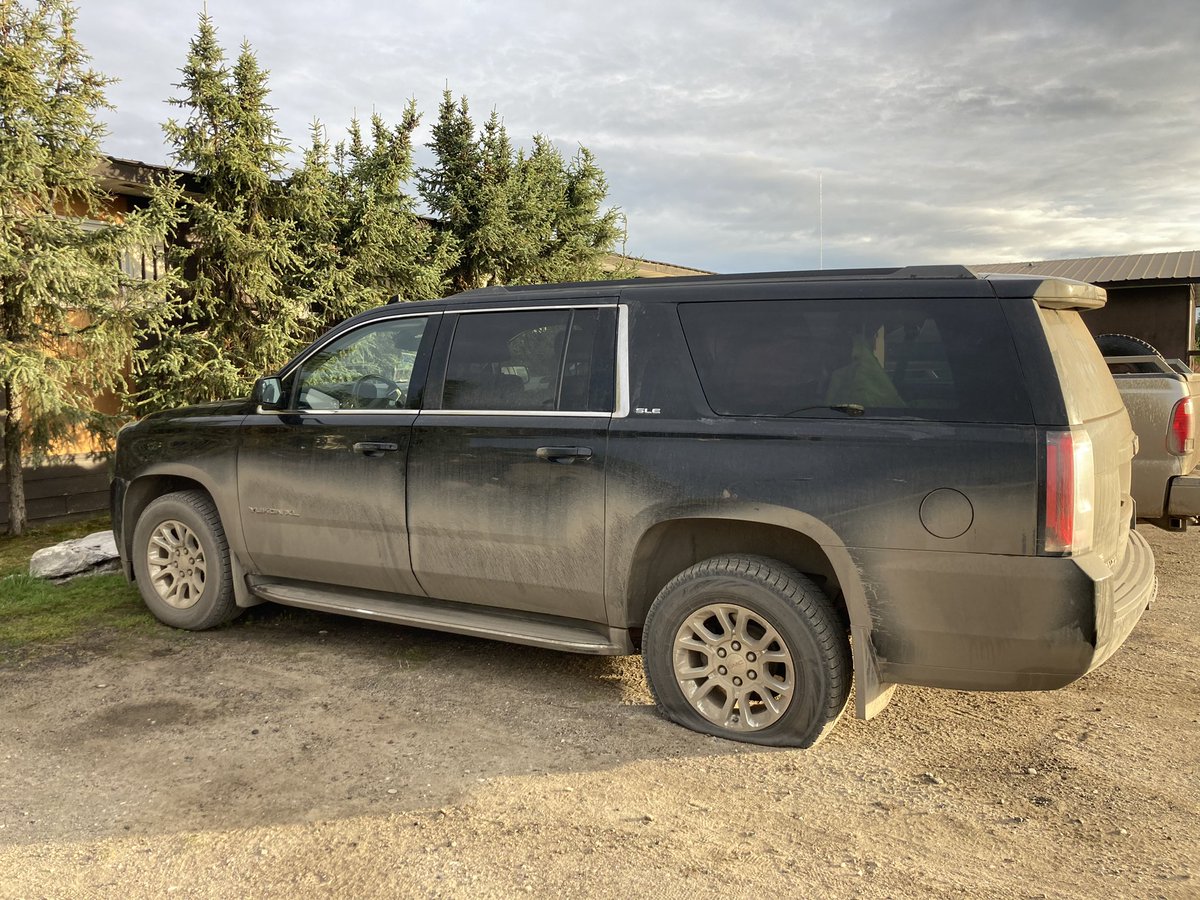
We washed our black field vehicle before leaving tuktoyaktuk. When we arrived in Inuvik 150km later it was filthy again! The road is a gravel track as paved roads don’t survive well in Permafrost landscapes & the surfaces break up within a couple of years.
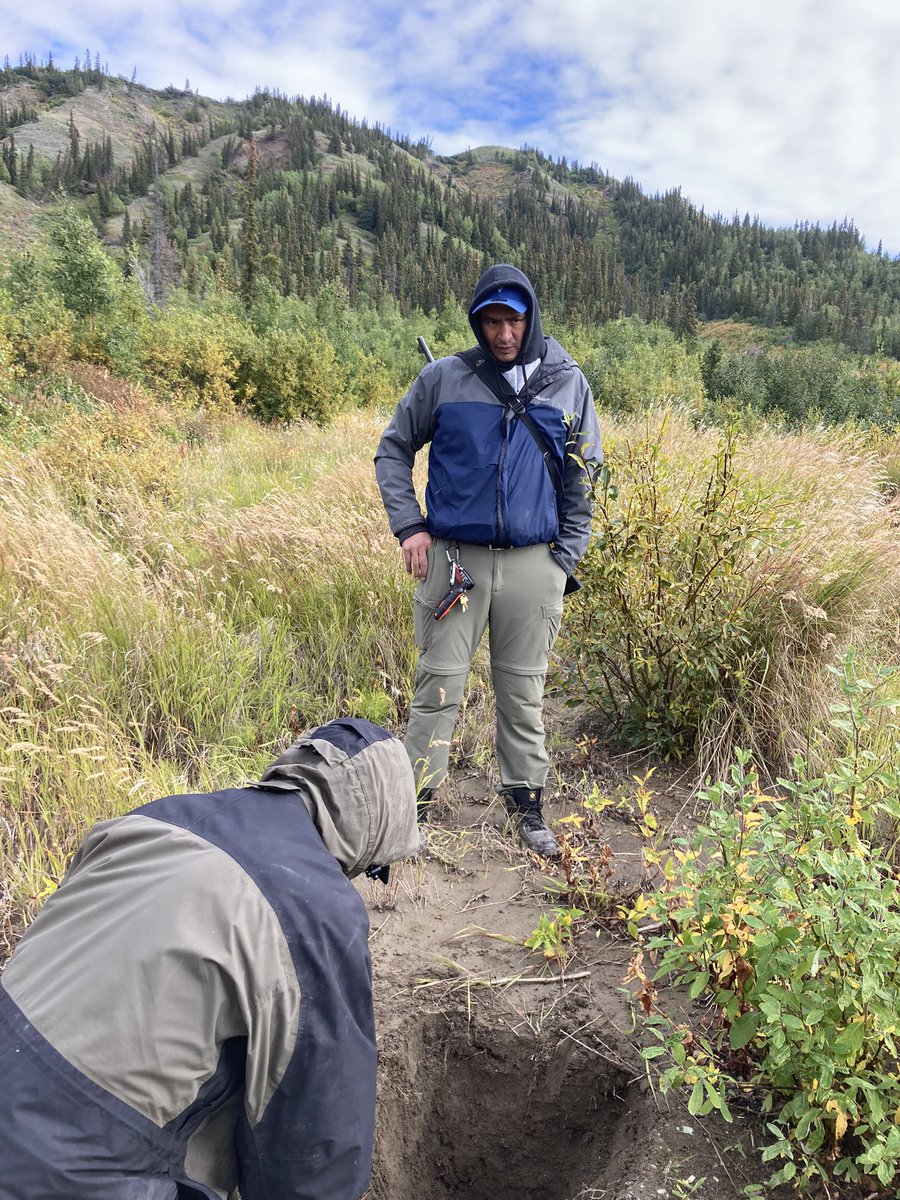
@Palaeothaw team members @HazelReade & Julian Murton probing the permafrost to establishing the depth of the active layer, pretty deep at this site compared to some other locations we have tested.
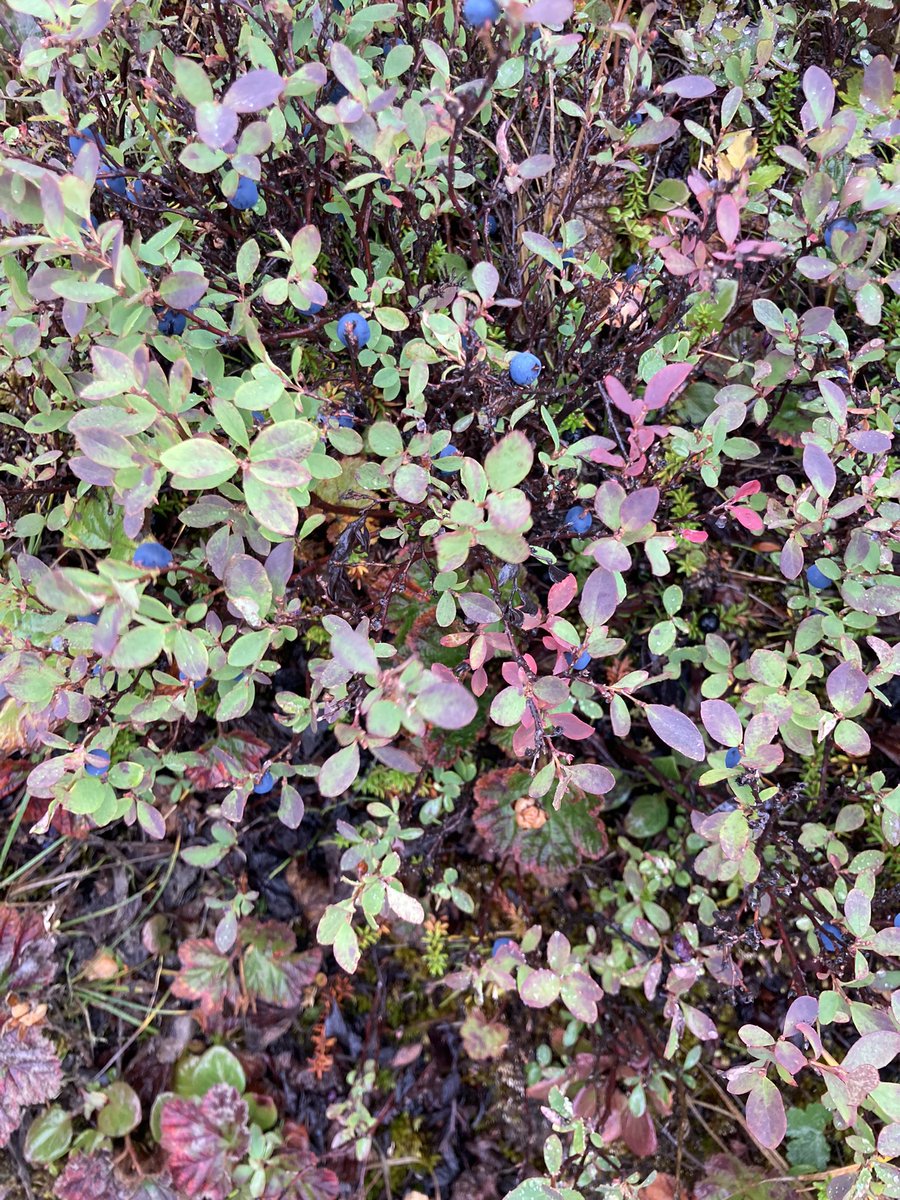
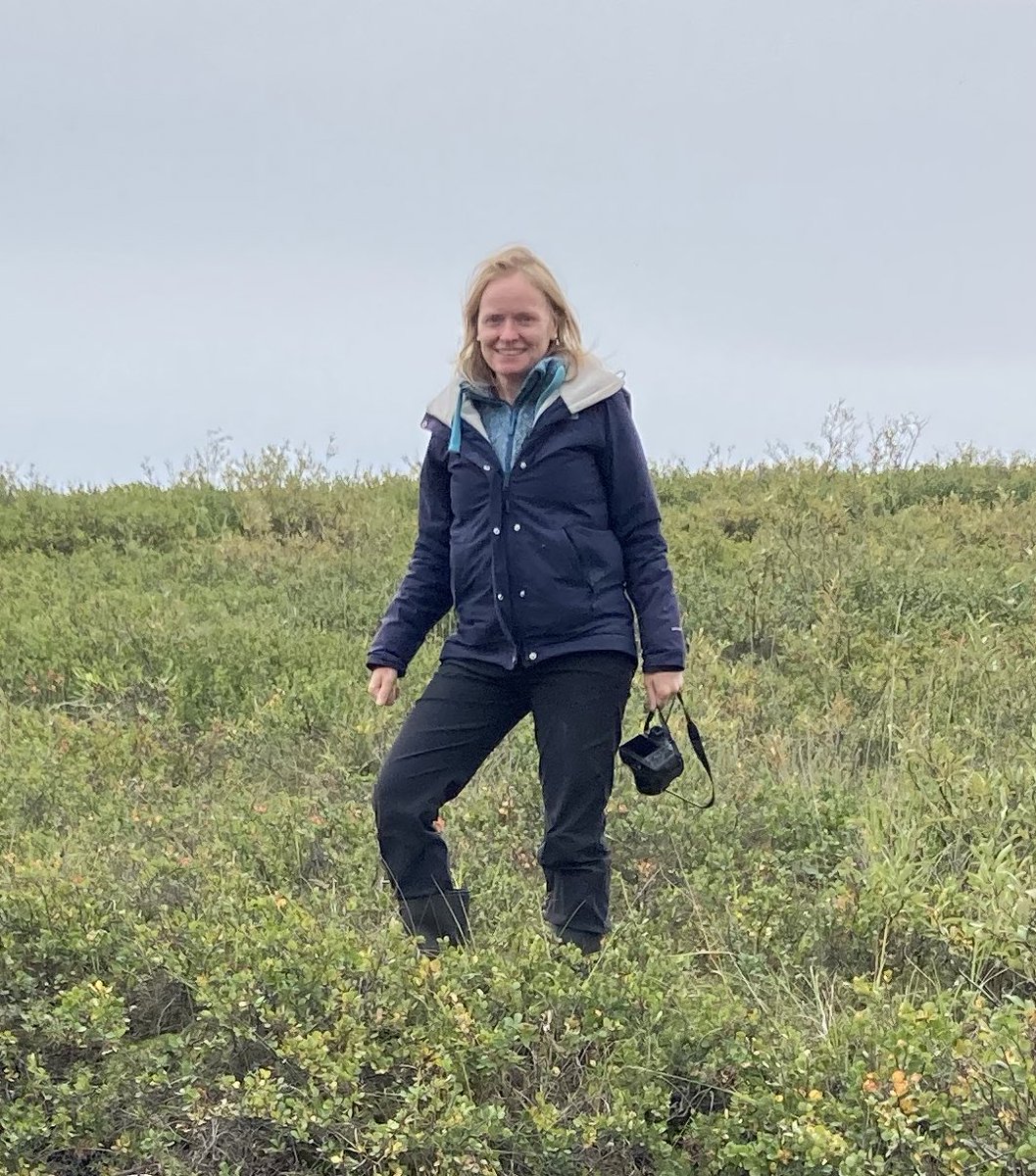
The Arctic is full of edible berries in late Summer such as cranberries, cloudberries, crow berries, blueberries, bear berries. All growing on top of the permafrost active layer. Frozen permafrost is about 20cm below these plants @palaeothaw
Tricky conditions for today’s @LeverhulmeTrust funded @palaeothaw research team. Weather has changed: strong cold winds and rain… snow will start in a week or two. A few weeks ago record temperatures of 30 degrees were recorded in Tuktoyaktuk.