People don't leave crypto because it's decentralized, they leave when the experience gets in the way.
Every extra click, wallet popup, and failed transaction adds friction until the traditional banking app feels easier.
Infrastructure should remove complexity, not introduce it, because every unnecessary click costs more than time.
It costs users.
Want to experience what seamless bridging feels like?
Join us for Bridge Monday in our Discord and see it in action with the community.
🔗 https://t.co/rXoZmUY89W
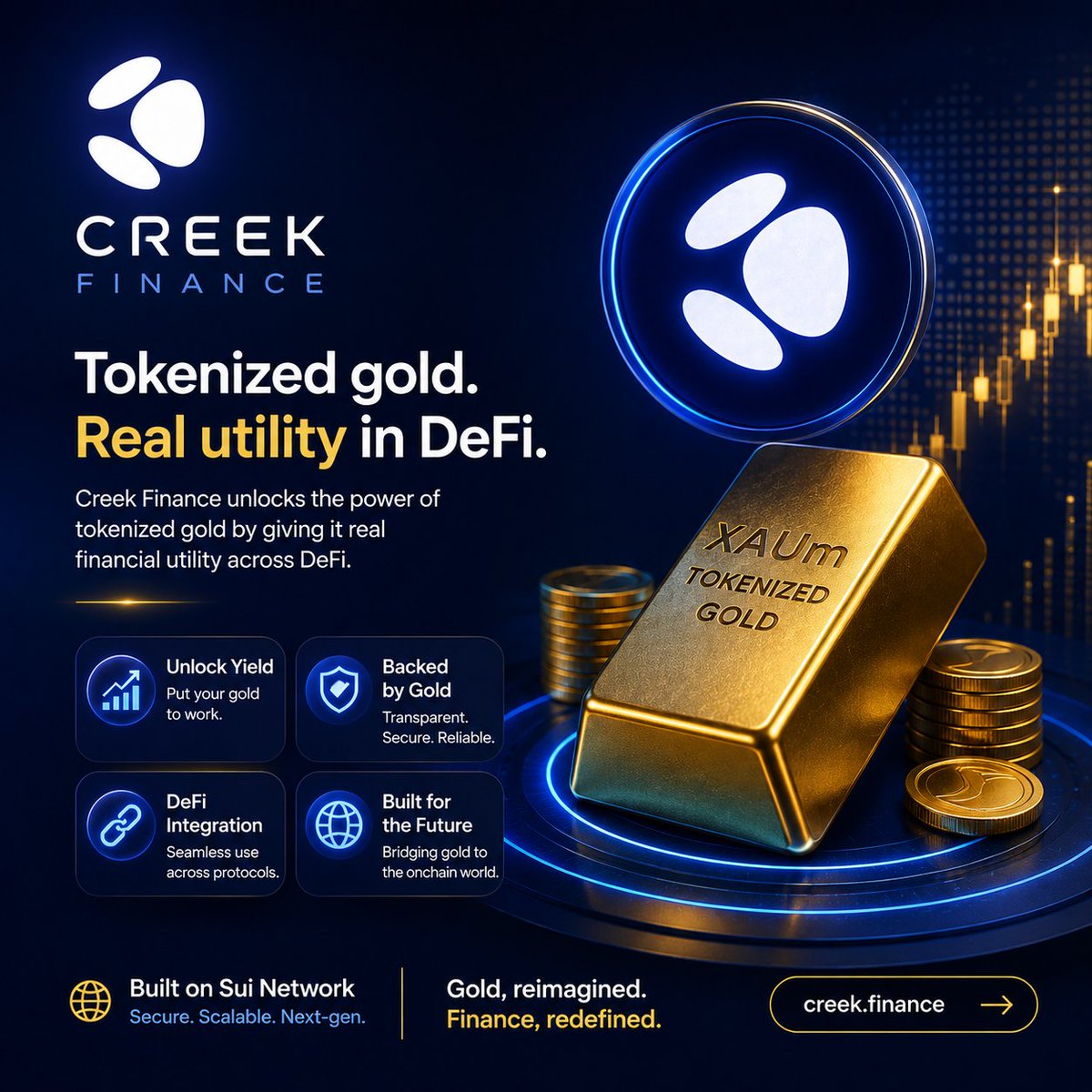
Not every asset has to sit idle.
@creekfinance is rethinking what tokenized gold can do by giving it a more active role in DeFi.
The goal isn't just digital ownership, it's unlocking new financial utility from gold-backed assets.
The biggest barrier to cross-chain adoption isn't technology, it's friction.
Users shouldn't need to manage multiple gas tokens, navigate complex bridge flows, or understand network architecture just to move value.
As stablecoin ecosystems continue to expand, seamless asset mobility becomes increasingly important.
At XyloNet, we believe the future of cross-chain infrastructure is simple:
Move value efficiently.
Abstract complexity.
Focus on the user.
The future of cross-chain isn't more complexity, It's abstraction.
Most crypto payment systems assume the recipient is already inside crypto.
They already have:
• A wallet
• A wallet address
• Knowledge of networks
• Funds for gas
But mainstream users don’t think this way.
They think in identities.
I.e
An @, An email. A phone number.
The future of payments may not start with wallets.
It may start with identity.
Because people don’t think in wallet addresses.
They think in relationships, usernames, communities, and connections.
🏘️