Antibiotics are important for treating bacterial infections, but using them when they aren't needed can cause side effects and contribute to antimicrobial resistance.
Use antibiotics responsibly: Take them only as prescribed, follow the recommended dose and duration, and never share antibiotics or use leftover medication.
Understanding when antibiotics are appropriate is an important part of protecting our health and keeping these medications effective for the future.
#BeAntibioticsAware #USAAW2026
Did you know antibiotics do not work against viruses? Infections like the common cold, flu, and most sore throats are caused by viruses, not bacteria. Taking antibiotics for viral infections will not help you feel better or speed up recovery.
When antibiotics are used unnecessarily or incorrectly, bacteria can develop resistance, making infections harder to treat and increasing the risk of severe illness.
Help protect the effectiveness of antibiotics:
✔️ Take antibiotics only when prescribed.
✔️ Follow your health care provider's instructions.
✔️ Never share antibiotics or use leftover medication.
#BeAntibioticsAware #USAAW2026
Rural communities are essential to Florida's success, and access to quality care plays a critical role in supporting their health and well-being.
The Florida Department of Health works with providers, hospitals, and community partners to strengthen health care and improve outcomes across the state. Through your local county health department, you can connect with services and resources right in your community.
Find your local county health department today at https://t.co/zvRAIKLavO.
#RuralHealthDay
This week, we raise awareness about the importance of using antibiotics responsibly and protecting their effectiveness. Antimicrobial resistance occurs when germs develop the ability to resist the medications designed to treat them, making infections harder to treat.
Antimicrobial resistance is a growing global public health concern, but we can all play a role in combating it! Stay tuned throughout the week to learn more about antibiotic resistance and how small actions can make a difference.
#BeAntibioticsAware #USAAW2026
The Cinotti Grant Program is accepting applications!
Florida nonprofit organizations can apply for funding to establish or expand community health screening programs in areas such as autism, cancer, dental health, diabetes, heart disease, and more.
These screenings help improve access to preventive care, promote early detection, and support healthier communities across Florida.
Learn more about eligibility and application requirements at https://t.co/5oOtQHmC8U.
All Florida Department of Health offices will be closed in observance of Veterans Day.
Today, and every day, we are grateful to the men and women who have served our country and to the families who have supported them. We honor their courage, sacrifice, and commitment to protecting the freedoms we hold dear.
Thank you to all who have served. 🇺🇸
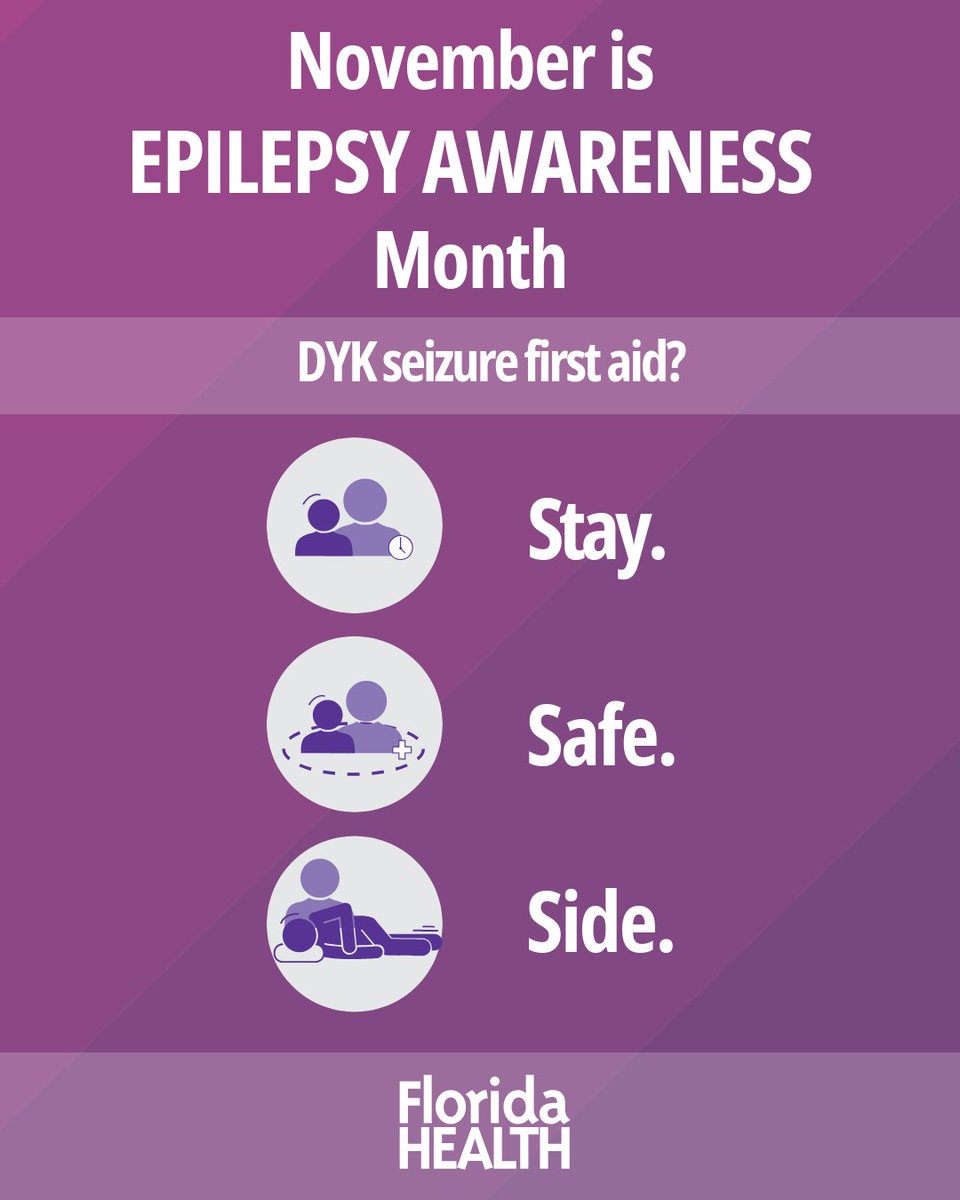
Seizure first aid can be remembered with three simple steps: Stay. Safe. Side.
STAY: Stay with the person until the seizure ends and they are awake and alert.
SAFE: Protect them from nearby hazards. Never restrain them or put anything in their mouth.
SIDE: If they are not awake and aware, gently turn them onto their side to help keep their airway clear.
Time the seizure and call 911 if it lasts 5 minutes or longer, another seizure occurs without recovery, or the person has difficulty breathing or is injured.
Knowing what to do can make a difference. Let's build safer, more informed communities through epilepsy awareness and education!
Visit https://t.co/5Pd0N2EfZQ for more information and resources.
Type 1 and type 2 diabetes are not the same, and understanding how they differ is an important step toward better health and awareness.
This American Diabetes Month, we're highlighting the importance of education, prevention, and ongoing management. While type 1 diabetes cannot currently be prevented, healthy lifestyle habits, including regular physical activity and balanced nutrition, can help reduce the risk of developing type 2 diabetes and support its management.
Looking for more information about diabetes, prevention, and management? Explore resources at https://t.co/bg8e5CJGgq.
RT @FLSERT: 11/2: With Flood Watches & Flash Flood Warnings issued for much of Central & South FL, it's important to know the difference &…
One of the biggest threats to your lung health may be something you can’t see, smell, or taste.
Radon is a naturally occurring radioactive gas that can enter homes through cracks and openings in the foundation. It is a leading cause of lung cancer among people who don’t smoke, and long-term exposure can increase your risk of developing lung cancer.
Testing is the only way to know if radon levels in your home are elevated. If high levels are found, steps can be taken to reduce them and help protect you and your family.
This Healthy Lung Month, remember that protecting your lungs can start at home. You can request a free radon testing kit at https://t.co/pKuynmzQHK.
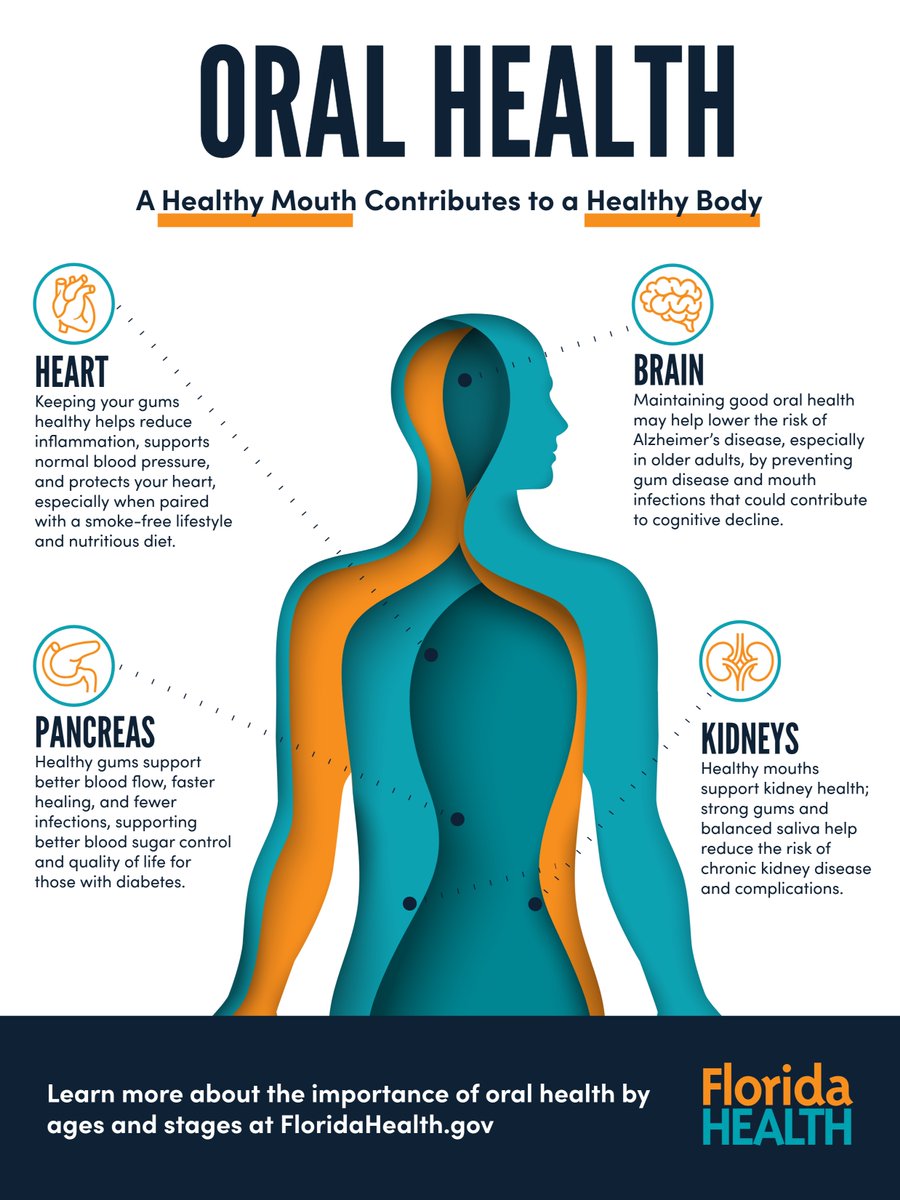
Healthy teeth, healthy bodies!
Did you know your oral health is connected to your overall health? Poor oral health, including gum disease, has been linked to other health conditions, such as heart disease and diabetes. Taking care of your teeth and gums is just as important as taking care of the rest of your body!
Make your smile a priority by brushing twice a day, flossing daily, and scheduling regular dental checkups.
Find more information and resources at https://t.co/DS3mvgxG8o.
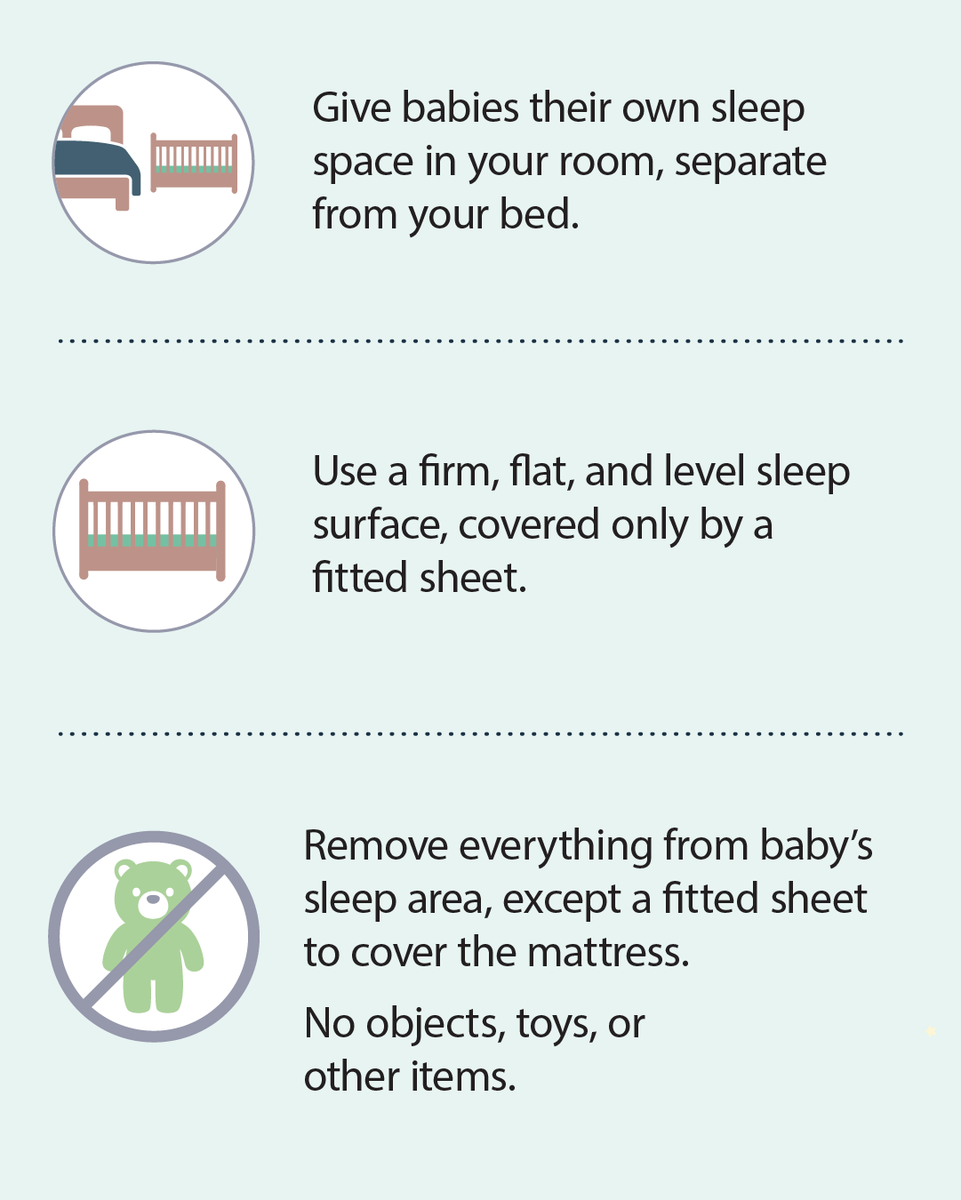
October is SIDS Awareness Month—a time to share lifesaving safe sleep practices, and remember the babies and families whose lives have been forever changed by sudden unexpected infant deaths.
Sleep-related deaths remain one of the leading causes of death for infants between 1 month and 1 year of age. About 3,500 babies in the U.S. die suddenly and unexpectedly each year from sleep-related causes, including Sudden Infant Death Syndrome (SIDS) and accidental suffocation.
While not every SIDS death can be predicted or prevented, practicing the ABCs of safe sleep can help reduce the risk of sleep-related infant deaths and create a safer sleep environment for your baby.
Learn more about safe sleep at https://t.co/1FfaDQJB7l
ICYMI: The Florida Department of Health held a public hearing on proposed changes to Rule 64D-3.046, Florida Administrative Code, regarding immunization requirements for school entry.
The proposed changes would remove requirements established through DOH rule for Hib, hepatitis B, varicella (chickenpox), and pneumococcal conjugate vaccines.
This proposal does not ban or prohibit these vaccines. Parents may continue to choose these immunizations for their children, and the vaccines will remain available. The proposed changes are intended to strengthen parental rights by giving parents greater authority to make health care decisions for their children.
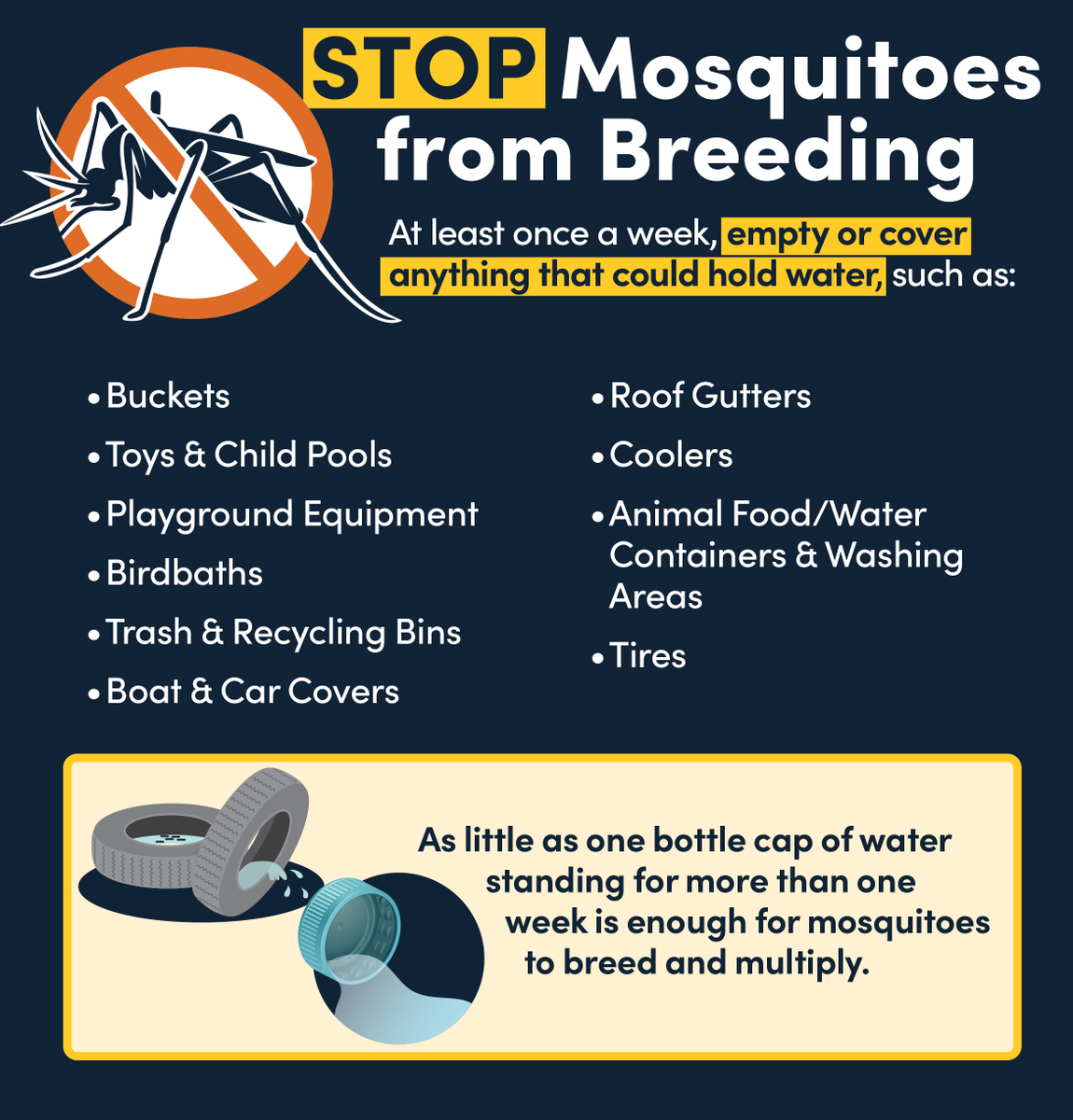
As recovery continues after the storm, keep mosquito prevention in mind.
When it’s safe to do so, check around your home and property for standing water in buckets, containers, tarps and other debris. Removing standing water helps eliminate mosquito breeding sites at the source and reduce the risk of mosquito-borne illness. Even small amounts of water can provide a place for mosquitoes to lay eggs.
While cleaning up or spending time outdoors, protect yourself from mosquito bites by wearing EPA-registered insect repellent and clothing that covers your skin.
Learn more about mosquito prevention by visiting https://t.co/yLW2KpQiGj.
⭐️ ESF 8: Health & Medical ⭐️
Emergency Support Function 8 is making sure Floridians impacted by Hurricane #Isaias have access to the medical care & resources they need!
Led by @HealthyFla, alongside @AHCA_FL & other partners, ESF 8:
🚑 Moves medical personnel & resources where they’re needed
🏥 Supports hospitals & healthcare facilities
❤️ Connects vulnerable Floridians with care
Together, our partners are helping restore essential health services & support communities as they recover. 🤝
🚨 Hurricane #Isaias POD Update 🚨
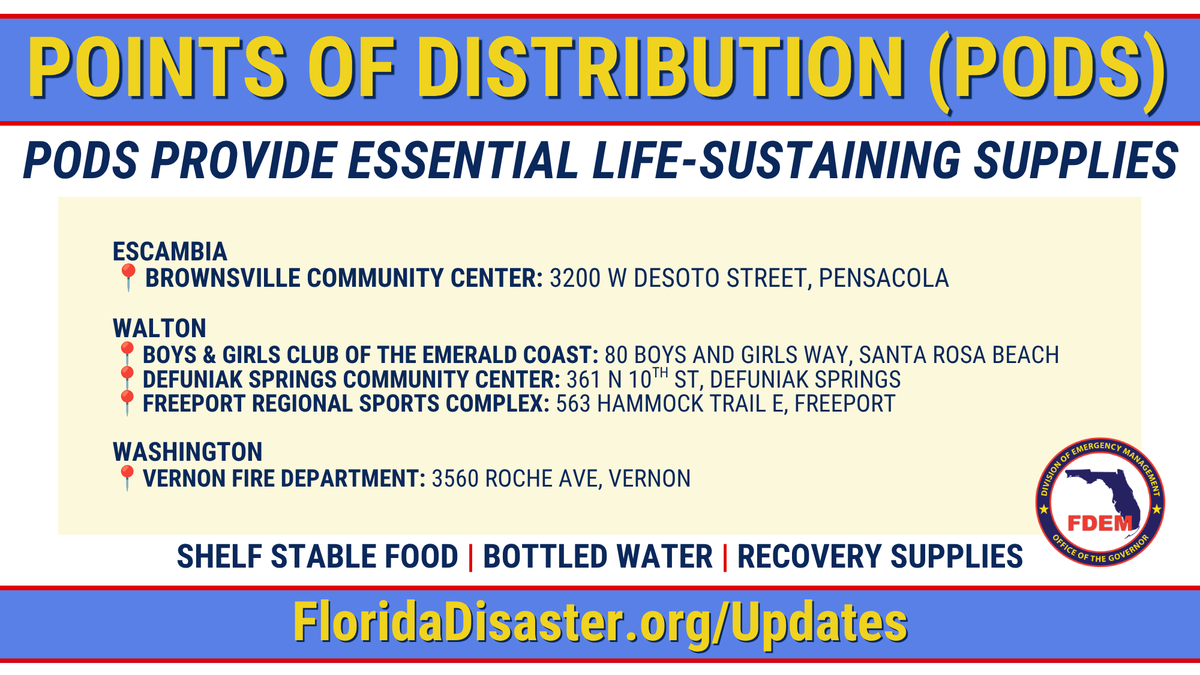
All Escambia County Points of Distribution (PODs) have been consolidated into ONE location opening tomorrow at the Brownsville Community Center, 3200 W DeSoto Street in Pensacola.
PODs are now available across these counties & are open 7AM-7PM:
📍 Escambia: Pensacola
📍 Walton: DeFuniak Springs, Freeport & Santa Rosa Beach
📍 Washington: Vernon
Impacted residents can visit a POD to access essential supplies, including shelf-stable food, bottled water & recovery resources.
🔗 For specific POD addresses & additional disaster recovery resources, visit https://t.co/p1ksYRsUQz.
Heavy rain can leave standing water in yards, containers, tires, gutters, and other places around our homes. Even small amounts of water can provide mosquitoes with a place to breed. As mosquito activity increases, taking steps to prevent bites and reduce mosquito breeding becomes especially important.
SPRAY to protect yourself from mosquito bites.
COVER your skin and containers that hold water.
DRAIN standing water whenever it is safe to do so.
These simple actions can help reduce mosquitoes around your home and lower the opportunity for mosquito-borne illnesses such as dengue to spread.
Electrical hazards can cause burns, shocks, and potential electrocution.
Always assume that all overhead wires are energized, or “live,” and at lethal voltages.
Never touch a fallen overhead power line. If an overhead wire falls across your vehicle while you are driving, stay inside the vehicle and continue to drive away from the line.
Never operate electrical equipment while you are standing in water or in the rain.
Have a qualified electrician inspect electrical equipment that was made wet to ensure that no water remains within the unit.
Always report all fallen electrical lines to your local utility provider.