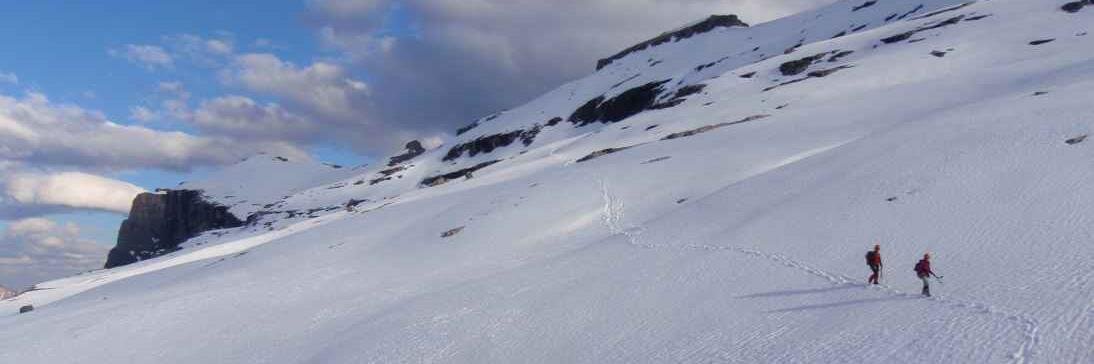
Come join our research team to study the effects of glyphosate-based herbicide applications on mammals in forest food webs. Two positions, one at #UNBC and another at #UBCO with @lauragrieneisen and Dr. Deanna Gibson. Postings here: https://t.co/OYEMrMiMqE
Come study wildlife health with us! We are looking for a research technician to join our group for 6 months starting Sept 2024. Please see here: https://t.co/OYEMrMiMqE
We are seeking a PhD student to study the effects of glyphosate-based herbicide application on small mammals. Please see the job posting here: https://t.co/OYEMrMiMqE #UNBCWebLab
Come work with us! We are looking for two research technicians to join our lab for at least six months to work on projects related to wildlife health--especially moose. https://t.co/OYEMrMiMqE
Exited to share our lab website! So proud of the work our team is doing. Check out their projects under the People tab: https://t.co/RxX5ia1osS #UNBC#UNBCWEBLab
Humans prey on more vertebrate species for use as pets and in medicine and other products than we do for food. By @ljevanso, featuring new research by @ChrisDarimont, @RobertSCCooke, @Heather_M_Bryan and others. #ConservationScience#UVic https://t.co/GRNG3v0869
Interested in a graduate position on Stone’s sheep health & prescribed burns starting Sept 2023? Come join a team that includes collaborators from @UNBC, @wildsheepbc, Ridgeline Wildlife Enhancement. Apply by Feb 5, 2023 https://t.co/kx8r1gZEcH
Exciting MSc opportunity starting May 2022 to study biodiversity using eDNA across a gradient of disturbance in Tsay Keh Dene Territory! Join our lab @UNBC with @ChuChoEnv https://t.co/3HlUzPwbA6
Nice coverage of a special event in loving memory of UNBC Graduate Student Dan Larson. UNBC student club holds annual fishing derby to help support charity @UNBC https://t.co/ELMGVx45Bm
#PostDoc opportunity in @wildco_lab@ubcforestry! Carnivore connectivity & conservation in British Columbia's South Coast. Collaboration with @bill_harrower and more! Starting asap - please RT & share widely! Ad here: https://t.co/pYMWzgtXjL
A new experience to work in 360 degrees w colleague @dcscott_BC @Raincoast & @oneislandmedia in the #fraser estuary. There is no such thing as "off-camera" in this video format.
I am looking for a Master's student interested in arctic/subarctic ecology that is relevant to northern communities. 🌿☘️🌱🏔️
Please help spread the word!
We offer the Decolonial Model to contribute towards this transition, and hope that the grizzly bear conservation bright spot story described herein might provide inspiration for similar work elsewhere.
23/23 https://t.co/wYlZNrmgXu
As the resurgence and recognition of Indigenous authority continues to grow in many regions of North America and beyond, so too grows the recognition of the need for decolonial environmental management and conservation approaches. 22/
Cultural importance of species: The depth and breadth of grizzly-focused stewardship in this region, which exceeds the numerical sustainability expectations that often define western conservation, reflects the importance of this species locally. 21/
Reflecting local values: Beyond stewardship imperatives, values and worldview guide proper conduct for specific interactions w/ grizzly bears. For example, only non-invasive approaches (such as hair-based approaches, shown here featuring Howard Humchitt) are permitted. 20/
Local governance structures: The Kitasoo/Xai’xais-owned Spirit Bear Lodge and ecotourism business has supported a burgeoning local economy, which has in turn supported increased local conservation governance capacity and activities. 19/