Now that I’m out of government, I can finally respond for myself: Get bent, soyboy. We didn’t do this for “Silicon Valley . . . companies.” We did this for you, for your family, your community, your state, your nation, and your species.
Nuclear energy provides the safest, highest density, reliable power available on our planet. My career colleagues at DOE and NRC inspired me to think about nuclear as a way to forge American steel and electrolyze aluminum without releasing particulate matter, to desalinate water in the Middle East and save humanity from resource wars. By rejecting the false narratives and Cold War hysteria, we can secure the next American century while raising whole countries out of poverty.
Do you really think I left an incredible career at Kirkland, paid out of pocket for an apartment in DC and dozens of cross-country trips, and left my family on the west coast because I wanted to enrich people I never met before taking this job? I came to D.C. to do something that mattered, to satisfy a driving curiosity (more on that later), and, most importantly, to serve.
As I learned more about nuclear energy and its history, I developed a conviction that one nuclear’s biggest issues was a culture of cynicism: nothing new or exciting could happen because it would end in disappointment, and that militated against rocking the boat even a tiny bit. The career staff in government and their industry counterparts lived through dark winters before and stopped believing that warm springs could bloom into summers.
I have two core philosophies. First, I believe in ruthless optimism. Rational decision making requires detached risk analysis. But we also cannot win if we believe we can lose. Merging the two requires orienting teams around driving missions. That way, when a real opportunity presents itself, you can take a huge swing.
If I take credit for anything—honestly, almost all of the success belongs to the incredible and dedicated people at @ENERGY and @NRCgov—it’s countering the cultural rot and morass that risked forfeiting American excellence. My colleagues and I gave cover to the scientists and engineers, which freed them up to focus on delivering safe power. And, as success materialized, they started to dream again. That’s why the pilot program succeeded, and why I feel confident about the future of NLICs and NRC reform. Nobody needs me anymore because they can innovate on their own.
My second core philosophy is to assume positive intent. Avi, I know that you heard about my real motivations from multiple people you interviewed when preparing your hit piece on me. Rather than telling that story, one which could help inspire another generation of people to use their talents for the greater good, you ignored them. Instead, you implied that Peter Thiel recruited me for nefarious purposes. (I’ve never met him, but, @peterthiel, if you’re reading this, I’m a huge fan!)
Nuclear regulation starts and ends with safety. I promised everyone I worked with that I would resign before doing or pushing for anything that could compromise public safety. But I also distinguished between real safety and performative bullshit. That’s what the careers came to embrace, too. We love nuclear, why would we do anything that could risk threatening its future?
America faces a crossroads. We can either trod a road of cultural decay or hike our way back to the peak of global innovation. Join me on the latter path. Correct the fear mongering and conspiracies and tell the story of America’s great reindustrialization. Tell the story of our public servants, our great entrepreneurs, our scientific dominance. Tell the real story about how DOGE went nuclear.
Nobody tells you this about business.
You will battle with everyone.
Insurance companies.
Contractors.
Tenants.
Banks.
Cities.
Something will go wrong every day.
If you’re not tough, you won’t last.
The winners aren’t the smartest.
They’re the ones who can handle the pressure and refuse to quit.
Here's something fascinating happening in the apartment market right now.
The cheapest, oldest apartments (Class C) are getting crushed right now.
But ONLY in cities that just delivered tons of new apartments.
Let me show you the numbers:
Denver: Class C rents down 13.9%
Naples: Class C rents down 13.5%
Austin: Class C rents down 13.3%
Phoenix: Class C rents down 10.5%
San Antonio: Class C rents down 7.2%
Dallas: Class C rents down 6.5%
What do all these cities have in common?
They just absorbed a massive wave of new apartments.
But here's the twist...
In cities that DIDN'T get a big supply wave?
Class C rents are actually RISING.
20 cities saw Class C rents go UP more than 3%.
19 of those 20 cities had supply BELOW the national average.
So what's going on?
It's basically musical chairs.
When a brand new luxury apartment opens up, where do those renters come from?
They don't appear out of thin air.
They move from slightly older apartments.
Those apartments now have vacancies. So they drop their rents to compete.
That pulls in renters from even older apartments.
And down the chain it goes.
Eventually it hits the oldest, cheapest apartments at the bottom.
And here's why they get hit the hardest:
People living in Class C apartments are already spending a huge chunk of their paycheck on rent.
To fill empty units, landlords have to cut prices A LOT.
Sometimes enough to attract people who couldn't afford market-rate apartments before.
It's like a waterfall effect.
The water (new supply) at the top pushes everything down.
But here's the important part:
This proves that building new apartments - even "luxury" ones - reduces rents all the way down the spectrum.
If it was just an affordability crisis, you'd see Class C rents falling everywhere.
In high-supply cities AND low-supply cities.
But we're not seeing that.
We're seeing a perfect split:
Lots of new apartments = falling Class C rents
Few new apartments = rising Class C rents
New supply at the top creates relief at the bottom.
Also: wages have been growing faster than rents for 3 straight years.
More people can afford apartments today than before.
The bottom line?
This is what happens when you actually build housing.
Supply works.
(Chart and analysis from Jay Parsons - one of the sharpest real estate economists out there)
Real estate development:
A complicated, frustrating, time-consuming, risky optimization game, where you make the best of messy choices imposed by regulations, lenders, equity investors, contractors, tenant demand, etc.
Developers who manage to build handsome, profitable buildings are wizards & worthy of our respect.
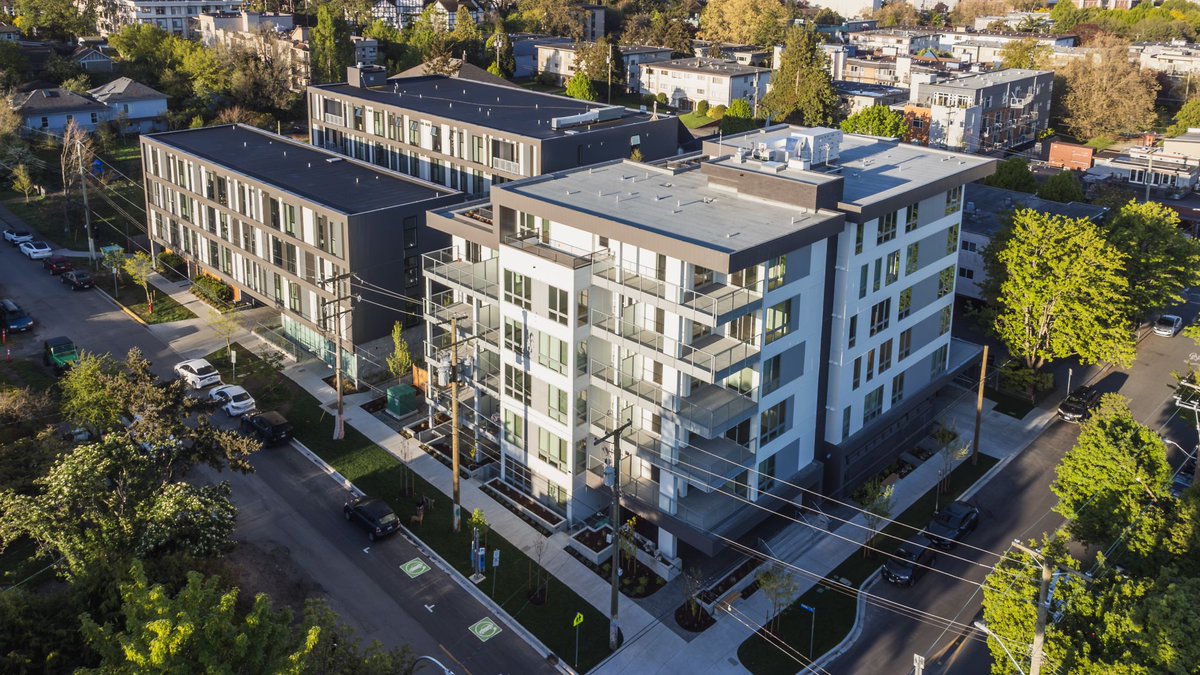
This is a building. When you look into what it takes to make this happen, it is a small economic miracle 👇
This building is 56 homes including affordable homes that are 40% below market value. But beyond that, the price tag on this building is $22,000,000.
The GDP multiplier on construction is around 1.5x - 2.0x and 5 to 7 jobs per $1m spent meaning the economic income of this building is:
1. $33,000,000 - $44,000,000
2. 231 - 308 jobs
As an example, a coffee shop for example may do $500,000 of annual revenue so it would take 44 years to equal the economic impact of a single apartment building.
The next time you drive by a construction site, think about the thousands of people that make it happen. Think about all the downstream jobs, local spending, homes and so much more that are a result.
It is a small miracle indeed 🏗️
When neighborhoods become more desirable, properties become more valuable.
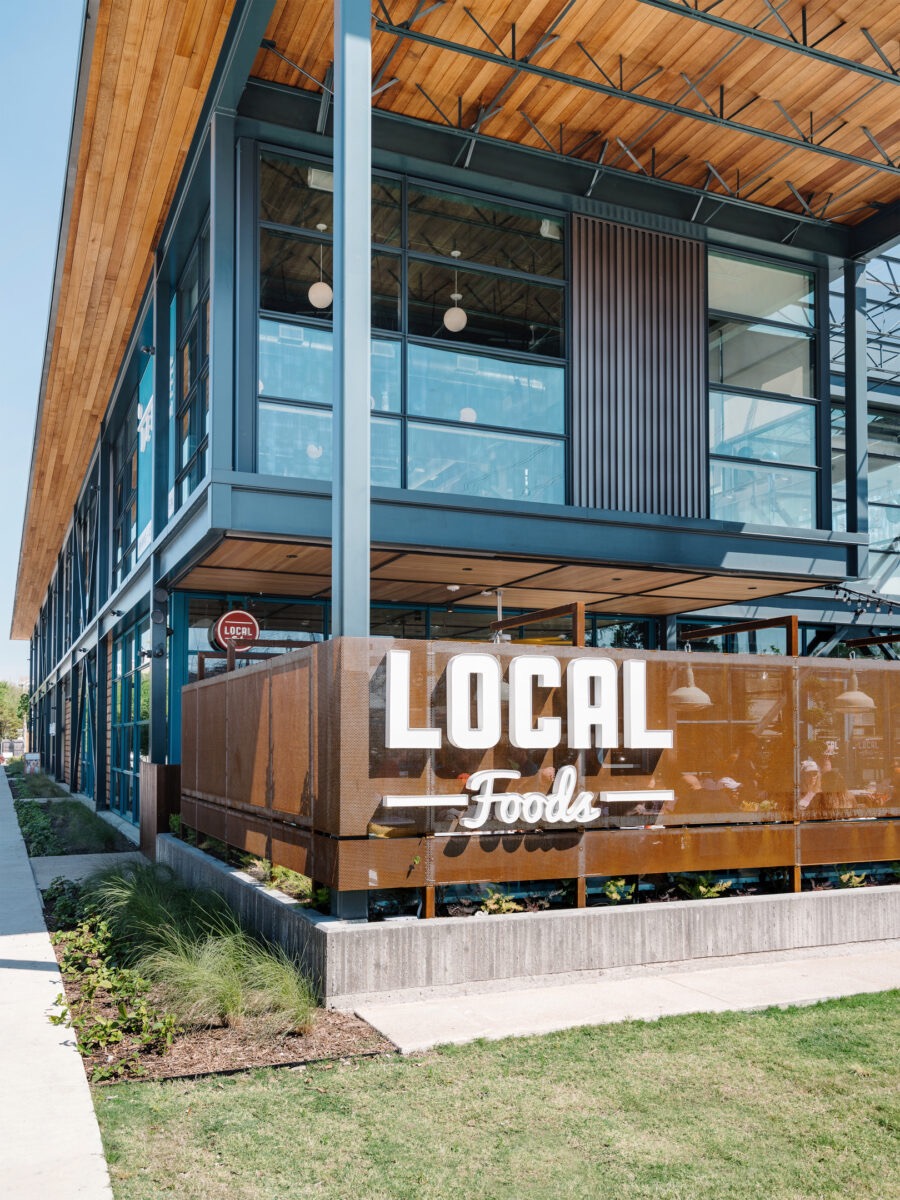
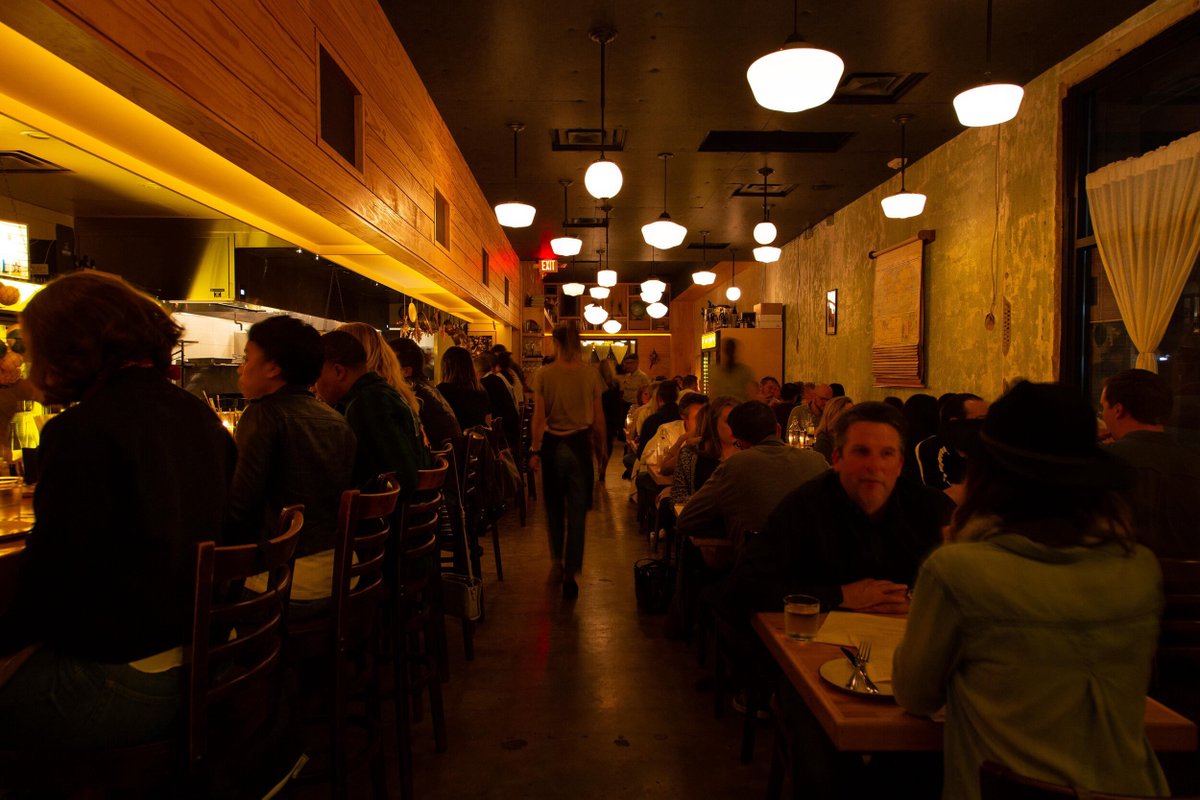
Like when an avant-garde bar opens in a periphery neighborhood, then a coffee shop, then an art gallery, which leads to an emerging chef with a new concept, which leads to a few others, which leads to a couple of cool shops, then a neighborhood market - which leads to more valuable surroundings.
Or how a down-on-its-luck office building can transform its ground floor to create demand above.
Or how a groovy taco and plant shop opening next to an apartment building does more for rental demand than new countertops and backsplashes.
What David Walentas and Two Trees accomplished with Dumbo and Tony Goldman did with South Beach and Wynwood was genius but it’s not unique - it’s happening at different scales all across the country.
It’s the work our company does (at a micro scale) and to scratch my own itch I put together a series of gatherings for like-minded folks.
Automatic is an event for commercial real estate owners to connect with the catalytic retailers and restaurateurs that can bring their properties to life.
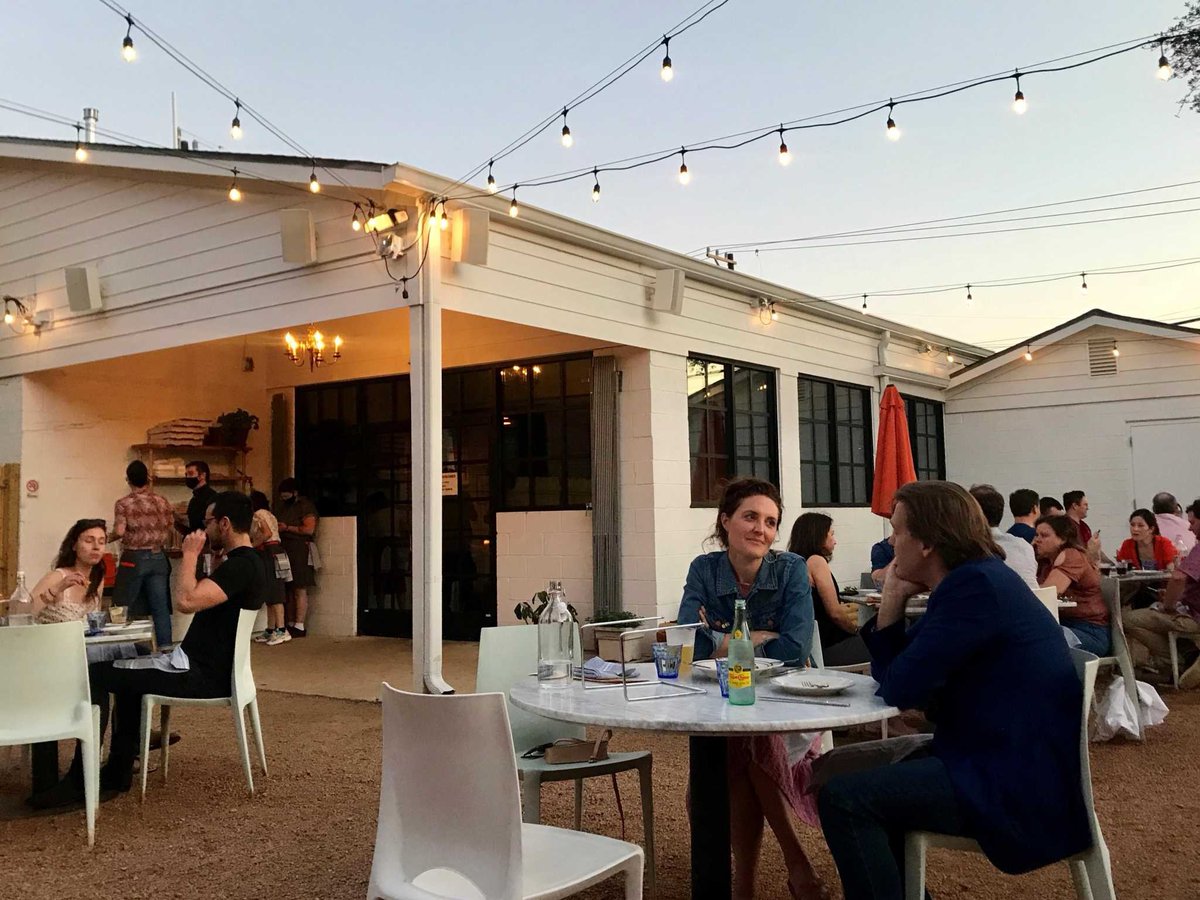
Wonderful companies like Radom Capital, Jamestown, Asana Partners, Edens, Parkway, Gensler, and Michael Hsu come together with dozens of operators like Superica, Uchi, The Rustic, Flower Child, Nancy’s Hustle, and HomeState.
Food & drink with James Beard nominees, good tunes, and small groups to take the friction out of building relationships.
If you’re in the business creating communities, check out @automaticmeetup
Each project is unique and has different metrics and risk criteria but in the end our goal is to unlock and discover value with the highest level of fiduciary responsibility to our partners.