$SPCX
SpaceX’s $75bn IPO is fully primary. All of it lands on the balance sheet.
For perspective, the biggest primary raises before this:
> Visa $V 2008, $16bn, funded the antitrust escrow and converted the bank association into a public company
> Rivian $RIVN 2021, $13.7bn
> Alibaba $BABA 2014, only $8bn primary out of the $25bn headline, rest was Yahoo and SoftBank cashing out
> Aramco $2222.SR 2019, $29bn headline but zero primary, every dollar went to the Saudi state
> SpaceX is raising 4.7x the previous primary record, putting it to work in Starship, Starlink and xAI compute commitments.
The return on this next round of investment will be the next decade's story.
Let me try to defend Ferrari here. Cars aren't cool anymore.
Most people don’t dream about sports cars anymore. They want SUVs or trucks with comfort and safety.
Ferrari was built for a world where cars were emotional objects. That's all gone.
This car is the non-alcoholic beer of cars. And a lot of people have quit drinking alcohol.
Cyclical Stocks 101: Final highs don’t come at high P/Es. They come when earnings are peaking and P/Es look deceptively “cheap.” Semis—especially MU—are classic: they screen undervalued right before the cycle turns.
I’ve been watching South Africa’s food inflation picture closely, and while record maize production has helped keep prices relatively calm for now, I think we may be approaching a turning point.
Rising fuel costs, pressure from wheat imports and the growing possibility of an El Niño event all have the potential to change the inflation outlook later this year and into 2027.
One of the biggest misconceptions is that South Africa is fully insulated because of our strong agricultural sector. The reality is that we still import a significant portion of our food, which means global prices, currency moves and input costs continue to matter.
Add higher fertiliser and diesel costs into the mix, and those pressures eventually filter through the entire food value chain.
For now, the maize surplus is acting as an important buffer, but weather risk remains the wildcard. Markets are not fully pricing in what a drought cycle or supply-side shock could mean for inflation and interest rates down the line.
Follow the link below to read the full article:
https://t.co/sfi519bCwV
Thomas Sowell on engineers vs intellectuals:
“The engineer is judged by the end product. If he builds a building that collapses, it doesn’t matter how brilliant his idea was—he’s ruined.”
“Conversely, if an intellectual has an idea for rearranging society and that ends in disaster, he pays no price at all.”
When the finance minister is forced to publicly rebuke a mayor over a wage deal, it is no longer a political headline; it is a balance sheet problem.
In Johannesburg’s case, the numbers are doing most of the talking. R25.2bn in debt against just R3.9bn in cash is not a buffer; it is a warning sign that liquidity is under real strain. What makes this more concerning is not only the level of debt, but the governance decisions being made while that pressure is building.
From where I sit, the market is already pricing elevated risk, but this episode sharpens the focus on something more uncomfortable. When affordability and policy decisions start to diverge, credit risk stops being theoretical and becomes operational.
This is no longer just about ratings or spreads. It is about whether cash flow discipline can hold under political pressure, and what happens when it doesn’t.
Read the full breakdown of why this matters for Joburg’s debt outlook and what could come next via the link.
https://t.co/Y9C7kORTm3
@BrenzGarage This is true of many modern sports cars, supercars and motorcycles.
Beyond scarcity (which was always a factor), this is what is pushing classic values up into the stratosphere.
I’ve just unpacked one of the most underappreciated risks facing South Africa right now.
This isn’t just about taps running dry in parts of Johannesburg. It’s about a systemic failure in water infrastructure that is already filtering straight into GDP, jobs, municipal balance sheets, and investor confidence.
We’re talking nearly half of wastewater plants in critical condition, water losses approaching 50%, and Gauteng right at the centre of it all. The reality is: water is no longer just an environmental issue; it is a hard macroeconomic constraint on growth.
In this conversation, I break down how this translates into a real drag on the economy, why investors may be underpricing the risk, and whether we are approaching a tipping point similar to the one we saw during the energy crisis.
If you want to understand the real transmission mechanism between failing infrastructure and economic growth, this is the discussion you need to hear.
Listen to the full interview via the link:
https://t.co/1hx3KbemqM
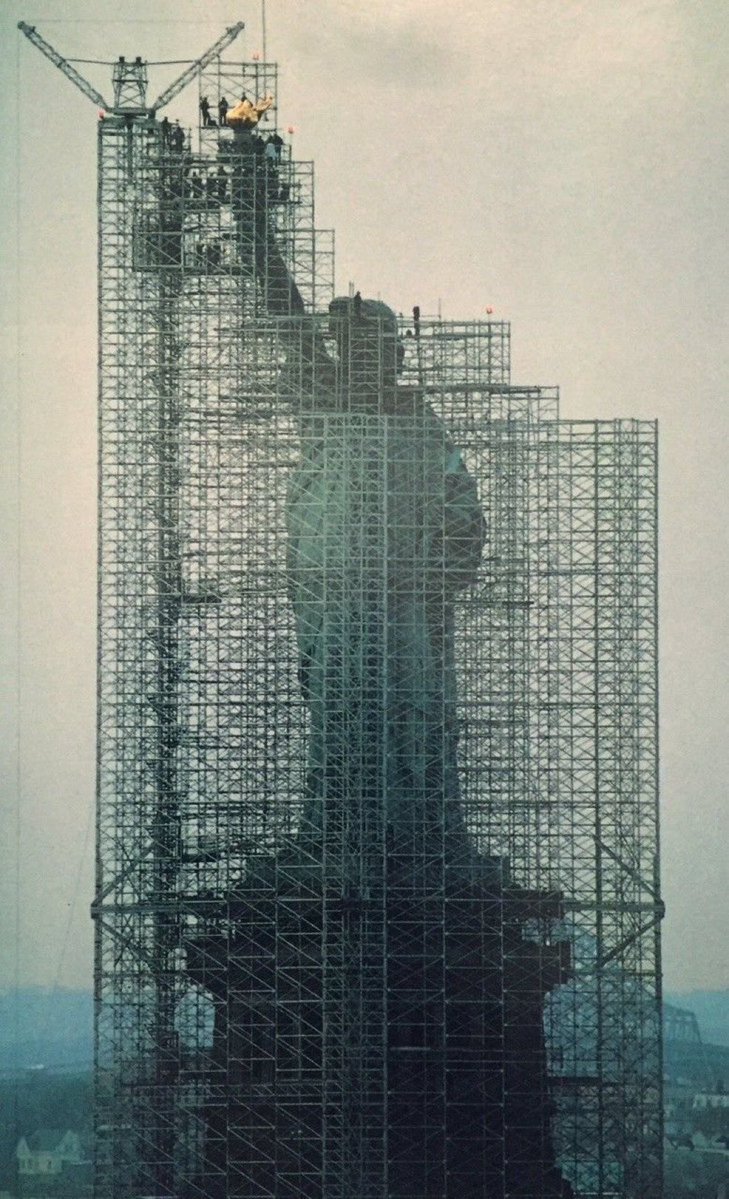
Constructing is far nobler than deconstructing.
To the extent that the West is faltering, it is only becuase takers have gained more power than makers
Building is moral.
Back to building.
Never fall into the poisoned mental frame of those who cannot want and imagine a positive future, and therefore have no willpower to build it.
From a Market Strategist’s lens, this is where credibility is either strengthened or diluted.
We entered this supply-side shock from a position of relative strength. Inflation was anchored near 3%, core inflation was aligned, and policy was still moderately restrictive. It means the South African Reserve Bank has optionality, and optionality is not a luxury in this cycle; it is the strategy.
But optionality only works if it is used before expectations start to drift.
Second-round effects do not announce themselves in inflation prints. They show up in pricing behaviour, wage negotiations, and forward expectations. That is the space I am watching most closely. If those begin to edge higher, particularly into Q2 2026, the risk calculus changes quickly.
At current levels, policy is already mildly restrictive in real terms, arguably more than the narrative suggests. And in my view, relying on passive tightening through markets is not a substitute for anchoring expectations where it matters most, which is wages and pricing decisions.
A pre-emptive 25bps move, if conditions deteriorate, is not an overreaction. It is insurance. Low cost, high credibility return.
Because in a new 3% inflation regime, the first real test is not whether you can explain the shock. It is whether you can prevent it from becoming embedded.
Follow the link below to read the full article: https://t.co/ubritQFpRD
"The vocation of the learner in the age of cheap wheat is to become a baker: to take the now-abundant raw material and turn it into something a human can eat."