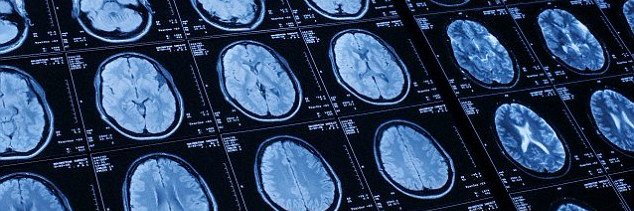
We’re now learning that co-exposure to various air pollutants shape the developing brain in children and adolescents. Our new study looked at brain MRIs from 10,095 children and found that exposure to specific sources of PM2.5 is related to differences in gray matter morphology.
Pollution from traffic, biomass burning, and crustal materials like dust is related to differences in cortical surface area, thickness, and subcortical volume. This is a big step toward understanding which environmental exposures impact child brain development across the U.S.
In ~4,000 youth from the ABCD Study, we found:
🧠Age → near-global amygdala expansion
🧬Sex differences in apportionment
⚖️Higher BMIz → smaller basolateral subregions
New paper alert! In this updated systematic review, we explored how air pollution associates with brain structure and function during development. We present major takeaways from this growing body of literature, and recommendations for future work!
https://t.co/TcA0AHMTp1
August 2024 issue of Trends in Neurosciences:
https://t.co/gv78vPkgFr
Free featured articles & more:
https://t.co/i0FcV9cDy9
On the cover: Outdoor air pollution and brain development, by Megan Herting @HertingLab, Katherine Bottenhorn & @DevynCotter
https://t.co/YU7KCvH958
Congratulations to Devyn and our larger team on our recent publication showing one year of air pollution exposure is linked to long-term changes in brain development during adolescence. We need cleaner air for kids!
Anotha one! This time, I present to you the first longitudinal analysis of how low-level air pollution exposure during childhood affects white matter microstructural development over a two-year follow-up period during adolescence, a 🧵: https://t.co/VbnalABlZC
Anotha one! This time, I present to you the first longitudinal analysis of how low-level air pollution exposure during childhood affects white matter microstructural development over a two-year follow-up period during adolescence, a 🧵: https://t.co/VbnalABlZC
We are so excited for Dr. Cardenas-Iniguez @kharloews and Dr. Gonzalez @Marybel08 -- their new paper on responsible use regarding race and ethnicity for the field of neuroimaging is now available in @NatureNeuro
My paper with @Marybel08 with recommendations on responsibly using and communicating race and ethnicity concepts in neuroimaging is out in Nature Neuroscience!
Free-to-view link is here! See details in the quoted post!
https://t.co/Jc1CvJ7oUu
Best birthday gift so far!
My paper with @Marybel08 with recommendations on responsibly using and communicating race and ethnicity concepts in neuroimaging is out in Nature Neuroscience!
Free-to-view link is here! See details in the quoted post!
https://t.co/Jc1CvJ7oUu
Best birthday gift so far!
We are thrilled to announce that our postdoc Dr. Bottenhorn @62442katieb was awarded a K99/R00 grant from @NIH’s BRAIN Initiative for her pioneering project focused on the impact of sex hormones during puberty on brain development. Cheers to a future trailblazer! #BRAINInitiative
#USCSocialWork is seeking a postdoctoral research associate to join interdisciplinary research team examining the role of neighborhoods in adolescent development. Learn more here: https://t.co/dOIOUUayYC
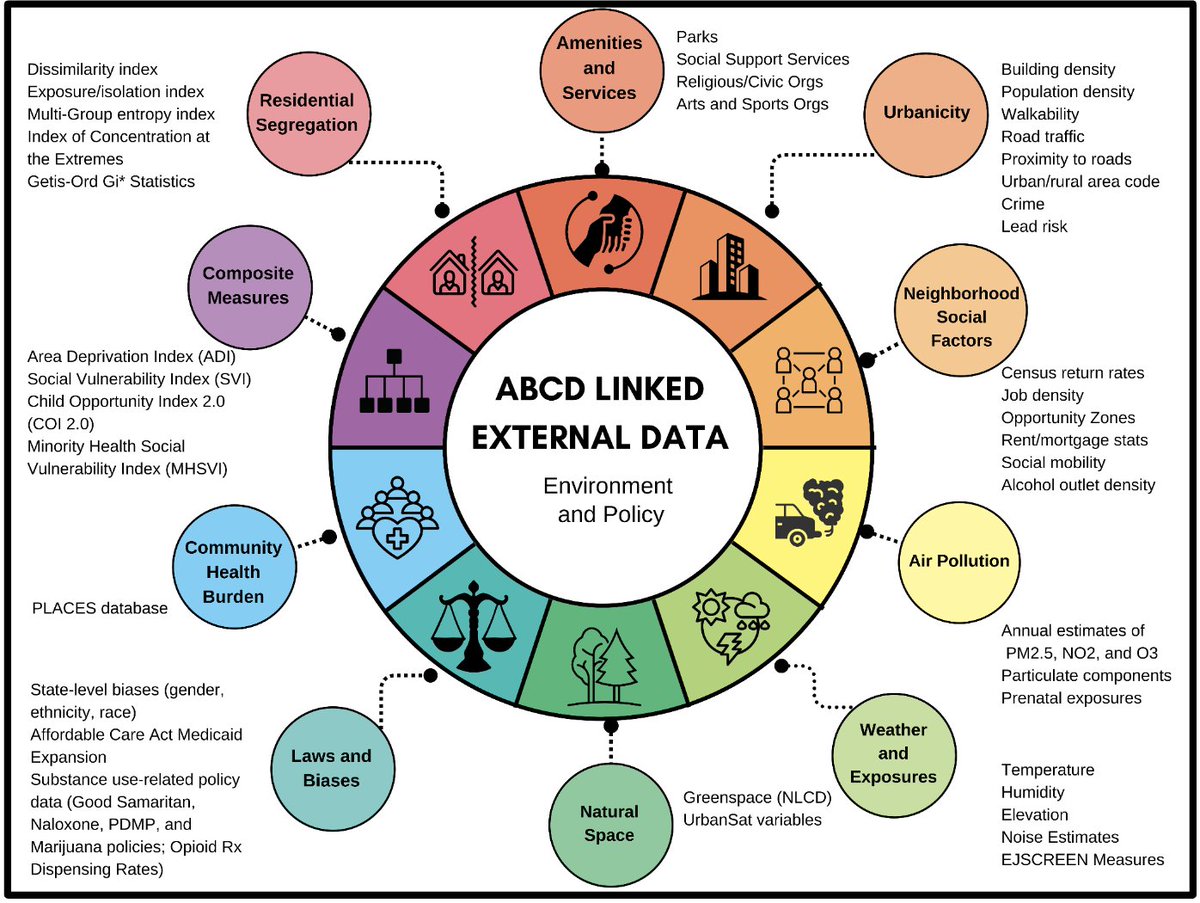
Dr. Carlos Cardenas-Iniguez @kharloews (one of our amazing postdocs) has just released his new preprint describing the "Adolescent Neural Urbanome" framework for the ABCD Study 5.0 Linked External Data for Environment!
Excited to share our new preprint describing new linkages in ABCD Release 5.0 detailing social and physical environments that may impact child/ adolescent neural development. We introduce a framework we're calling the "Adolescent Neural Urbanome." 🏢🌳🛣️
https://t.co/aXXEkT7L1A