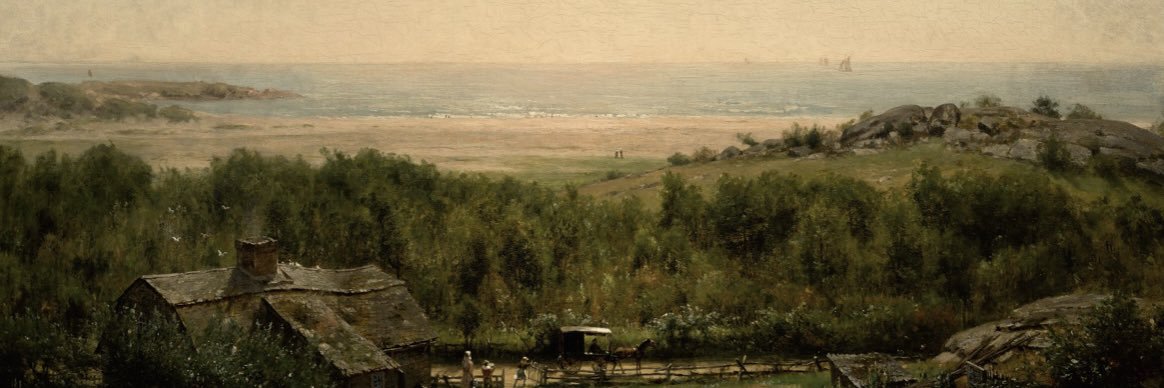
FEBRUARY 02 1778: In Fleet Greene’s journal, which he kept while he was living in Newport from 1777 to 1779, he writes: “Reported that 60 men belonging the Somerset Man of War, that were cutting wood on Rose Island, rose on their officers, and carried them on the mainland.”
NYC peaked at ~5.6% of the US population in 1950, when more than 1 in 20 Americans lived in the 5 Boroughs alone
In what nostalgia considers America's postwar prime, almost the entire country was hyperconcentrated in massive cities near the Northeast Corridor. We lost that
Rhode Island covers 1,214 square miles. Colour in every US county bigger than that and most of the west vanishes. San Bernardino County alone runs to 20,105 square miles, the largest in the contiguous US and bigger than nine states.
People forget Rhode Island was essentially an enormous factory compressed into a tiny state, largely because of its peculiar geography of wet, hilly uplands descending rapidly through short rivers into a long, protected tidal bay. Waterpower, ocean shipping, merchant capital, and skilled mechanics were placed almost on top of one another.
By the mid-1800s, the Blackstone and its tributaries alone contained more than one hundred mills and mill villages which are still seen and felt today.
By 1940, Rhode Island was not merely manufacturing war materiel. Its mills produced military cloth and blankets, while its foundries and machine shops made the tools, gauges, precision components, and production equipment that allowed factories across America to manufacture at scale. During the war, Newport would produce roughly 80% of the nation’s torpedoes.
Though it may not seem like it right now, RI was entire industrial civilization compressed into a few dozen miles. There’s much to be tapped back into because of that.