NEW: China’s next supercarrier is emerging.
Satellite imagery reveals a massive new vessel taking shape at Dalian Shipyard. It will likely be China’s largest aircraft carrier yet and may mark the PLAN’s first move into nuclear-powered carriers.
NEW: @HiddenReachCSIS shares commercial satellite imagery and open-source information to provide updates on the rapid development of China’s fourth aircraft that highlight the speed and scale of China’s maritime industrial base.
Learn more: https://t.co/P8qXGh7ifC
"New evidence suggests that access to Chinese-origin gallium remains constrained for U.S. industry, creating challenges for critical defense and high-tech production lines," writes @HiddenReachCSIS.
More: https://t.co/zbV15WB4h7
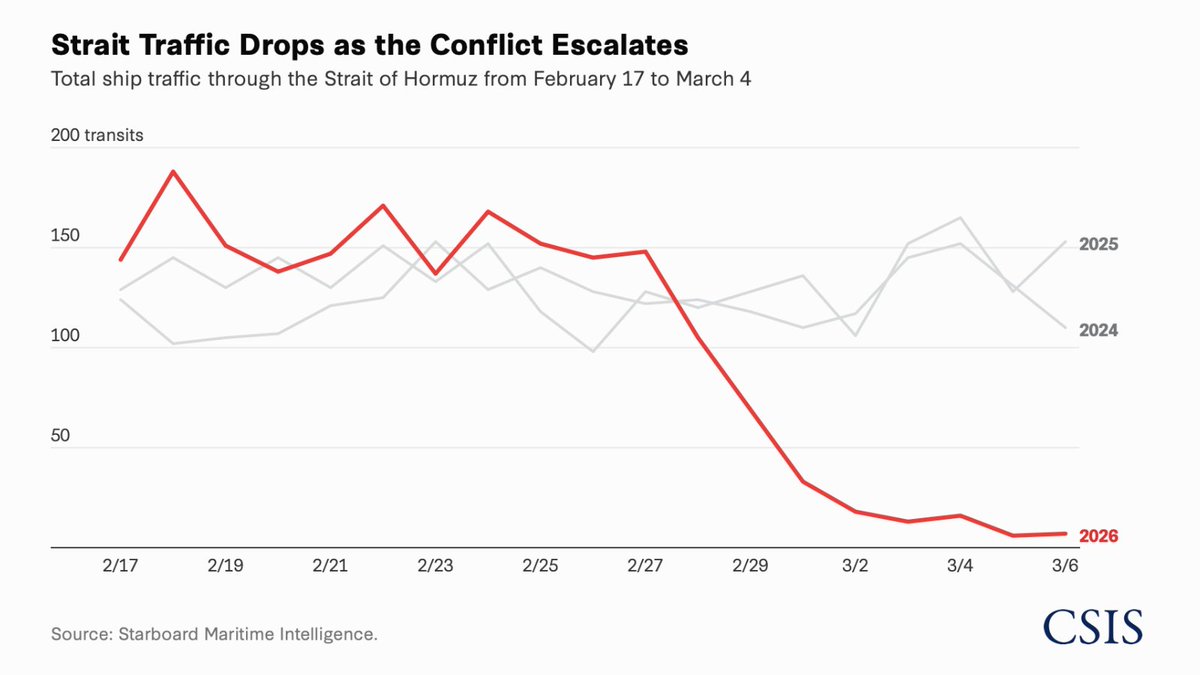
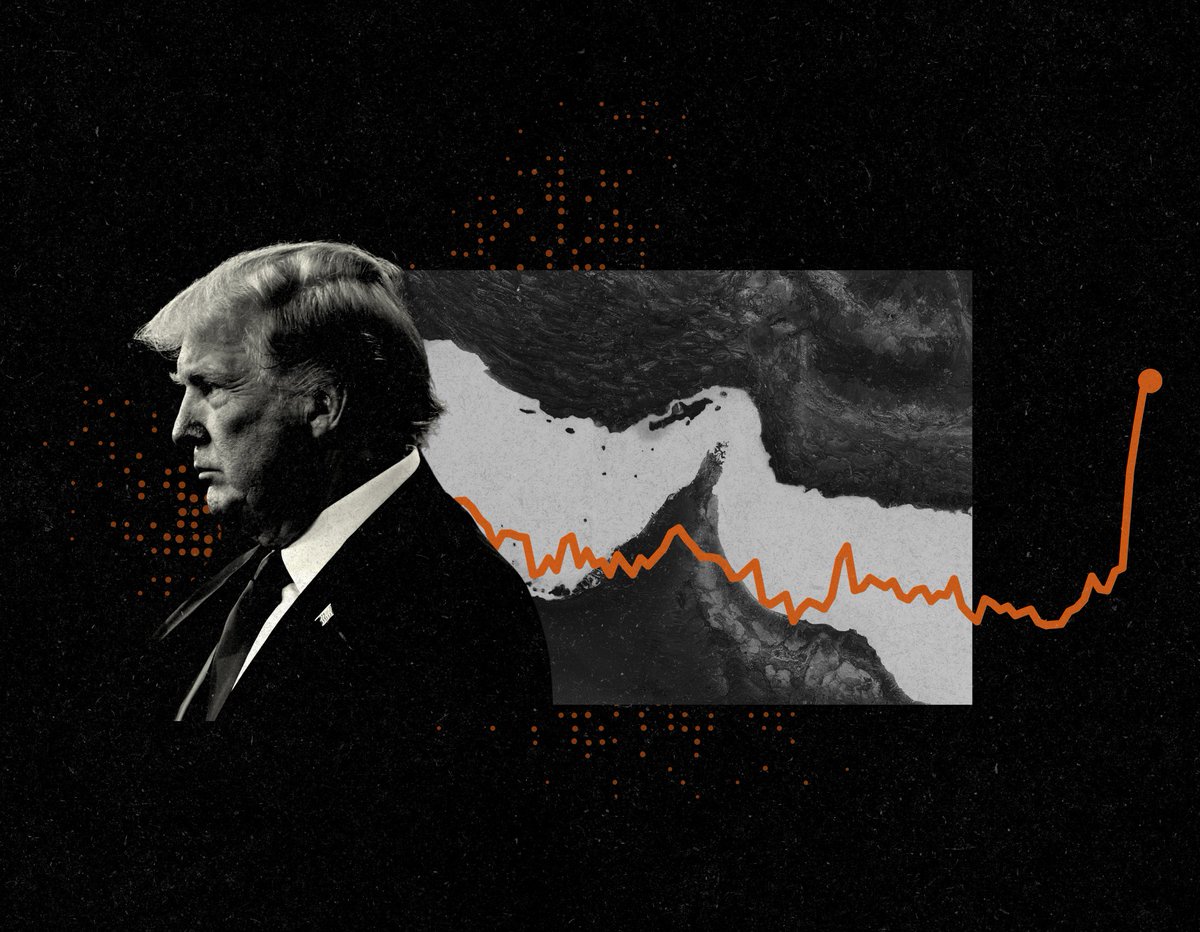
🧵NEW DATA: Vessel tracking and maritime trade data from @HiddenReachCSIS offer key insights into the ongoing U.S.-Iran dispute over the Strait of Hormuz.
Learn more about the strait through eight new charts and visualizations: https://t.co/xKeVtEqSpb
This has to be one of the coolest jobs in think tank land.
If you’ve got experience in OSINT, satellite imagery, and geospatial analysis, this is a great opportunity.
Apply here: https://t.co/rTZRLfjrK2
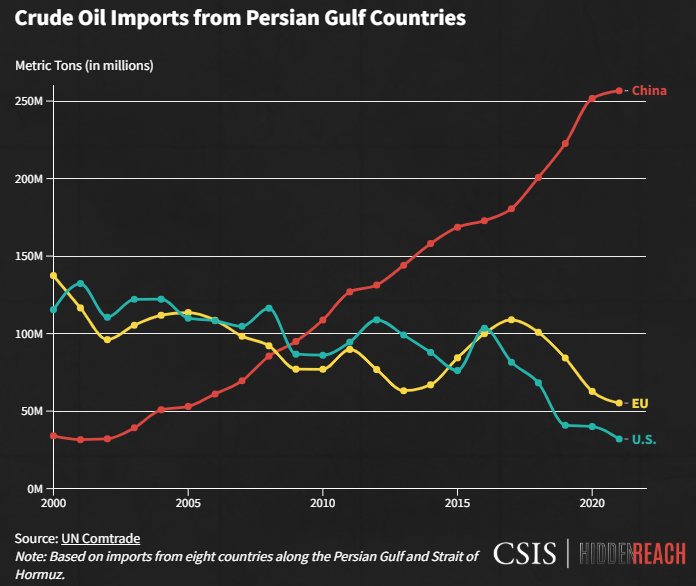
Iran announced that any vessel passing through the Strait of Hormuz would be attacked. This has significant consequences for states like China, which imports 40% of its oil through the strait.
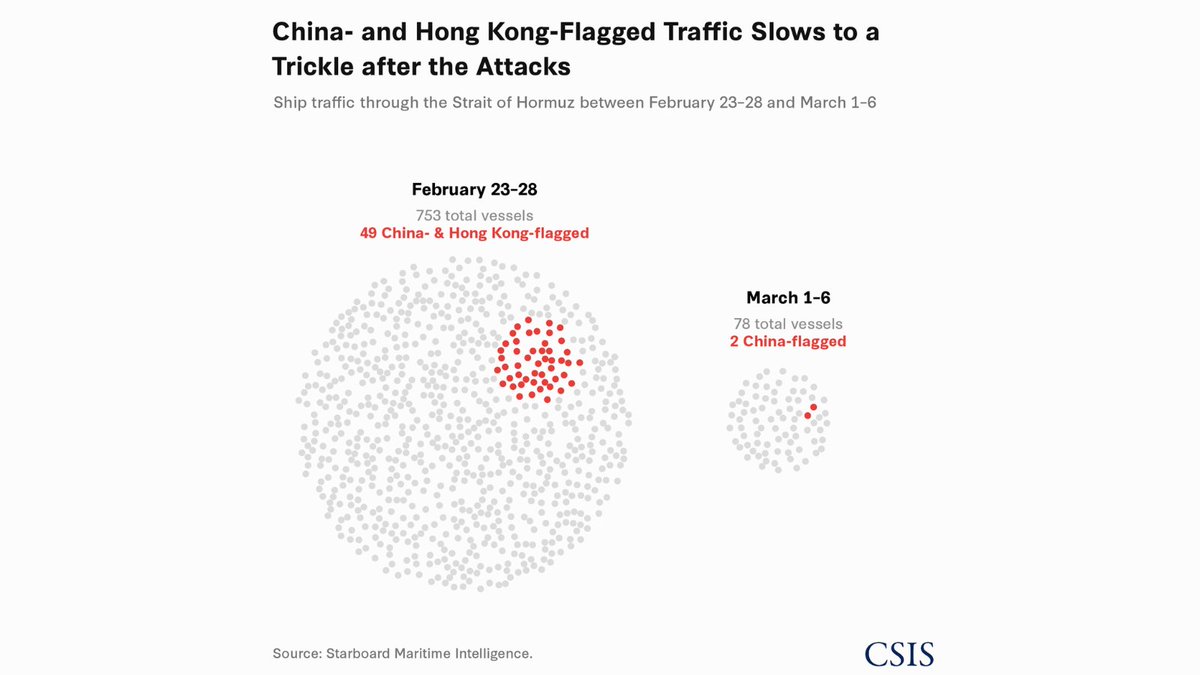
Read more from @HiddenReachCSIS and @AsiaMTI: https://t.co/Jscl63dfib
As war chokes off Strait of Hormuz traffic, Chinese ships are not getting special treatment. New tracking data shows Chinese vessels have largely halted transits, underscoring Beijing’s exposure to instability in a region critical to its energy security.
https://t.co/Jscl63dfib
Our 2023 @CSIS feature explores China's efforts to secure its energy interests in the Strait of Hormuz—the world's most important chokepoint for transporting oil.
https://t.co/2emCfOcz19
"Analysts in China have warned that upwards of 45 percent of the country’s oil imports sail through the strait, and they have called for boosting cooperation with regional partners to ensure safe passage of energy resources."
The US sources 100 per cent of its gallium from overseas, with about 95 per cent of those imports coming from China.
(Link in comments)
#china#usa#trade#economy#news#scmpnews#scmp
As more countries are drawn into China's orbit, the United States may face diminishing market share and reduced strategic influence over an increasingly important domain of competition.
Read more here: https://t.co/gWBQKrzwLs
A new space race is underway.
Countries everywhere want in.
But they need partners who can get them there.
Our latest feature explores how China has positioned itself as the primary gateway to space for much of the Global South.⬇️
Beijing has engaged with emerging economies across the full spectrum of space development, including satellite design and technical training.
At four key sites across Africa, new satellite imagery shows China's growing footprint in critical space infrastructure projects.
The scale and diversity of China’s overseas space activity make it difficult to track. To untangle this growing network, @HiddenReachCSIS developed an index that measures 5 core domains of cooperation and scores countries accordingly.
Learn more: https://t.co/FxW4sAXNtX
NEW: A new space race is underway. Countries everywhere want in—but they need partners who can get them there.
🧵Can the U.S. keep up as more and more Global South countries enter China's orbit? More from @HiddenReachCSIS: https://t.co/FxW4sAYljv
NEW: Are U.S. policies eroding China’s shipbuilding dominance? @HiddenReachCSIS experts dive into the data.
🧵Explore their findings: https://t.co/e1MMVhYtQY
With USTR fees on Chinese ships looming and the SHIPS for America Act working through Congress, how are US policies impacting the global shipbuilding market? Are US policies starting to erode China's dominance?
We dive into the data on ship orders in a @CSIS commentary.