An off-season climb of Mt Fuji. Somewhere between the physics of light and the philosophy of God, a man tries to find his way back to where he belongs. A prose on grief, God and letting go.
#fuji#grief#solo
https://t.co/Y0rggNtC2p
More education, not taking NSAIDs, and putting some entry-level QR for HM and above would avoid a lot of such fatalities.
The boom is recent, so there is still a lot of noise around the mandatory medical tests. Will take some time to settle. I would still go for baseline blood tests (CBC, LFT, RFT, CRP, Vit D, Ferritin & Vit B12) with an ECG if running a marathon distance or more. This is to cover the most common deficiencies and provide a basic heart screening.
@Variety Few weeks ago there was news that they would continue. What’s wrong with DC? They are not letting a story arc to finish at all. First Snyder and now Gunn. Sad
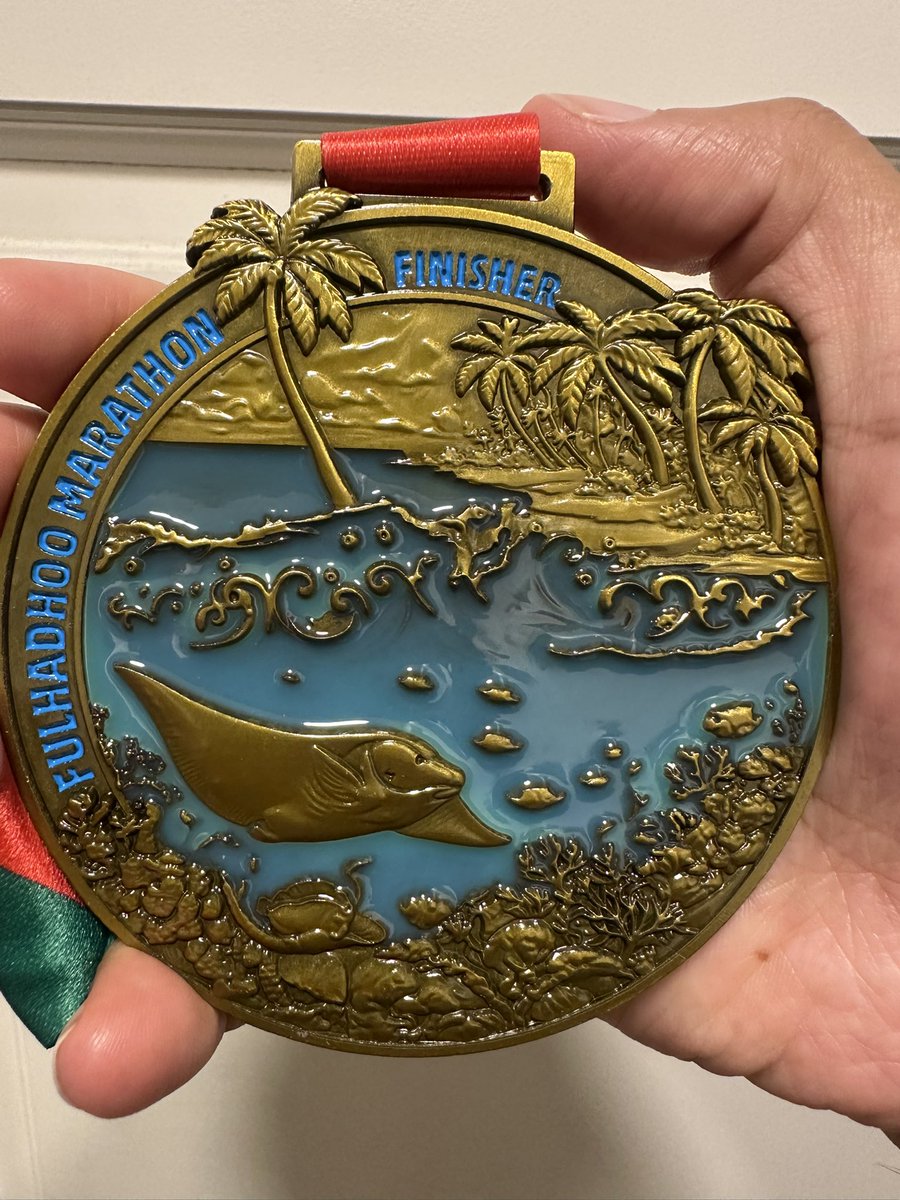
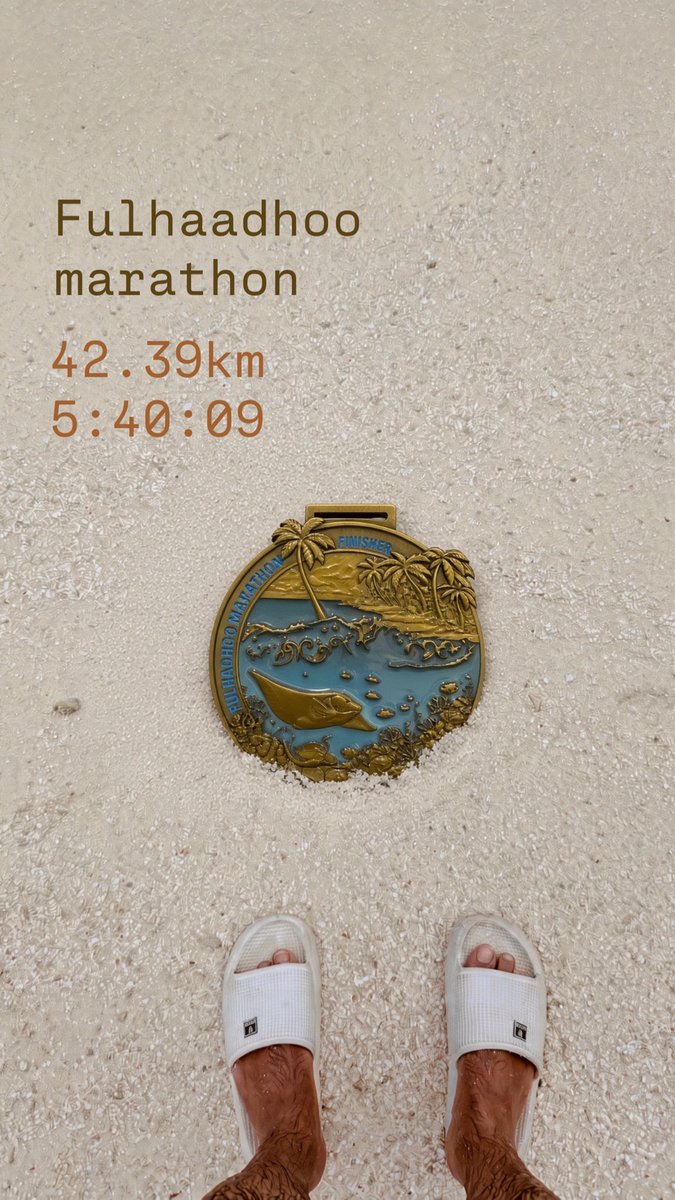
Finished a crazy marathon at Fulhaadhoo island north of Malé in Maldives. A 1.6km track of hard sand and gravel with rain and puddles. Didn’t remember the repeats but probably around 26.
@LoreofRunning1 Not suddent death per se but can lead to. Early onset can be in 1-3hours. With some underlying condition, may be a channalopathy or heart condition or alike, got aggravated to fatal outcomes.
Rhabdomyolysis is not that rare.
The muscle breakdown happens with every run. The longer the run, more is the breakdown. This releases a lot of potassium and other byproducts in the blood which are cleared in the urine.
Problem arises when the breakdown exceeds the body’s capacity to clear it. This leads to excess potassium in blood, which straight away affects the heart and causes a heart attack.
In a marathon, heart is already working overtime and body is as such dehydrated, so it gets overwhelmed quickly and crashes.
That is why hydration is so important.
Rhabdomyolysis should not happen in a well trained athlete. Usually, there are some underlying predisposing factors which increase the likelihood.
Unfortunately, she got exposed in her very first marathon.