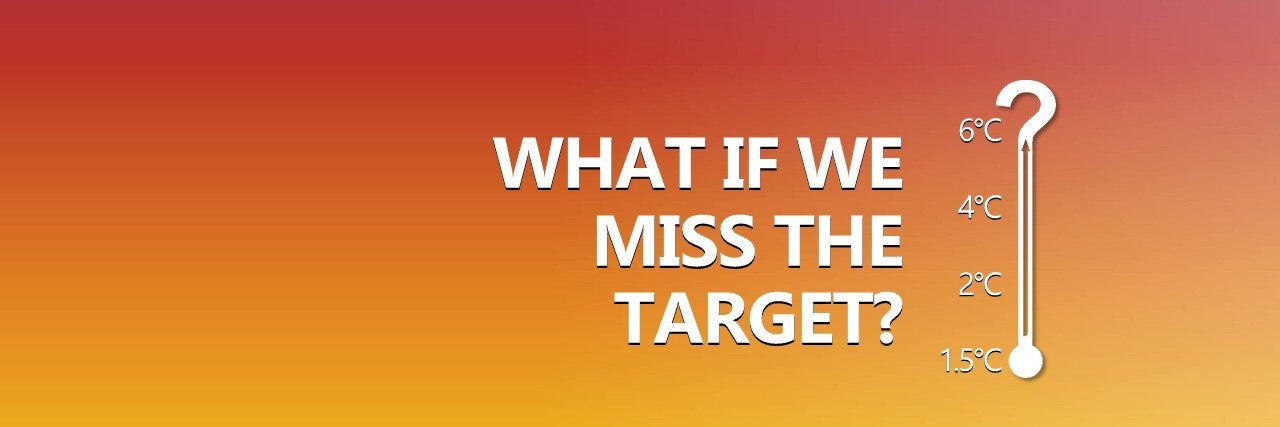
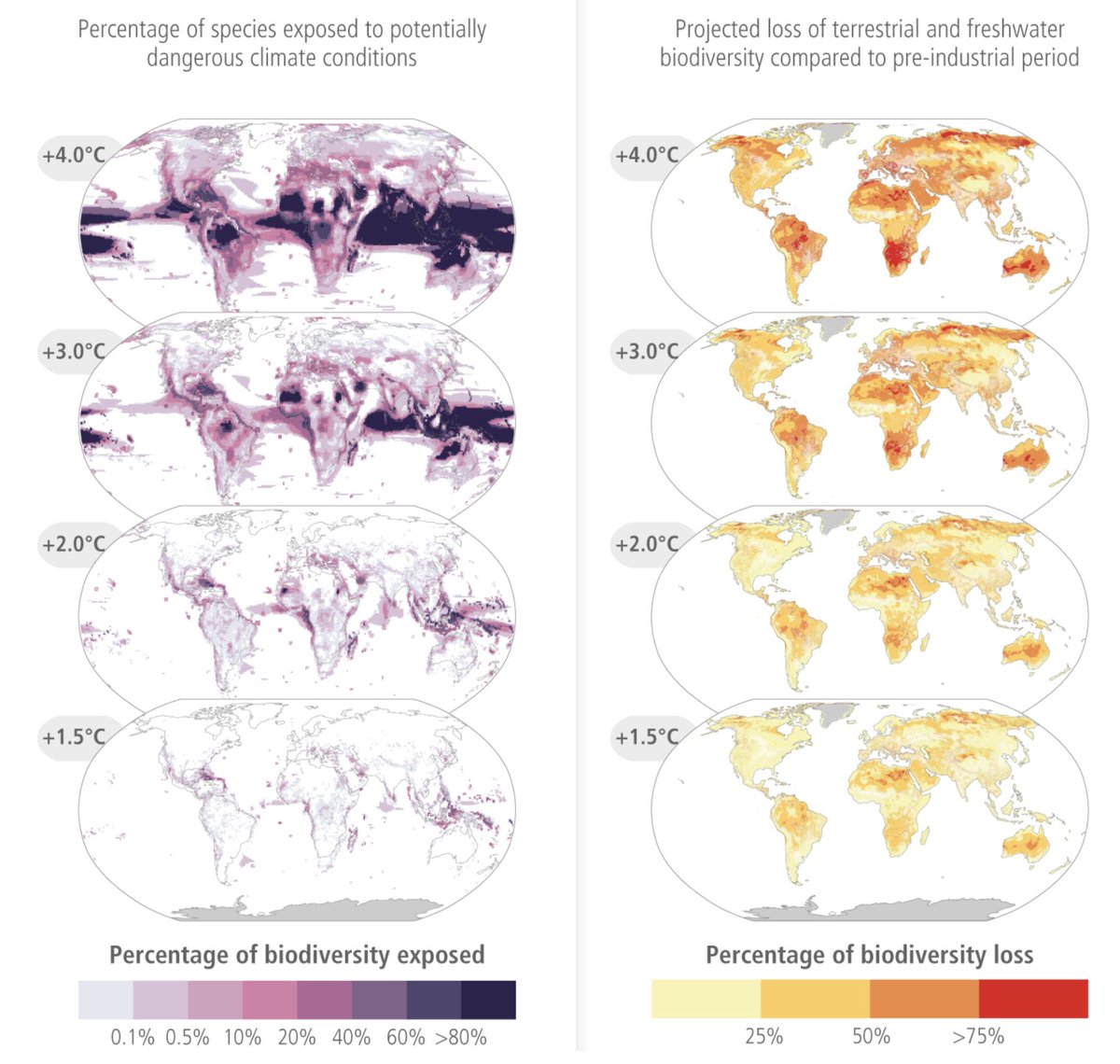
HELIX: High-End cLimate Impacts and eXtremes. 16 global institutes funded by the EU to research impacts of climate change at 1.5, 2, 4, and 6C global warming.
We need to massively ramp down emissions urgently, and also adapt to the locked-in changes we’ve already caused
We know what we need to do - we just need to get on and actually DO it
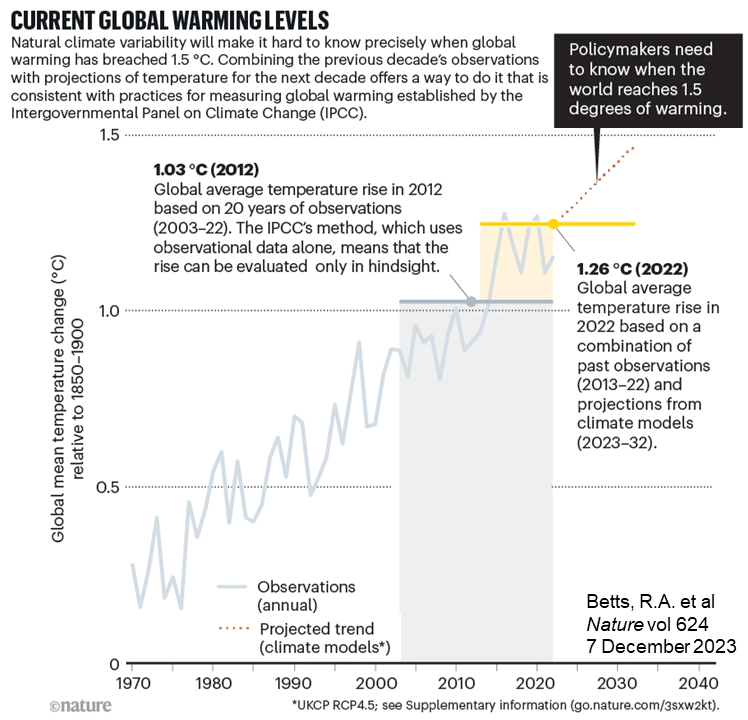
Pleased to be speaking at the @EuroGeosciences#EGU24 conference on Monday on our @Nature paper on how we will know when we've reached 1.5°C global warming
Session CL2.6 Global and regional climate observation and monitoring, PICO 5 - I'm on at 10:45 🧵
https://t.co/3XLf3cNTS9
Climate change and deforestation risk an Amazon tipping point
Our new @nature paper led by @BernardoMflores
On current trends, we estimate that by 2050, 10 - 47% of Amazonian forests will exposed to compounding disturbances risking critical transitions
https://t.co/ldZCT8KIea
Approaching 1.5°C: how will we know we’ve reached this crucial warming mark?
The Paris Agreement does not define "temperature rise", so recognition of 1.5°C being reached may be delayed
In @nature we propose the Current Global Warming Level metric
https://t.co/3XLf3cNTS9
If you want to hear more about Sawyer's remarkably accurate prediction of global warming from 50 years ago today, tune in to BBC Science in Action on World Service Radio at 20:32 local time this evening to listen to my chat with @PeaseRoland
https://t.co/EqlH0ACibt
On 1st September 1972, @metoffice scientist John Sawyer published a @Nature paper 'Man-Made Carbon Dioxide and the "Greenhouse" Effect'
He predicted that the world would warm by 0.6°C by the end of the 20th Century
The actual warming was nearly 0.5°C - a pretty good prediction!
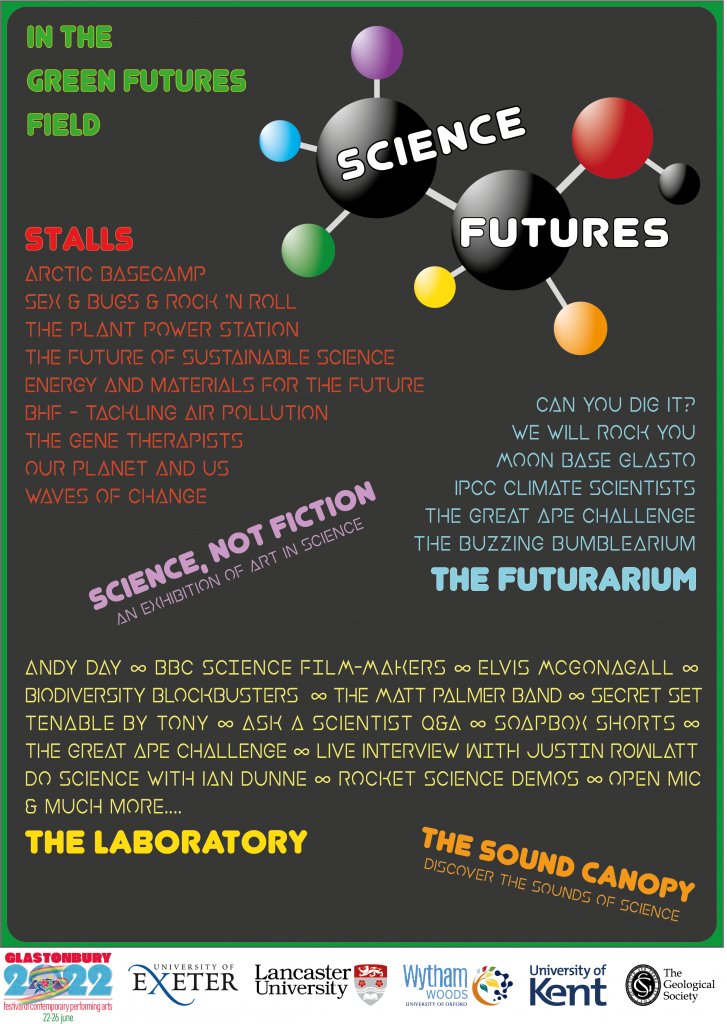
We are Science Futures, an exciting, brand new area at
#Glastonbury2022 inspiring conversations, learning and fun around all things science!
Our Laboratory stage has science-themed music, poetry and more
More details here https://t.co/fal0vJ3hER
Please RT! 😀🙏
#Glastonbury
One nice change in the IPCC AR6 a focus on global warming levels (1.5C, 2C, 3C, 4C) rather than emissions scenarios. This implicitly recognizes there are a lot of different combinations of emissions, climate sensitivity, and carbon cycle feedbacks that gets us to different levels
Watch the launch of the new IPCC report! 11am UK time
Vital new information on impacts of climate change that we're already seeing, and escalating future risks
It also shows how and where we are vulnerable to climate change, and gives an assessment of adaptation and its limits
This claim is false. Until emissions stop completely (not merely decline), CO2 will continue to build up in the atmosphere.
It's like saying that there's no risk of your bathtub overflowing because you've turned the taps down a tiny bit. You actually have to turn the taps OFF!
This will be a really important discussion on the science and economics of forests and woodlands as part of net zero strategies.
If you’ll be in Glasgow on 6th Nov and would like to take part, please register today!
@RishiSunak As the Government create a Net Zero Strategy, hopefully before COP26 to make a clear signal to the rest of the world, please can you include the adaptation funding plan in the Spending Review? Thank you.
Looking forward to the launch of the 3rd UK Climate Risk Independent Assessment tomorrow
Working with @KathrynABrown & @theCCCuk colleagues, I led the Technical Report, with a great team of top experts
We have lots to tell you - join us tomorrow 10am!
https://t.co/jYyjX9sgGQ
We've already changed the climate and increased the odds of many types of extreme weather
Now we have to live with the consequences of that
These extremes will become even more likely and severe if we keep adding more and more CO2 to the atmosphere
https://t.co/i7Q2elONvw
Heed blame for extreme weather - my new article in @Nature on extreme event attribution and why it's important and useful
This draws on the latest special issue of the @ametsoc BAMS journal on Explaining Extreme Events of 2019 from a Climate Perspective
https://t.co/i7Q2elONvw
There's a new paper out, being presented as showing global warming may have already passed a "point of no return"
BUT it's based on a model with major flaws. Even the authors don't claim it actually represents reality
Fact check by @daisydunnesci here:
https://t.co/hakl34bhWZ