As an individual, we can choose sustainable seafood to protect marine mammals. We could avoid eating seafood such as sharks' fins that would damage the marine ecosystem. #39canimals
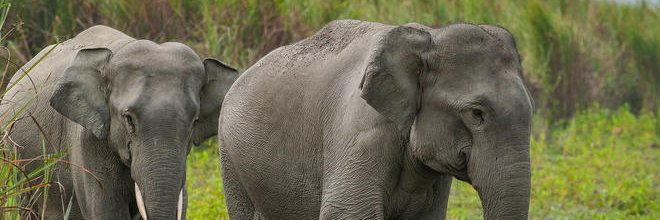
"There is an undying demand for ivory [and] poachers always seem to find loopholes [in ivory bans]. Strong disincentives must be set [...] governments [need] to dedicate more political & financial support to the conservation of elephants to maintain & enforce laws." #39canimals
#39canimals
"On an individual level, something that can be done to is to help spread knowledge about inhumane animal treatments in factory farming because most people lack the information that they need to recognize the severity of farmed animal treatments. "
"The next global solution that has been proposed to solve the problem of habitat degradation has been the laws and policies regarding littering and the trashing of the oceans." (Christopher Calvillo)
#39canimals
"Partaking in beach clean-ups is a way people can be proactive and make sure the waters where sea otters and other marine mammals are living in are not getting polluted."
Take a look at the image to see which pieces of trash are commonly found #39canimals
"The main fisheries that annihilate the shark population would be countries in Asia, especially India, “the annual harvestable fishery potential of the country is estimated to be 3.48 million tonnes”" #39canimals
"Biggest of all, the orcas face the problem of captivity. Captivity involves capturing orcas in the wild and taking them to parks where people can go and see them" #39canimals
Unadopted dogs and rescued mill dogs lead to dog overpopulation and overcrowded animal shelters. Each year, around 1.2 million dogs are euthanized to create more space. #39canimals
“lumber companies build large roads into once pristine forest, dividing up chimpanzee territory, separating communities, and, most significantly, allowing easy access to bushmeat traders” (Lemon).
In Africa, chimpanzees have already become extinct in 4 of the 25 countries that they resided in (Gambia, Burkina Faso, Togo, and Benin) (State of the Chimpanzee).
At the turn of the 20th century, wild chimpanzee populations were estimated to be over 1 million, today the populations of chimpanzees outside captivity have dropped to just around 172,000 (State of the Chimpanzee) #39canimals







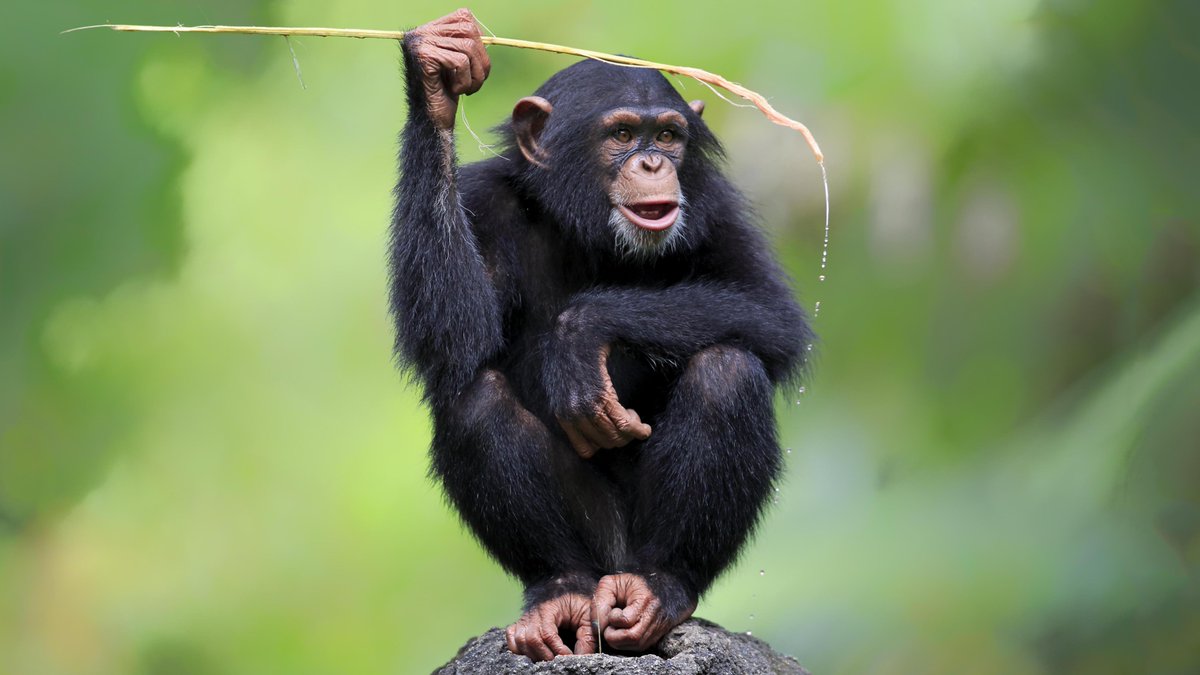


![HiguchiSean's tweet photo. "The poaching of [chimpanzees] for the illegal practice of selling bushmeat has become an ever prevalent and lucrative business." #39canimals https://t.co/9kzvKDl92U](https://pbs.twimg.com/media/EZuAqp4VcAAiZbp.jpg)


