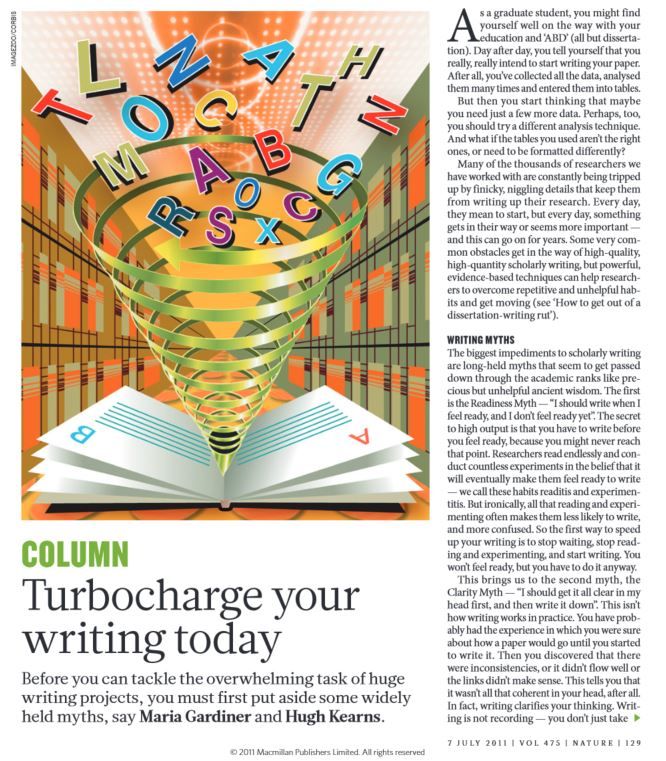
Word contains some wonderful features which can save you time and stress – and help you to create clear and academically appropriate writing #uea#phdchat#phdforum#sfep#npen
https://t.co/s2RZwHsQwe
One of my all-time favourites: to ‘lick’ something ‘into shape’ originated in the medieval belief that bear cubs are born as formless lumps that need to be licked into bear shape by their mother.
Editors: One day this could save me - and you - a lot of time! Thanks, Liz.
What to do if your comment boxes go tiny in Word https://t.co/kXlgxUgcdB via @Lyzzybee_Libro
Words that once wore their heart on their sleeve: a freelancer was a knight-adventurer who used his lance for anyone who paid him; a secretary kept secrets; illustrators added lustre; and a heathen lived on the (‘uncivilised’) heath.
Why do humans have two eyes? How do pirates divide their treasure? If you could invent an instrument what sound would it make? And other sample questions, straight from the tutors taking part in the #OxInterview process. Choose your subject, and have a go! https://t.co/fxGoFzb9Ht
@UEA @SfEP If you’ve ever struggled with Harvard referencing you may have wondered what it really is and where it comes from. This may help: https://t.co/gW2WMF8eEV
My view of the world I live in was changed by last night’s Blue Planet. And I can never unsee the fish with the transparent head. https://t.co/YK6JJsyPi4
The ‘h’ in ‘ghost‘ is a historical hiccup. William Caxton, having first practised his trade in Flanders, brought Flemish typesetters back to England to help set up his printing press - they lobbed an ‘h’ into English ‘gost’ because their own native word was ‘gheest’.