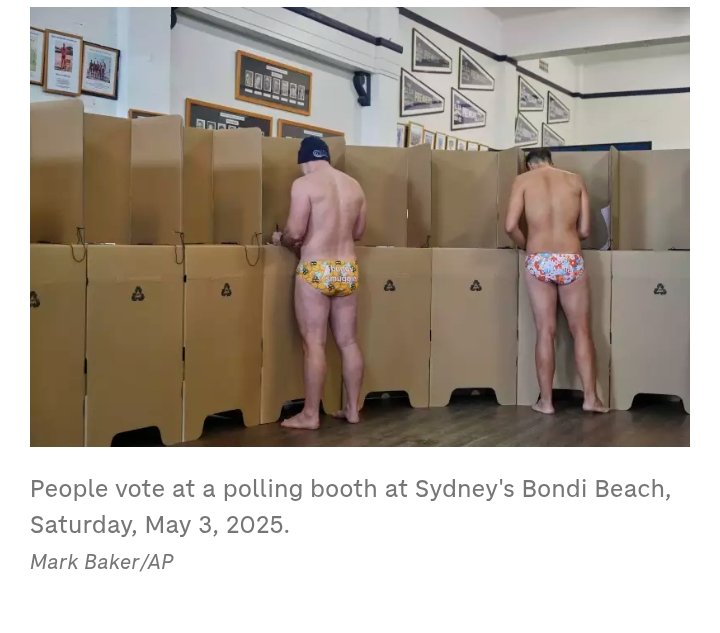
Huge congratulations to @ocallaghanphil and @ExamcraftGroup for the launch last night @EPICMuseumCHQ of ‘Are We Human’, a moving and inspiring night! Launch by the Lord Mayor and some extraordinary humans ❤️
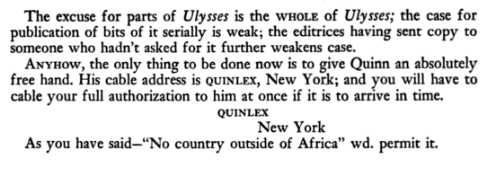
If the accused could speak he could a tale unfold—one of the strangest that have ever been narrated between the covers of a book. He himself...is a physical wreck from cobbler’s weak chest.
- Ulysses
Oct 25 is the feast day of Crispin and Crispinian, patron saints of cobblers
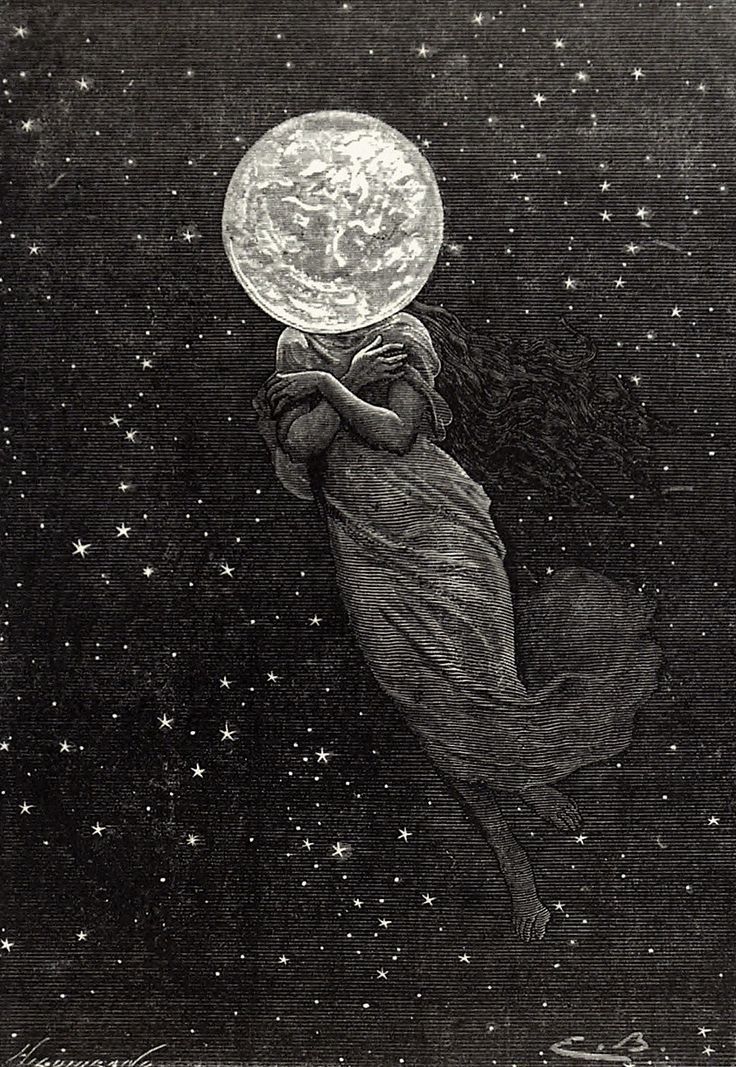
Émile-Antoine Bayard, Illustrations for Jules Verne's Around the Moon (1870). Collection: Linda Hall Library.
Émile-Antoine Bayard’s wood engravings for Jules Verne’s Around the Moon (1870) are regarded as the first serious works of scientific space art. Unlike previous depictions, which were mystical, Bayard’s illustrations were grounded in the scientific knowledge of the time.
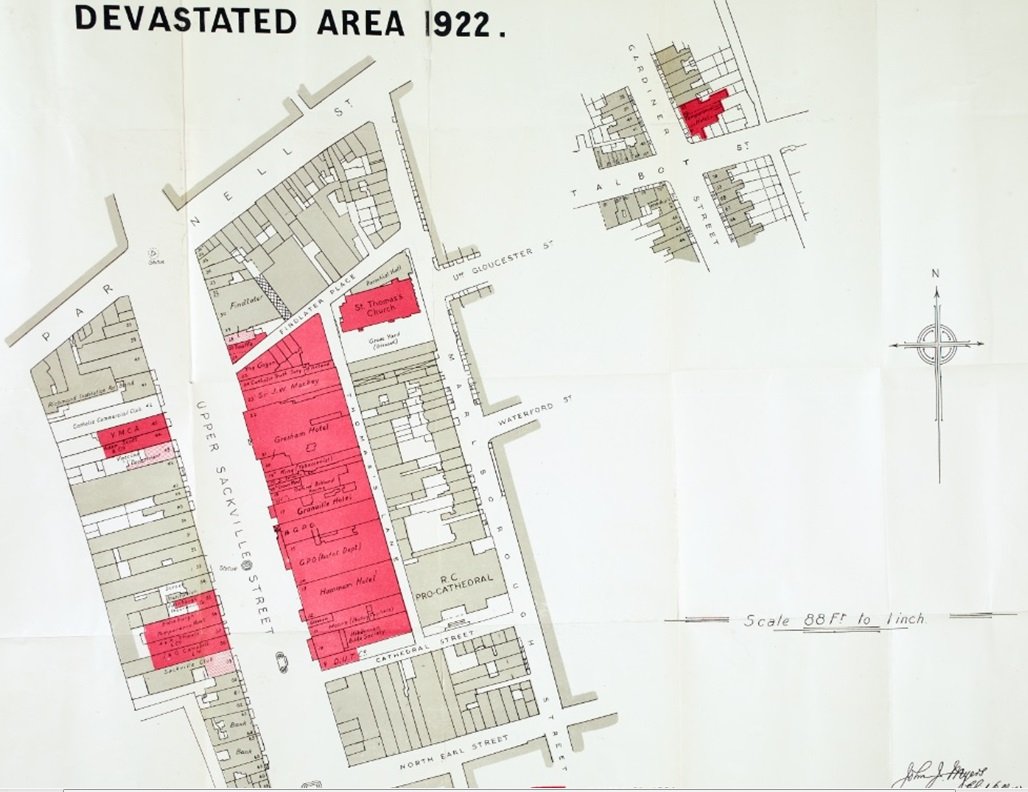
Reading the incredible Atlas of the Civil War from @CorkUP reminded me to seek out this map again, produced by Captain Myers of the Dublin Fire Brigade.
It shows the damage to Dublin's main thoroughfare folllowing the battle of Dublin in 1922. If you're wondering what the 'GPO' is doing near the Gresham Hotel, that's a temporary post office while the other was being repaired. (CREDIT: @DubFireBrigade/@LasFallon for copy)
The Dublin Review number ninety-six | AUTUMN 2024 features new writing by Peter Gordon, Katie Curran, Sorcha Hamilton, Ian O'Donnell, Beth Kilkenny, Fiachra Kelleher, and this personal essay by William Keohane. Buy or subscribe 👇https://t.co/E3HQumYsNp…
Putting on a brave face in Warsaw, despite the massive destruction and casualties wrought in that city by the Nazi regime in World War II (photo: Michael Nash, 1946) https://t.co/5GPYV8ymAl
Getting started, keeping going, getting started again — in art and in life, it seems to me this is the essential rhythm not only of achievement but of survival, the ground of convinced action.
23 July 1665
Up very betimes, called by Mr. Cutler, by appointment, and with him in his coach and four horses over London Bridge to Kingston, a very pleasant journey, and at Hampton Court by nine o’clock, and in our way very good and various discourse, as he is a man, that though I think he be a knave, as the world thinks him, yet a man of great experience and worthy to be heard discourse. … I followed the King to chappell, and there hear a good sermon … Cutler carried me to Mr. Marriott’s the house-keeper, and there we had a very good dinner and good company, among others Lilly, the painter. ... forced to get a boat to carry me to Kingston, and there, after eating a bit at a neat inne, which pleased me well, I took boat, and slept all the way, without intermission, from thence to Queenhive, where, it being about two o’clock, too late and too soon to go home to bed, I lay and slept till about four.
William Cutler
Queenhithe
Pepys is usually referring to the wharf and stairs on the north bank of the River Thames.
Peter Lely: 1618-1680. A painter of Dutch origin. He was the most popular portrait artist in England.
Portrait of a Lady by Peter Lely
Ideallandschaft mit Römischer Ruine und Auffliegenden Vögeln im Vordergrund (Ideal Landscape with Roman Ruin and Flying Birds in the Foreground) by Ferdinand Knab (1891).
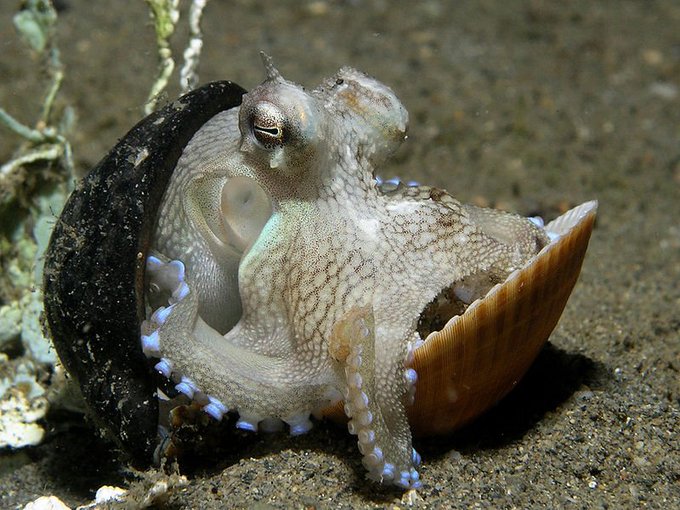
How an octopus named Otto caused an aquarium power outage by climbing to the edge of his tank and shooting a jet of water at a bright light that was annoying him.
The staff believed that the octopus called Otto had been annoyed by the bright light shining into his aquarium and had discovered he could extinguish it by climbing onto the rim of his tank and squirting a jet of water in its direction.
The short-circuit had baffled electricians as well as staff at the Sea Star Aquarium in Coburg, Germany, who decided to take shifts sleeping on the floor to find out what caused the mysterious blackouts.
For the Feast Day of Mary Magdalene, here she is, having a little chat with her sister Martha (at left) about Vanity & housework. By Caravaggio, of course, in 1598.