History doesn’t repeat—it echoes across distant thrones.
An uncle usurps the crown, and the young heir vanishes. A mystic infiltrates the royal bedroom and brings a dynasty to the brink. A bankrupt monarch begs his richest elites to pay taxes—and loses his head when they refuse.
Different languages. Different centuries. The exact same human nature.
Daily parallels in power, betrayal, and scandal. Welcome to Dust of History.
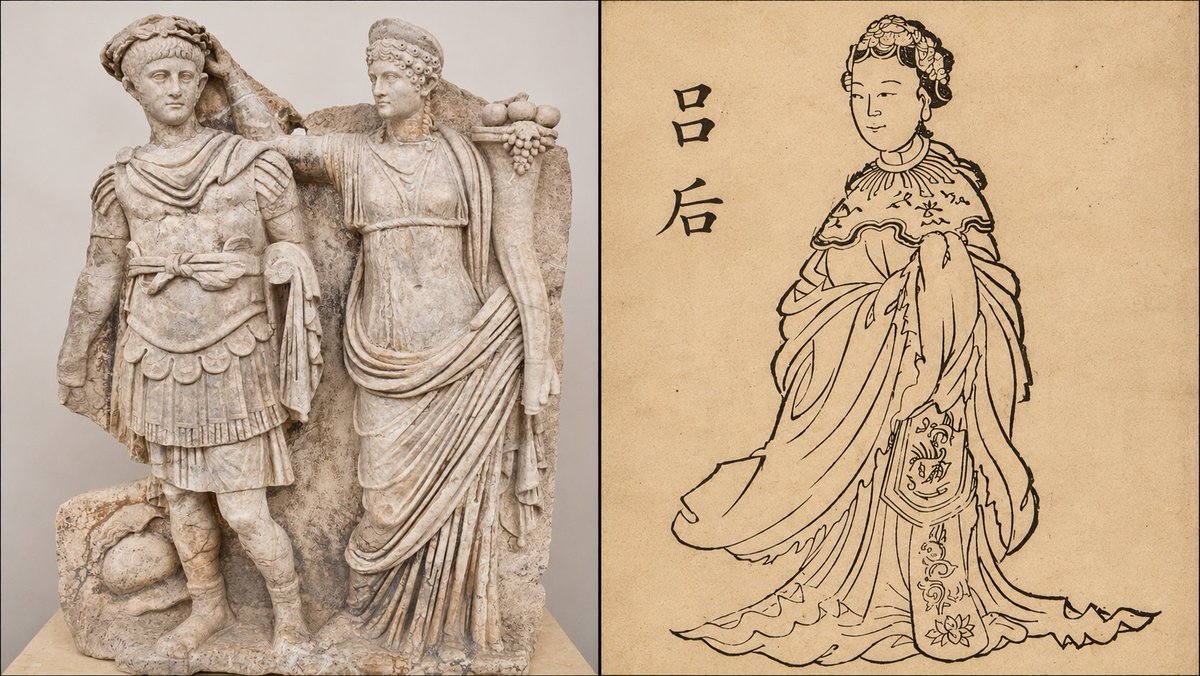
In Rome, Emperor Nero had his controlling mother murdered. In China, Emperor Hui drank himself to death to escape his.
Both men inherited empires only to find their mothers holding the real power.
Agrippina put Nero on the Roman throne in 54 AD and even stamped her own face onto imperial coins beside his. Five years later, Nero staged a collapsible boat to drown her; when she swam ashore, he sent soldiers to finish the job.
Two centuries earlier, Han Empress Dowager Lü brutally mutilated a rival concubine and forced her teenage son, Emperor Hui, to look. Horrified, Hui abandoned politics for wine and died at 22.
Roman oligarch Marcus Crassus built history’s most ruthless real estate racket. Whenever a building caught fire in Rome, he showed up with a private fire brigade and offered pennies for the burning property. If the owner refused, Crassus let it burn.
At his peak, his personal net worth nearly matched the annual treasury of the Roman Republic. Wanting military glory to match Julius Caesar, he invaded Parthia in 53 BC, walked into a desert ambush at Carrhae, and lost his head. Later Roman accounts claimed the Parthians poured molten gold down his throat to mock his thirst.
Eighteen centuries later, Qing China produced an even richer insider. Imperial favorite Heshen amassed a private fortune rivaling years of the entire Qing Empire's tax revenue.
He survived only as long as his patron lived. Days after the old Qianlong Emperor died in 1799, the new emperor seized Heshen's estates and sent him a length of white silk to hang himself. A Beijing proverb summed it up: "Heshen falls, the Emperor eats full."
@MindsEye369 Ancient China imagined its own divine beings too. Different civilizations, different gods, same human fascination with the supernatural. Here's the Chinese pantheon.
@ShahanshahCyrus Every civilization has its heroes. Here are some legendary figures from Chinese mythology and history. Different cultures, same timeless stories.
202 BC was a brutal year for military geniuses.
In Tunisia, Carthaginian general Hannibal Barca lost the Battle of Zama. For fifteen years he had terrorized Italy and annihilated Roman legions at Cannae, yet Rome outlasted him through sheer logistics and alliances.
Four thousand miles east, that very same year, Chinese warlord Xiang Yu lost the Battle of Gaixia. At 25, he had shattered the Qin dynasty's main army after sinking his own riverboats and smashing his cooking pots so his men had to win or die. Yet he kept letting his rival Liu Bang escape to rebuild.
Hannibal died by poison years later in exile. Xiang Yu cut his own throat at 30. Tactics win battles; boring logistics build empires.
Worth noting this wasn't just vanity—it was a clash of artistic traditions. Classical Chinese imperial portraiture rejected chiaroscuro; facial shadows were considered "dirt" or bad omens ("yin" energy) on an ruler's face. Hubert Vos gave Beijing the flat, auspicious aesthetic the Qing court demanded, then painted the realistic version in Paris for Western eyes.
Wild detail from the Book of Later Han: in 166 AD, envoys claiming to represent 'King Andun of Daqin' (Marcus Aurelius Antoninus) actually reached the Chinese capital Luoyang. The imperial historian dryly noted their gifts of ivory and turtle shell were unimpressive, concluding rumors of Roman wealth must have been exaggerated.
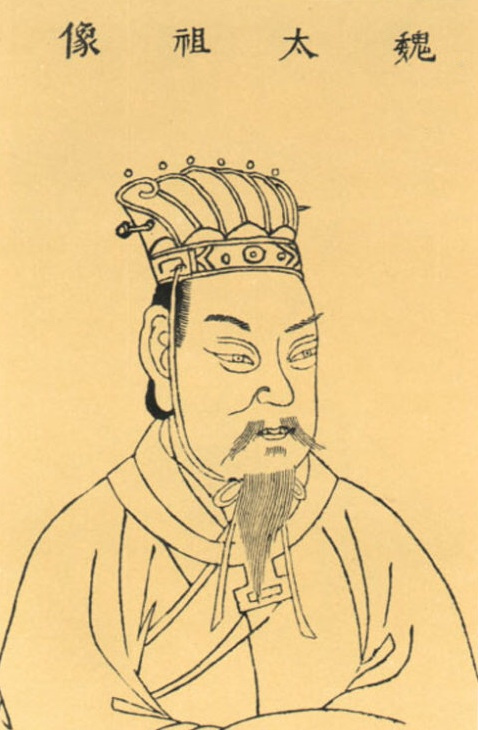
Funny how late Han warlord Cao Cao solved Caesar's exact dilemma 260 years later: when urged to depose China's puppet emperor and take the throne, he said his rivals were just trying to "roast him on a stove." He kept the lesser title, died in bed at 65, and let his son formally take the crown months later.
The irony goes one layer deeper: after Caesar died, his adopted son Octavian learned the exact lesson Cao Cao later practiced. Octavian never called himself "King" or "Dictator" either. He simply styled himself Princeps ("First Citizen") while holding every legion in Rome.
How do you hold absolute power without getting murdered for it?
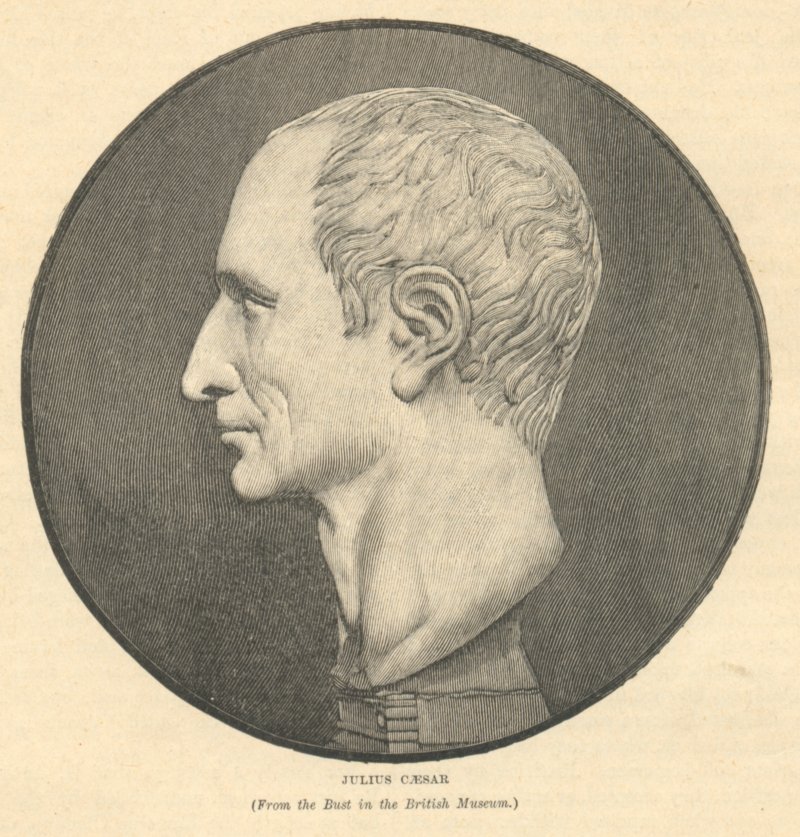
In 44 BC, Julius Caesar held total control over Rome as dictator for life. Even after he ostentatiously refused a royal diadem in public, senators still stabbed him to death a month later, convinced the Republic was dying.
Two hundred years later, Chinese warlord Cao Cao solved Caesar's dilemma. He ruled northern China through a figurehead Han emperor. When rivals petitioned him to claim the imperial title in 219 AD, Cao Cao refused, remarking that they just wanted to roast him over an open fire.
Caesar died on the Senate floor at 55. Cao Cao kept his puppet emperor, died in his own bed at 65, and left the actual throne for his son to take cleanly.
@MorEdge_Insight Citing Genghis Khan as a model for modern foreign policy is a pretty extreme leap—13th-century steppe warfare and 21st-century geopolitics don't play by the same rules, strategically or morally.
@x_Aurelion "Before you step out of that circle, give me a reply for the Roman Senate." — Gaius Popillius Laenas, an unarmed old diplomat who drew a line in the sand around King Antiochus IV and forced an entire invading army to turn around on the spot.
@JensenHuang We really went from the Sam Altman weekend drama to the Jensen Huang edition. Let’s be honest—nobody seriously believes NVIDIA navigates the next five years without the leather jacket at the helm.
The contrast between her correspondence with Voltaire and the reality of Russian serfdom really sums up her whole reign. She loved Enlightenment ideas right up until Pugachev and 1789 reminded her that her throne actually rested on the nobility and the Guards, not French philosophers. Great write-up.
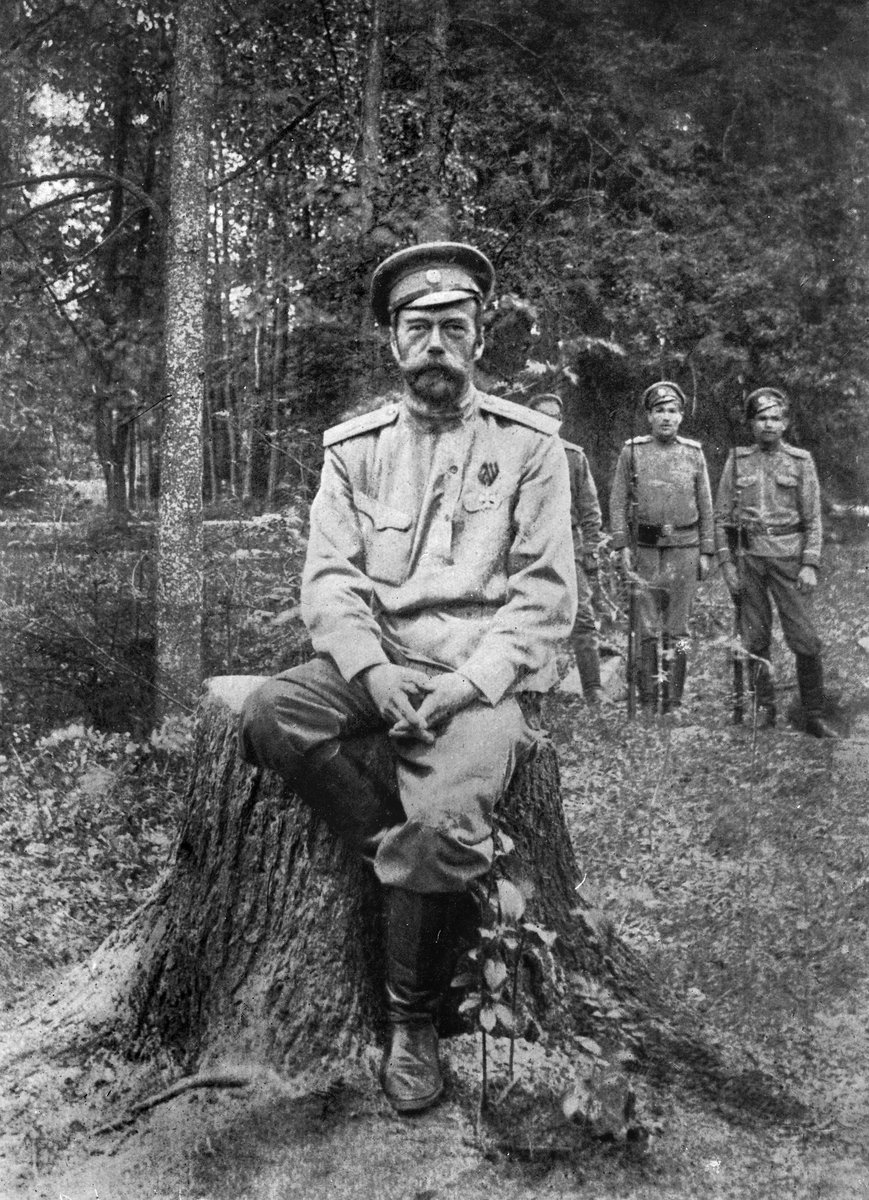
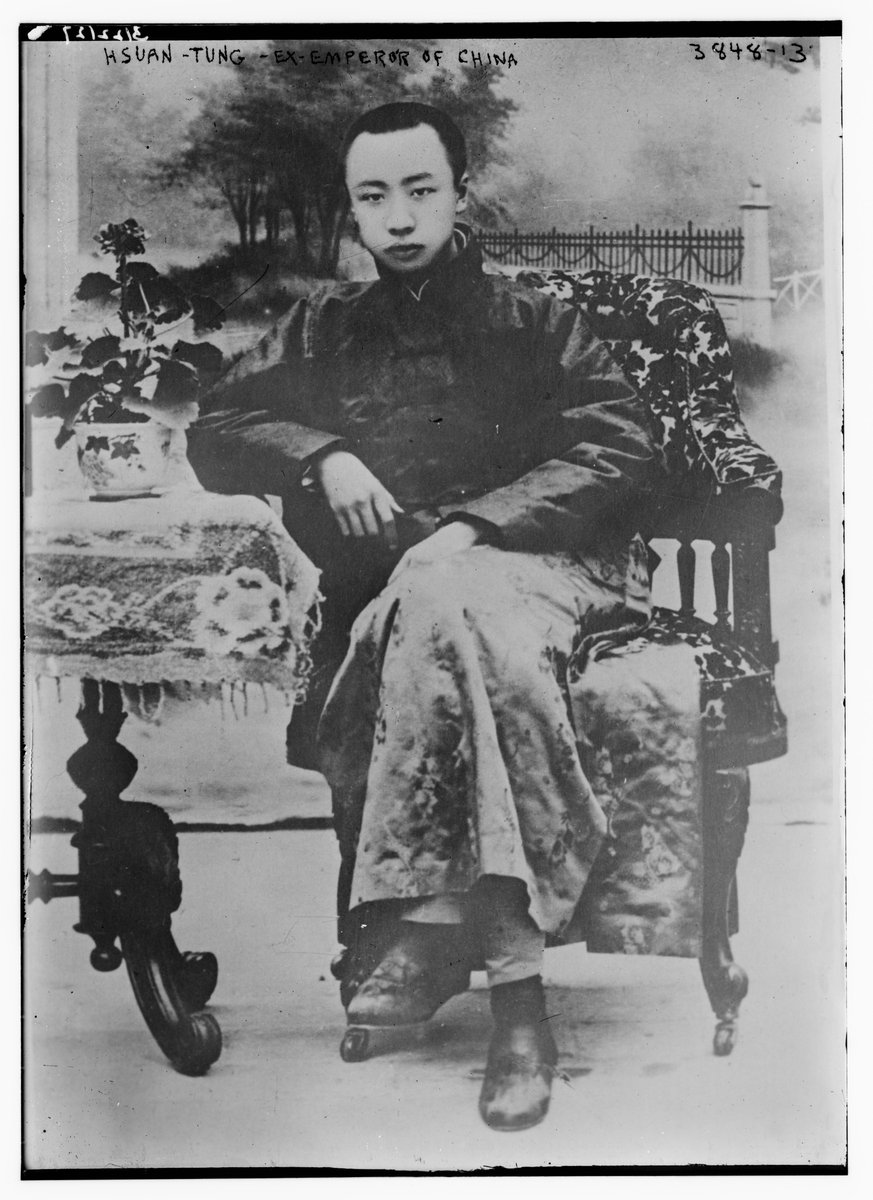
Nicholas II died in a Yekaterinburg cellar in July 1918.Puyi, China's last emperor, died of kidney cancer in a hospital bed in 1967, carrying a regular citizen’s ID.
Their dynasties had fallen just five years apart: Qing China in 1912, Romanov Russia in 1917.
With White armies closing in on Yekaterinburg, the Bolsheviks couldn't risk leaving a living Tsar behind as a royalist banner.
Forty years later, China’s new state did the exact opposite. Puyi had even ruled Japan’s puppet regime in Manchuria and spent ten years in a war-crimes prison. Yet in 1959, he walked out with a state pardon, took a job pruning plants at a botanical garden, and spent his final years cataloging historical archives.
For the Bolsheviks, a dead monarch meant security. For China's new rulers, a former Son of Heaven clocking into a day job was the ultimate proof the empire was gone.
@wikivictorian The lantern changes the whole scene. Death hasn't come charging in with a scythe; she sits beside the girl almost like a visitor. That quietness makes the painting more unsettling than a skeleton ever could.
@ray2kcreations Try Wang Xizhi's Preface to the Orchid Pavilion. Written after a gathering by a stream in 353, it moves from wine and poetry to the brevity of life. The original is lost, but a Tang copy survives in the Palace Museum—a lovely meeting of literature and calligraphy.
@35freedomknight There's a further twist in that family web. In 655 Kim Yusin married Lady Jiso, the third daughter of Chunchu and Munhui. So the general beside King Munmu was both his maternal uncle and his sister's husband — the Gaya line and the Silla royal house were bound twice.