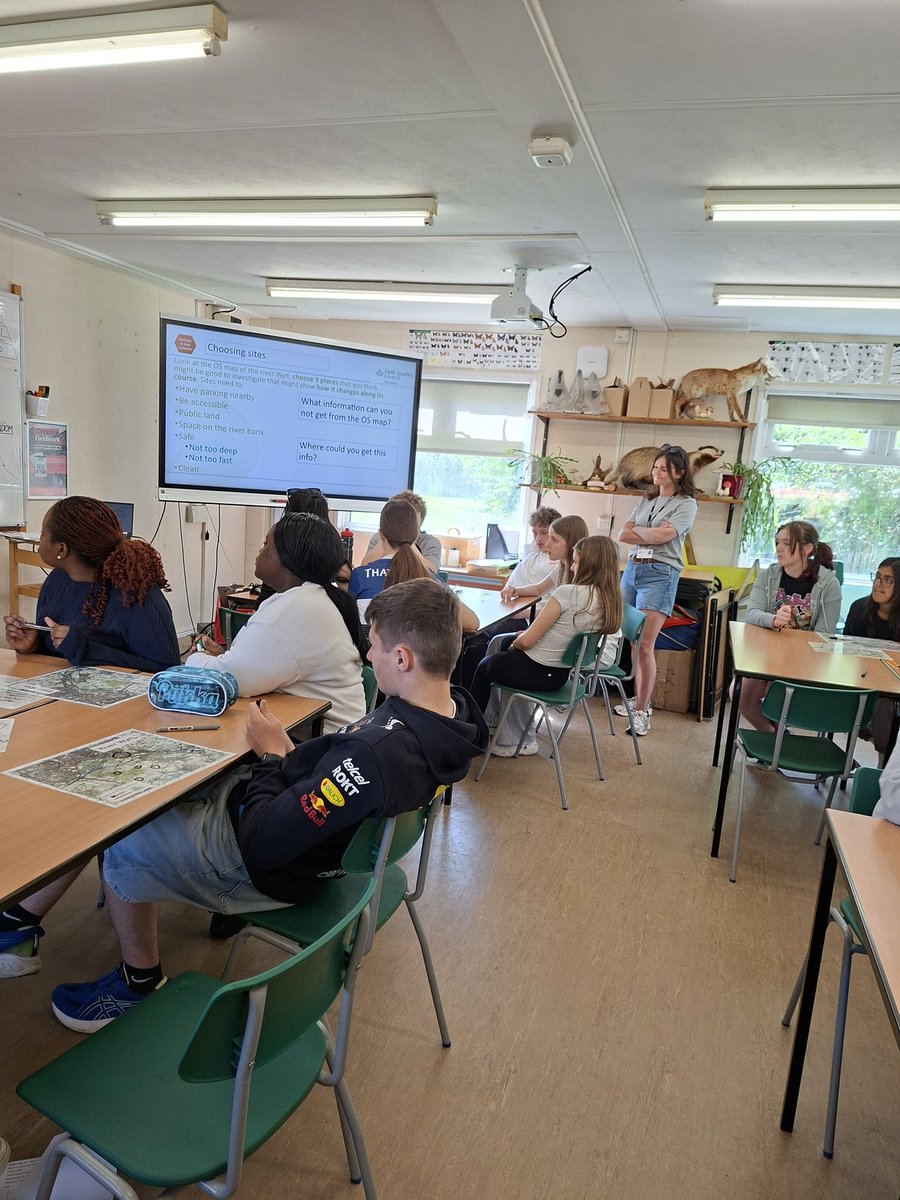
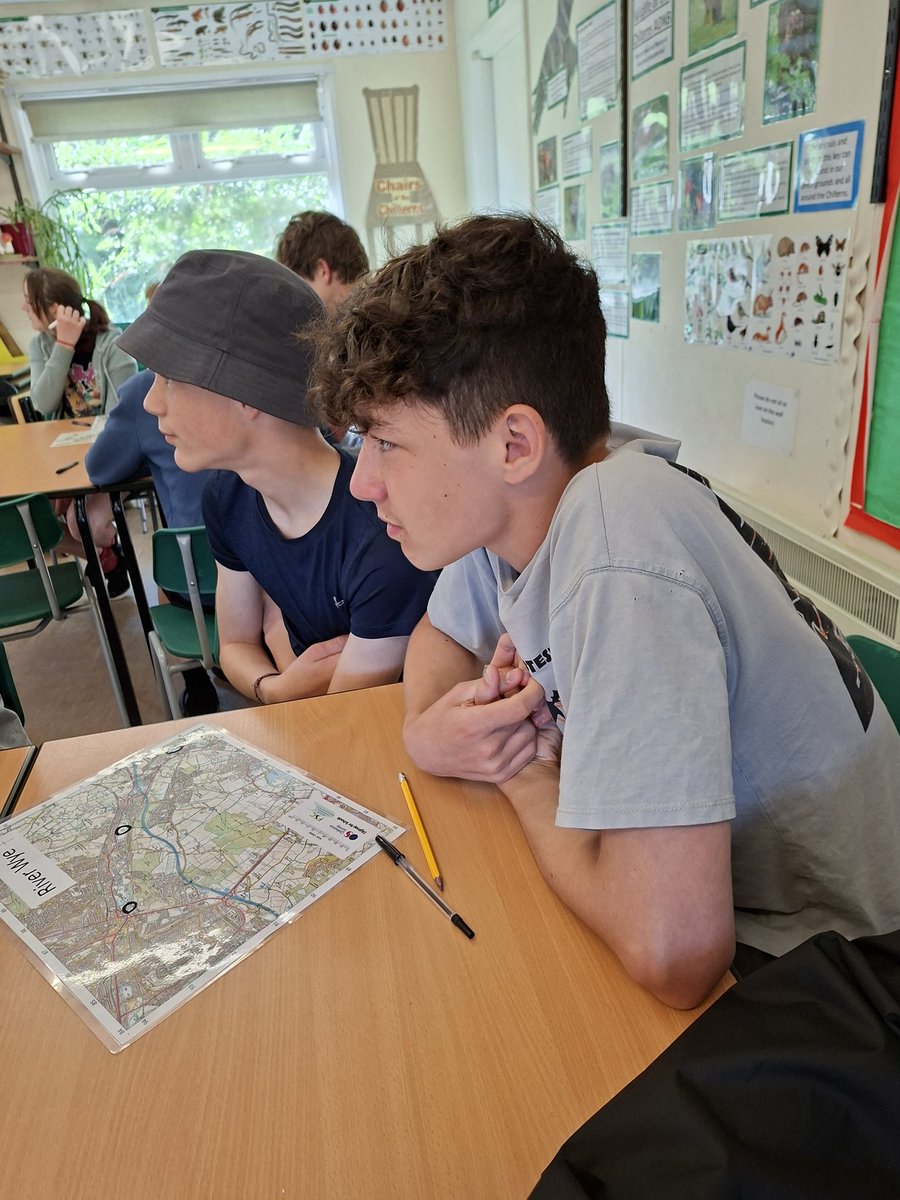
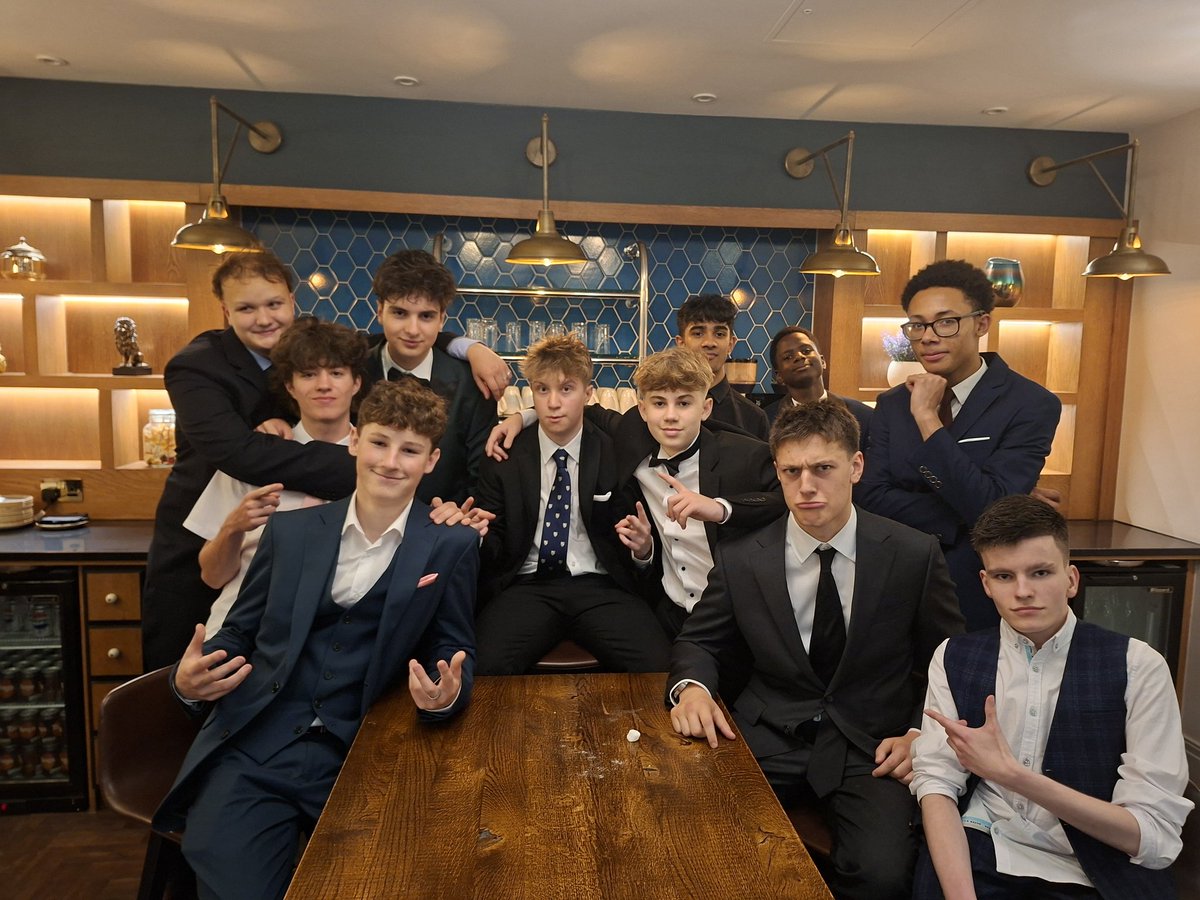
Huge CONGRATS to our year 11 @HolyportCollege Geography, History & RS students, we're really proud of all the work you put in and the grades you've achieved. 🎉🎉
Good luck to all our students receiving their results today! 📚
You’ve worked incredibly hard 💪🏻
Your grades matter, but they don’t define you. Whatever’s on that paper, you’re talented, valued, and have a bright future ahead.
🌟 #ResultsDay
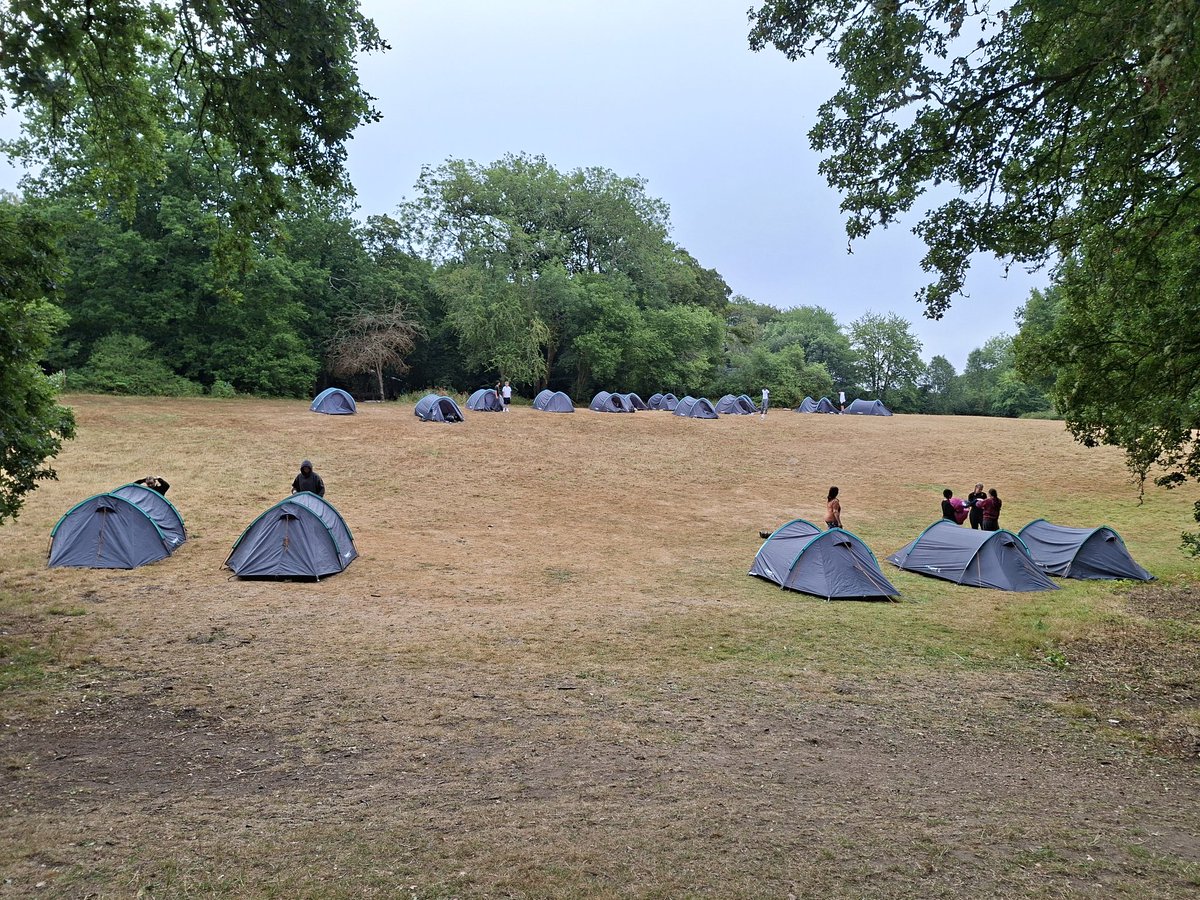
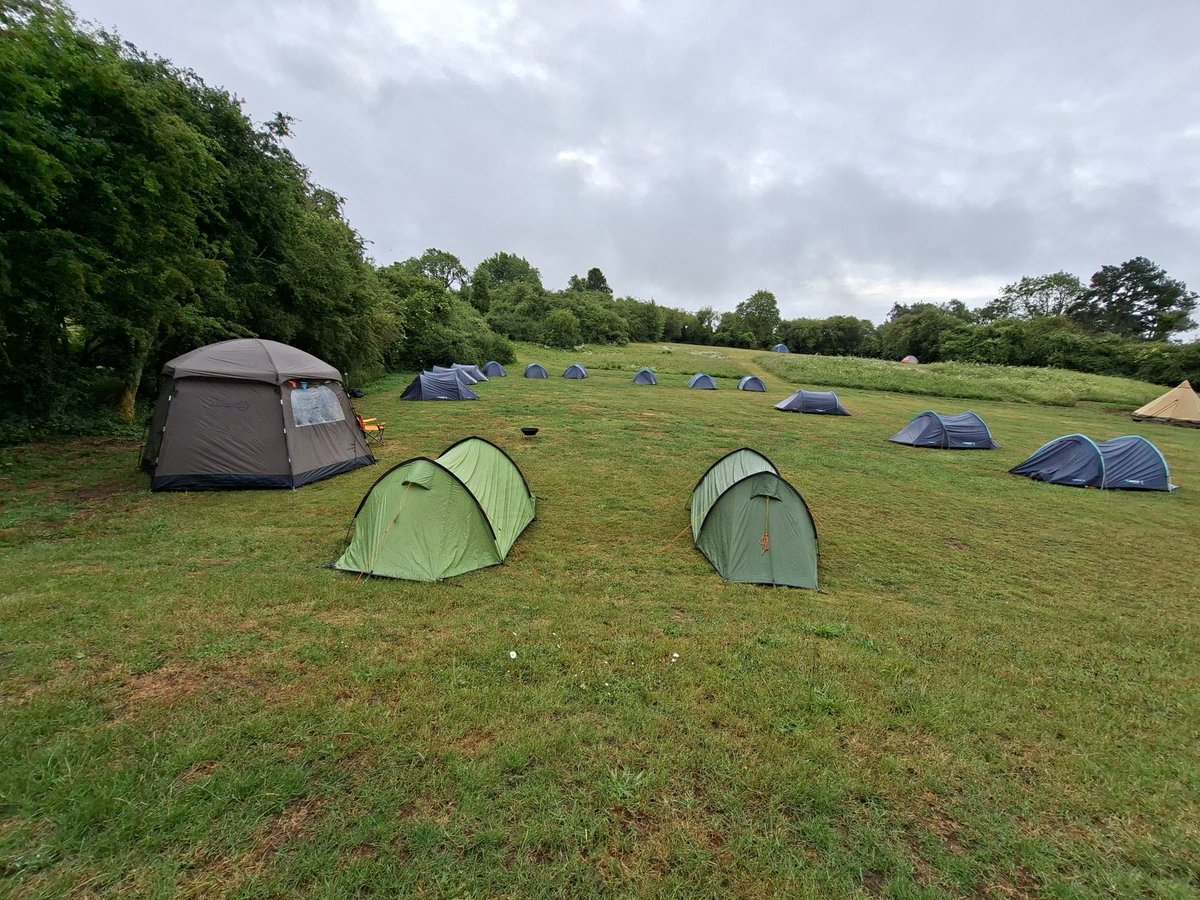
A MAHUSIVE thank you to our @HolyportCollege ex headboy Sam B, our staff Mrs Kapasi & Miss Lunney & (very pregnant) Miss Butler for giving up your weekend to volunteer on 🥵🔥 @HolyportCDofE.
Thanks also to our visitors & pickup drivers Mr Boyle, Mr Bicknell, Ms Kay & Mr Ingall.
Earth reaches its aphelion today, the point in orbit which is farthest from the Sun 🌍
It may seem odd that this occurs during summer in the northern hemisphere, but remember, seasons are determined by the tilt of the Earth, not its distance from the Sun ☀️
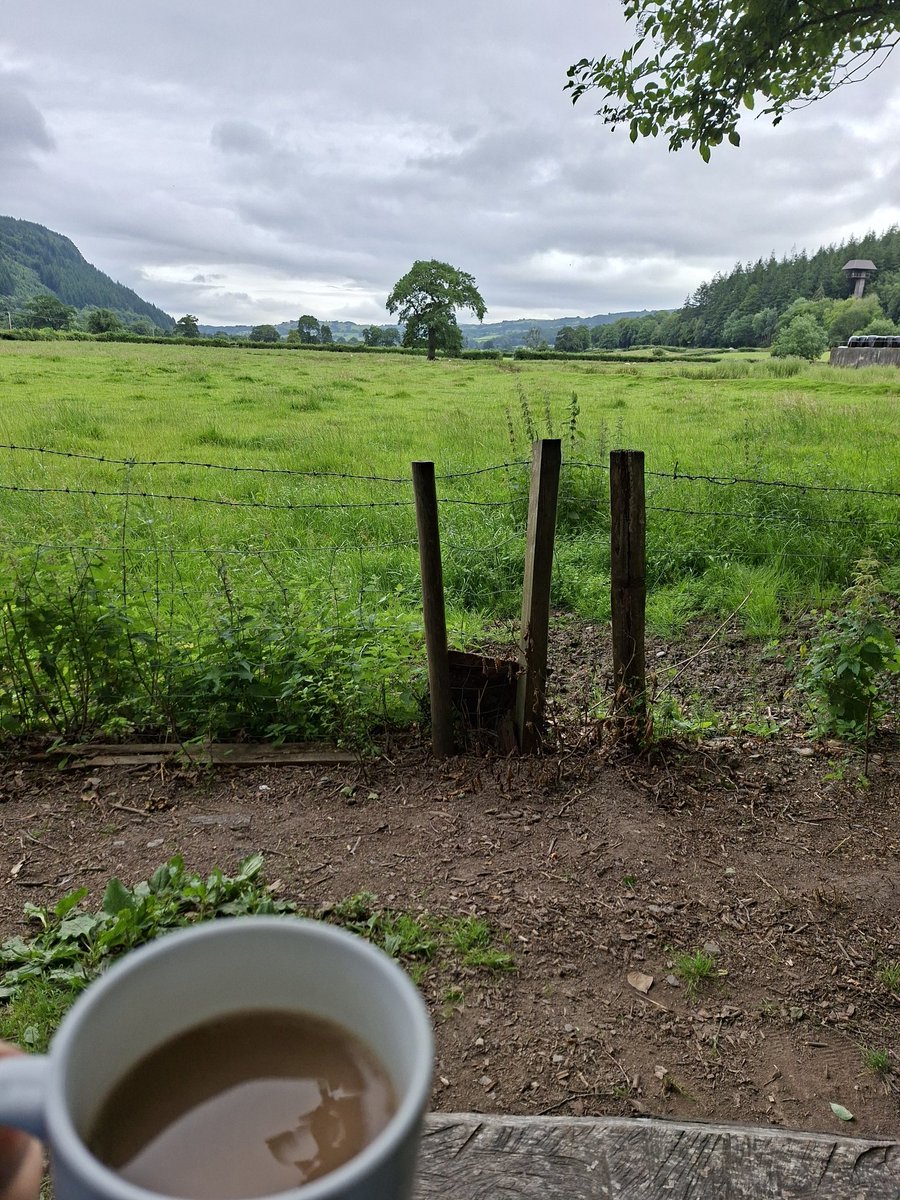
It's 6.30am, the campsite is still asleep, time for my ☕️ before I start waking them up for day 2 of #silverdofe in the beautiful Cotswolds @bxmexpeditions @holyportcollege
Happy World Bee Day! 🐝
Did you know we have 270 bee species in the UK? The largest and most diverse group is the mining bees, in the Andrenidae family.
Almost all of the 70 species in this genus are associated with sandy, dry soils and belong to a genus or group called Andrena. They come in all different shapes and sizes, with most being relatively similar in size to a honeybee.
There are some very small species of mining bee called mini-miners, which will happily live in the excavated sand which has been moved around by larger mining bees.
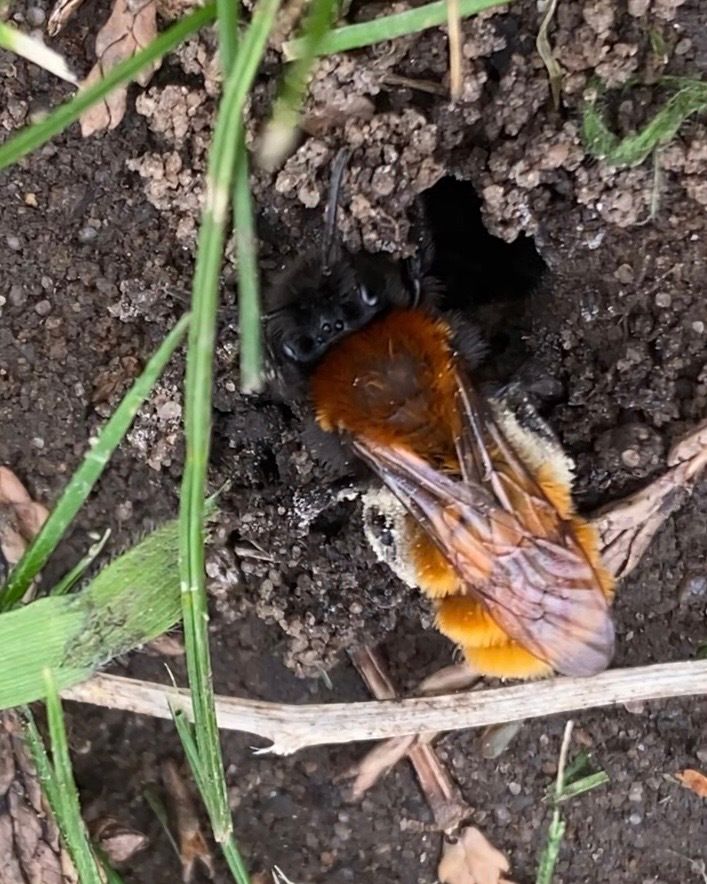
One of the most easily recognisable mining bee species is one of the larger ones – the Tawny Mining Bee. 🤩
Female Tawny Mining Bees have bright orange hair and will create nesting aggregations with other Tawny Mining Bees in garden lawns. Like many other species of mining bee, they tend to enjoy disturbed areas of soil and patches of bare earth, as these conditions are perfect for establishing nests.
It must be stressed, however, that although mining bees nest in the same areas over many generations, they are not social or even primitively social species and are therefore regarded as solitary bees.
🐝 Learn more about bees with our courses and guides: https://t.co/aSSBbIkcGv
#WorldBeeDay #BeeConservation #Hymenoptera #Wildlife #GardenWildlife #SaveTheBees
📸 Photos by Olivia Watts
All of us at Field Studies Council wish Sir David Attenborough a very happy 99th birthday. He's done so much to open our eyes to the wonders of the natural world and to alert us to the dangers of not looking after it.
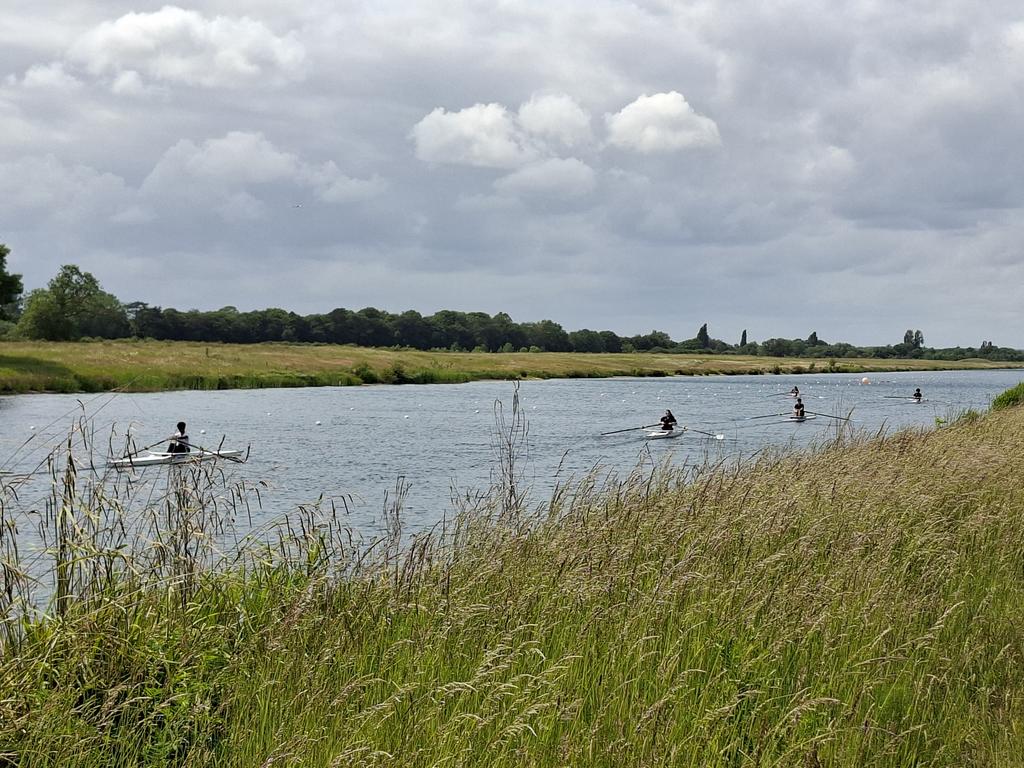
So lovely to get the year 11s out in small boats during senior sport @Dorney_Lake this avo even if a couple did accidentally test the water temperature twice! @HolyportSport