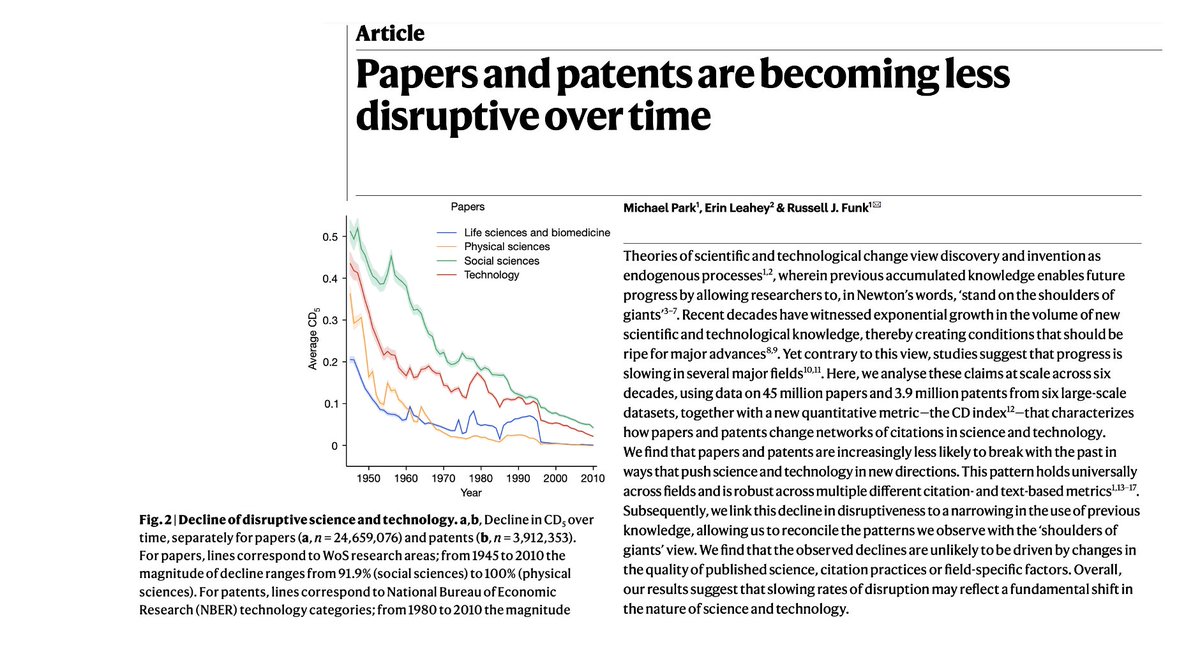
New Nature paper provides evidence that science has become less innovative since the 1950s. The authors suggest reversing the trend by:
1. reading widely,
2. focusing less on quantity of papers, & more on research quality,
3. taking year-long sabbaticals.
https://t.co/oYV5JCXRl8
🚨🚨PAPER ALERT🚨🚨
We're glad to share with you our laboratory's first paper published in @npp_journal about alcohol and social choice in Wistar rats (full text: https://t.co/Tvh7WJoWGf).
We also have a🧵for you!
Yep, really good advice, keep sniffing out everything, at the same time try not to get to overstretched in a few fundable directions, and work together
@andpru The boys started getting interested in in by reading the “secret coders”series which was a great intro to coding in a fun story! We are now moving to arduinos so they can see stuff happening!
Alright San Diego I know you like to think you are the micro/craft brewery capital of the world but I think this is going a bit too far.
That’s a nope for me. https://t.co/lgY4y8Nm7o
Paper of the week: outstanding @JAMAPsych systematic review & meta-analyses of Vafaie & Kober who used sophisticated statistical analysis methods to show that drug cue and craving measures strongly predict subsequent drug use and relapse in humans
https://t.co/azD4snUYOv
Special thanks to @HopfWoody and @VAAlvarez_NIH for a wonderful battle of ideas on this topic during SFN. Thank god @SfNtweets is back, I deeply missed those wild discussions in the middle of the poster aisles and genuine debates with random people at posters. SO MUCH FUN!
I’m finally ready to talk about the experience of appalling mistreatment we had with peer review of one of our papers.
This was by no means the only time I’ve had to contend with bias in academic publishing, but it definitely is the worst thus far.
A 🧵 (1/n)
Excited to see my first first author paper out in preprint 🎉 Here we highlight some of the challenges in modeling pain-induced negative affect in mice and demonstrate some new ideas to hopefully improve the study of this hugely important phenomenon!
Excited to see my first first author paper out in preprint 🎉 Here we highlight some of the challenges in modeling pain-induced negative affect in mice and demonstrate some new ideas to hopefully improve the study of this hugely important phenomenon!
Excited to see this amazing project and the culmination of @MicTott dissertation work on reuniens coordination of mPFC-HPC oscillations in suppression of extinguished fear. See his poster this morning (Mon) @SfNtweets 311.06!! 🔥🔥🔥
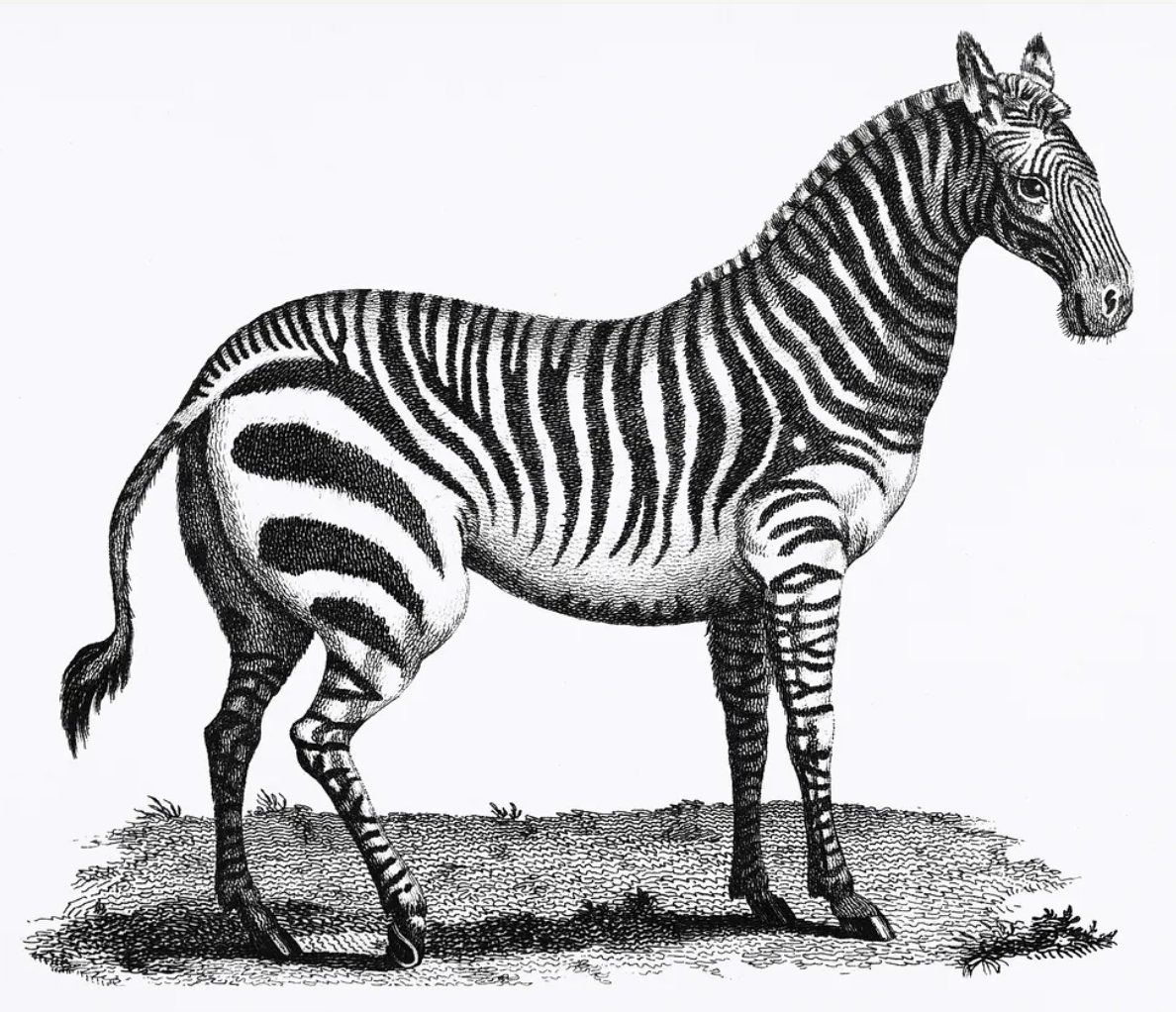
Why do zebras have such striking, conspicuous, black & white stripes? This >150-yr-old mystery, puzzled over by Darwin & many others before him, still isn’t solved. But one hypothesis is in the lead. Hint: it's not predator confusion, thermoregulation, or camouflage (1/9)