❗ سؤال: ما هو الترياق (Antidote) المستخدم في حالات التسمم بأدوية الـ Sulfonylureas؟ 🤔
A. Naloxone
B. Octreotide
C. Flumazenil
D. Atropine
#الصيدلة#Pharmacy⚘️تابع الصفحة للمزيد من المعلومات الموثوقة والمبسطة ⚘️
Sepsis is a medical emergency. Early recognition and timely intervention can save lives.
The Surviving Sepsis Campaign (SSC) 2026 Guidelines provide updated recommendations for the management of sepsis and septic shock.
In this 12-page educational series, we cover:
1. Definitions, epidemiology and pathophysiology
2. Screening, recognition and initial assessment
3. Diagnostic investigations and infection identification
4. Antimicrobial therapy and source control
5. Initial resuscitation and fluid therapy
6. Vasopressors and hemodynamic management
7. Respiratory support and mechanical ventilation
8. Adjunctive therapies
9. Additional supportive management
10. Goals of care and shared decision-making
11. Transitions of care and sepsis survivorship
12. Practical clinical algorithms and key recommendations
High-yield principles:
- Recognize sepsis early.
- Give antimicrobials promptly when indicated.
- Reassess fluid responsiveness and tissue perfusion.
- Use norepinephrine as the first-line vasopressor.
- Individualize treatment and achieve timely source control.
- Plan recovery beyond hospital survival.
Remember: Sepsis management is not a single intervention. It is a coordinated process of early recognition, infection control, organ support, repeated reassessment and recovery planning.
COPD management goes far beyond prescribing inhalers.
The GOLD 2027 Report brings together important updates in diagnosis, classification, pharmacological treatment, exacerbation management and long-term care.
In this 12-page educational series, we cover:
1. COPD definition, risk factors and pathophysiology
2. Diagnosis and case-finding
3. Assessment and ABE classification
4. Stable COPD and risk reduction
5. Pharmacological management
6. Pulmonary rehabilitation and non-pharmacological care
7. Oxygen therapy and advanced COPD
8. Exacerbation diagnosis and assessment
9. Acute exacerbation treatment and hospital management
10. Comorbidities and multimorbidity
11. Artificial intelligence and emerging technologies
12. Practical clinical algorithms and key GOLD 2027 updates
Key message: Confirm the diagnosis, characterize the patient, individualize treatment, prevent exacerbations and reassess regularly.
👶 كيف تتكوّن التوائم داخل رحم الأم؟
من أروع المشاهد التي تكشف لنا أسرار بداية الحياة!
قد يبدأ الأمر بتخصيب بويضتين منفصلتين، فتتطور كل منهما إلى جنين مستقل، أو بتخصيب بويضة واحدة ثم انقسامها إلى جنينين متطابقين وراثياً.
وخلال أسابيع الحمل الأولى، تحدث تحولات مذهلة في نمو الجنينين وتكوين أعضائهما وأغشيتهما.
مشهد يذكّرنا بمدى روعة ودقة التطور البشري منذ لحظاته الأولى. ❤️
#طب_الأجنة #التوائم #الحمل
TREATMENT OF GBS
The treatment of GBS includes
1️⃣disease-specific treatments,
2️⃣rehabilitation,
3️⃣supportive interventions.
Admission to an intensive care unit should be considered in the presence of
1. bulbar dysfunction,
2. dysautonomia,
3. severe or rapidly progressive weakness, especially affecting the neck muscles and hip flexors,
4. progressive respiratory decline.
Respiratory status is assessed at the bedside by
A. Looking at the respiratory rate,
B. Accessory respiratory muscle recruitment,
C. Diminished strength of cough,
D. Counting in the expiratory phase after taking a deep single inspiratory breath.
If the vital capacity is less than 20 mL/kg, the maximum inspiratory pressure is less than 30 cm H2O, or the maximum expiratory pressure is less than 40 cm H2O or if there is rapid decline in respiratory function, consider intensive care unit admission and possible intubation to protect the airway. For patients who are stable, monitoring can be performed every 6 to 8 hours. More frequent monitoring is required for patients with worsening symptoms. Not everyone needs ICU admission. Patients can be admitted to a general ward and monitored if they are able to walk, have reached their nadir, and have experienced only a modest decline.
The risk of respiratory failure (RF) in the 1st week of hospitalization can be predicted by using the Erasmus GBS Respiratory Insufficiency Score. Admission to ICU should be considered for patients with a score greater than 4, as this score suggests a high risk of respiratory failure (65%). Although the Medical Research Council sum score is useful to assess the severity of symptoms and respiratory insufficiency, findings from some muscles, such as neck and hip flexors, provide similar information and may serve as a simplified tool.
💎Mechanical Ventilation
Approximately 10% to 30% of all patients with GBS present with signs of impending RF. At least one major criterion (hypercarbia, hypoxemia, or decreased vital capacity) or two minor criteria (impaired swallowing, weak cough, or atelectasis) are predictive of impending RF. Intubation is ultimately a clinical decision and should be done as an elective rather than emergency procedure, as the procedure can cause significant BP changes and bradycardia, especially in patients who already have dysautonomia. Depolarizing neuromuscular blocking agents (eg, succinylcholine) should be avoided during intubation. Patients with respiratory muscle weakness are unlikely to recover quickly, and therefore noninvasive ventilation may not be useful and may increase the risk of emergency intubation and worsen dysautonomia.
💎Multidisciplinary care that includes symptomatic treatment options and the prevention of systemic complications is beneficial to patients with GBS. Early physical, occupational, and speech therapy, psychiatric and nutritional support, and social services are useful for good recovery.
💎Immunotherapy
PLEX and IVIg have been shown to be beneficial for GBS treatment. In patients with GBS who are unable to walk 10 meters independently, PLEX and IVIg started within 4 and 2 weeks of symptom onset, respectively, are effective in reducing the time it takes for 40% to 50% recovery. PLEX treatment decreases the proportion of patients who are ventilator-dependent and shortened the time on. The greatest therapeutic advantage of PLEX was seen when it was performed within 1 week of GBS onset. Even in mildly affected patients with GBS who are ambulatory, treatment should be considered if they have rapid progression of their weakness, or have bulbar, autonomic, or respiratory involvement.
IVIg and PLEX are equally effective, and the choice depends on patient preference, availability, cost, other comorbidities, risk factors, and contraindications. IVIg is often preferred due to its ease of administration and shorter associated course of treatment.
IVIg is given at a dose of 2 g/kg divided over 5 consecutive days (0.4 g/kg a day).
فيديو مهم يوضح كيف نقيم حالة الطفل الخديج ؛وماهي الإجراءات الضرورية التي نقوم بها من أجله ؛وماهي الاحتياجات اللازمة التي يحتاجها في الأيام الأولى بعد ولادته.
#يوم_الطقل_الخديج_العالمي ..
قبل أن يعرف الشعب العربي الفلسطيني تنظيماً اسمه حركة حماس، وقبل معركة طوفان الأقصى بأكثر من 70 سنة
قامت الوحدة 101 التي يقودها الصهيوني شارون بالهجوم على سكان مخيم البريج وقتلت 50 لاجئا ، بطريقة شرحها مسؤول الأمم المتحدة في تقرير قال فيه:
قام رجال شارون أثناء الليل بإلقاء القنابل من خلال نوافذ أكواخ اللاجئين، الذين كانوا نائمين مع أطفالهم ، وعندما استيقظوا مذعورين، وهبوا ناحية الأبواب للخروج، قابلهم رجال الوحدة (101) بهجوم بالأسلحة الاوتوماتيكية".
فهل ظل جاهل أو غبي أو مأجور أو حقير يردد بأن حركة حماس هي السبب في دمار غزة؟
Which type of heart block is most commonly associated with neonatal lupus?
A. First-degree AV block
B. Mobitz type 1
C. Mobitz type 2
D. Third-degree AV block
☠️ #تداخلات_دوائية يجب تجنبها ☠️
✖️ لا تعطي Furosemide (لازيكس) مع Gentamycin أو Amikacin لأنه يسبب أذية سمعية (فقدان السمع).
✖️ لا تعطي Tetracycline مع Pencilin لأن الأول مثبط لنمو الجراثيم bactereostatic والثاني قاتل للجراثيم bactereocidal
✖️ لا تعطي Azithromycine مع مضادات الحساسية Antihistamine لأن ذلك يسبب ألم شديد في الصدر وتطاول قطعة QT في مخطط القلب.
✖️ لا تعطي Ondansetron مع Tramadol لأن الأول يقلل من عمل الثاني بشكل كبيير
✖️ لا تعطي مضاد حموضة مع الحديد في علاج انيميا نقص الحديد لأن امتصاص الحديد يحتاج وسط حمضي لامتصاصه.
✖️ لا تعطي Metronidazol مع Warfarin لأن ذلك ممكن يؤدي الى النزيف الحاد المميت.
✖️ لا تعطي Calcium Channels Blocker مثل الفيراباميل والديلتيازيم مع Beta Blocker لأن هذه المشاركة تسبب بطء قلب حاد.
✖️ لا تعطي Sildenafil (الفياغرا) مع مركبات النترات Nitrate لأنها تسبب توسع وعائي قد يؤدي لانخفاض ضغط دموي حاد ومميت.
✖️ لا تعطي حبوب Omega3 مع مضادات التخثر أو حالّات الخثرة لأنها تسبب نزيف.
✖يتداخل المضاد الحيوي Ciprofloxacin مع دواء Wafarin وذلك بسبب زيادته لنسبة حدوث النزيف المحتملة😰 ، فيجب قياس كل من ال prothrombin time وال INR قبل وصفهما معا وايقاف الدواء عند ظهور اي من علامات النزيف مثل نزول دم مع الإخراجات أو ظهور بقع تحت الجلد ..
✖لا يجب إعطاء Metronidazole مع دواء الــ Mebendazole من اجل علاج (الديدان)أو أي حالة مرضية لأن استخدامهما معاً يؤدي الى إصابة المريض بمرض جلدي نادر ومميت اسمه Steven Johnson Syndromen
لذلك يجب تجب استخدام الدوائين مع بعض.
✅ في مثل هذه الحالة يجب عليك ان تعطي للمريض الــ Zental الذي هو الاسم التجاري لمادة الــ Albendazole بدلا من إعطاء الـ Mebendazole
☑️ هذه الأدوية الثلاثة يجب الانتبااااااه اليها في حالة سواء كانت Tabs او Syru
✖️ ممنوع استخدام المضاد الحيوي المعروف باسم سيبترين(septrin) مع فوار المسالك المشهور يوريكول(uricol) لان 👇👇👇
(الــ Septrin + الــ Uricol) في نفس الوقت ... هو استخدام ممنوع وخــطـــيـــــــر على صحة المريض ... لماذا ؟؟
لأن الــ (#Septrin) يحوي مادة الــ
Sulfamethoxazole
الذي هو أحد أفراد عائلة الــ
Sulfonamides ...
والــ (Uricol) يحوي مادة الــ
Hexamine ...
التي تزيد من حامضية البول ؛ وزيادة الحامضية تُـــسـَـهّــل عملية ترسيب الــ
Sulfonamide
في البول على شكل بلورات غير ذائبة
(Insoluble Crystals) ...
فيما يعرف باسم : 👈👈👈
(Crystalluria) ...
وهو ما قد يؤدي إلى تكوين حصوات في الكلى والجهاز البولي ....
يعني المريض يكون في UTI ... فيدخله هذا الــ
(Uricol + Septrin )
في حصوات ومشاكل أكبر !!!
✖ لا تعطي methylprednislon مع دواء clarithromycin
كما أظهرته بعض الدراسات فإن المرضى الذين يتناولون تركيبة ال ( methylprednisolone) كمرضى الربو أو الحساسية أو المرضى الذين يضطرون لتناول هذه التركيبة عليهم الابتعاد عن تناول تركيبة ال clarithromycin والتي تثبط الانزيم المسؤول عن استقلاب تركيبة ال methylprednisolon وبالتالي زيادة تركيزها مما يؤدي لزيادة نسبة حدوث الآثار الجانبية لهذه التركيبة.
✖ممنوع تخلط أمبولة البسكوبان(buscopan) مع أمبولة الفولتارين (voltarin) .
- لان الخليط هذا حيترسب داخل العضلة المحقون فيها الأمبوله ومش حيتحرك من مكانة .
✅ استخدم بدلا من ذلك أمبولة السبازموفين (spasmofen) حتعطي نفس المفعول بدون أي مشاكل .
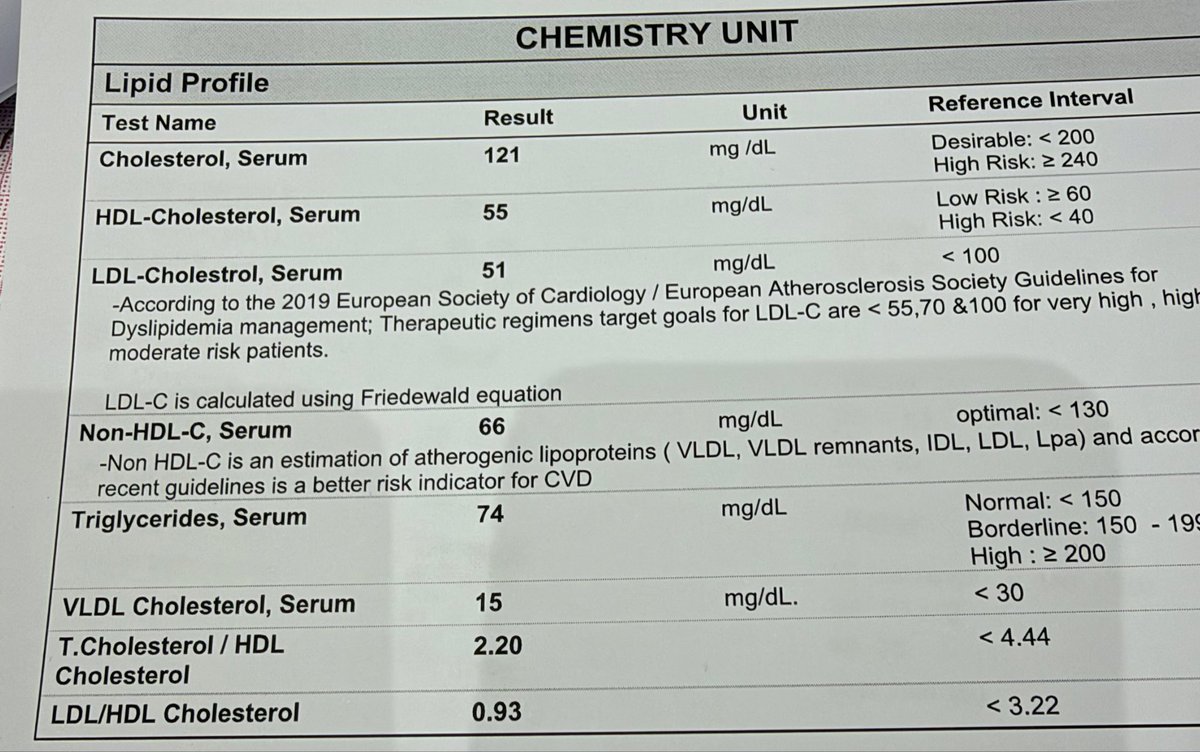
In Egypt we have many cheap generic combos of Rosuva 5- 10-20-40 /Eze 10 Atorva /Eze
Here a 44 y old FH F post ACS, after 3 weeks on Atorva80/eze10 combo
A "grass blade" (or "flame-shaped") osteolytic lesion extending along the diaphysis of a long bone is classically seen in which condition ?
A) Paget disease of bone
B) Osteosarcoma
C) Ewing sarcoma
D) Multiple myeloma
Biomarkers for chronic kidney disease–mineral and bone disorder (CKD-MBD).
CKD-related disturbances in mineral metabolism can be assessed biochemically, even when serum phosphate remains normal.
The important distinction is between biomarkers that detect early physiological compensation and those that are sufficiently validated for routine clinical use (see table below).
FGF23 is potentially one of the earliest indicators of disturbed mineral metabolism, but it is not currently recommended for routine clinical monitoring.
The same applies to soluble Klotho, because assay standardisation, clinical thresholds and evidence for biomarker-guided treatment remain insufficient.
What should actually be measured?
According to KDIGO recommendations, biochemical monitoring should begin at CKD stage G3.
The practical assessment includes serum phosphate, calcium, intact PTH, alkaline phosphatase and, when appropriate, 25(OH) vitamin D. Serial measurements are more informative than isolated values.
For cardiovascular risk assessment, it is also important to recognise that normal laboratory values cannot exclude vascular calcification.
CT-based coronary artery calcium assessment or other imaging may be considered when clinically indicated, but is not required routinely for every patient.
An important physiological paradox: Why can phosphate remain normal when its metabolism is already abnormal?
Because increased FGF23 and PTH stimulate phosphate excretion by the remaining functioning nephrons. Consequently, normal serum phosphate may represent successful hormonal compensation rather than normal phosphate regulation.
This distinction is particularly relevant in CKD: the biochemical adaptations that preserve normal circulating mineral concentrations may coexist with processes associated with cardiovascular injury. Elevated FGF23 is associated with left ventricular hypertrophy and adverse cardiovascular outcomes, although its clinical utility as a cardiovascular biomarker remains unproven.
تُنشر للمرة الأولى |
صورة للإمام الشهيد السيّد علي الخامنئي برفقة حفيدته الصغيرة الشهيدة زهراء محمدي الكلبايكاني، اللذين استشهدا معًا في بداية الحرب الإجرامية التي شنّتها الحكومة الأمريكية الإرهابية والكيان الصهيوني غير الشرعي ضد الشعب الإيراني.
#اليوم_العالمي_للطفل