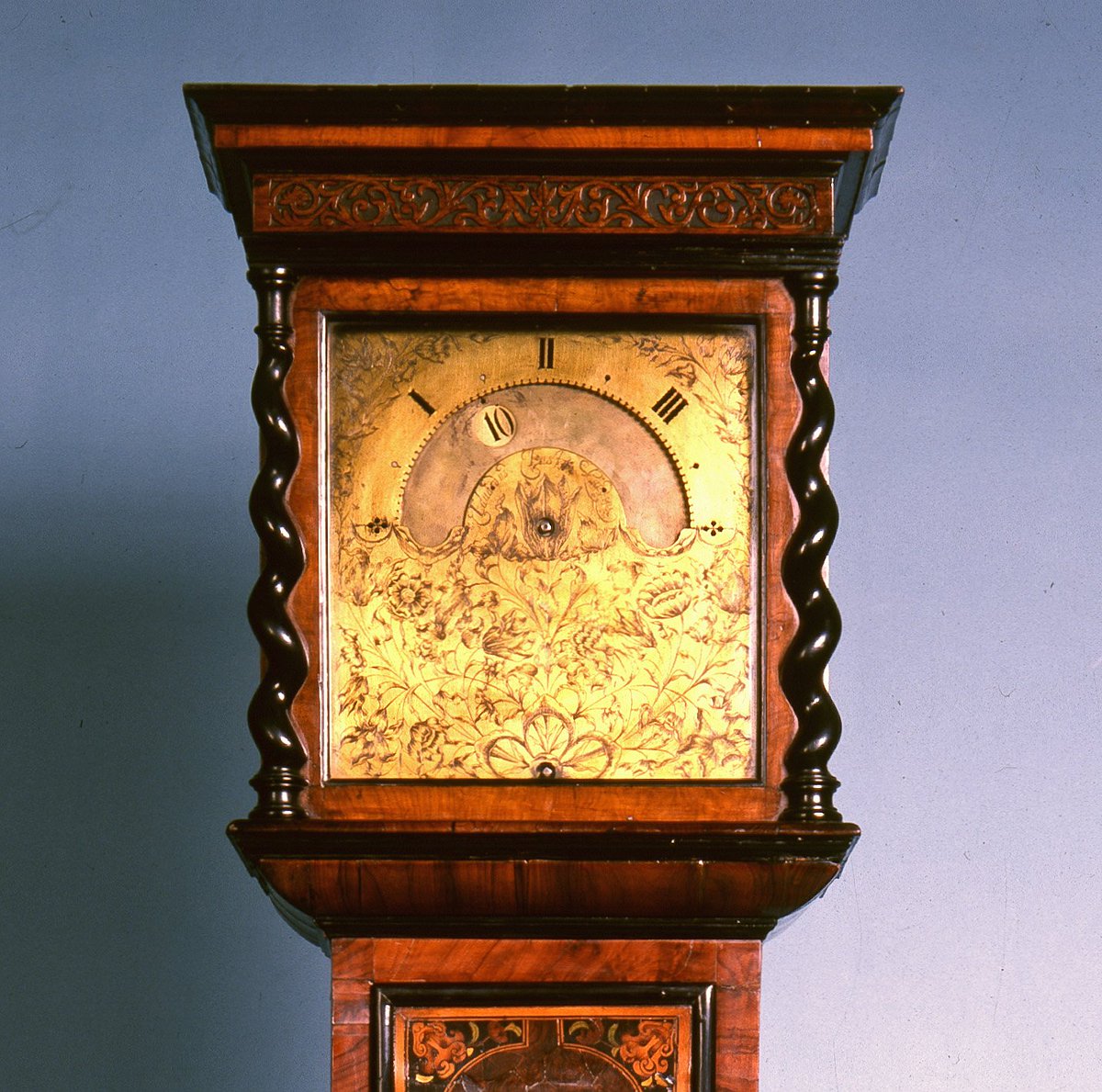
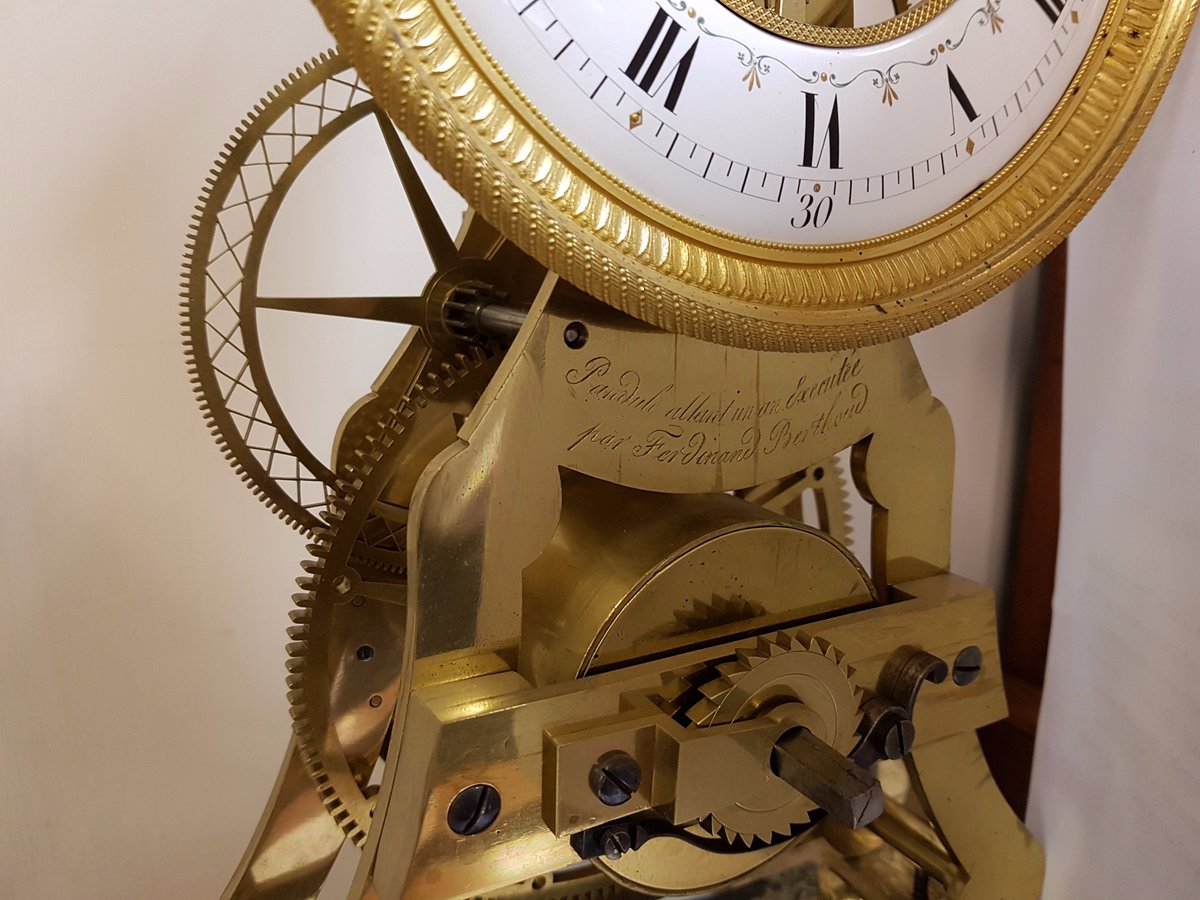
@TobiasBirch Hi Toby. They certainly preceded carriage clocks ie as small, decorative travelling clocks. Carriage clocks might be considered to be a step up, e.g. they could have finer work and more complications. I don't know what the earliest one is, but these humpbacks are amongst them.
... Just behind Quai de l'Horloge is Notre-Dame de Paris. Amongst Breguet's MANY horological innovations was the carriage clock in the early 19th century, the first type is widely known (in English) as the "humpback" carriage clock. Just saying. https://t.co/Lp5r4sGz7P
Horological hotspot: Quai de l'Horloge in Paris, where Abraham-Louis Breguet established his workshop in the late 18th century. Yes, a clockie in Clock Quay. Sorry about that, but I CAN do worse...
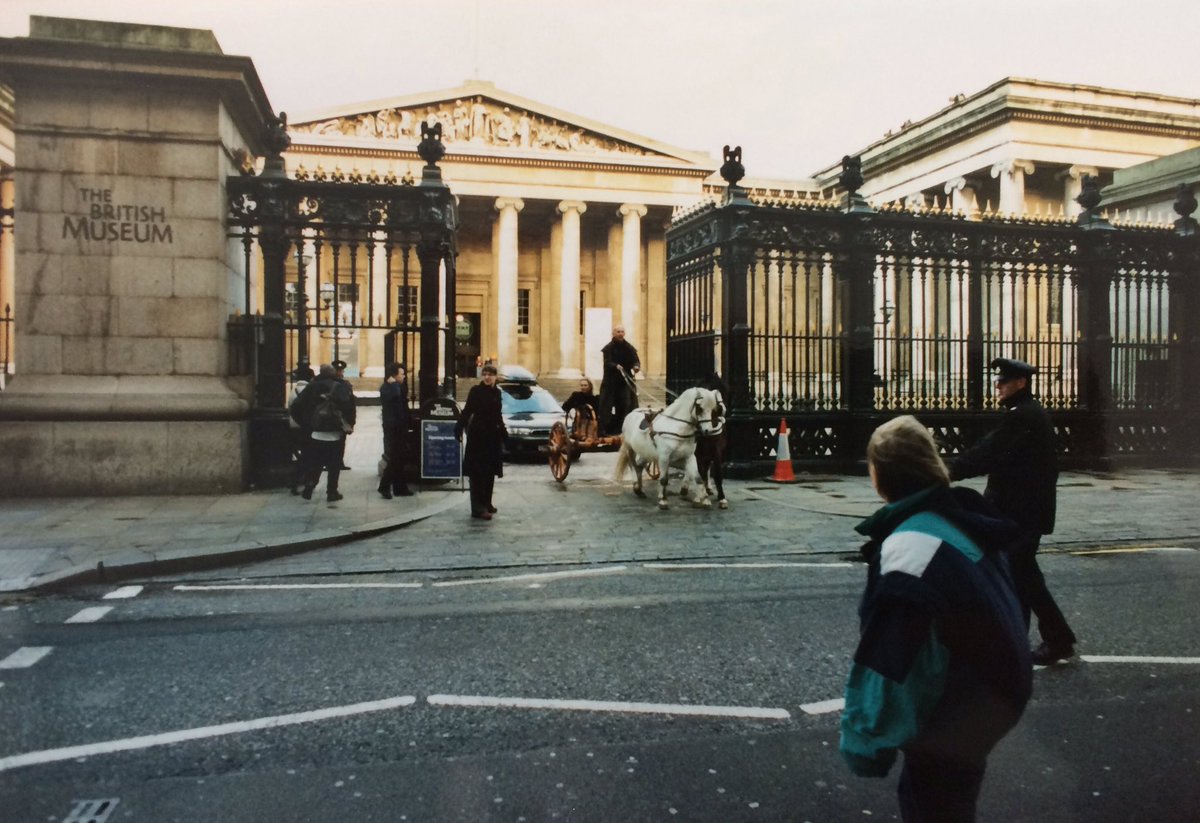
#OTD 325 years ago, John Harrison was born. He had several innovations (some still in use) enabling clocks to keep precise time at sea and thus #longitude to be found, which is vital for navigation. See the @britishmuseum and @googlearts collaboration: https://t.co/RKBc7NRj8C.
@SarahVowlesBM@MuseeduTemps I found your message, thanks! I'll put it on my list of places to visit.
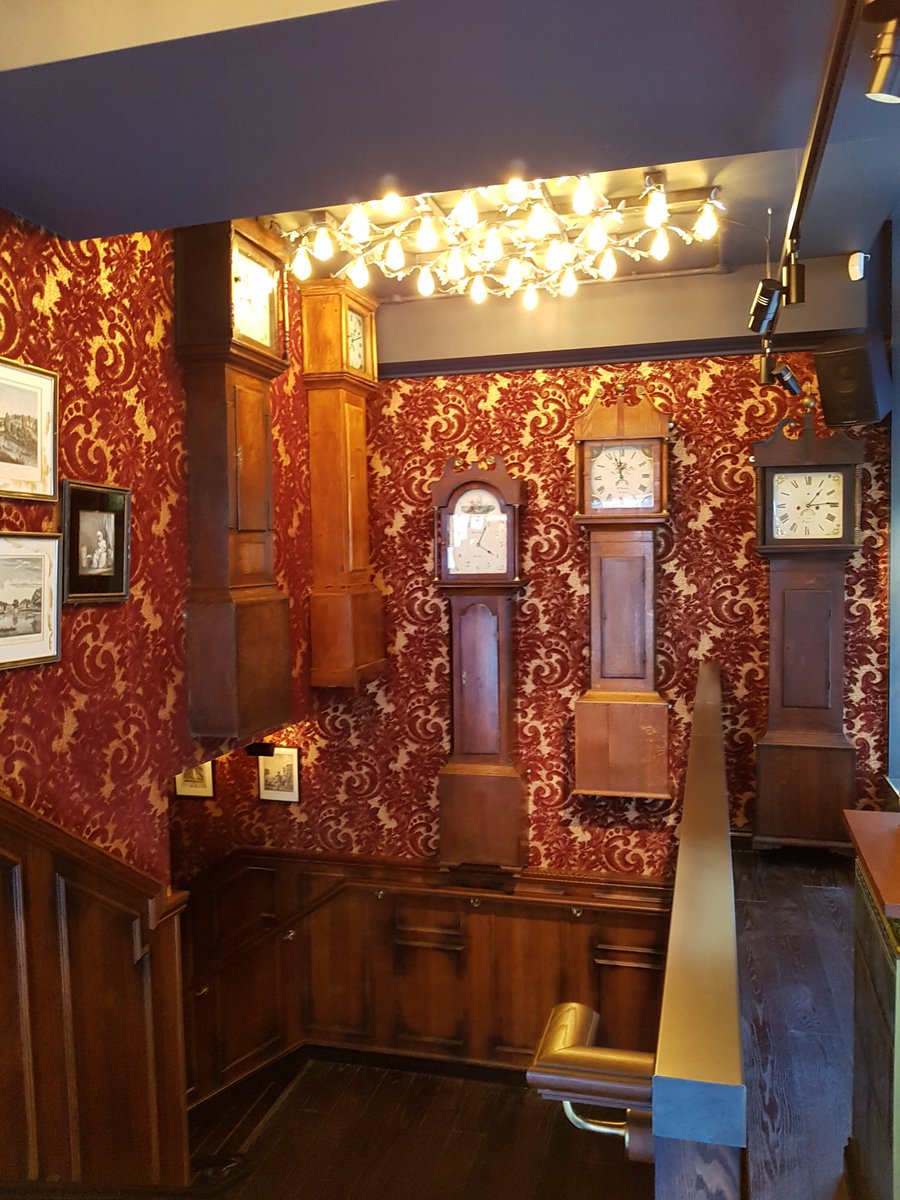
Looks like they have many of the local Morbiere(comtoise) clocks.