@RodDMartin I get excited thinking about it, but I fear it would be **too** high a high-value target. How would we protect it from one stray hypersonic ship killer? Have you watched "The Next World War" series on Youtube? It's amazing -- and the past few episodes have been horrifying
July 28, 1944. Three days ago Operation Cobra tore a hole in the German front. Today that hole becomes a trap, and around a Norman crossroads called Roncey the retreating Germans are caught in the open and torn apart from the air in a preview of the catastrophe that is about to swallow their whole army in France.
Once Cobra broke through, the American armor did not stop to fight, it poured south and west, deep and fast, the way a breakout is supposed to work. That left the German units in the path with a terrible choice. Stand and be surrounded, or pull back along roads that American tanks were already cutting. Thousands of them, a mix of SS panzer troops, paratroopers, and the wreckage of shattered divisions, jammed onto the narrow lanes around Roncey trying to escape east before the noose closed.
They did not make it. The roads clogged. Tanks, half tracks, trucks, and guns backed up bumper to bumper in the sunken Norman lanes, hemmed in by the same thick hedgerows that had protected them for weeks and now penned them in like cattle. And overhead the sky belonged completely to the Allies. American and British fighter bombers found the stalled columns and worked them over for hours, up and down the packed roads, cannon and bombs and rockets into vehicles that could not scatter and could not hide.
When it was finally over and the pocket was cleared by the 30th, they counted the results. More than a hundred German tanks and hundreds of other vehicles destroyed or abandoned in and around Roncey, thousands of men killed, captured, or scattered into the fields. One of the best equipped forces the Germans had left in the sector simply ceased to exist on those roads.
Roncey is a small name, but it is the shape of things to come. It showed what happened to a German army trying to retreat under total Allied air supremacy. A couple of weeks later, on a much larger scale, the same thing happens at Falaise, where the bulk of the German army in Normandy is trapped and annihilated in a pocket so full of dead men and horses and machines that generals said you could walk across it stepping only on corpses. Roncey, today, was the rehearsal for that destruction.
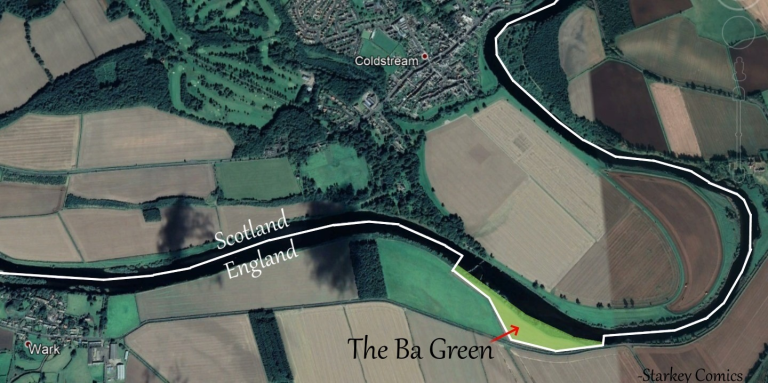
One of the many stretches of the Scotland-England border is the River Tweed, which marks the boundary for many miles. It follows the course of the river without deviation, except for one very curious field.
This is how a small piece of England came to be part of Scotland.
1/3
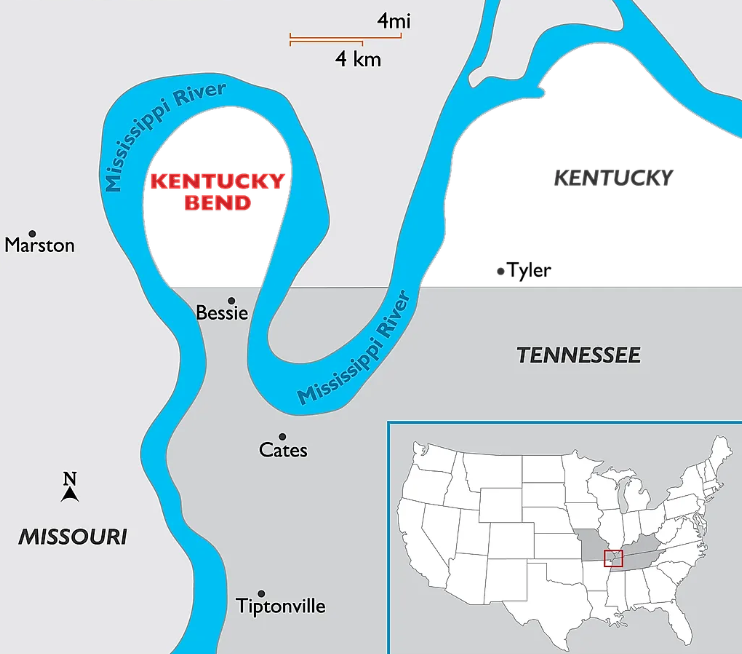
One of the United State's oddest geographical quirks is the so-called 'Kentucky Bend'. This parcel of land, an exclave of Kentucky, is surrounded on three sides by the River Mississippi (and the state of Missouri), and on its south side by Tennessee.
But, why?
1/n
🧵THREAD🧵
The Fauci diary is damning on so many scores, but the indictment of legacy media for acting as Fauci’s PR team strikes me as one of the worst.
Every time Fauci was caught on COVID’s origins, he ran to his loyal lapdogs in legacy media to defend him.
Follow along ⤵️
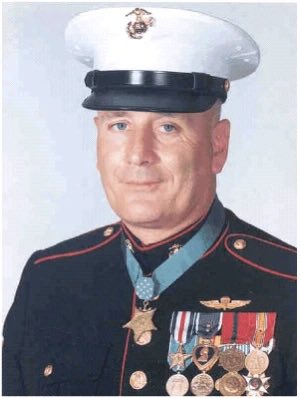
On this day, July 27, 1929, future Medal of Honor recipient Jimmie Earl Howard was born in Burlington, lowa.
Howard enlisted in the United States Marine Corps in July 1950 and first experienced combat during the Korean War, where he served as a forward observer with the 1st Marine Division. He was wounded three times and received the Silver Star.
In April 1966, Staff Sergeant Howard deployed to South Vietnam as the leader of an 18-man reconnaissance platoon from Company C, 1st Reconnaissance Battalion, 1st Marine Division.
In June, Howard and his Marines established an observation post on Hill 488 near Chu Lai, deep inside enemy-controlled territory. Shortly before midnight on June 16, an estimated battalion-sized Viet Cong force launched a massive attack against the isolated patrol.
Facing overwhelming odds, Howard organized his Marines into a tight defensive perimeter and moved from position to position, calmly directing their fire.
Grenade fragments struck Howard in the back and temporarily prevented him from using his legs. He refused morphine because he feared it would make him drowsy and unable to continue commanding his men.
When the Marines began running out of grenades, Howard told them to throw rocks toward the enemy. Believing the rocks were explosives, enemy soldiers exposed themselves and were met by Marine rifle fire.
Howard continued directing supporting aircraft, distributing ammunition and encouraging his wounded Marines throughout the night.
By sunrise, five Marines had been killed and every surviving member of the platoon had been wounded, but Hill 488 remained in American hands.
President Lyndon B. Johnson presented Howard with the Medal of Honor at the White House on August 21, 1967.
Jimmie Howard retired from the Marine Corps in 1977 and died on November 12, 1993. Today, on his birthday, we remember the leadership and courage that helped save his platoon against overwhelming odds.
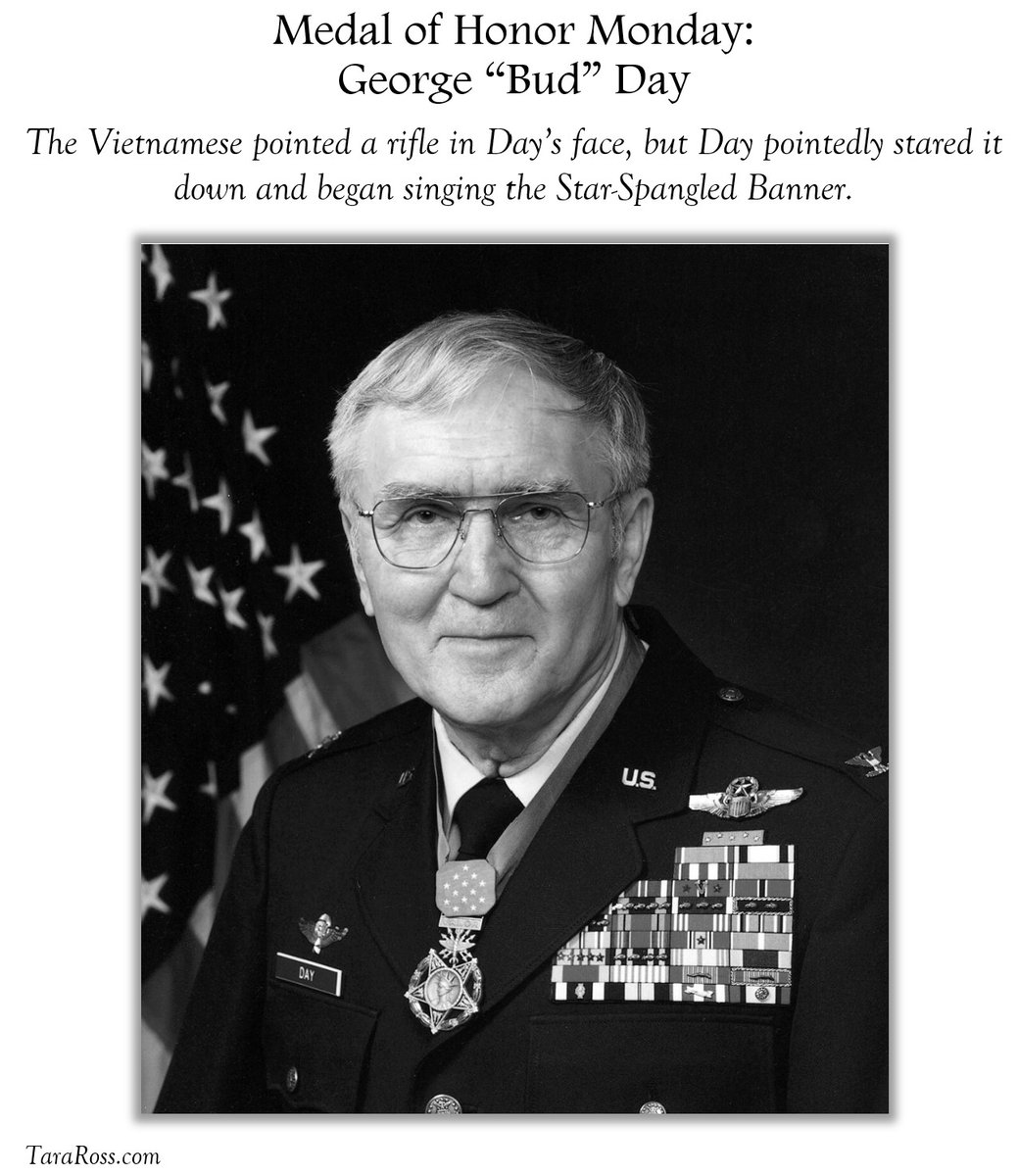
#MedalOfHonor Monday! 🇺🇸 On this day in 2013, one of America’s most highly decorated officers passes away at nearly 90 years old. George “Bud” Day served in World War II, the Korean War, and the Vietnam War. He was a Marine, a soldier, and an Air Force pilot.
/1 of X 🧵👇
In December 1814, British and American diplomats sat in a city in Belgium and signed a treaty ending the War of 1812.
The problem: there were no phones, no telegraphs, no way to get that news across the Atlantic except a boat. And a boat takes weeks.
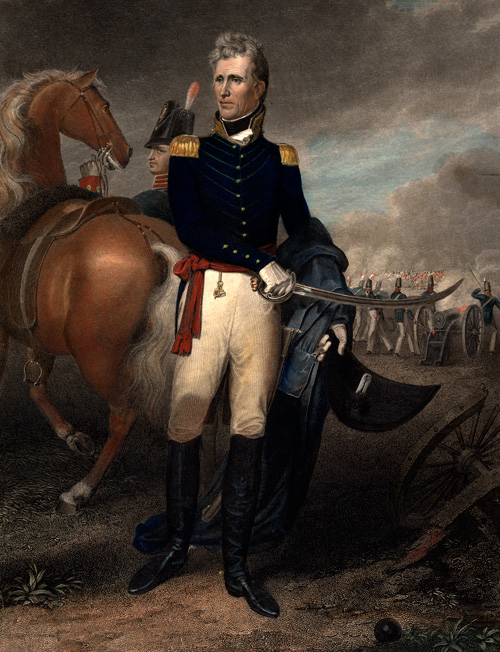
So while the war was officially over on paper, nobody in America knew it yet. Including a furious Tennessee lawyer named Andrew Jackson, who was standing in the mud outside New Orleans waiting to fight the most powerful army on earth.
His force was a mess. Frontier militiamen in coonskin caps. Free Black soldiers. French-speaking Creoles. Choctaw warriors. And a crew of pirates led by Jean Lafitte, who Jackson had called a "hellish banditti" a few weeks earlier before deciding he needed the guns.
Across the field stood roughly 8,000 British regulars. Professional soldiers. The same army that had just finished beating Napoleon.
On the morning of January 8, 1815, the fog lifted and the British marched forward in tight red lines, exactly the way they had won a hundred battles in Europe. Jackson's men were dug in behind mud walls and cotton bales. They just aimed and fired. Then reloaded and fired again.
It was not a battle. It was a slaughter.
In about 30 minutes it was over. The British commander, General Pakenham, was dead on the field. Around 2,000 British soldiers were killed, wounded, or captured. Jackson lost 13 men.
Weeks later the news of the peace treaty finally arrived by ship. The bloodiest, most lopsided victory of the entire war had been fought after the war had technically already ended.
Nobody cared about the timeline. Americans only heard one thing: a homegrown general with an army of farmers and pirates had crushed the British and saved New Orleans. Jackson became a legend overnight.
That single battle, fought over a war that was already finished, put him on the road to the White House.
They started calling him Old Hickory. You know him better as the guy on the twenty dollar bill.
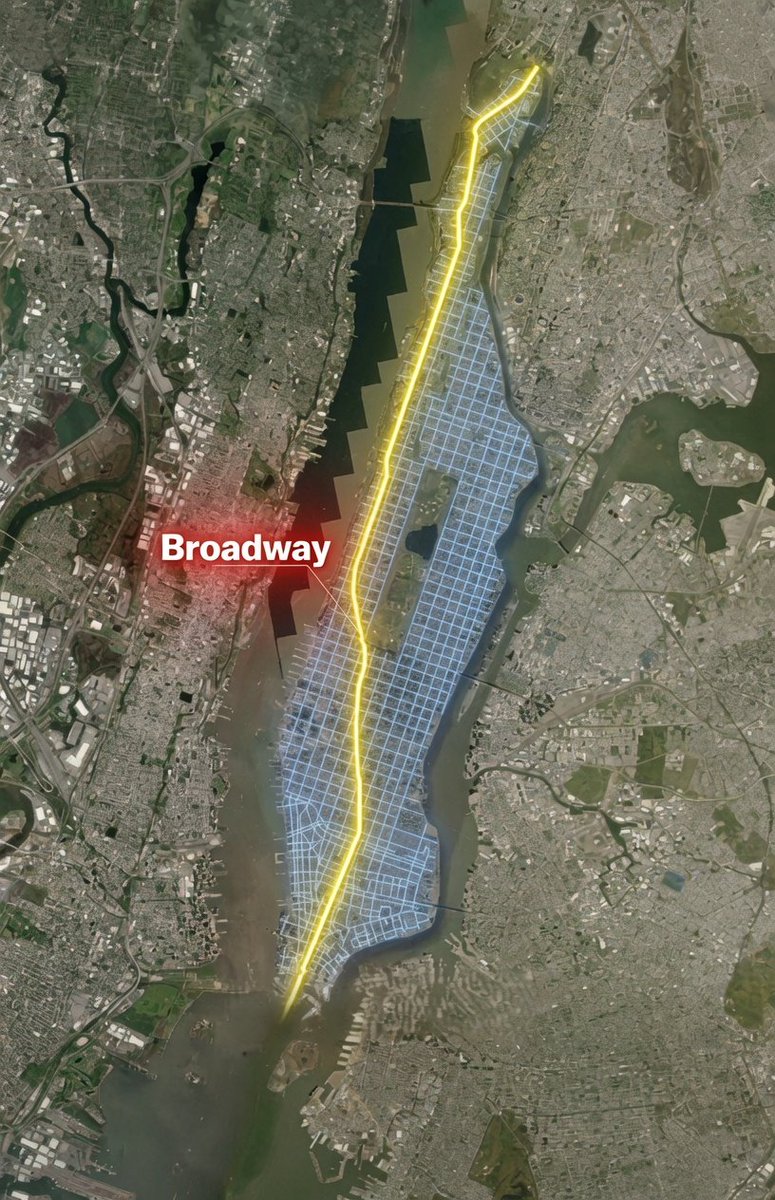
Manhattan is generally an island of grids in New York. One road, though, cuts across this grid and follows its own path
It creates awkward junctions, triangular buildings, and strange open spaces.
Why?
Because Broadway was there long before the grid.
1/n