Confused by all those alphanumeric notations in Chess?
Chess notation is a convenient way to keep track of games so that you can replay them to study tactics, understand mistakes, and much more.
A Thread 🧵
We hope, this thread could help you get started with Chess Notations.
Follow us @HqChess for all things Chess ♟
Our Discord is now open, Closing soon!
https://t.co/SNKnX6k7of
Confused by all those alphanumeric notations in Chess?
Chess notation is a convenient way to keep track of games so that you can replay them to study tactics, understand mistakes, and much more.
A Thread 🧵
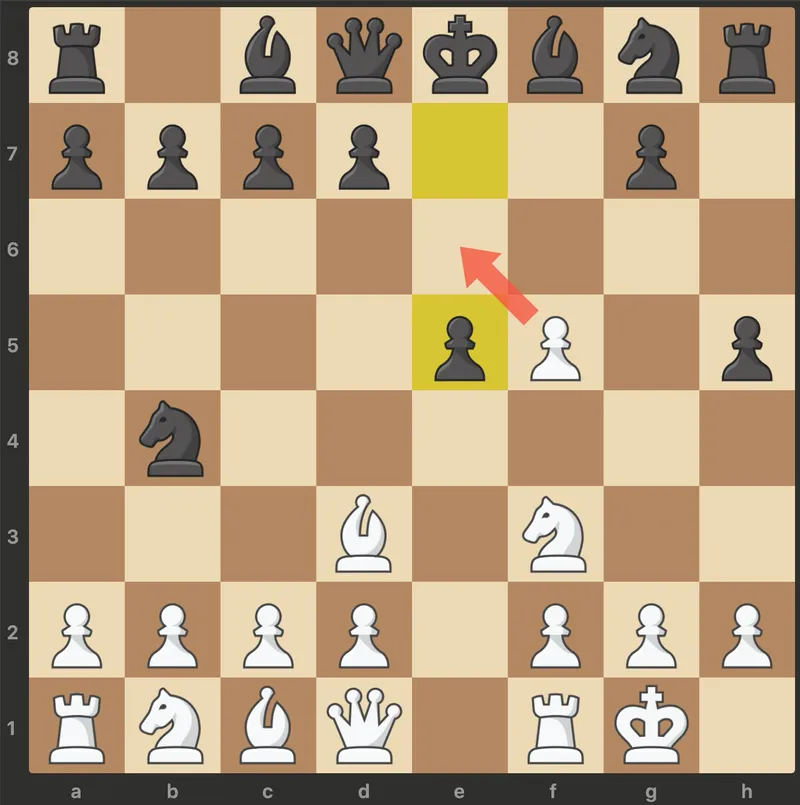
4. En Passant - Pawn capturing an opponent's pawn diagonally in the same file (if the opponent's pawn has just moved two squares )- “e.p.”
Example: "fxe6e.p." (see image below)
5. Checkmate - either use “#” or “++”
Example: Q6# or Q6++
The universal chess symbol for captured or capturing a chess piece is the symbol “x”
So, if your King captures the Knight, then you would write the symbol “x” in between the King and the Knight and then indicate the destination square.
Example: KxNe5
Chess pieces are denoted by capital letters.
1. King = K
2. Queen = Q
3. Rook = R
4. Bishop = B and
5. Knight does not use the K, but instead, it is identified with chess notation the letter N
P: Pawn ( P is usually omitted from notation)
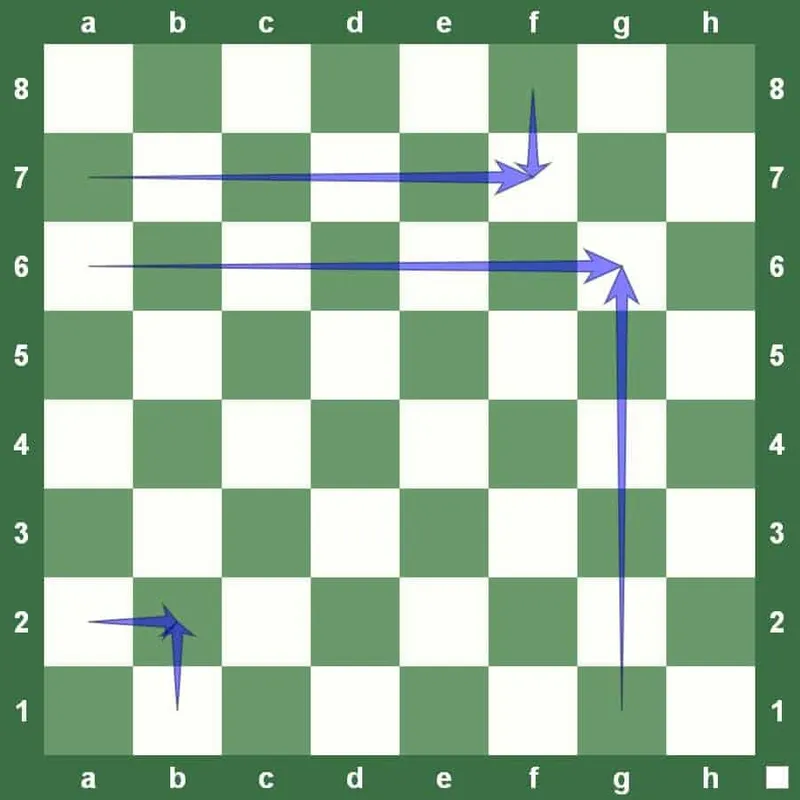
The below example shows Pawns b2 f7 g6