New issue of Impact Surgery is out! — 𝗩𝗼𝗹. 𝟮 𝗡𝗼. 5 (𝟮𝟬𝟮𝟱): 𝗜𝘀𝘀𝘂𝗲 𝟭𝟭.
Ten years after The Lancet Commission on Global Surgery, this edition asks: what’s truly changed?
This issue explores gaps in access, quality, and innovations shaping surgical systems.
📢 Call for papers
𝗜𝗺𝗽𝗮𝗰𝘁 𝗦𝘂𝗿𝗴𝗲𝗿𝘆 is seeking original, unpublished research papers in surgery and perioperative care, with a special focus on 𝗿𝗼𝗯𝗼𝘁𝗶𝗰 𝘀𝘂𝗿𝗴𝗲𝗿𝘆. Open to authors worldwide.
Learn more and submit your paper today: https://t.co/nbiBFdtTdD
The latest issue of 𝘐𝘮𝘱𝘢𝘤𝘵 𝘚𝘶𝘳𝘨𝘦𝘳𝘺 is out — 𝗩𝗼𝗹. 𝟮 𝗡𝗼. 𝟰 (𝟮𝟬𝟮𝟱): 𝗜𝘀𝘀𝘂𝗲 𝟭𝟬.
This edition explores critical questions in global surgery and highlights innovative approaches across diverse settings.
#GlobalSurgery#SoMe4Surgery#SurgicalEducation
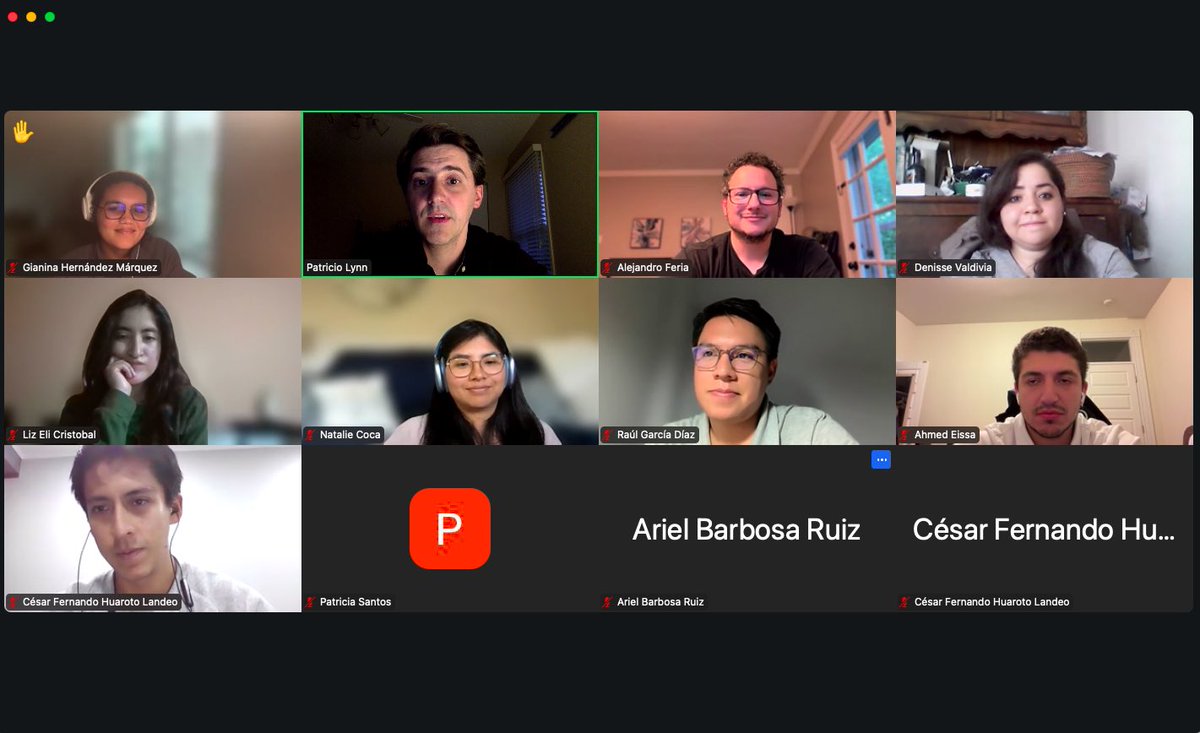
Our first Cafecito on Mentorship and Letters of Recommendation was full of insight, connection, and real talk. Grateful to be part of this inspiring community.
See you on July 7 for round two! #LatinoSurgery#CafecitoSeries@LatinoSurgery
First cafecito of 2025 was a blast! Huge thanks to our vibrant @LatinoSurgery community for joining. Let’s keep the momentum going—join us next time! 🚀 #LatinoSurgery
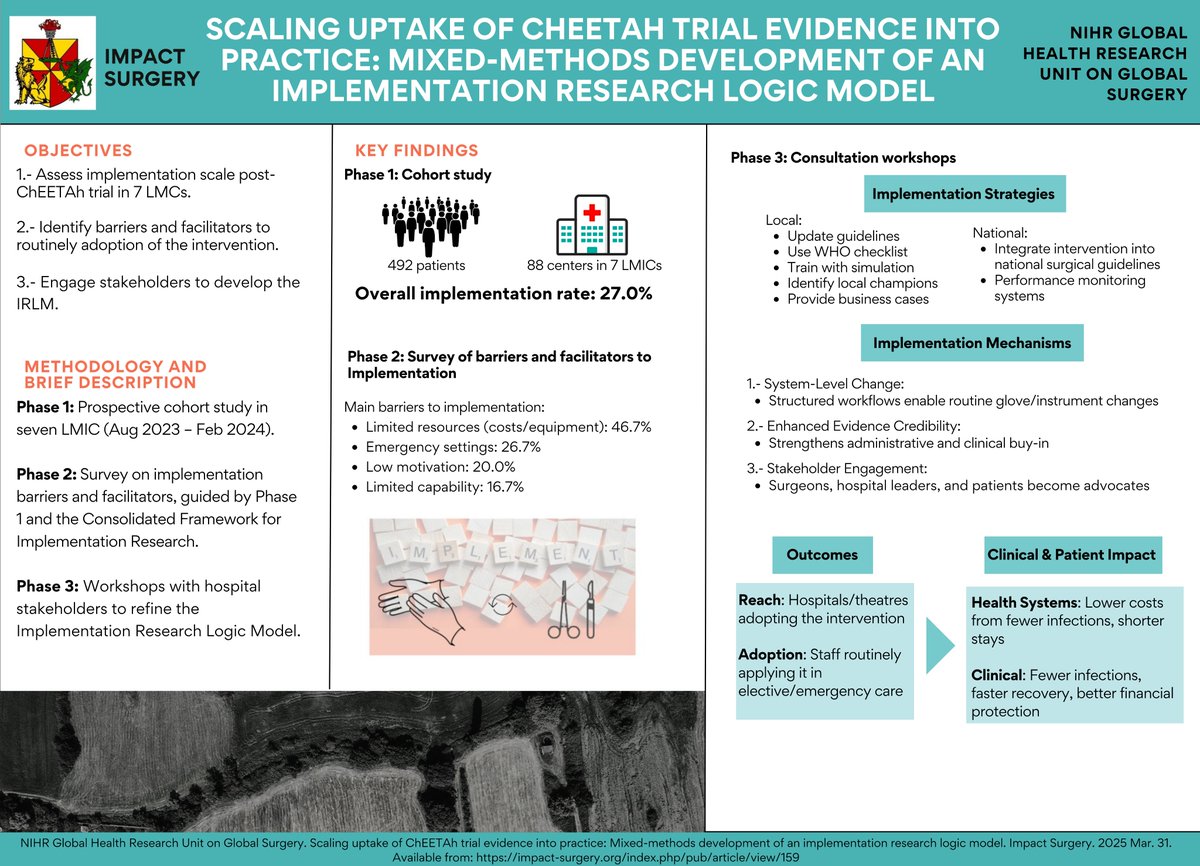
𝗦𝘂𝗿𝗴𝗶𝗰𝗮𝗹 𝘀𝗶𝘁𝗲 𝗶𝗻𝗳𝗲𝗰𝘁𝗶𝗼𝗻𝘀 𝗮𝗿𝗲 𝗽𝗿𝗲𝘃𝗲𝗻𝘁𝗮𝗯𝗹𝗲. But post-trial uptake of ChEETAh’s proven intervention? Just 27%.
A new study in Impact Surgery presents a logic model to guide scale-up.
Read more: https://t.co/16nfk7t9pH
#GlobalSurgery
☕️ Our Cafecito with Latino Surgery Society series is back! Join us on June 2nd for engaging conversations, networking, and community building. Don't miss it, mark your calendars! #LatinoSurgery
Link: https://t.co/HGKExkYAJM
A new era begins! 🌍 This journal is set to become a key voice in global surgery — don’t miss what’s coming. Follow and be part of the movement! #GlobalSurgery
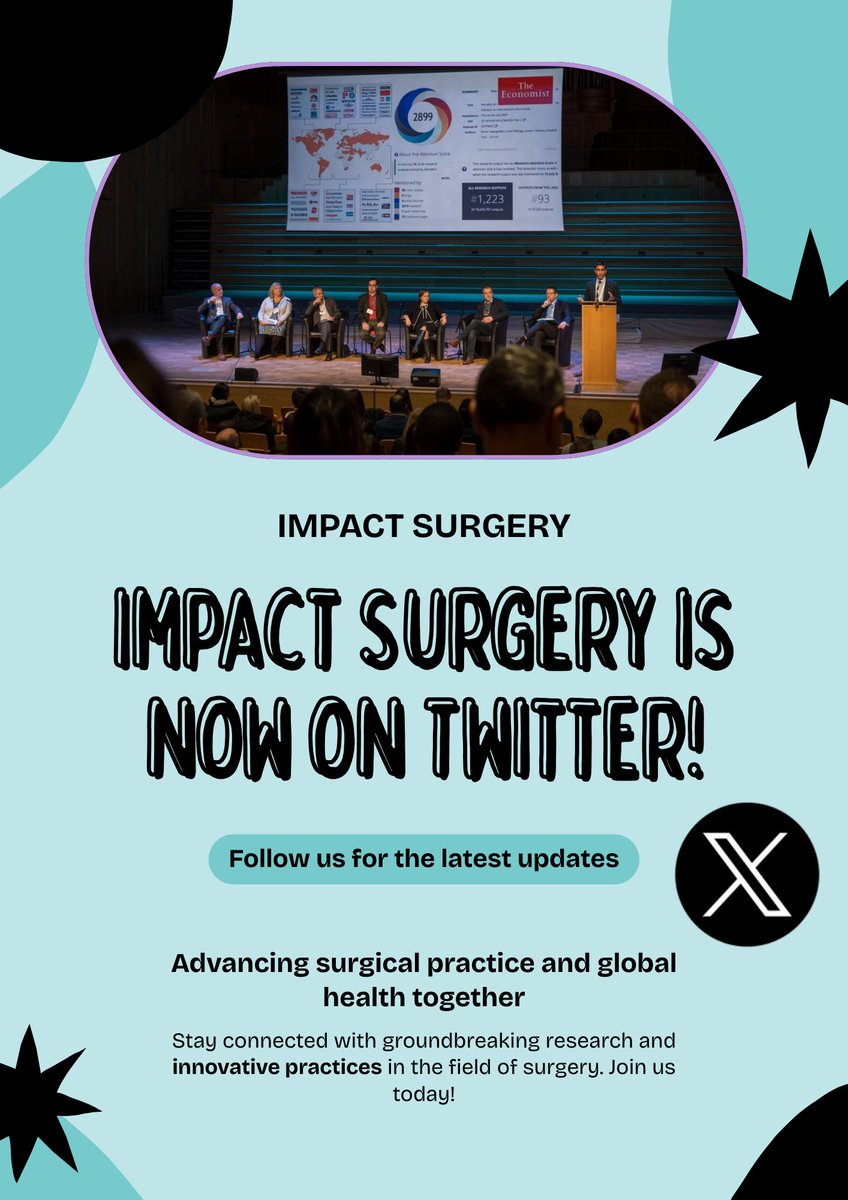
📣 𝗪𝗲’𝗿𝗲 𝗻𝗼𝘄 𝗼𝗻 𝗫! Follow us to stay updated on the latest in global surgery, impactful research, and academic collaboration.
Stay tuned for calls for papers, upcoming conferences, and new opportunities to get involved.
#GlobalSurgery
Your Match Day reminder that square knots look the same at hospitals of every ranking, and matching *somewhere* is what matters.
The grass is not always greener at your ‘top’ programs, and in the end, both your potential and the basic principles of surgery are still the same.
For surgical history nerds:
Here is the main figure from Seldinger's 1953 paper showing what later became known as the Seldinger technique.
There seem to be 2 extra things that Seldinger did that most people probably don't do these days, as we'll see next:
(1/ )
Un cirujano chino extirpó un tumor del pulmón de una paciente que estaba a 5 mil km de distancia.
El médico remoto controlaba un robot desde Shanghái (#China)mientras la paciente se encontraba en la ciudad de Kashgar. La operación fue un éxito.
The hospital margin for hepatobiliary surgery is huge. Surgeons are typically the entry point. But are HPB surgeons being compensated like spine and cardiac?? 👇🏼👇🏼👇🏼
The Financial Implications of Pancreatic Surgery
https://t.co/B4yN6VKNMt
Proud to see our low cost portable surgical knots simulator being built and tested by one of our future surgeons @franzbg12@futuroscirascol ! Innovation in surgery has many faces and innovate in #LatAm is totally possible! Congratulations @brandonapa1996 @Isaacmenm !
The 2025 @ASCO Gastrointestinal Cancers Symposium is accepting abstract submissions until September 24. Submit your research to the leading, multidisciplinary event for new, innovative research in GI cancers. #GI25
Submit Your Research👇https://t.co/1WsaMCvWLs
Ya muchas han dicho lo obvio por aquí: que Imane Khelif no sólo no es trans (es imposible cambiar tu género en los documentos en Argelia, y transicionar está prohibido), sino que pasó el examen del comité olímpico.
Nosotras vamos a decir lo no tan obvio: esto tiene tinte racial.