Teacher, trainer, developer; writer, reader, dreamer; wife, mom, daughter. +35 years in the biz; Join the conversation about striving middle school readers!
Fantastic explanation of the need for gradual release of responsibility in teaching:
Can You Use Productive Struggle for Initial Instruction in Reading and M... https://t.co/7xY6vVhx6J via @YouTube
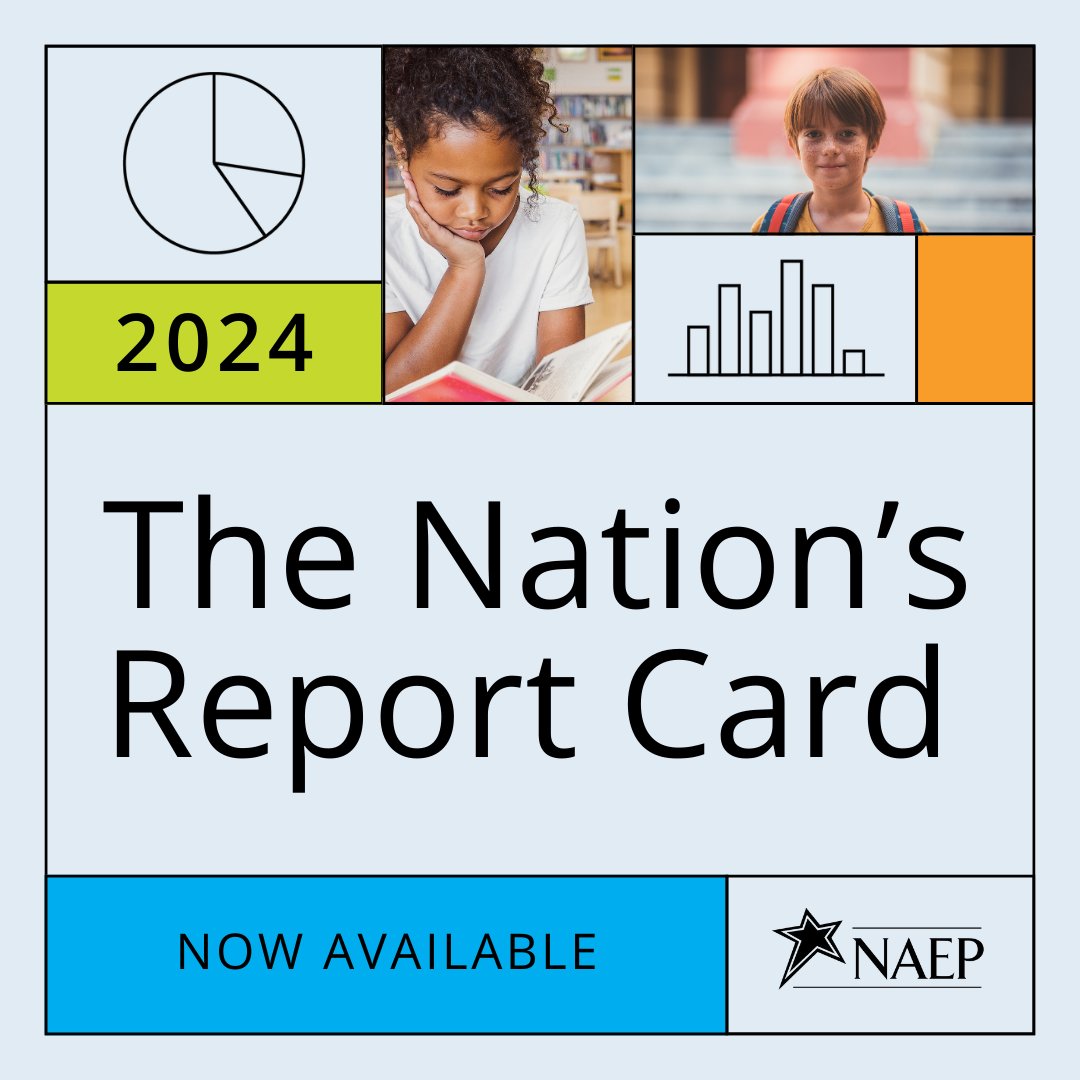
Now Available: The 2024 Nation's Report Card, including national, state, and district-level results for 4th- and 8th-graders in math and reading.
🧮Math: https://t.co/PNHnm2zSEb
📚Reading: https://t.co/RYJGfnqKL4
#EdData
@dst6n01 Don’t assume they don’t need basic reading skills.All ages are still learning to read-even more so with Covid years interrupting key times for these middle schoolers. Use materials that respect their maturity levels.
@dst6n01 Raise the expectations.Raise the rigor-gradually, but get there.Use the gradual release model to give students responsibility faster. Stop doing the work for students. We often read entire novels to them!Provide intervention when needed,but make it temporary,not a place to stay.
@RebekahODell1 In our Freebie Library, we keep research summaries and promising practice documents. With over 35 years of teaching reading to middle school and up, I try to share as much as I can as fast as I can! https://t.co/3U5nwsnh0g
How did I miss this from the What Works Clearinghouse? Check out the guide for Providing Reading Interventions for Students in Grades 4-9. https://t.co/8syhNgIlAG
2 key takeaways:
1️⃣ “Reading comprehension should be taught with texts worth reading – texts from which we want students to gain knowledge.”
2️⃣ “Three kinds of instruction paid off the most: summarizing, developing an understanding of text structure, and/or paraphrasing.”
⬇️
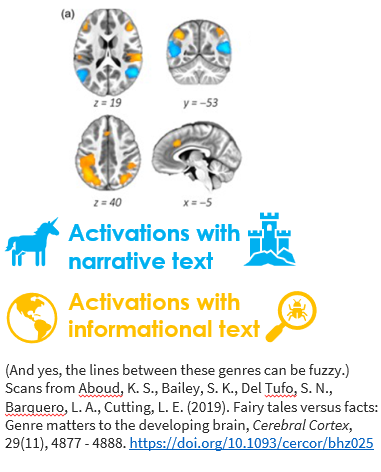
Children's brain activity looks different whether they are reading narrative or informational text--no surprise that classroom research suggests our instruction for these genres should be different too (e.g., purposes established for reading, text structures taught, ?s asked...)
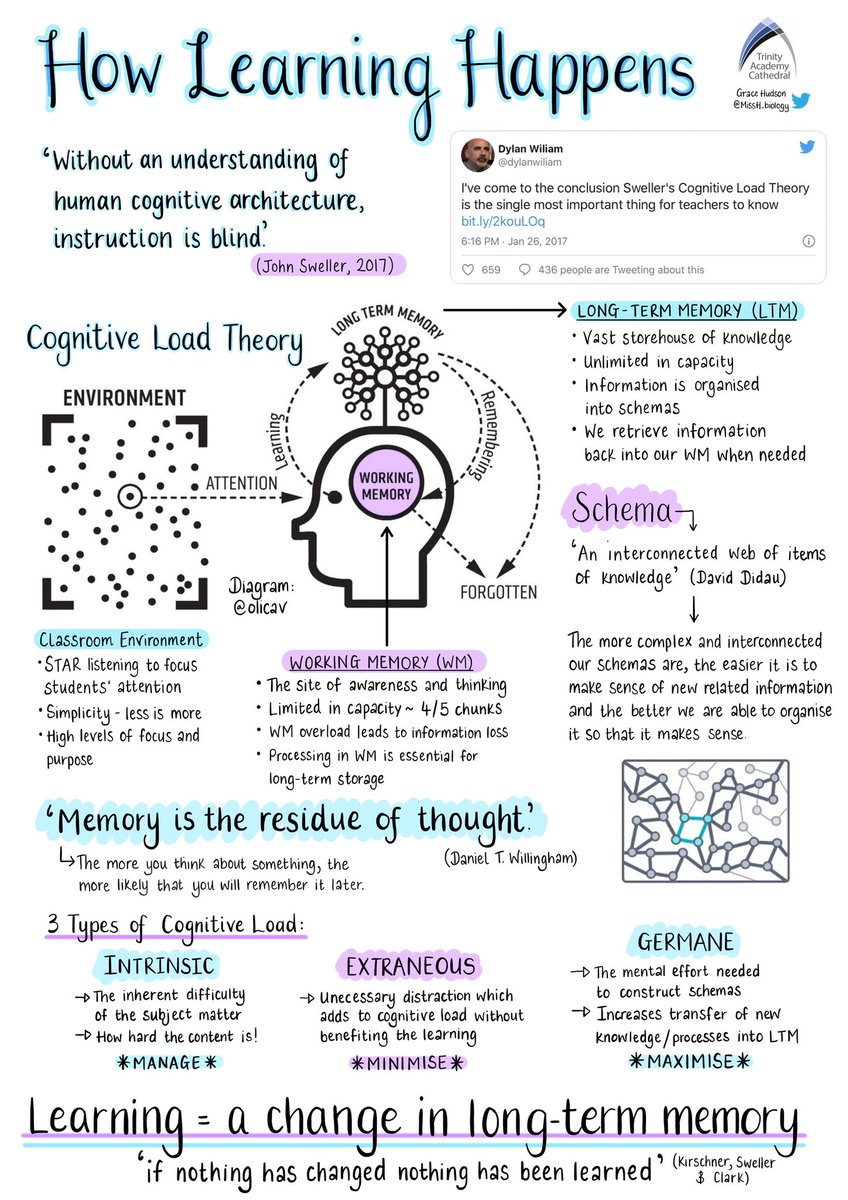
Bad advice. This kind of thing leads to teachers thinking they shouldn’t speak, or all student talk is valuable. But expert instruction *should* involve a lot of teacher talk. Learning often involves listening. And this is why we don’t train teachers with inspirational quotes.
1/6
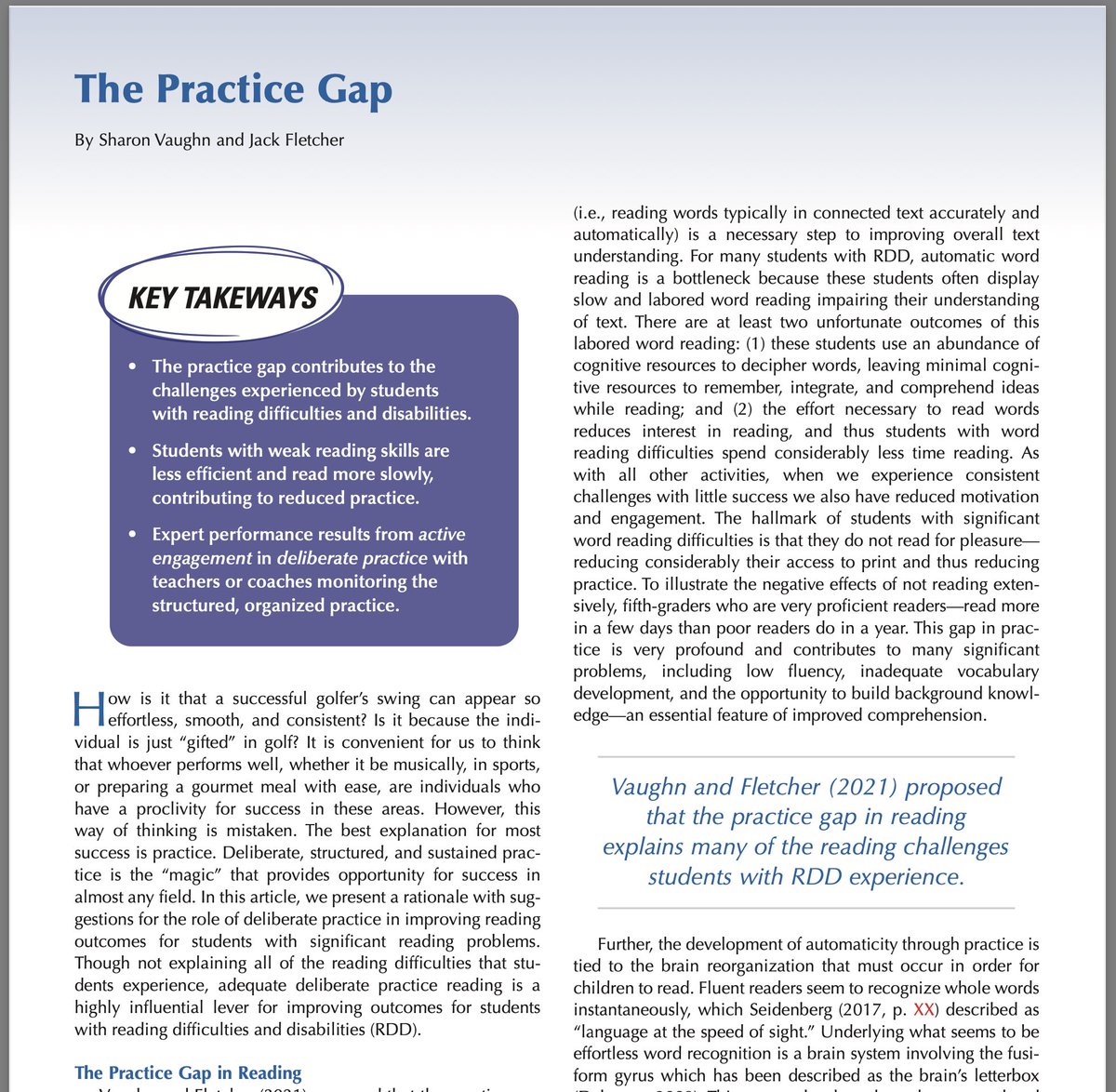
THIS article is EXACTLY what we have desperately needed in literacy. We are grateful to ILA for giving us all open access (and I hope that those who need to read it most, will do so)
https://t.co/tliWOu4IND
🔥An exceptional article for teachers on "The Practice Gap" by Drs Vaughn & Fletcher--with practical takeaways on reducing the practice gap by increasing the number of deliberate practice opportunities.
https://t.co/2szzqsFs60 @DyslexiaIDA@MCPER_EDU
Help older students identify the relationship of the ideas presented in text by studying multiple nonfiction structures within authentic text. Move on from individual structure graphic organizers! https://t.co/nkehNZic3g