في 3 يوليو عام 1863، وقف شاب لم يتجاوز الثانية والعشرين من عمره خلف جدار حجري منخفض في معركة غيتيسبيرغ، يراقب نحو 12 ألف جندي من جيش الكونفدرالية وهم يتقدمون مباشرة نحو موقعه.
لم يكن يعلم أن الساعتين التاليتين ستحددان مصير الولايات المتحدة بأكملها، وأن بقاء جيش الاتحاد صامدًا سيتوقف على رجل جريح يحتضر، لكنه يرفض الاستسلام.
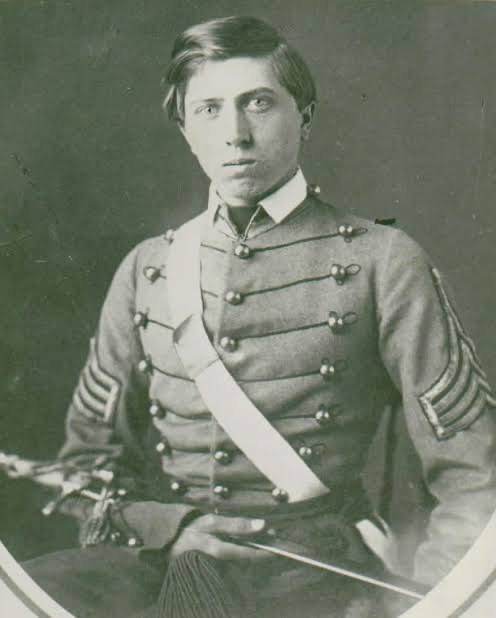
كان اسمه ألونزو كوشينغ، برتبة ملازم أول في الجيش الأمريكي.
كان لا يزال في بداية حياته، ويحمل أحلامًا كثيرة عن مستقبله، لكنه وجد نفسه يقود البطارية «A» من المدفعية الأمريكية الرابعة، في قلب الخط الدفاعي لجيش الاتحاد.
كان يعرف أن سقوط موقعه يعني انهيار الخط بأكمله، وأن انهيار هذا الخط قد يفتح الطريق أمام هزيمة الاتحاد وانهيار الأمة.
ثم بدأت الجحيم.
نحو 150 مدفعًا من مدافع الكونفدرالية فتحت نيرانها في وقت واحد، فاهتزت الأرض بعنف، وتحول المكان إلى ساحة من الدخان والانفجارات والموت.
انفجرت ثلاثة من صناديق الذخيرة التابعة لبطارية كوشينغ، وتحولت إلى كرات نارية هائلة. واختفى رجال وخيول وسط ألسنة اللهب والدخان، بينما سقط جميع الضباط الآخرين في وحدته قتلى.
وفي خضم هذه الفوضى، اخترقت شظية قذيفة كتفه الأيمن ومزقته بشدة.
لكنه لم يتراجع.
وبعد دقائق، أصابته شظايا أخرى في بطنه ومنطقة الحوض، فتمزق جسده وبدأ ينزف بغزارة.
كان أي رجل آخر سيسقط أرضًا، لكن كوشينغ فعل شيئًا يصعب تصديقه؛ أمسك بيده بطنه المصاب محاولًا إبقاء أحشائه في مكانها، وواصل القتال رافضًا السقوط على ركبتيه.
وبيده الأخرى، استمر في تشغيل مدفعه، واضعًا إبهامه العاري على فتحة إشعال المدفع شديدة السخونة بين الطلقات، حتى احترق جلده من شدة الحرارة، كل ذلك كي لا يتوقف عن إطلاق النار.
في تلك اللحظة، اندفع رقيب أول وحدته، فريدريك فوغر، عبر الدخان والنيران، وتوسل إليه أن يسمح له بنقله إلى الخلف لإنقاذ حياته.
لكن كوشينغ نظر إلى صف الحراب المعادية الذي كان يقترب منهم، ثم أجابه:
«لا، سأبقى هنا وأقاتل حتى النهاية، أو أموت وأنا أحاول».
لم يكتفِ بالصمود في موقعه، بل أصدر أمرًا بتحريك آخر مدفعين قادرين على إطلاق النار إلى الأمام، حتى وصلا إلى جوار الجدار الحجري مباشرة، في مواجهة العدو الذي كان يقترب منهم.
بحلول ذلك الوقت، كان كوشينغ يفقد دماءه بسرعة. استنزفت جراحه ما تبقى من قوته، ولم يعد صوته قادرًا على مجاراة هدير المعركة.
اقترب منه الرقيب فوغر، وأسند قائده المحتضر بذراعه حتى لا يسقط، ثم مال نحوه ليستمع إلى أوامره الأخيرة.
كان جنود الكونفدرالية يقتربون أكثر فأكثر، ولم تعد تفصلهم عن الجدار سوى أمتار قليلة.
وفي تلك اللحظة، وبينما كان كوشينغ على وشك الموت، همس في أذن رقيبه بأمره الأخير.
انتفض فوغر وصرخ بأعلى صوته:
«ذخيرة مزدوجة! أطلقوا النار!»
دوّى المدفع من مسافة قريبة للغاية، وانفجرت قذائفه وسط صفوف الجنود المتقدمين، ممزقة موجة الهجوم.
لكن بعد ثوانٍ قليلة، أصابت رصاصة وجه كوشينغ.
سقط ميتًا بجوار مدفعه المشتعل، بعدما رفض التخلي عن موقعه حتى اللحظة الأخيرة.
وعندما انقشع الدخان، كانت النتيجة قد حُسمت:
خط دفاع جيش الاتحاد صمد.
دُفن كوشينغ، الذي لم يتجاوز الثانية والعشرين من عمره، في أكاديمية ويست بوينت العسكرية، ونُقشت على قبره ثلاث كلمات تختصر حياته وتضحيته:
«وفيّ حتى الموت».
وبعد مرور 151 عامًا على وفاته، وتحديدًا عام 2014، منحته الولايات المتحدة أخيرًا وسام الشرف، وهو أعلى وسام عسكري في البلاد.
لم تُنقذ الخطب الرنانة الولايات المتحدة في ذلك اليوم، ولم يكن النصر حكرًا على القادة أصحاب الأسماء الكبيرة.
أحيانًا، يتوقف مصير أمة بأكملها على شاب جريح، يتمسك بالحياة بصعوبة، ويمسك بطنه الممزق بيد، ويواصل القتال باليد الأخرى، بينما يرفض أن يتراجع ولو خطوة واحدة.
كان بإمكان ألونزو كوشينغ أن يختار النجاة بنفسه، لكنه اختار أن يبقى، فبقي خط الدفاع، وتغيّر مجرى التاريخ.
@csancheznieto@helveticoblack Si, aparte de maricones, pendejo también pero no se lo tenias que recordar.
Con la publicación principal ya lo sabíamos. 🤣😂🤣
Un pastor lee en una reunión escolar un libro que está en las bibliotecas de las escuelas, y lo mandan a callar. "Si no lo quieren escuchar en una reunión escolar, ¿por qué los chicos tienen que verlo?"
John K. Amanchukwu Sr. en español.
Video original de John K. Amanchukwu Sr.
IG: @revwutruth · TikTok: @revwutruth2 · X: @REVWUTRUTH · FB: @johnkamanchukwu · YT: @revwutruth · https://t.co/klFg52KA3C
🚨🇮🇱🇲🇦 | AMENAZA DE MUERTE EN DIRECTO: La creadora de contenido judía israelí Talia Yoseph, debatió en una videollamada con un usuario marroquí sobre la guerra en Gaza, el origen del conflicto y los antecedentes históricos en la región, frente a lo cual el interlocutor respondió con amenazas de muerte y esclavitud hacia ella y su familia.
Marie Soifer was a Holocaust survivor who was deported to Auschwitz at age 28 and survived imprisonment there until liberation in January 1945....
According to deportation records compiled in the Holocaust Survivors and Victims Database, she was deported from France to Auschwitz on Convoy 60 on October 7, 1943. Upon arrival at Auschwitz, she was given the prisoner tattoo number 49398 on her arm. She endured roughly 16 months inside the camp before Soviet forces liberated Auschwitz on January 27, 1945.
After surviving the war, she went on to build a family. Her story gained widespread online attention through a widely shared photograph showing her as an elderly woman holding her great-granddaughter, with the faded tattoo 49398 visible on her arm.
. . . .
At Auschwitz, a person's name was taken away at the gate. Auschwitz was the only Nazi camp to tattoo its prisoners. Starting in 1941, newly registered prisoners had a number inked onto the left forearm, and from then on that number was all the guards called them. About 1.1 million people were murder*d at Auschwitz, most of them Jews, many on the day they arrived and never given a number at all. Those who were tattooed were the ones chosen for forced labour, and staying alive meant surviving hunger, disease, freezing cold and constant selections. When Soviet troops reached the camp on January 27, 1945, they found only about 7,000 prisoners still alive.
For the survivors, the tattoo never faded. They carried it through every part of their new lives: rebuilding in new countries, learning new languages, marrying, raising children who often grew up knowing very little about what their parents had endured. Some covered the number with long sleeves for the rest of their lives. Others left it in plain sight, as proof of what had happened and a refusal to let the world forget. Many said nothing about the camps for decades, until grandchildren began asking questions, and the stories finally came out, often in the last years of their lives.
That is what makes this photo so powerful. The woman holding the baby was supposed to be erased: her name replaced by a number, her family meant to end with her. Instead, decades later, she holds her great-granddaughter, a fourth generation that exists because she survived. Survivors have often said the greatest answer to Hitler was simply to live, to build families and fill dinner tables with children and grandchildren. Today some of those grandchildren have even had their grandparents' numbers tattooed on their own arms, so the memory won't end when the last survivor is gone.
Even inside Auschwitz-Birkenau, some people found ways to protect childhood. In 1943, the Nazis set up a "family camp" in Birkenau for Jewish families deported from Theresienstadt, partly to fool the outside world in case the Red Cross inspected it. A young German Jewish athlete named Fredy Hirsch persuaded the guards to let him run a block just for the children. Inside, prisoners secretly taught history, languages and math, staged plays, sang songs, and kept a tiny hidden library of about a dozen worn books. A 14-year-old girl, Dita Polachová, was put in charge of them and hid them under her dress when guards came by. She survived and lived into her nineties, and her story became the bestselling novel ‘The Librarian of Auschwitz’. For a few hours a day, in the darkest place on earth, children got to be children again.
#archaeohistories
In the summer of 1944 on the island of Saipan, 20 year old Marvin Strombo got separated from his unit near the edge of a town and walked alone into a quiet spot dangerously close to Japanese troops.
Directly in front of him on the ground lay a young Japanese soldier.
A shell blast had already killed him, leaving him lying peacefully on the ground.
Tucked inside the dead man's uniform, the corner of a white silk flag showed against the fabric.
Before World War II carried him to Saipan, that young soldier, Sadao Yasue, had grown up in a family home in Higashishirakawa, a small tea growing village in the mountains of Gifu Prefecture.
Before Sadao left the village for the war, his parents, relatives, friends, and neighbors gathered around a square of white silk marked with a red circle in the center.
They brushed their names and short wishes in black ink across the white fabric, hoping their prayers would bring Sadao back home alive.
Sadao folded those prayers and carried the silk inside his uniform all the way to Saipan.
Now Sadao lay still on the battlefield, and Strombo, a young United States Marine from Montana, stood alone beside him where enemy soldiers were close enough to kill him at any moment.
Across the Pacific, many American servicemen took flags from fallen Japanese soldiers to carry home as war souvenirs.
Strombo pulled the white silk free and looked down at the careful personal handwriting filling the cloth.
Standing over a man he had never met, Strombo saw from all those careful names that a family loved this soldier, and he made a quiet promise to himself to return the flag to them one day.
He folded the white silk square, slipped it into his pack, and carried it safely through the rest of the war.
When the fighting ended, Strombo came home to Missoula, Montana, built a quiet life, and placed the folded flag behind the glass of a cabinet in his house to keep it safe.
As decades went by, he asked people about the flag from time to time, looking for some way to trace the soldier's family.
Each time, the search hit the same dead end: Strombo could not read the Japanese characters brushed in black ink, and he had no way to find where the young man had lived.
Across the Pacific Ocean in the green hills of Higashishirakawa, Sadao Yasue never walked back through the door of his family home.
After Sadao died on Saipan in 1944, his remains never came back to Japan, and his family never received a single personal item he had carried into the war.
His parents grew old and passed away without ever knowing where on the island Sadao had died or what had happened to him at the end.
For 73 years, Sadao's younger brother, Tatsuya Yasue, and his surviving sisters lived without a single trace of him from Saipan.
In Montana, Strombo reached his nineties, and the folded white silk still waited inside the cabinet in Missoula.
Eventually, Strombo connected with the OBON Society, a nonprofit group in Astoria, Oregon started by Rex and Keiko Ziak to help veterans return wartime good luck flags to families in Japan.
Translators working with the Oregon group studied the dark brush strokes on Strombo's cloth and found the name of the man who had carried it: Sadao Yasue.
In Japan, a volunteer researcher noticed the family name Yasue repeated across many of the signatures alongside clues pointing to one specific mountain area, leading the search straight to Higashishirakawa.
People in the village confirmed that Sadao Yasue had grown up there, and that Tatsuya and his surviving sisters were still alive.
In August 2017, at 93 years old, Marvin Strombo left Montana and flew across the Pacific Ocean to return the silk flag with his own hands.
His visit fell during Obon, the traditional summer days in Japan when families gather at home to welcome back the spirits of loved ones who have died.
Strombo traveled deep into the mountains of Gifu Prefecture and stepped inside the family home where Sadao Yasue had lived before leaving for World War II.
Waiting inside the house were 89 year old Tatsuya Yasue and surviving members of Sadao's family.
Speaking through an interpreter, Strombo laid out a map of Saipan and pointed to the exact area where he had found Sadao lying peacefully on the ground in the summer of 1944.
That quiet account gave the brother and sisters the answer they had waited seven decades to hear.
Strombo then held out the folded white silk he had protected in Montana for more than seventy years and placed it gently into Tatsuya's hands.
Tatsuya lifted the folded cloth to his forehead, bowed deeply, and cried openly while holding the flag his older brother had worn on the last day of his life.
Around the table inside the house where Sadao grew up, the former Marine and the Yasue family spread the silk flat between them and looked over the black ink signatures of parents and neighbors who had died years ago.
Before leaving the mountain village for the flight back to Montana, Strombo sat inside that room clasping hands with Tatsuya.
At 20 years old on Saipan, Marvin Strombo slipped a dead stranger's silk flag into his pack with a promise to bring it home, and at 93, he walked out of that soldier's family house having kept his word.
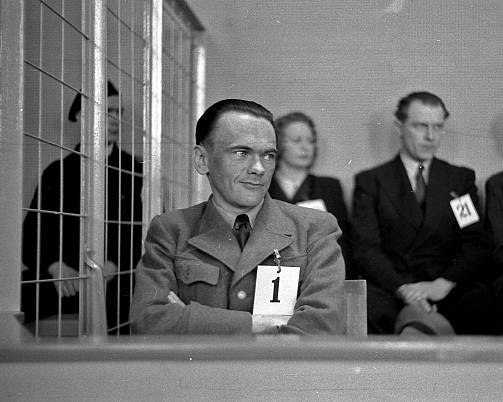
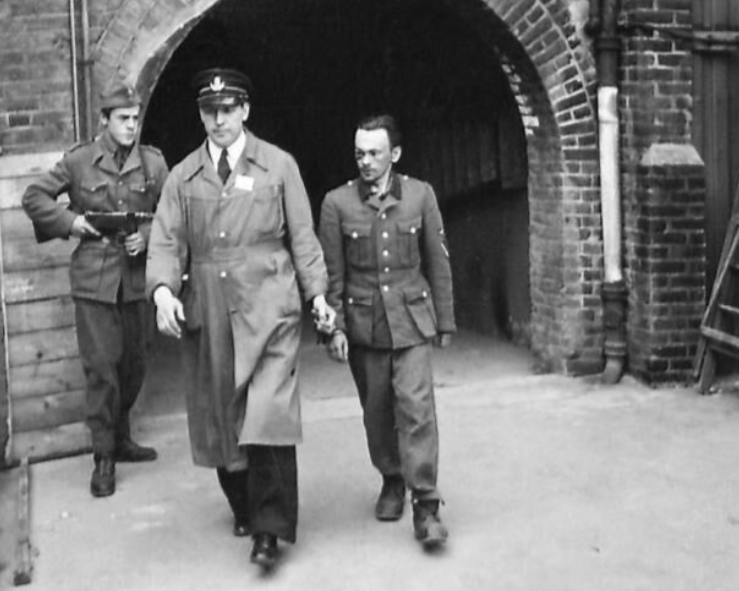
Gestapo collaborator Henry Rinnan was captured barely one mile from the Swedish border as he tried to escape in May 1945.
Rinnan became known as "the most hated man in Norway" following the end of World War II. From 1941 until 1945 he led the Rinnan Group, with dozens of members who worked closely with the German forces to root out resistance cells. The group is estimated to have arrested or captured as many as 1,000 people over that time, many of whom were affiliated with communist groups, and approximately 80 of whom were executed.
As native Norwegians, Rinnan and his counterparts specialized in infiltrating the cells surrounding the port city of Trondheim. They engaged locals in casual conversations and guided the conversations to their opinions on the German occupation. This allowed them to home in on resistance members, be invited to join cells, and report back the results to the Gestapo.
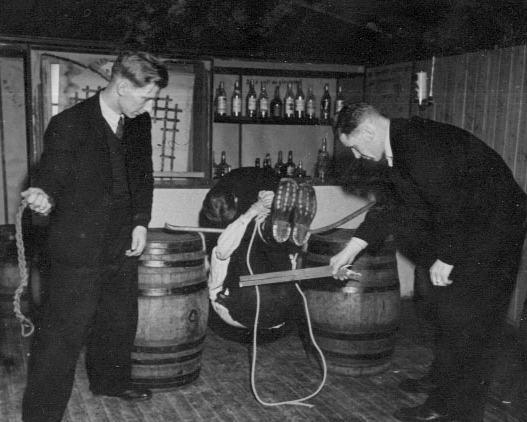
The Rinnan Group was headquartered at a home in Trondheim and carried out interrogations and torture sessions in the basement (recreated for his trial in picture 5).
At one point in 1942, Ornulf Egge, the leader of the Norwegian Communist Party met with another group leader named Olav Wisth. They discussed the best way to identify, locate and kill Rinnan, the man who posed the greatest threat to all of them. Unbeknownst to Egge, Wisth himself was Rinnan in disguise.
The day after German forces surrendered, Norwegians began rounding up collaborators and quickly caught most of the Rinnan Group members. Rinnan himself and a handful of companions made a run for the border but were surrounded in a remote cabin and surrendered after a brief exchange of gunfire.
All surviving group members were put on trial over the next few years, with many sentenced to life in prison, or death. Rinnan was executed by firing squad on February 1st, 1947.
Corporal Magne Solheim, who led the squad which captured Rinnan near the Swedish border, kept Rinnan’s revolver as a trophy for the remainder of his life, although he didn't tell his own children of his role in the event until many decades later.
#norwegian #collaborator #ww2 #ww2history #gestapo
Tu t'appelles Nathalie, tu as 41 ans, tu milites chez LFI et tu crois que le courage tient dans un thread de quinze tweets jusqu’au jour où tu te fais embarquer par un policier après l’avoir provoqué.
Ton salon : un tote bag de librairie, une tasse « Ni dieu ni maître » fabriqué au Bengladesh, un ficus que tu arroses moins que ton ego. Tu lis un livre par an, mais tu en cites douze.
Sur Bluesky, tu es une légende : cinq cents abonnés, dont ta mère, deux bots et un type qui t'a bloquée en 2021.
Là-bas, tu « fais trembler le système » entre deux likes. Ton pouvoir de nuisance, mesuré en notifications : sept.
Samedi, manif. Tu as mis ton gilet à badges et cette assurance que seule donne une vie sans jamais perdre une dispute, grâce au bouton « mute ».
Face à toi, un policier. Tu avances. Tu t'attends à le voir rougir, flancher, demander pardon. Dans tes stories, c'est toujours ce qui arrive.
Tu sors ta punchline, répétée trois jours devant le miroir de la salle de bains. Il ne cligne pas. Pas de cœur, pas de partage, pas de « ratio ».
Tu insistes. Tu hausses le ton, tu pointes du doigt, tu cites un article de loi à moitié lu. Il te regarde comme on regarde la météo.
Alors tu cherches le bouton pour le bloquer. Il n'existe pas. Celui pour le signaler non plus.
Il fait un signe de la tête. Deux collègues arrivent. Tes poignets font connaissance avec le métal : froid, lourd, impossible à swiper.
Dans le fourgon, tu demandes si tu peux récupérer ton téléphone pour « documenter ». Personne ne répond. Personne ne te regardait.
Au poste, tu patientes quatre heures sur un banc, entre un ivrogne et une affiche sur la sécurité routière. Ton public : un distributeur de café en panne.
Tu pensais être la résistance. Tu es le dossier n° 47, classé entre un excès de vitesse et une histoire de trottinette.
Tu repars avec une convocation et la grande révélation de ta vie : le réel n'a pas de bouton « répondre ».
Demain, tu poseras une photo de toi « courageuse ». Les deux likes viendront de ta mère et du bot.
An iconic photograph shows a line of Soviet tanks parked along a street in Prague during the August 1968 Warsaw Pact invasion of Czechoslovakia as a single dark car passes by. Photographers such as Bill Ray documented the invasion, which ended the Prague Spring political reforms....
Warsaw Pact forces painted white stripes on their vehicles so troops could distinguish invading units from the Czechoslovak People's Army, which operated similar Soviet-built armor. Clear markings helped ground crews and supporting aircraft avoid friendly-fire incidents amid confused street fighting and potential clashes.
. . . .
In early 1968, Czechoslovakia’s new leader, Alexander Dubček, began loosening the Communist Party’s grip on the country. Censorship was eased, newspapers criticized the government openly, and people spoke freely for the first time in decades. He called it “socialism with a human face.” The world called it the Prague Spring.
Moscow saw it as a threat. On the night of August 20, 1968, around 250,000 troops from the Soviet Union and its Warsaw Pact allies poured across the border, backed by thousands of tanks. By morning, they controlled Prague.
Instead of fighting back with weapons, the people of Prague resisted any way they could. They surrounded tanks and argued with the young soldiers, many of whom had been told they were there to stop a Western invasion. Residents tore down and painted over street signs so the troops couldn’t find their way around the city. More than 100 Czechoslovak civilians were k*lled.
Dubček was arrested, flown to Moscow and forced to sign away his reforms. Within months he was removed from power, and a period the government called “normalization” began. Soviet troops stayed in the country until 1991.
Czech photographer Josef Koudelka captured the invasion and had his photos smuggled out of the country. They were published under the initials “P.P.,” for “Prague Photographer,” to protect his identity, and he didn’t publicly claim them until 1984.
#archaeohistories
Расстрелянное востоковедение.
24 ноября 1937 года в Ленинграде расстреляли людей, которые умели читать то, что в СССР вообще больше никто не мог прочесть.
Учёный Николай Невский, японист, синолог и тангутовед, расшифровывал мертвый язык империи Си Ся. Он провел в Японии почти 15 лет и в 1929 году вернулся на родину вместе с женой-японкой Исоко Мантани.
За ним пришли еще в ночь на 4 октября 1937 года. Звонок в дверь раздался около полуночи. Соседи решили, что в гости к Невскому зашел живущий этажом выше японист Николай Конрад, они дружили. Через несколько дней арестовали Исоко Мантани. Обвинение было стандартным для того времени: шпионаж в пользу Японии.
Расстреляли их в один день, 24 ноября. Вместе с ними чекисты привели в исполнение казни других востоковедов, сама работа которых вызывала в НКВД полное непонимание. Были убиты Павел Воробьёв, китаевед и монголовед, ректор Института живых восточных языков, профессор ЛГУ; Борис Васильев, китаевед, ученик академика Алексеева и друг Невского; Дмитрий Жуков, японист, сотрудник Эрмитажа; Василий Чикирисов, китаевед и японист; Миноро Мори, японист, друг семьи Невских.
Многие из них жили в одном доме на улице Блохина, 17, где до 1925 года располагался Ленинградский восточный институт. В 1937 году семнадцать жильцов этого дома были арестованы. Не тронули только академика Алексеева, его просто затравили на собраниях и в печати, а всех его учеников расстреляли. Николая Конрада арестовали в 1938 году, он прошел через лесоповал и шарашки.
Дочь Николая Невского узнала настоящую дату гибели родителей только в 1991 году, когда открылись архивы. Невский и его жена были реабилитировали только в 1957 году, а в 1962 году ему посмертно присудили Ленинскую премию за тангутские исследования.
Сначала государство убило ученого, а через двадцать пять лет наградило его за работу, которую он даже не успел закончить.
«Дело востоковедов» - очень точная метафора отношения любого тоталитарного государства к знанию. Владение «чужим языком» моментально превращало человека в подозреваемого. Россия много веков ходит по одному и тому же кругу.
Андрей Калитин
🚨🇮🇱🇵🇸 | SIONISTA HUMILLANDO PERDEDORES: Una joven judía destrozó a un entrevistado propalestino, desmontando su tesis sobre una supuesta colonización europea y recordando que en 1948 los Estados árabes rechazaron la partición, declararon la guerra y perdieron.
Frank Wright was only 16 when America entered World War II. Too young to enlist in the Marine Corps, he used his older brother’s birthdate and stuffed bananas into his clothes to make the weight. On January 21, 1942, he became a Marine anyway.
He joined the Marine Raiders and fought through the Pacific’s hardest campaigns: Guadalcanal, New Georgia, Guam, and Iwo Jima.
On Guam, a Japanese soldier drove a bayonet into his stomach during close combat. Wright fell on top of the attacker. A corpsman treated the wound and told him to keep going if he could still walk. He did.
Months later, on March 3, 1945, during the Battle of Iwo Jima, machine-gun fire tore through his upper body while he was advancing uphill. The rounds damaged his collarbone, punctured his lung, and exited through his arm. This time the wounds were too severe. He was medically evacuated.
He survived both injuries.
After recovering, he returned to duty and finished his service as a drill instructor. When he was honorably discharged in January 1946, he left as a corporal with two Purple Hearts. He never received the sergeant’s stripes he had hoped to earn during the war.
He went on to earn a business degree, raise a family, and stay connected to the Marine community for the rest of his life. The scars from Guam and Iwo Jima remained with him.
Nearly 80 years later, as he approached his 100th birthday, the Marine Corps prepared something extraordinary. Commandant General Eric M. Smith recommended him for an honorary promotion to sergeant.
On August 31, 2025, in Stockton, California, Frank Wright stood in a World War II-era Marine uniform. His two sons pinned the sergeant’s chevrons onto his collar.
He even joked about whether the new rank came with decades of back pay.
When he spoke about what the Marine Corps meant to him, he said:
“I am a Marine. Not was. Am.”
The promotion was honorary. It couldn’t erase the wounds he carried from Guam and Iwo Jima or bring back the Marines who never came home. But it recognized a teenager who had been willing to risk everything for the uniform before he was even legally old enough to wear it.
Frank Wright left World War II as a corporal. He carried the scars of two of the Pacific’s bloodiest battles for the rest of his life. And when his sons finally pinned those sergeant’s stripes, they honored something that had never depended on rank.
He survived a bayonet to the stomach, machine-gun fire through his chest, and some of the most dangerous fighting of the war. Nearly 80 years later, the Marine Corps gave him the title.
He never stopped being a Marine.
Semper Fi, Sergeant Frank Wright.
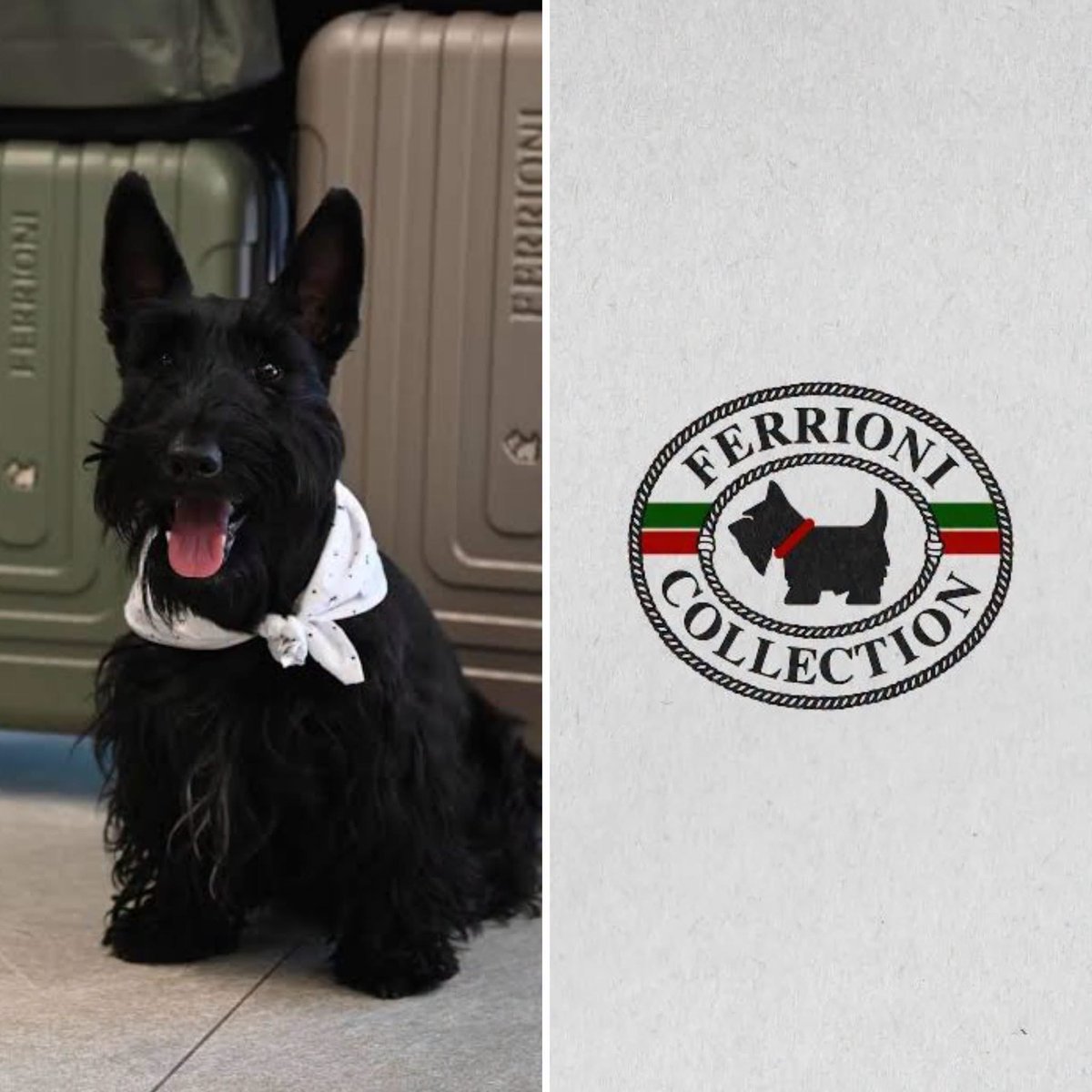
Todo México juraba que era ropa italiana… pero #Ferrioni nació en el Centro Histórico de la CDMX 🇲🇽 y su nombre tiene un secreto oculto.
Durante décadas, muchos compraron sus camisas y suéteres creyendo que era una marca europea de lujo. La realidad es mucho más increíble (y 100% mexicana):
1️⃣ El nombre no es italiano: La marca fue fundada en 1986 por el diseñador Fernando Rión Santisteban. Si juntas las primeras letras de su nombre y su apellido (Fernando + Rión), obtienes Ferrioni. Así de simple.
2️⃣ El perrito tiene más de 75 años: Aunque la marca nació en los 80, el famoso perro existe desde 1949. El papá del fundador, José Rión, tenía una tienda llamada Camisería Savoy en la CDMX y usaba ese perrito (inspirado en una marca inglesa de bufandas de 1936).
3️⃣ Un llavero salvó el logo: Cuando Fernando creó la marca en los 80’s, no encontraba el diseño original del perro de su papá. Su mamá le regaló un viejo llavero de la camisería, y de ahí lo rediseñó: lo hizo más compacto, le agrandó la cabeza y le puso el icónico azul marino.
4️⃣ ¿Qué raza es? Aunque en internet todos dicen que es un Westie, en realidad es un Scottish Terrier (Terrier Escocés) 🐾
La marca creció tanto que en 1994 llegó a la Bolsa Mexicana de Valores. Hoy ya no pertenece a la familia Rión (es de Grupo Dunand), pero sigue siendo un clásico de los clósets en México 🇲🇽
For two and a half years after the Doolittle Raid, not a single American bomb fell on Tokyo.
That ended on November 24, 1944.
That morning, 111 B-29 Superfortresses took off from Saipan, an island the Marines had taken just months earlier at a horrible cost. Tokyo was about 1,500 miles away, and the round trip took roughly 14 hours over open ocean.
The lead plane was called Dauntless Dotty. The general flying it was Emmett "Rosie" O'Donnell.
His co-pilot was Robert Morgan. Two years earlier, Morgan had flown the Memphis Belle in Europe.
The raid's target was the Nakajima aircraft engine plant at Musashino, which built engines for Japanese fighters.
Then the bombers hit something nobody had planned for.
At 30,000 feet over Japan, the crews ran into winds of well over 100 mph. It was the jet stream, which barely anyone understood back then. Bombers were blown across the target at ground speeds bombsights couldn't handle.
Out of 111 planes, only 24 bombed the factory. The damage was minor.
But for the first time, the people of Tokyo looked up and saw American bombers over their city in daylight, and they knew more were coming.
Within four months, Curtis LeMay would give up on high-altitude daylight bombing altogether.
His answer was the firebombing of Tokyo.
#Heldin
Sie gab ihrer dreijährigen Tochter ein Beruhigungsmittel, wickelte sie fest in eine Decke und legte sie in einen großen Koffer aus Leder. Diesen Koffer vertraute sie einem Freund an, der ihn direkt aus dem Ghetto der Nationalsozialisten hinaustragen musste, vorbei an Wachen, die Gewehre in den Händen hielten.
Doch nachdem ihr eigenes kleines Mädchen in Sicherheit gebracht worden war, hörte sie nicht auf.
Sie brachte immer weitere Kinder hinaus.
Eines nach dem anderen, immer wieder aufs Neue. Jedes Mal setzte sie dabei ihr eigenes Leben aufs Spiel.
Jahrelang glaubte Henia Lewin, ihre Mutter Gita Wisgardisky habe nur diese eine verzweifelte und mutige Tat vollbracht, um sie zu retten.
Einmal fragte sie ihre Mutter, wie viele andere Kinder es gewesen seien. Ihre Mutter antwortete, sie wisse es nicht. Sie habe nicht mitgezählt.
Die wahre Antwort erfuhr Henia erst Jahrzehnte später bei der Beerdigung ihrer Mutter.
Eine andere Überlebende des Ghettos von Kowno kam auf sie zu und erzählte ihr, dass es Dutzende Kinder gewesen seien, die einzeln hinausgeschmuggelt worden waren, direkt an den Menschen vorbei, die sie ermorden wollten.
Henia wurde 1940 in Litauen geboren. Sie stammte aus einer ganz gewöhnlichen jüdischen Familie.
All das änderte sich, als die Nationalsozialisten einmarschierten und die jüdische Bevölkerung der Stadt in das Ghetto trieben. Dort konnte man sich nur auf eines verlassen: Hunger, Krankheiten und die ständige Gefahr, ohne Vorwarnung verschleppt zu werden.
Gita erkannte früher als viele andere, was bevorstand. Als sie die Menschen davor warnte, dass die Nazis Juden ermordeten, hielten manche sie für verrückt. Sie wusste, dass es Mord bedeutete, wenn die Nazis davon sprachen, Kinder „umzusiedeln“.
Sie wollte nicht einfach abzuwarten.
Sie tat sich mit den Menschen zusammen, die entschlossen waren, Kinder aus dem Ghetto herauszuschmuggeln und auf dem Land Familien zu finden, die bereit waren, sie aufzunehmen und zu verstecken.
Die Kinder aus dem Ghetto zu bringen, grenzte an ein Ding der Unmöglichkeit.
Sie mussten vollkommen still sein, durften keinen Laut von sich geben. Ein einziges Schreien eines Babys oder ein Wort eines Kleinkindes im falschen Augenblick hätte für alle Beteiligten den Tod bedeutet.
Deshalb waren die Beruhigungsmittel so wichtig. Gita versetzte ihre eigene Tochter in Schlaf, legte sie in den großen Lederkoffer und übergab ihn Jonas Stankevicz, einem vertrauten Freund der Familie, der als Vorarbeiter im Betrieb ihres Mannes gearbeitet hatte.
Auf dem Weg nach draußen hielt ihn ein litauischer Polizist an und verlangte seine Papiere. Hätte er den Koffer geöffnet, wäre das für beide das Ende gewesen.
Dann fuhr plötzlich ein Jeep mit deutschen Soldaten vor. Sie hatten sich verfahren und fragten nach dem Weg zum Ghetto.
Der Polizist stieg zu ihnen ins Fahrzeug, um ihnen den Weg zu zeigen. So konnte Stankevicz weitergehen – mit der noch immer schlafenden Henia im Koffer.
Henia wurde von der Familie Stankevicz aufgezogen.
Sie lernte, fremde Menschen „Mama“ und „Papa“ zu nennen und niemals, wirklich niemals, ihren richtigen Namen zu verraten.
Sie war erst drei Jahre alt, verstand aber bereits, wie ernst die Situation war. Ungefähr zwei Jahre lang bewahrte sie dieses Geheimnis.
Und Gita machte weiter. Weitere Kinder, weitere Beruhigungsmittel, weitere Gefahren und immer neue Ausreden und Tarnungen.
Jedes einzelne Kind wurde durch ein gefährliches Spiel mit dem eigenen Leben gerettet, bei einer winzigen Aussicht auf Erfolg. Gita schrieb die Namen der Kinder nicht auf und erwartete auch keinen Dank. Sie tat einfach, was getan werden musste.
Entgegen aller Erwartungen überlebten Gita und Henias Vater Jonas den Krieg.
Schließlich fanden sie ihre Tochter wieder.
Nach Jahren in einem Lager wanderten sie 1949 nach Israel aus. Henia ließ sich später in den USA nieder, wo sie aufwuchs, Lehrerin wurde und sich dafür einsetzte, die Erinnerung an den Holocaust wachzuhalten.