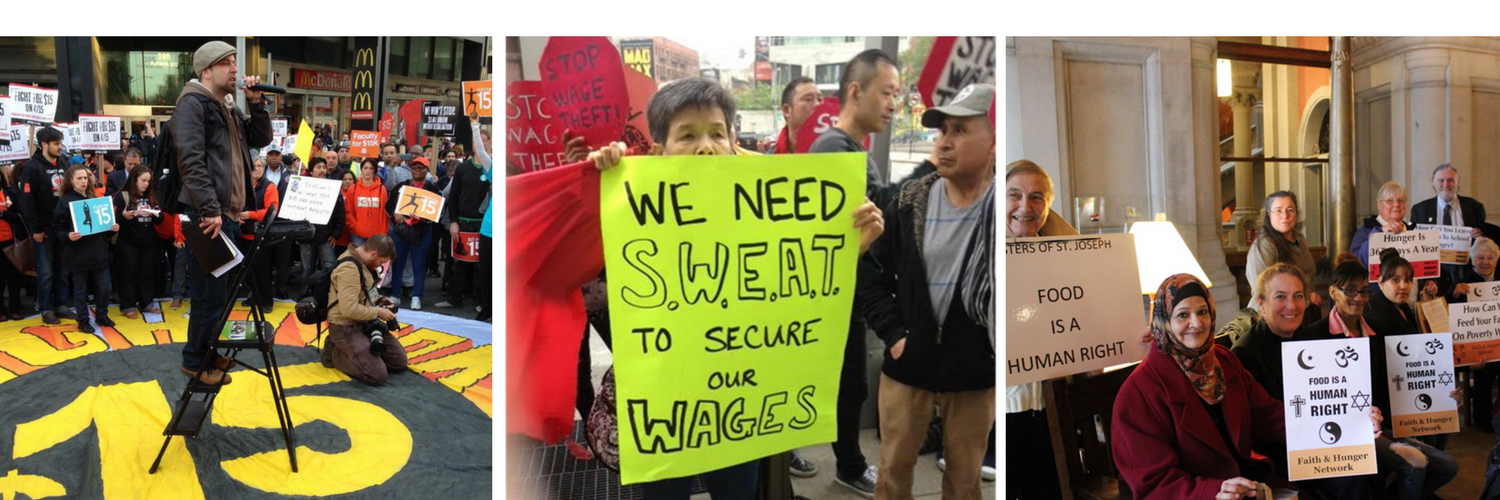
Hunger Action Network brings together concerned individuals and organizations sharing the common goal of ending hunger and its root causes, including poverty.
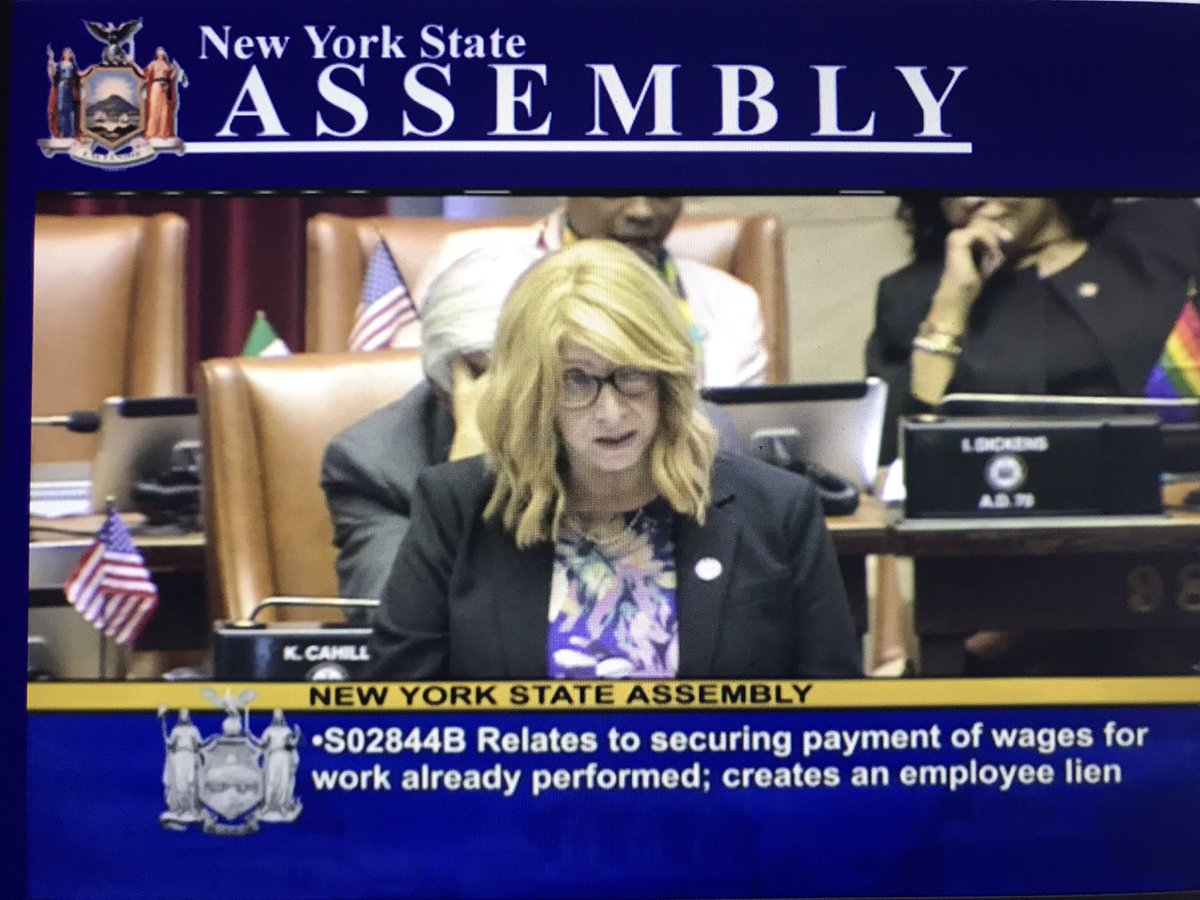
My #SWEAT bill, helping workers reclaim stolen wages, has passed the Assembly and the Senate!
New York had an estimated $1 billion in #WageTheft in last year, falling hardest on the most disadvantaged. This bill finally gives workers a leg to stand on!
Housing has become less affordable for all but the wealthy, helping to send more than 11,000 families, with more than 20,000 children, into homeless shelters.https://t.co/wFSPDfmf2g
The USDA found that government spending on SNAP has been effective in stimulating the economy since the Great Recession. Spending on SNAP helped the US economy more than most types of government spending (like infrastructure or defense spending) https://t.co/sniRSepq2V
Two-thirds of all hungry seniors (65.3%) have incomes above the federal poverty line ($12,140 a year, or $1,012 per month for a single person household in 2017) https://t.co/mwnlm8sBLH
May is Asian Pacific American Heritage Month #APAHM. @urbaninstitute has a great article about Asian Americans, poverty and hunger. https://t.co/dfJyhfAZtz
Four in 10 Americans sometimes face what economists call "material hardship," struggling to pay for basic needs such as food and housing, according to a new study from @urbaninstitute
https://t.co/szGv8ghfbs
#RootCausesofHunger Choosing between paying the rent and buying groceries. @FiscalPolicy00 report shows a majority of renting families statewide are “rent-burdened” meaning that they pay over the recommended standard of 30% of their income in rent. https://t.co/nZVd39YkQK
A survey released this week by @hope4college indicated that 45% of students from over 100 institutions said they had been food insecure in the past 30 days. 48% of City University of New York (CUNY) students were food insecure in the past 30 days.
https://t.co/cEgGROBnRm
Anti-hunger friends -- take a minute to look into why new investments in child care and housing essential to families’ economic stability. Federal funding is just inadequate says @CenterOnBudget and @CLASP_DC Find out why: https://t.co/J53fte3IdA
USDA’s income guidelines for free lunch fail to accommodate complex socio-economic realities, such as high costs of living in many cities.
https://t.co/Sw3v95Hh2A
"You might not think that there is a lot of money to be extracted from a dilapidated trailer park or a black neighborhood of “sagging duplexes, fading murals, 24-hour daycares”. But you would be wrong.https://t.co/TpMSBlDDtJ
Solutions such as these are critical as transportation remains a barrier to people getting food. About 2.3 million people also live in low-income, rural areas more than 10 miles away from a supermarket—and @lyft wants to help out. https://t.co/wiSr0YsiM5
If you have a disability in the U.S., you're twice as likely to be poor as someone without a disability. You're also far more likely to be unemployed. https://t.co/OP2O99JodG