A lot of people are now building and using their own hackbots daily. Here's a nice blog on using AI to hunt for vulns by @0xAsm0d3us.
Some takeaways that I've also been experiencing:
> Instead of asking "is this code secure?", ask "how would you break this?". This shifts the flow from auditor to attacker. It will force it to generate attack strategies.
> Avoid bloated prompts. Stuffing big MD files and skills into context degrades reliability of the model. Your scaffolding becomes the haystack and the bug becomes the needle.
> Don't just say "find bugs". Assert the bug exists, e.g. this function has 3 vulnerabilities, find them, don't quit.
Further reading:
https://t.co/KZX9jETYJ7
Advanced SSRF exploitation techniques are explained in detailed guides.
They include bypass methods and cloud metadata attacks.
Read https://t.co/anqjpazZ8h
#BugBounty#SSRF#CyberSecurity#Research
Bug Bounty tip 🧵
Don't just swap IDs — wrap them.
❌ {"Account": 1111}
✅ {"Account": {"Account": 3333}}
Auth validates the outer key.
Business logic executes the inner one.
Scanners miss it. You won't.
#BugBounty#IDOR#APIHacking
My first write-up about a vulnerability I found in a private HackerOne program, with a $3,000 bounty.
Read here:
https://t.co/jzarQnSHWO
#BugBounty#HackerOne
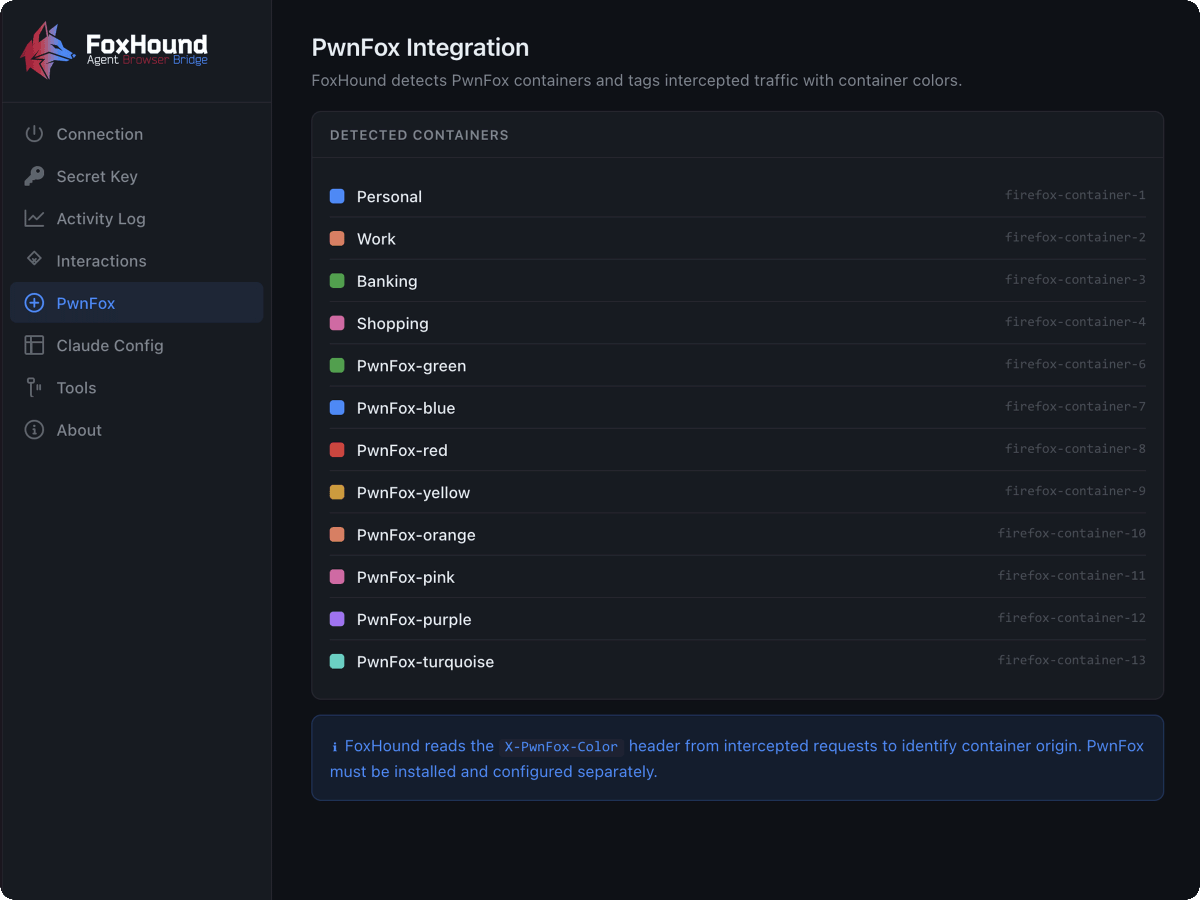
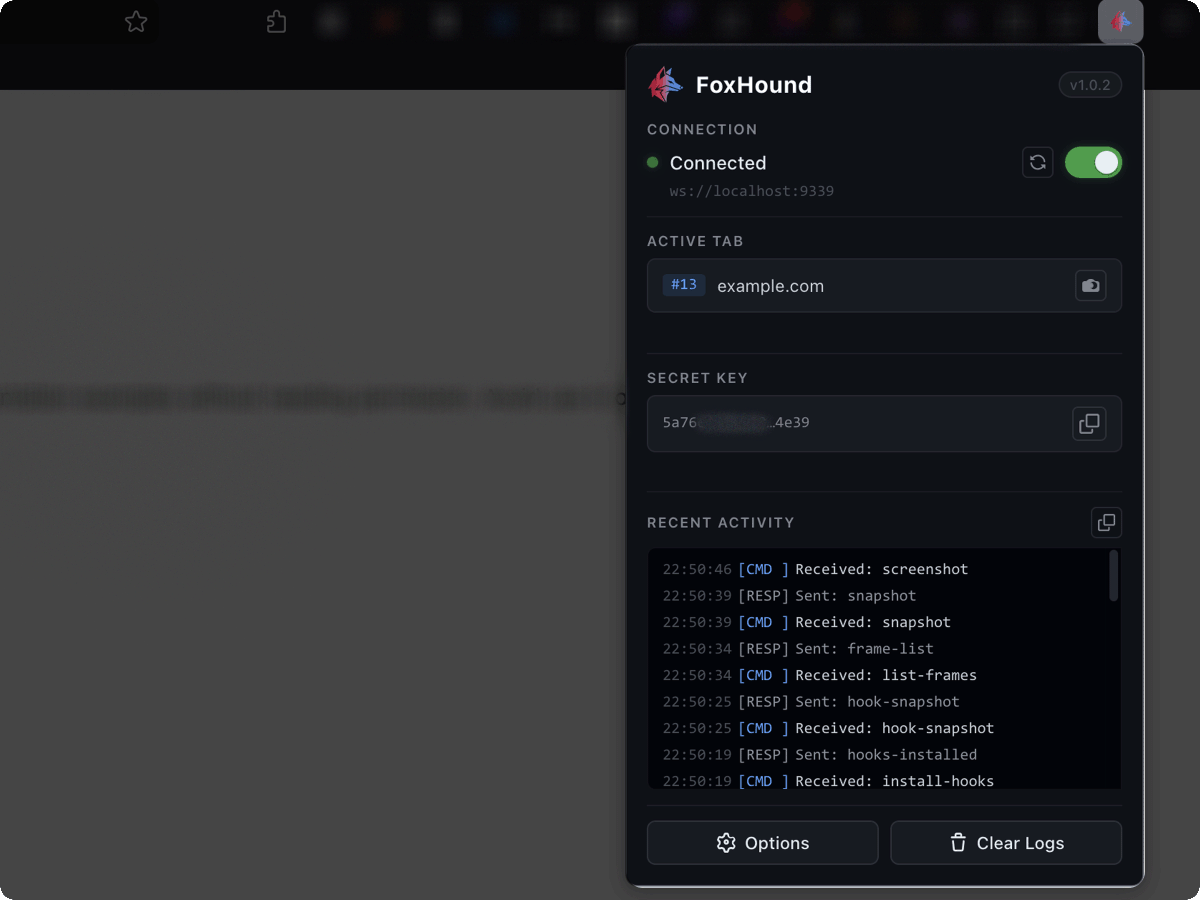
I built FoxHound, a Firefox extension that gives any AI agent full control over your browser.
I needed this while hunting. There are bugs the egent can not properly exploit without using the browser. Clicking things, reading the DOM, replaying requests, checking cookies across containers, running JS on the page. So i built it.
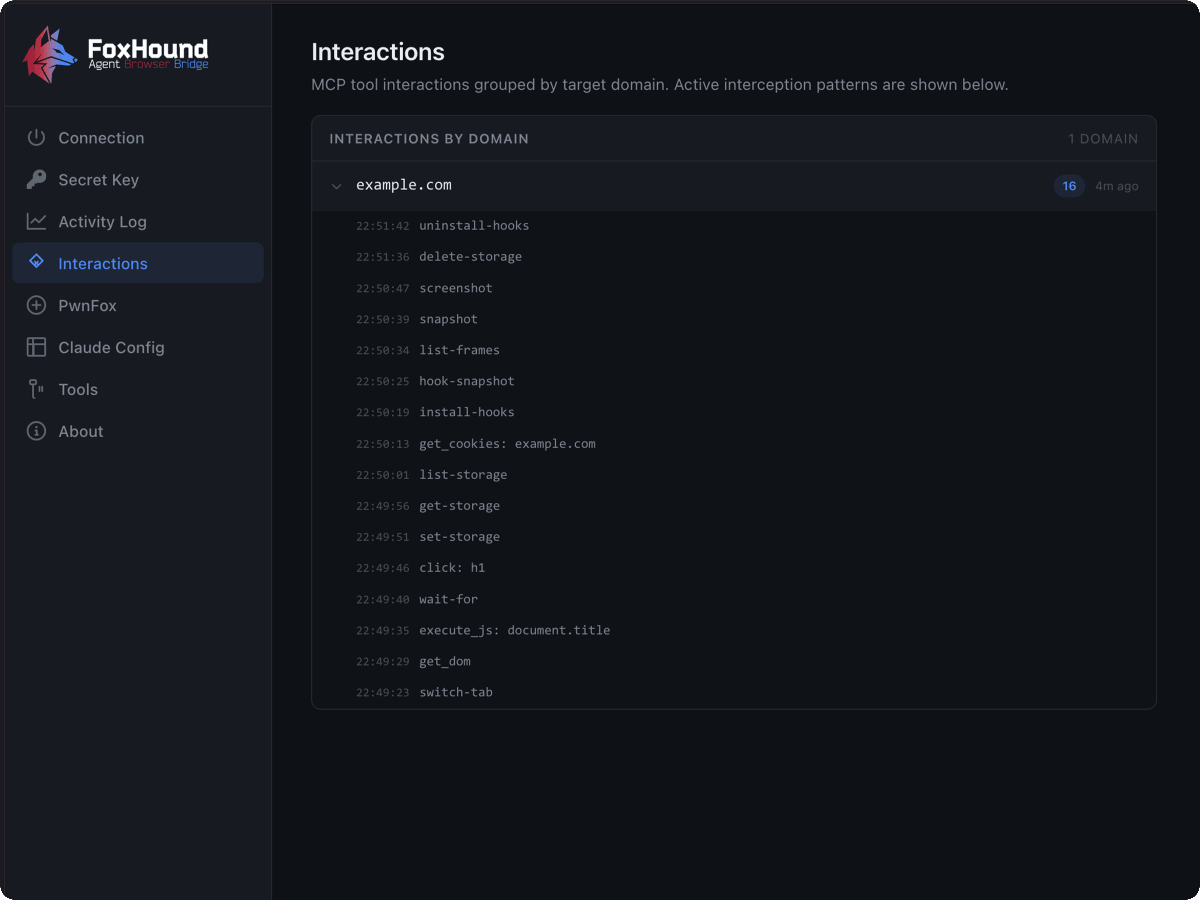
The agent can navigate tabs, click elements, fill and submit forms, upload files, take screenshots, capture all HTTP traffic with full request and response bodies, replay and modify requests, read and write cookies and storage, intercept live requests, hook into postMessage traffic, WebSocket connections, route changes, console output, service workers, and more.
It also uses PwnFox containers so the agent knows which container each request came from. If you are doing multi account testing, everything stays separated.
Setup takes 2 minutes:
1. Install the extension: https://t.co/zp0L5sonlL
2. Run: npm install -g foxhound-mcp
3. Copy the config from the extension options page into your MCP client. Done.
It is free. Give it a try and if you find any issues or want to add anything, open an issue on the GitHub: https://t.co/XtmZfbZzcU
Site-DOM-XSS using Cookie Injection: The AI Hackers are Coming Faster than You Think.
Nice AI use case (and attack chain) by @RenwaX23
https://t.co/xr6z4XNMJI
Hiroshima : 15 000 tonnes / 900 km².
Gaza : 70 000 tonnes / 365 km².
6 fois plus de bombes sur un territoire 2,5 fois plus petit. L’anéantissement méthodique d’un peuple.
After a longtime i decided to write it
How a 404 Page Led Me to an Unauthenticated AI Chatbot Leaking an Entire ERP Knowledge Base
https://t.co/Do51C5FPtu