Through its technical cooperation programme, @IAEAorg trained 500+ professionals to analyse chemical contaminants and residues in plant and animal products to help ensure food safety in Asia-Pacific.
➡️Learn more: https://t.co/3RwXQRT6Zv
A breakthrough for cancer care in Tunisia🇹🇳
Tunisia is now producing 18F-PSMA locally—a key radiopharmaceutical for advanced prostate cancer diagnosis and treatment planning. This expands access to nuclear medicine and reduces reliance on imports.
More: https://t.co/ZGOlSvWFN2
Nearly a decade after Paraguay’s first imPACT Review mission, an international expert team led by the IAEA has highlighted important progress in cancer prevention, early detection and treatment across the country 🇵🇾.
From expanded diagnostic services to strong HPV vaccination coverage and growing technical capacity, the mission identified key advances while outlining priorities to further strengthen access to cancer care nationwide under the Agency’s #RaysOfHope initiative.
➡️ https://t.co/8v3g8RtmH7
@knrakenya in partnership with the International Atomic Energy Agency, is hosting delegates from across Africa for a Meeting on Radiation Safety Infrastructure in Africa. The forum is reviewing progress and identifying priorities for stronger radiation safety systems.
5 years, 15 countries, 40+ radiation oncologists trained
Through the IAEA-supported Master’s Programme in Advanced Radiotherapy, specialists across Latin America and the Caribbean bring advanced cancer treatment expertise back to their communities
More: https://t.co/tYB6oO0gKx
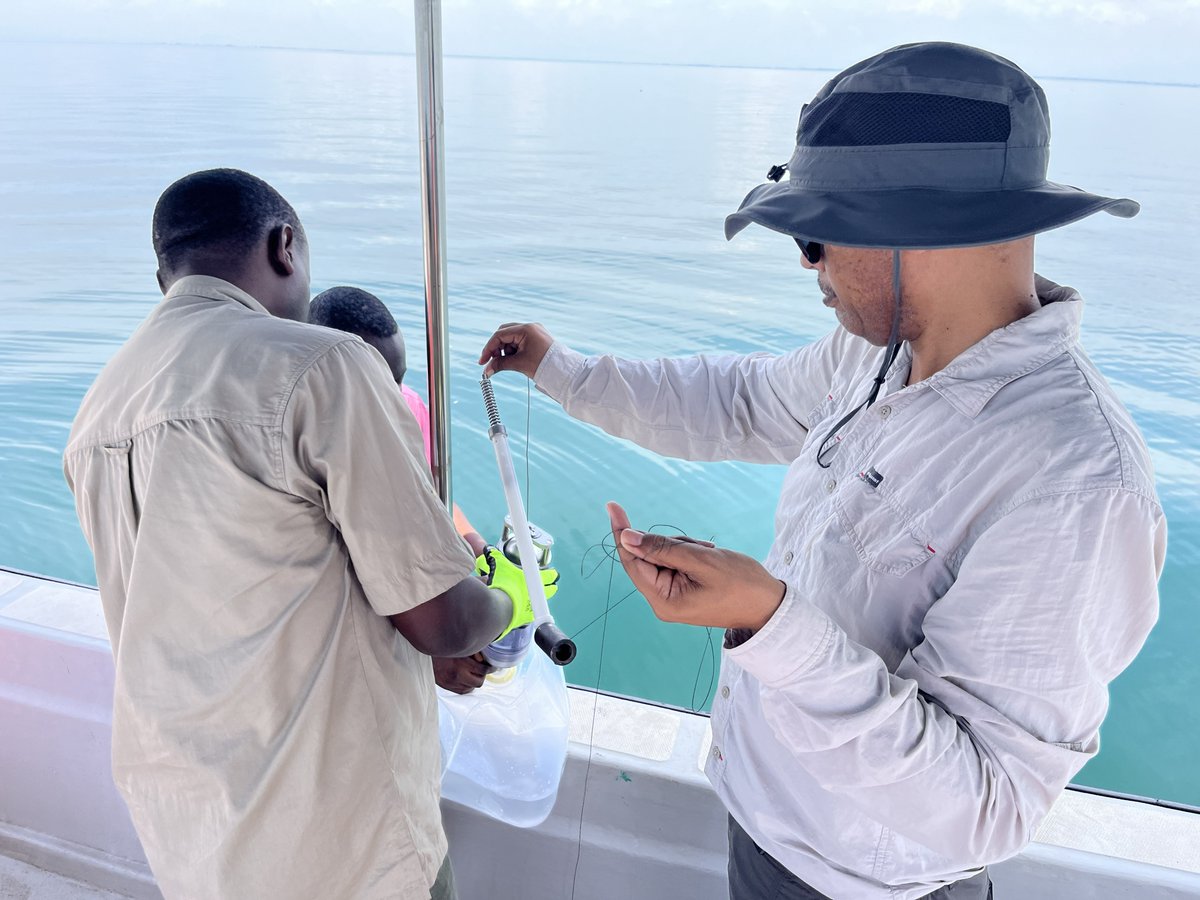
Visited @kisrofficial 🇰🇼 and saw firsthand the impressive work being done in nuclear science and technology for environmental protection.
We had a good exchange on progress being made through our cooperation, including a project carried out on board the Al-Mostakshif research vessel with the @IAEAorg under #NUTECplastics to improve understanding of ocean acidification, microplastics and other threats to marine ecosystems.
A strong example of how science and partnerships can help protect the environment.
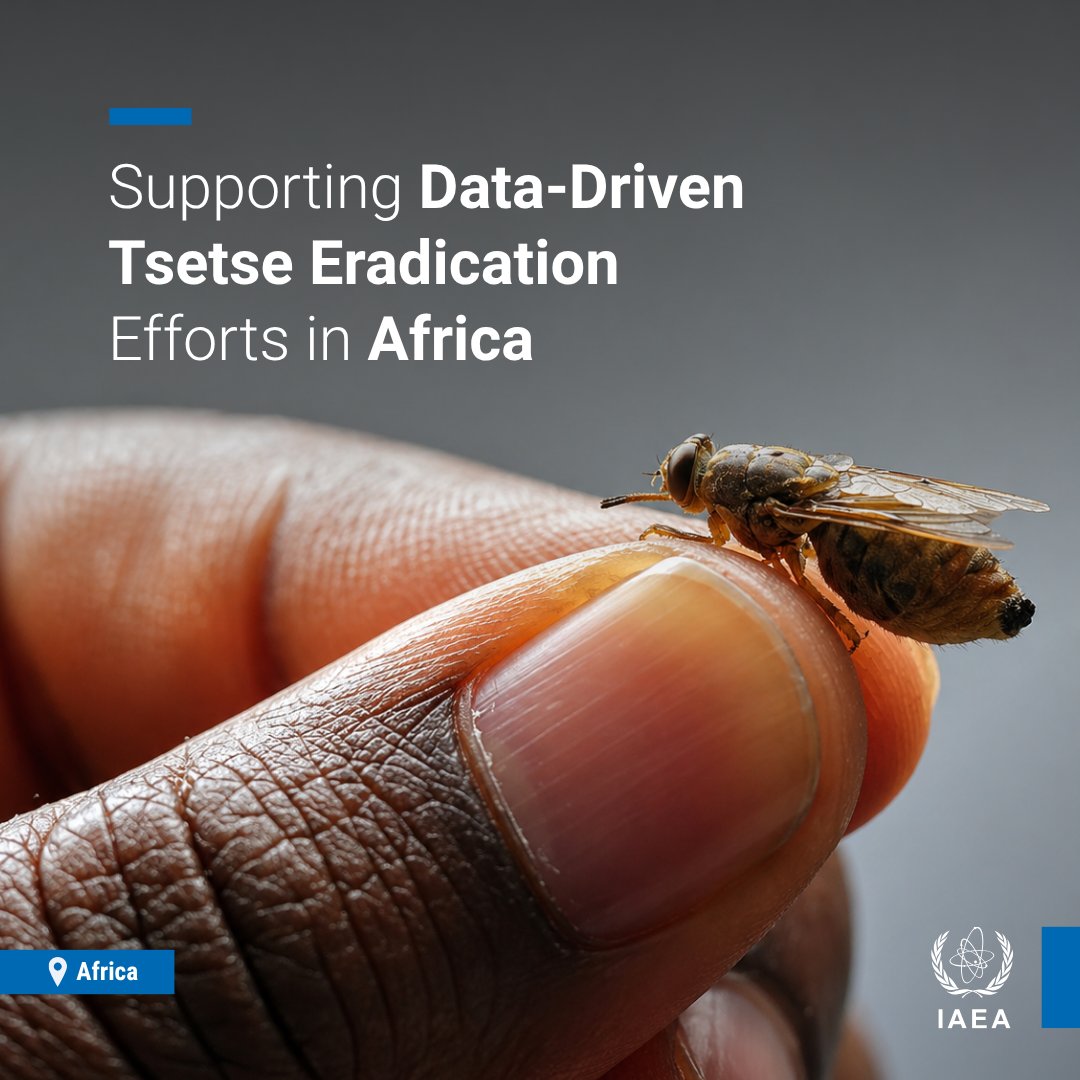
African countries are stepping up efforts to eliminate disease-carrying tsetse flies using data and nuclear science.
With support from the IAEA, up-to-date maps built from the latest data show where the flies are and where action is needed most. Using the Sterile Insect Technique, nuclear technology helps stop the flies from reproducing.
Combined, these efforts are helping protect people, livestock and food security.
➡️ https://t.co/w9bH41Apud
🧵 ¿Qué tiene que ver la tecnología nuclear con la defensa de nuestras playas y manglares? Muchísimo.
En el marco de ARCAL, científicos de 19 países se unen en Panamá para aplicar la ciencia nuclear pacífica en favor del medio ambiente.
👇 Abro hilo...
In Liberia, scientists are developing climate-resilient rice to boost yields and reduce reliance on imports.
With support from the IAEA, they are using nuclear techniques to help farmers adapt to climate challenges and strengthen food security.
https://t.co/b5tNLhGzB9
🌍Today is #AfricaDay!
From food and agriculture to health and water resource management, @IAEAorg supports African countries to use nuclear science to address development priorities in a variety of areas.
➡️Learn more: https://t.co/CIyc9ZHeNs
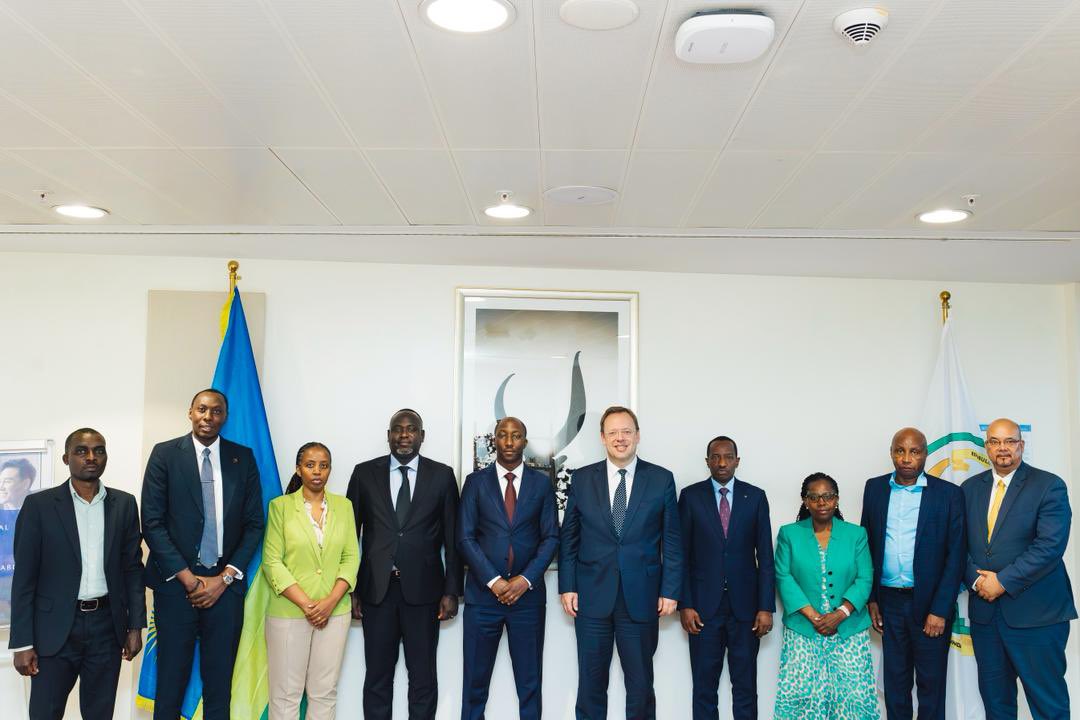
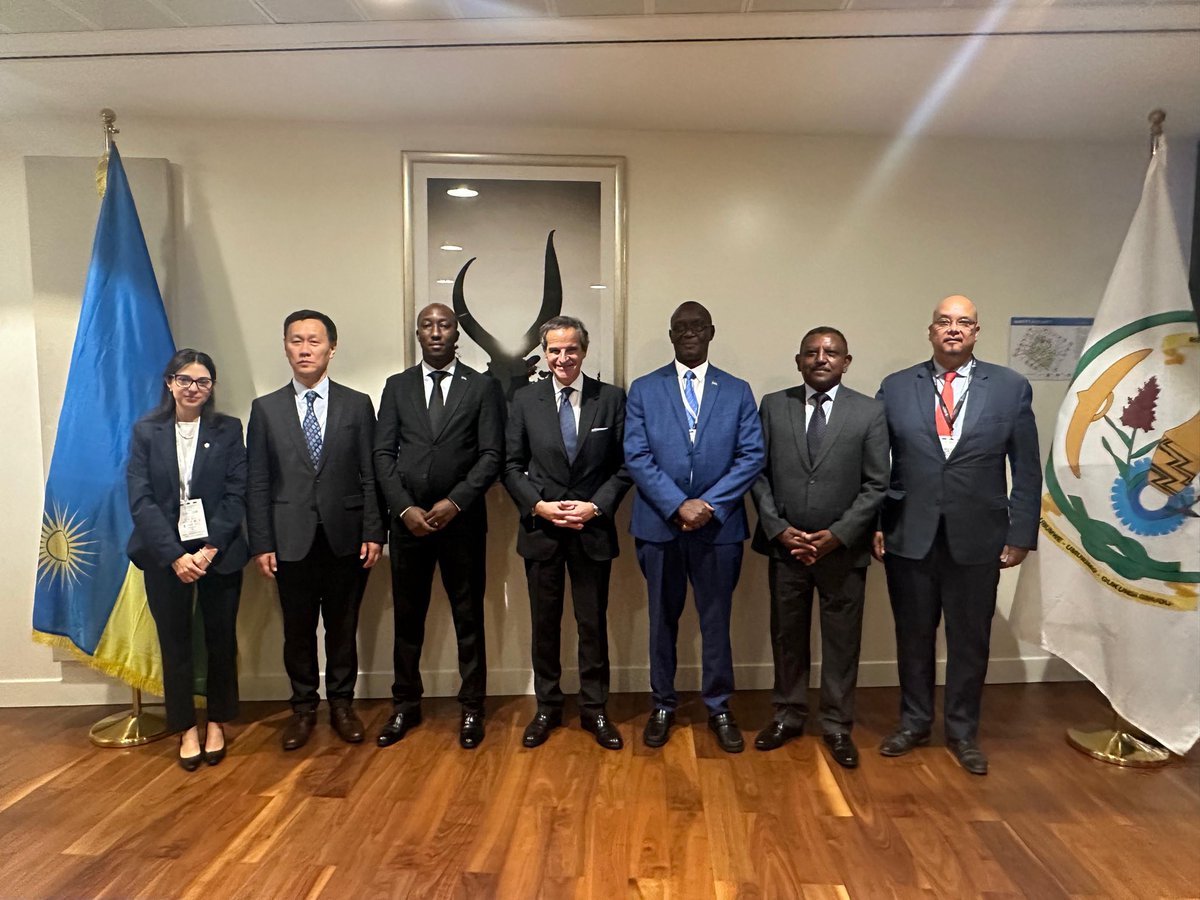
During the second edition of the Nuclear Energy Innovation Summit for Africa (NEISA), Rwanda signed a Memorandum of Understanding with the International Atomic Energy Agency (IAEA) to strengthen cooperation on the integration of nuclear energy into the national energy mix. 1/2
.@WorldBankGroup reaffirmed its support through @iaeaorg-backed programmes and its commitment to supporting #Rwanda in implementing Phase II requirements.
During the Human Capacity Development: Building Africa's Nuclear Workforce session at #NEISA2026, industry leaders, policymakers, educators, and international experts examined the urgent need to develop a highly skilled workforce capable of supporting Africa’s expanding nuclear energy ambitions and long-term industrial transformation.
The session explored how Africa can strengthen its nuclear talent pipeline through investment in STEM education, specialized technical training, regulatory capacity building, research and innovation programs, and stronger partnerships between universities, governments, and industry. Discussions also addressed the growing demand for engineers, reactor operators, cybersecurity specialists, radiation protection experts, project managers, and nuclear regulators as more African countries advance their nuclear energy programs.
Speakers emphasized that building a sustainable nuclear sector requires more than infrastructure and technology deployment. It also requires long-term investment in people, institutions, and knowledge systems that can support safe, secure, and reliable nuclear operations for decades to come.
Important step forward for Rwanda’s nuclear energy plans.
Together with @RwandaInfra’s @Dr_JimmyGasore, signed an @IAEAorg/@RwandaGov agreement to strengthen cooperation on integrating nuclear energy into Rwanda’s energy mix, including SMRs.
The agreement covers support on energy planning, infrastructure development, training, stakeholder engagement, financing and capacity building as 🇷🇼 moves forward with its plans.
Across Africa, scientists are turning data into action to protect vital water resources.
With support from IAEA, experts have analysed over 20,000 water samples using nuclear techniques to better understand groundwater and prevent pollution.
The results are already shaping national water management plans, strengthening access to clean water and supporting long-term sustainability across the continent.
Read more: https://t.co/IrptqtMNuf
Protecting America's livestock industry requires leadership. If not addressed, American farmers, families, and animals can suffer. The @USDA is leading a coordinated national and international effort to push the New World Screwworm further south. This leadership is vital to protect billions in livestock-related economic activity and to preserve our farms. Through technical cooperation with the @IAEATC, we are working to keep Americans safe and the American cattle industry prosperous.
@USUNRome@State_IO
🌎Although the New World screwworm was successfully eradicated from North and Central America, there has been a recent resurgence.
➡️Learn how @IAEAorg is helping countries in the fight to stop the New World screwworm: https://t.co/QyrBmb7Fo6
In Malaysia, we turned a scientific breakthrough into a national impact🌾
Through nuclear science, we developed mutant rice varieties that now cover 10% of the country's rice area. #Atoms4Food in concrete action—feeding a growing population, one field at a time #NuclearScience
#DíaMundialAbejas 🐝
¿Tu miel es realmente miel? @meganoticiascl destaca al Dr. Enrique Mejías de la CCHEN, quien emplea tecnología nuclear para detectar miel adulterada, con apoyo de @iaeaorg.
Lee la nota: https://t.co/C6Hv8FLmg7